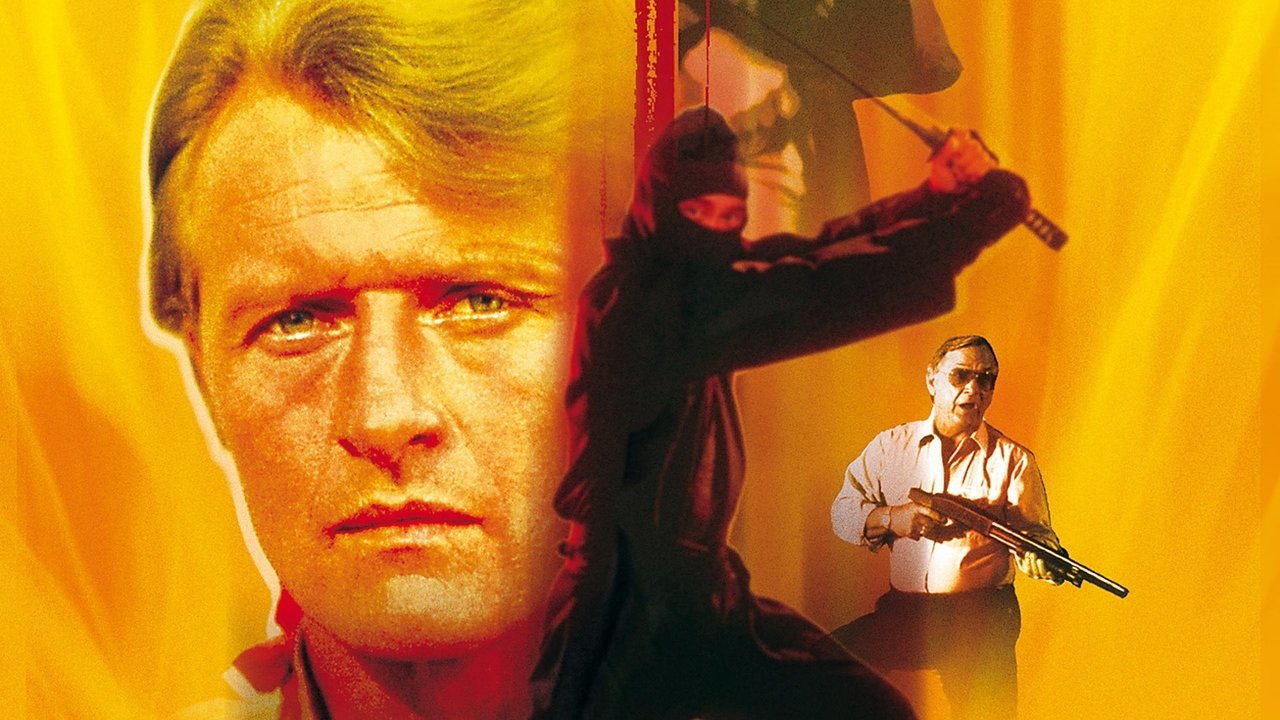
Okay, let's dim the lights, maybe grab a soda that's definitely not good for us anymore, and slide this tape into the VCR. Remember that satisfying clunk? Tonight, we're pulling Blind Fury (1989) off the shelf, a film that landed with a unique thud in the action landscape of the late 80s. It wasn't quite the explosive blockbuster, nor purely a straight-to-video oddity. Instead, it occupied that wonderful middle ground, the kind of movie you’d grab based on the intriguing cover art and the always-compelling presence of Rutger Hauer.
### Not Just Another Action Hero
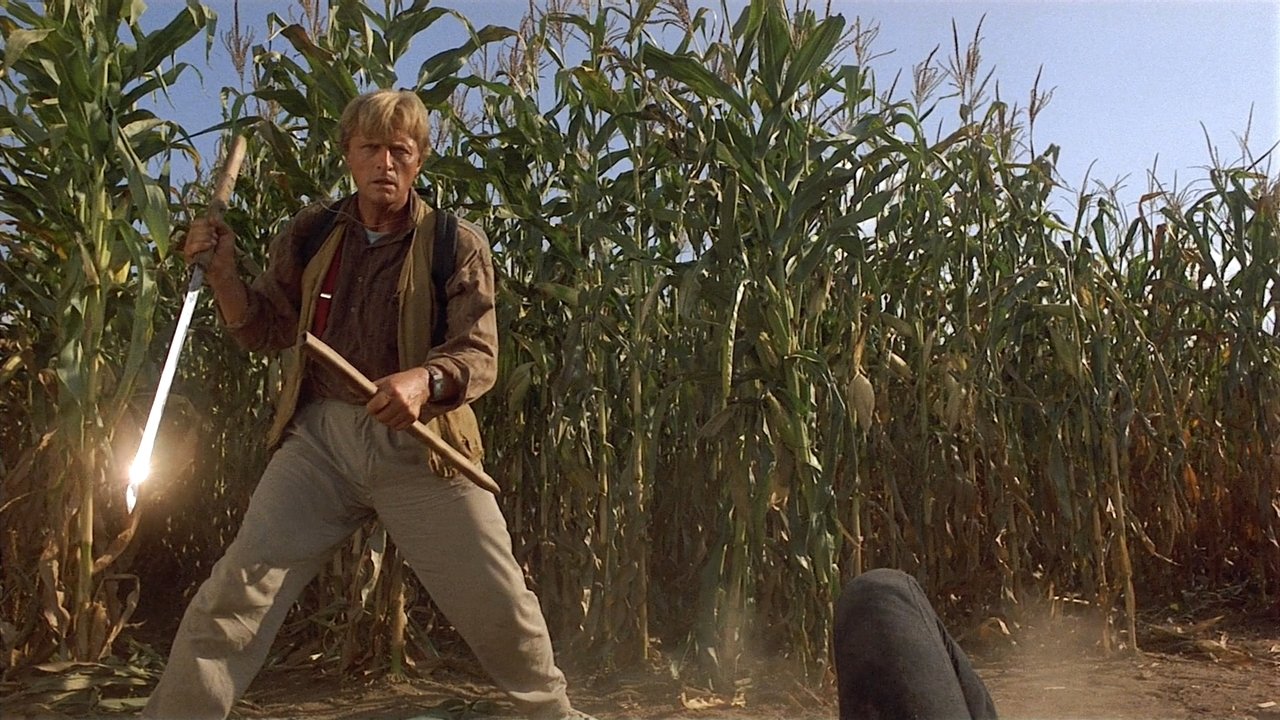
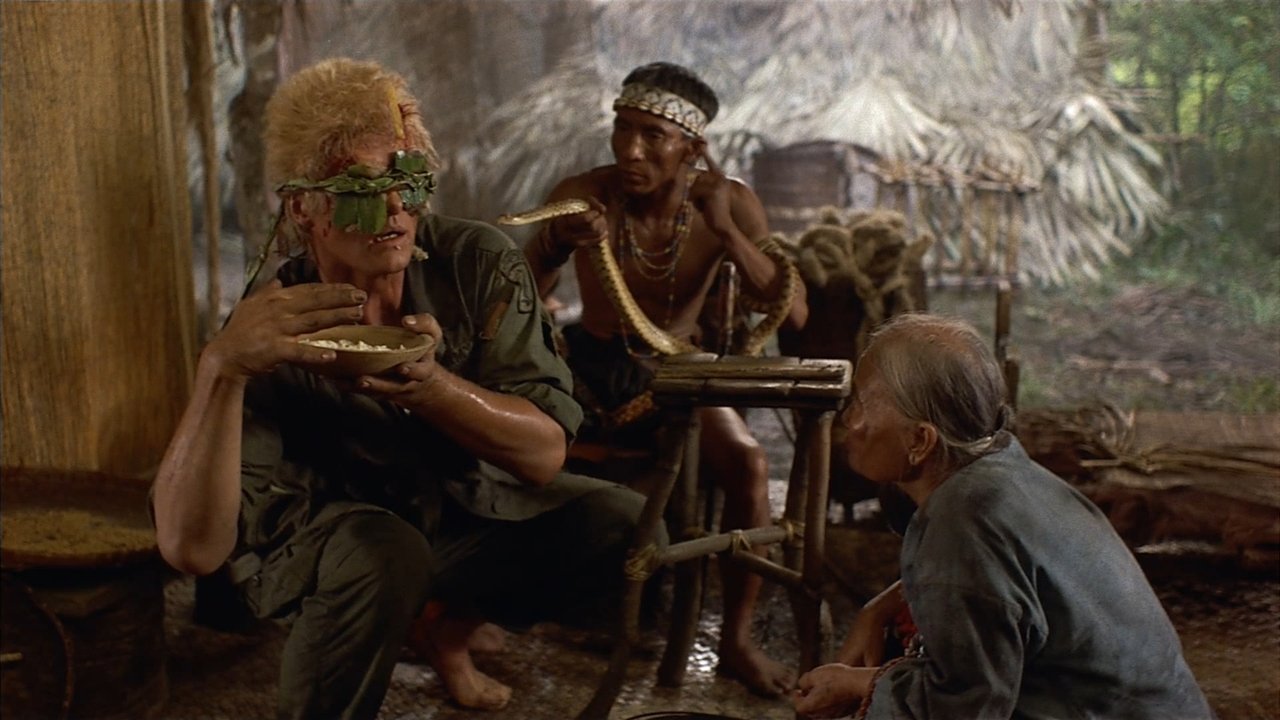
Right off the bat, Blind Fury throws a curveball. Our hero, Nick Parker (Rutger Hauer), isn't your typical muscle-bound commando. He's a Vietnam vet, blinded in combat, who finds himself rescued and trained by villagers in the art of the sword, becoming impossibly adept despite his lack of sight. This premise alone, lifting generously from the legendary Japanese Zatoichi film series (specifically 1967's Zatoichi Challenged), sets it apart. Hauer, fresh off memorable roles in films like Blade Runner (1982) and The Hitcher (1986), fully commits. He doesn't just act blind; he moves with a careful, deliberate grace that feels earned. It's fascinating to learn that Hauer actually trained extensively with Lynn Manning, a blind Judo champion and poet, to understand the nuances of movement and spatial awareness without sight. It adds a layer of integrity to a concept that could easily have tipped into pure caricature.
### Sword Fights and Road Trips
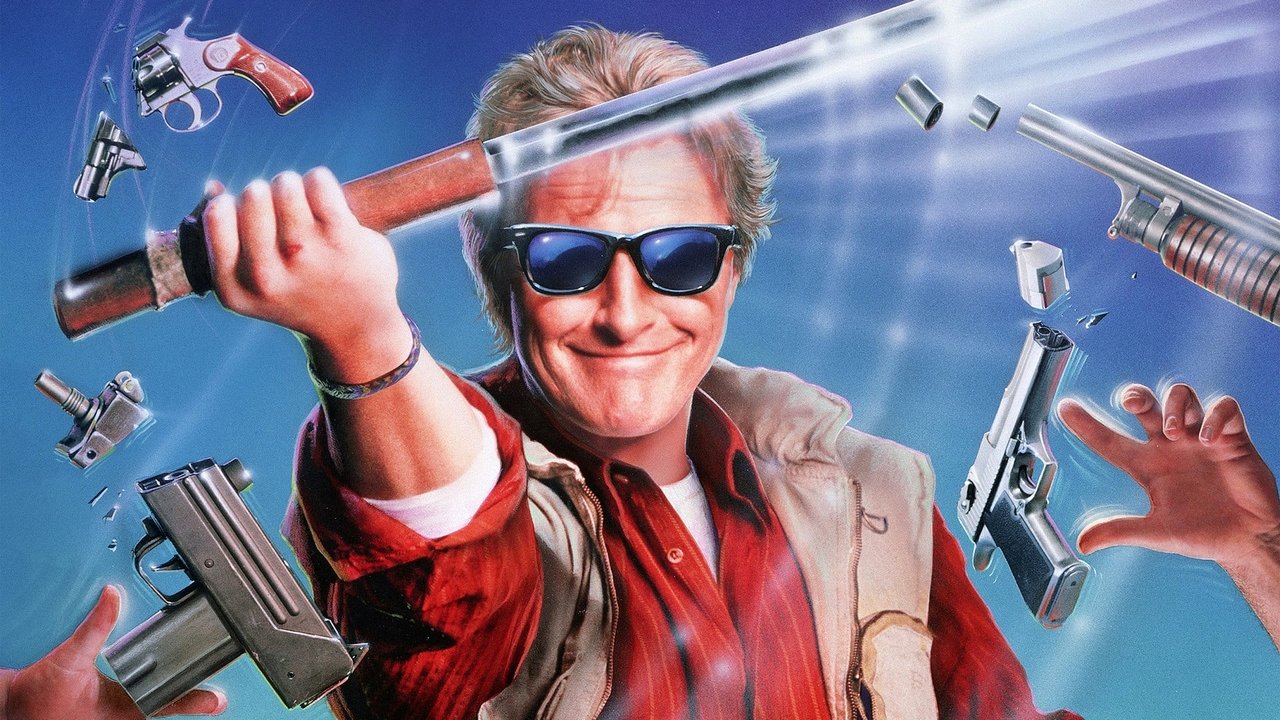
The plot kicks in when Nick visits an old army buddy, Frank Deveraux (played briefly by Terrance O'Quinn, forever etched in our minds from The Stepfather (1987) and later Lost). Frank's mixed up with bad guys who want him to cook designer drugs, leading to Frank’s ex-wife being killed and Nick unexpectedly becoming the guardian of Frank’s young, initially bratty son, Billy (Brandon Call). What follows is essentially a road trip movie punctuated by sudden, brutal sword fights. Nick and Billy head cross-country to Reno to find Frank, pursued by hapless henchmen and a genuinely formidable assassin (played by Sho Kosugi, a ninja movie icon!).
Director Phillip Noyce, who had just scored a major critical hit with the taut thriller Dead Calm (1989) and would later helm big Hollywood pictures like Patriot Games (1992), brings a surprising level of polish to the proceedings. He balances the action with moments of humor – often stemming from Nick's uncanny abilities surprising onlookers – and a developing bond between the stoic warrior and the scared kid. Some of the humor is definitely of its time, bordering on slapstick, but Hauer sells it with his stoic charm. Remember that scene in the cornfield? Pure practical mayhem!
### Feel the Steel: The Glory of Practical Action
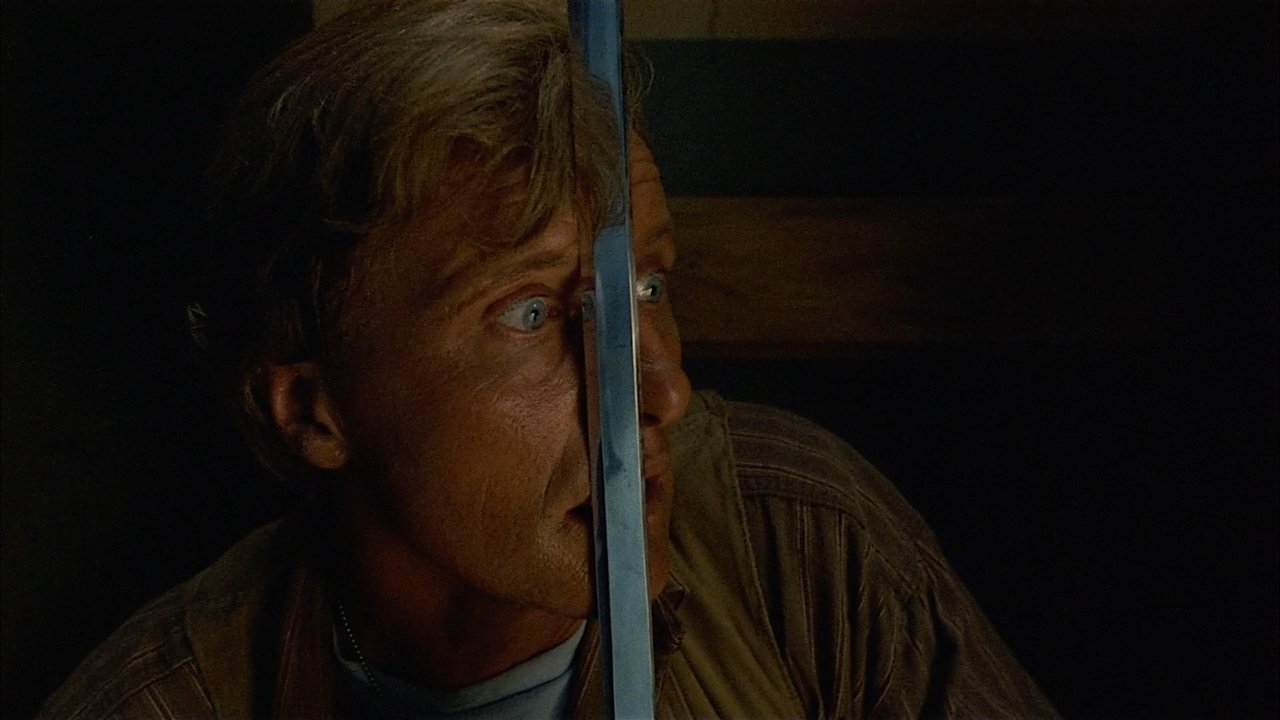
Let's talk about that action. This is late 80s, folks. CGI wasn't painting over every stunt performer or digitally adding blades. When Nick Parker whips out that swordstick, the choreography feels grounded and visceral. The sword fights, orchestrated by stunt coordinator Glenn Randall Jr. (whose impressive resume includes work on Raiders of the Lost Ark!), have a weight and impact that often gets lost in today's hyper-edited sequences. You see the actors, you see the stunt doubles putting themselves in harm's way (within reason, of course!). There’s a genuine thwack and clang to the combat. Was that final showdown in the snowy mountain cabin not brilliantly staged for its time? The way Nick uses the environment, the sheer physicality of it – it felt real in a way that slicker, modern effects sometimes struggle to replicate.
Sure, some moments might look a little rough around the edges now – a visible wire here, a slightly pulled punch there – but that's part of the charm, isn't it? It’s the texture of filmmaking before digital smoothing became the norm. The film reportedly faced some budget hurdles, necessitating filming primarily in Australia to double for the American locations, a common cost-saving measure back then that sharp-eyed viewers might occasionally spot. It adds another layer to its "making movies by hook or by crook" VHS-era appeal.
### A Cult Following Forged on Tape
Blind Fury wasn't a massive box office smash upon release. Critics were somewhat divided, appreciating Hauer but sometimes finding the tonal shifts between action, comedy, and drama a bit jarring. But oh, did it find its audience on home video! This was prime rental fodder. It had a cool concept, a recognisable star doing something different, and action scenes that delivered the goods. It's the kind of film that generated playground buzz – "Did you see the one where the blind guy kicks butt with a sword?"
Rutger Hauer is the undeniable anchor. He brings a quiet dignity, a flash of wry humor, and believable lethality to Nick Parker. Brandon Call does a decent job as the kid, evolving from annoying tagalong to loyal companion. And seeing Terry O'Quinn pop up, even briefly, is always a treat for genre fans.
Rating: 8/10
Justification: Blind Fury earns a solid 8 for delivering exactly what it promises with unexpected heart and style. Rutger Hauer's dedicated performance elevates the potentially silly premise, the practical action sequences remain genuinely exciting and well-staged for their era, and the unique blend of road movie, buddy comedy, and samurai action creates a memorable, if slightly quirky, whole. It overcomes its tonal wobbles and budget limitations through sheer charm and Hauer's magnetic presence. It's a perfect example of the kind of unique, star-driven action vehicle that thrived in the VHS racks.
Final Word: A sharp, often funny, and surprisingly soulful slice of late-80s action, Blind Fury is proof that sometimes, the most memorable heroes are the ones you least expect – especially when they’re wielding a hidden blade with uncanny precision. It's a tape well worth rewinding.