Alright, rewind your minds, pop that slightly worn cassette into the VCR, and let the tracking lines settle. Tonight, we’re diving headfirst into a whirlwind of pure Hong Kong action-comedy genius: Jackie Chan's 1987 directorial follow-up, Project A: Part II (or 'A' gai wak juk jap if you're feeling authentic). Forget crystal-clear digital streams for a moment; this one practically smells like the plastic casing and the slightly musty scent of the video store aisle where you first discovered it, probably tucked between a Stallone epic and a ninja flick.

This sequel hits differently than the first Project A (1983). Gone are the familiar faces of Sammo Hung and Yuen Biao, Jackie's legendary opera school brothers. It’s a noticeable absence, sure, but it also throws the spotlight squarely onto Jackie Chan, not just as the star, but as the driving force behind the camera. Rumor has it Chan specifically wanted to prove he could carry this kind of massive production solo, stepping out from the shadow of the beloved "Three Dragons" dynamic. And carry it he does, delivering a film bursting with kinetic energy, intricate choreography, and stunts that still make you wince and wonder, "How did he do that?"
### Back on the Beat, Trouble on Land
We rejoin Sergeant Dragon Ma (Jackie Chan) after his pirate-busting escapades, reassigned to the Sai Wan district police force. He’s tasked with cleaning up corruption, spearheaded by the imposing Superintendent Chun (David Lam). But this ain't just about crooked cops; Dragon quickly finds himself entangled with revolutionary agents (including Rosamund Kwan as Miss Pak), Manchu loyalists, and lingering pirates seeking revenge. Oh, and he’s juggling interactions with the fiery Yesan (Maggie Cheung, radiating star power even then) and trying to keep his own squad in line.

The plot? Let’s be honest, it’s a gloriously chaotic tapestry designed primarily to string together increasingly elaborate set pieces. But that’s precisely the charm! It moves at a breakneck pace, throwing characters and complications at Dragon Ma with the same frequency he throws punches and chairs. Maggie Cheung, in particular, is a fantastic addition, bringing a sparky comedic energy that plays brilliantly off Chan's own physical humor. Remember her scenes trying to hide everyone in her apartment? Pure gold.
### The Symphony of Stunts: Real Danger, Real Thrills
This is where Project A: Part II truly cements its VHS Heaven status. We're talking peak 80s practical stunt work, the kind that felt terrifyingly real precisely because it was. Forget seamless CGI – this was the era of flesh, bone, and sheer audacity meeting pavement, wood, and bamboo scaffolding. Chan, drawing heavily from his idols like Buster Keaton and Harold Lloyd, turns mundane environments into playgrounds for peril.
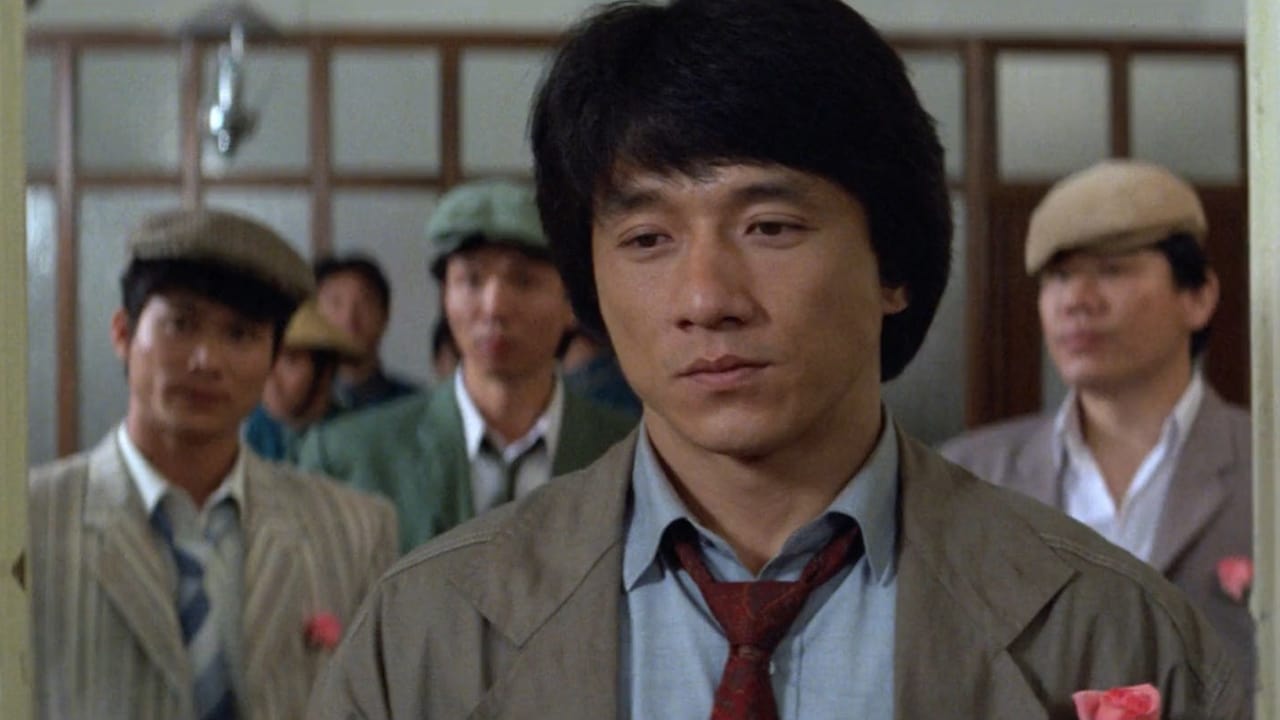
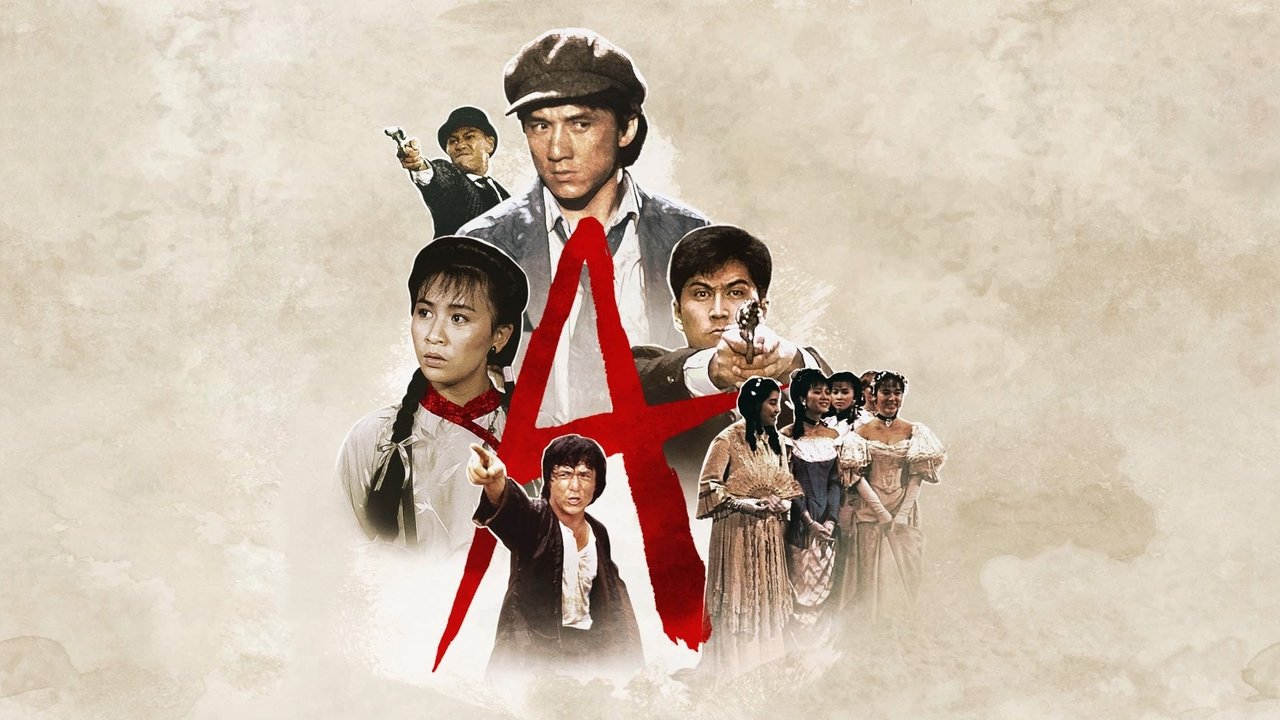
Think about the fight scenes – not just kicks and punches, but intricate dances involving ladders, chairs, doors, even chili peppers! That scene where Jackie accidentally eats a handful of super-hot peppers? Word is, those were real peppers, and his reaction wasn't entirely acting. It’s this commitment to the physical gag, the willingness to endure actual discomfort and danger for the shot, that defined his work then. Compare that to today’s often weightless, green-screen assisted action. There's a visceral thump to the impacts here, a palpable sense of risk that digital effects rarely replicate. Wasn't that handcuffed chase sequence through the streets just a masterclass in controlled chaos?
Chan's direction is frantic and inventive. He knows exactly how to frame the action to maximize both the comedic timing and the jaw-dropping stunt reveals. The editing is sharp, keeping the energy relentlessly high. The film was shot entirely on location in Hong Kong, capturing a vibrant, bustling period atmosphere that adds another layer of authenticity.
### That Wall Scene... You Know the One
Okay, let's talk about the elephant in the room – or rather, the wall. The climactic sequence, where Dragon Ma finds himself pursued through a crumbling facade, culminates in one of Jackie Chan's most iconic and dangerous stunts: the collapsing wall gag, a direct homage to Keaton's Steamboat Bill, Jr. (1928). But Chan adds his own brutal spin.
Knowing precisely where the window opening will land as the massive wall structure tilts and crashes down required insane precision and nerve. Retro Fun Fact: Chan reportedly performed this incredibly dangerous stunt three times to get the perfect shot, suffering back injuries and nearly being crushed in the process. Watching it even now, knowing the danger involved, sends a shiver down your spine. It’s a testament to the sheer dedication (and perhaps borderline insanity) that fueled Hong Kong action cinema in its golden age. This wasn't just a stunt; it was a statement.
### Standing Solo, Standing Tall
While some might miss the chemistry of the Three Dragons, Project A: Part II proves Jackie Chan was more than capable of headlining a massive action-comedy spectacle on his own terms. The film was a huge success at the Hong Kong box office, pulling in over HK$31 million – a significant sum back in '87 – further solidifying Chan's position as Asia's biggest movie star. The supporting cast is strong, the period detail is engaging, and the blend of slapstick humor and genuinely thrilling action is perfectly balanced.
It might lack the maritime adventure of the first film, and the plot threads can sometimes feel a bit tangled, but the sheer level of invention and physical commitment on display is staggering. It’s a film powered by adrenaline, creativity, and an unbelievable amount of hard work from the stunt teams and Chan himself.
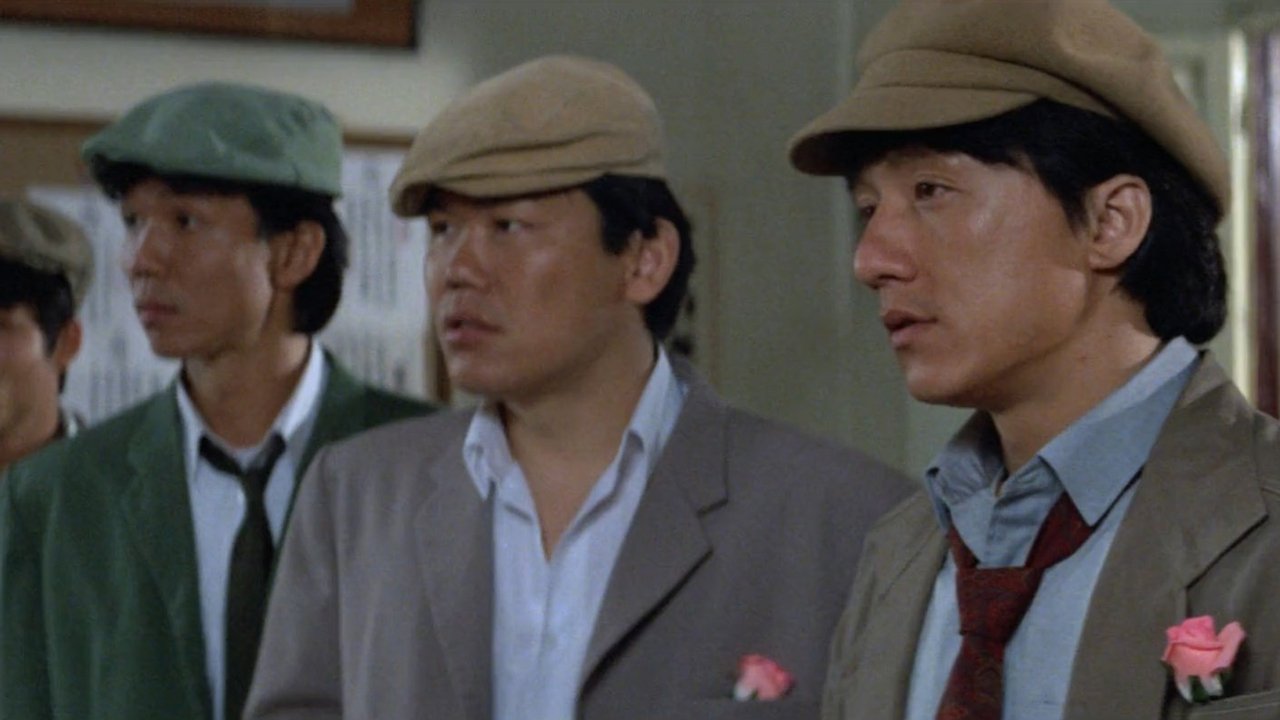
VHS Heaven Rating: 8.5/10
Justification: This score reflects the film's incredible stunt work, Jackie Chan's infectious energy both on and off-screen, Maggie Cheung's delightful presence, and its status as a prime example of 80s Hong Kong action-comedy excellence. The sheer audacity of the practical effects and choreography elevates it significantly. It loses a slight edge for the somewhat convoluted plot and the understandable, though noticeable, absence of Hung and Biao compared to the original, but the highs are dizzyingly high.
Final Rewind: Project A: Part II is a joyous explosion of pure cinematic effort from a time when action heroes felt the impact. Grab your copy, ignore the tracking fuzz, and marvel at a master pushing the limits – proof that sometimes, the most spectacular effect is gravity having its way with a very brave man and a very large wall. Still exhilarating.