Alright, fellow tapeheads, dim the lights, maybe crack open a Tab if you can find one, and let’s journey back to a Los Angeles that was equal parts sunshine, satire, and strangely sincere magic. Tonight’s feature presentation, pulled from the slightly worn clamshell case of memory, is 1991’s L.A. Story. This isn’t your typical slam-bang action flick we sometimes crave, but trust me, it packs its own unique kind of retro punch – a whimsical haymaker delivered with a knowing wink.
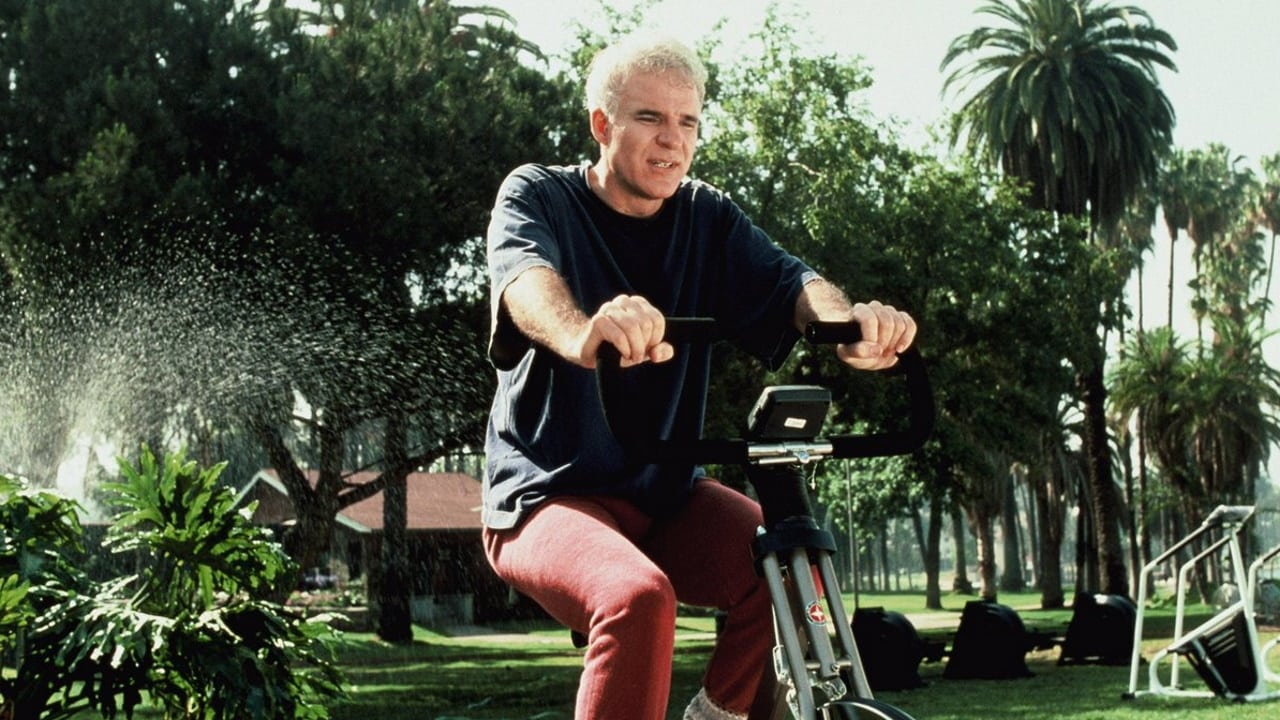
Remember finding this one nestled between the louder, more explosive titles at the video store? It stood out, didn't it? With Steve Martin’s face on the cover, looking more thoughtfully bemused than “wild and crazy,” you knew you were in for something different. And different it was. This film felt less like a traditional movie and more like a quirky, sun-drenched dream someone had after spending too long stuck in traffic on the 405.
### A Weather Report from the Heart
Our guide through this affectionately skewed City of Angels is Harris K. Telemacher (Steve Martin), a TV weatherman known for his “wacky” forecasts in a city where the weather rarely changes. Harris is coasting, professionally and personally, surrounded by the absurdity of early 90s L.A. culture – the endless brunches, the vapid conversations, the feeling that maybe, just maybe, everyone’s faking it. Martin, who also penned the wonderfully witty script, plays Harris with a perfect blend of weariness and nascent wonder. It's a more subtle performance than his 80s heyday, hinting at the thoughtful actor who would emerge later, but still loaded with his signature physical comedy and sharp observational humor.

The catalyst for change arrives in the form of Sara (Victoria Tennant), a visiting British journalist who seems refreshingly out of step with the L.A. scene. Their budding connection forms the romantic core of the film, a relationship that feels gentle and tentative amidst the surrounding chaos. It’s a sweet pairing, and knowing that Martin wrote the screenplay partly as a valentine to L.A. and partly for Victoria Tennant, his then-wife, adds a layer of genuine affection that shines through the celluloid (or, you know, the magnetic tape). Retro Fun Fact: Martin and Tennant’s real-life relationship undoubtedly informed the chemistry, giving their scenes an easy, lived-in quality.
But this isn't just a standard rom-com. Oh no, this is L.A., where even the infrastructure gets involved in your love life.
### When the Freeway Talks Back
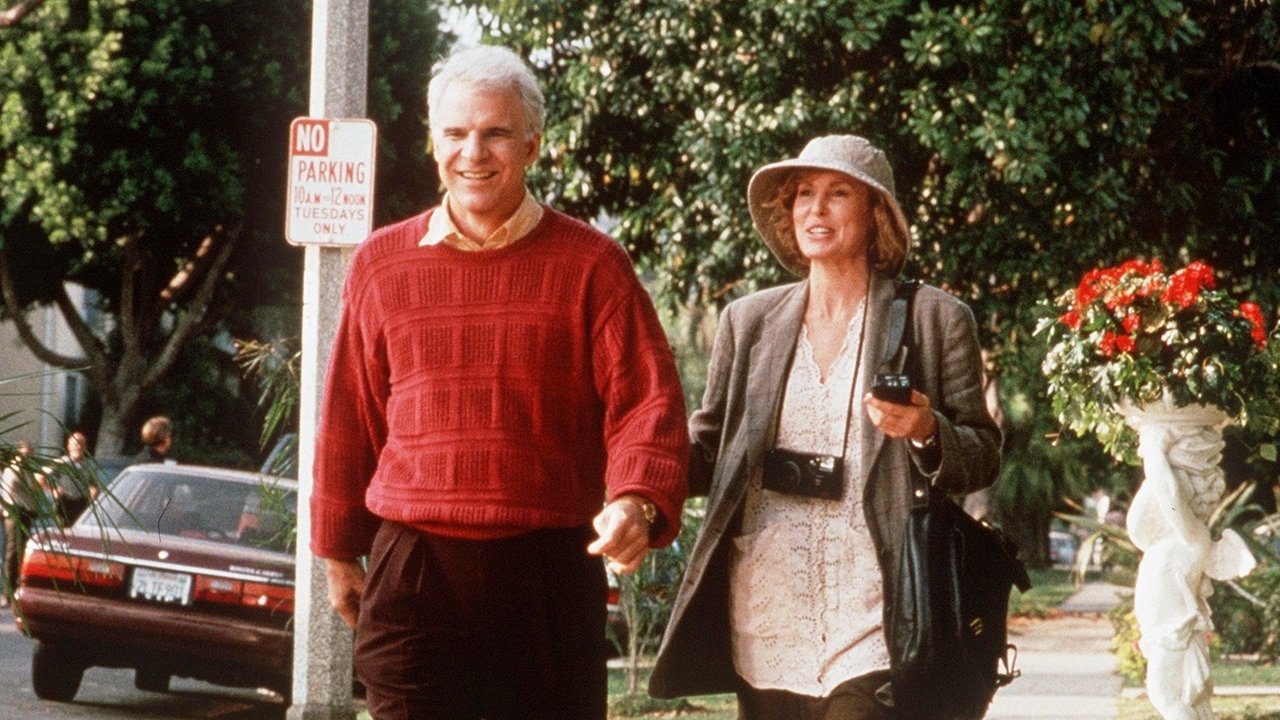

The film’s most iconic element, the thing that probably made you rewind the tape just to make sure you saw it right, is the sentient freeway traffic sign. This glowing oracle starts dispensing cryptic, personalized advice to Harris, guiding his choices and commenting on his life. How utterly brilliant is that? In a pre-CGI dominated era, this touch of magical realism felt genuinely... well, magical. It wasn't slick, it wasn't seamless in the way modern effects are. It was charmingly lo-fi, likely achieved with practical effects or simple compositing, giving it a tangible, almost handcrafted feel that perfectly suited the film’s quirky personality. Remember how mind-bendingly weird and wonderful that felt back then?
This wasn't the only sprinkle of pixie dust. The weather seems to actively respond to Harris’s emotional state, bringing sudden downpours or bursts of sunshine. And who could forget the utterly delightful scene where Harris and Sara roller-skate through the Los Angeles County Museum of Art (LACMA)? Retro Fun Fact: Steve Martin, an avid art collector himself, reportedly did much of his own skating for that sequence, gliding elegantly past masterpieces. It’s a moment of pure, unadulterated joy that captures the film's blend of sophistication and silliness. These fantastical elements aren't just gags; they underscore the idea that in a place as strange and sprawling as L.A., anything feels possible.
### More Than Just Sunshine and Smog
While Martin and Tennant anchor the film, the supporting cast is a treasure trove. Richard E. Grant (Withnail & I fame) is perfectly cast as Roland, Sara’s pretentious ex-husband, delivering lines with delicious disdain. And keep your eyes peeled for fantastic cameos – Patrick Stewart stealing scenes as the impossibly snooty Maître d' at the restaurant L'Idiot is pure gold. Retro Fun Fact: The film is peppered with brief appearances by Martin's comedy buddies, including Chevy Chase, Rick Moranis, and Monty Python's Terry Jones, adding to the feeling of a playful, star-studded inside joke.
Director Mick Jackson, who would later helm bigger, louder films like Volcano (1997) and the Kevin Costner / Whitney Houston behemoth The Bodyguard (1992), handles the material with a surprisingly light touch here. He lets Martin’s script breathe, capturing the unique light and landscape of L.A. while balancing the satirical jabs with genuine warmth. The whole thing is bathed in the ethereal sounds of Enya, whose music became almost synonymous with the film, adding another layer to its dreamy, slightly melancholic atmosphere.
Critically well-received upon release but perhaps only a modest box office success (pulling in around $28 million domestically on a budget reported near $18-20 million), L.A. Story wasn't a blockbuster smash. Instead, it became something better: a beloved cult favorite, a tape passed between friends, a film that perfectly captured a specific mood and moment in time. It’s a witty, whimsical love letter to a city often caricatured, finding the magic in the mundane and the romance in the ridiculous.
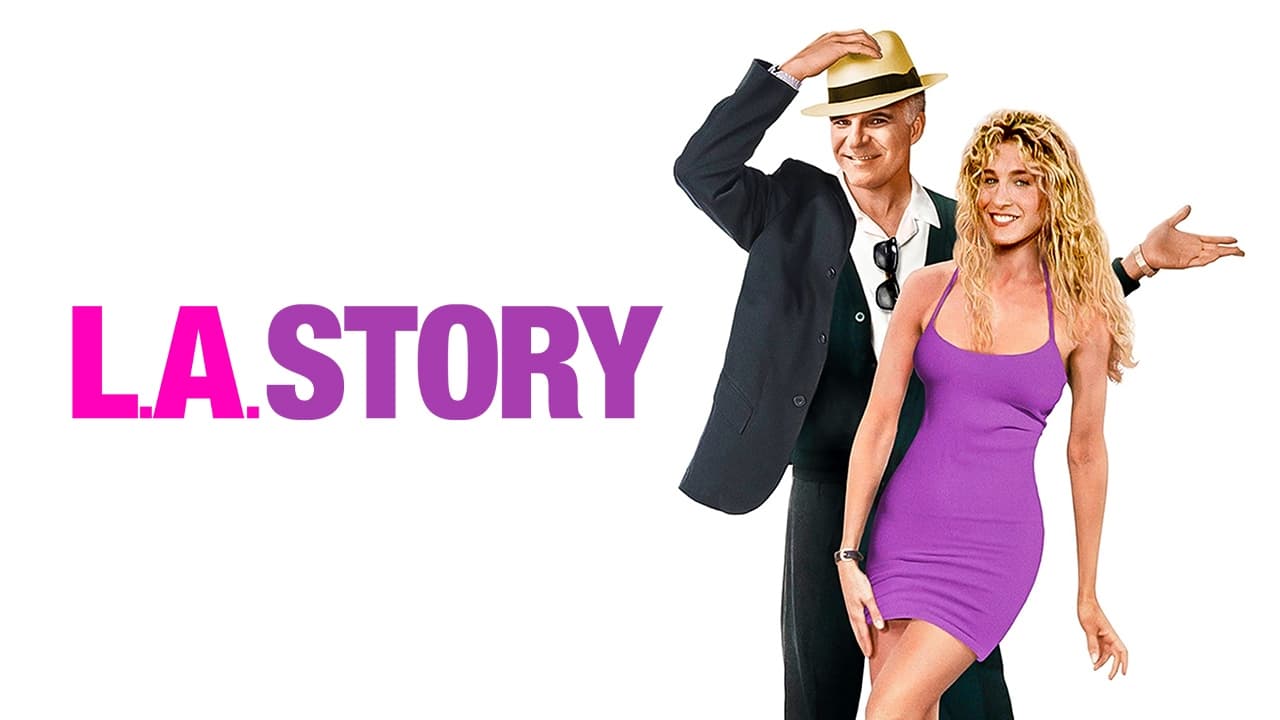
VHS Heaven Rating: 8.5/10
Justification: L.A. Story earns this high score for its sharp, hilarious script penned by Martin, its perfectly pitched performances, its unique blend of satire and genuine romance, and its utterly charming use of magical realism. The direction, cinematography, and iconic soundtrack create an unforgettable atmosphere. It loses a point or so perhaps because some of the L.A.-specific jokes might feel a touch dated now, and its episodic nature might not click with everyone, but its core charm and intelligence remain timeless.
Final Rewind: This isn't just a movie; it's a mood captured on magnetic tape – a fizzy, funny, and surprisingly touching ode to finding connection in the concrete jungle. It’s the kind of film that reminds you that sometimes, the most fantastic things happen in the most unexpected places, even on a freeway sign during your morning commute. Still magical, even with a bit of tracking fuzz.