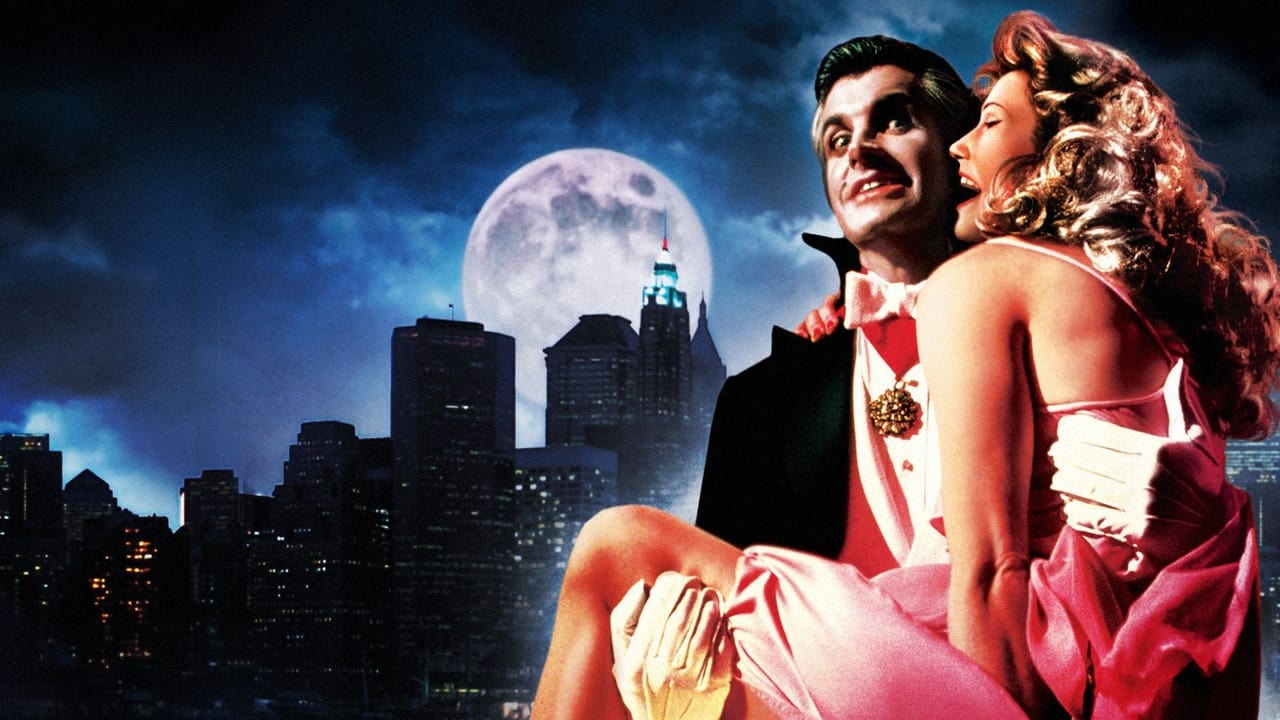
Alright, fellow tapeheads, dim the lights, maybe adjust the tracking just so, and let's rewind to a time when vampires weren't just brooding heartthrobs, they were… well, they were George Hamilton, ridiculously tanned and utterly charming. Popping the Love at First Bite cassette into the VCR always felt like uncovering a slightly goofy, glitter-dusted treasure on the rental shelf, a hilarious counterpoint to the more serious Draculas skulking in the horror section. This wasn't your Bram Stoker nightmare; this was Dracula facing his biggest fear: eviction and navigating late 70s New York City.
### From Transylvania to Times Square
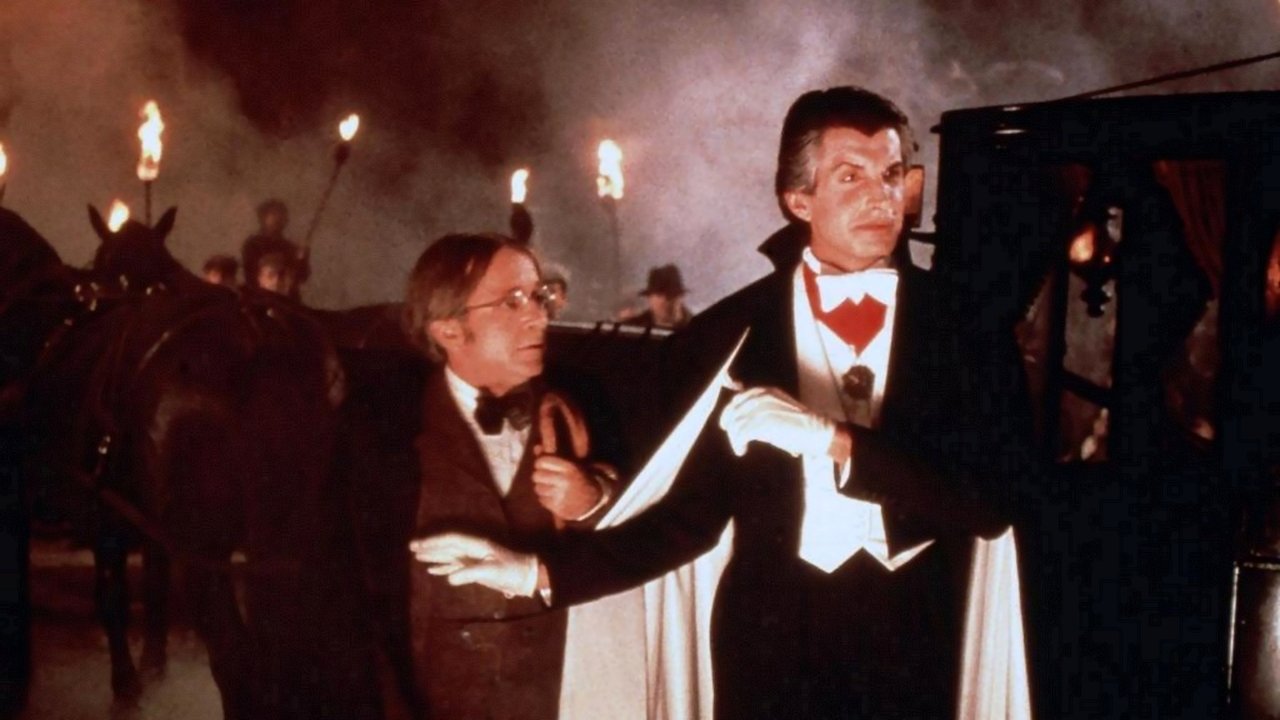
The premise alone is pure gold: Count Vladimir Dracula (George Hamilton, in a role seemingly tailor-made for his unique brand of suave absurdity) is forced out of his ancestral castle by the Romanian government, who plan to turn it into a training facility. With his faithful, fly-munching servant Renfield (Arte Johnson, channeling pure comedic oddity) in tow, he packs his coffin and heads for the Big Apple. Why? Because he's spotted fashion model Cindy Sondheim (Susan Saint James) in a magazine and believes she's the reincarnation of his true love. Forget dark forests and crumbling ruins; Dracula’s new hunting ground is the disco floor, his biggest challenges navigating taxi cabs and understanding modern relationships.
It’s impossible to talk about Love at First Bite without gushing about Hamilton. Forget the capes and shadows of Lugosi or Lee; Hamilton gives us a Count who’s sophisticated, hopelessly romantic, a bit naive about the modern world, and possesses a tan that could rival the sun itself. It's a performance that fully commits to the parody without ever winking too hard at the camera. Amazingly, this wasn't just a studio concoction; Hamilton himself reportedly conceived the idea years earlier as a way to poke fun at his own smooth, perpetually bronzed image. It took persistence, and supposedly even some of his own money upfront, to convince Hollywood this comedic Dracula could work. Boy, did it pay off – the film was a surprise smash hit, pulling in around $44 million on a meager $3 million budget (that's like making over $170 million today – talk about a return!).
### Disco Blood Suckers and Neurotic Hunters
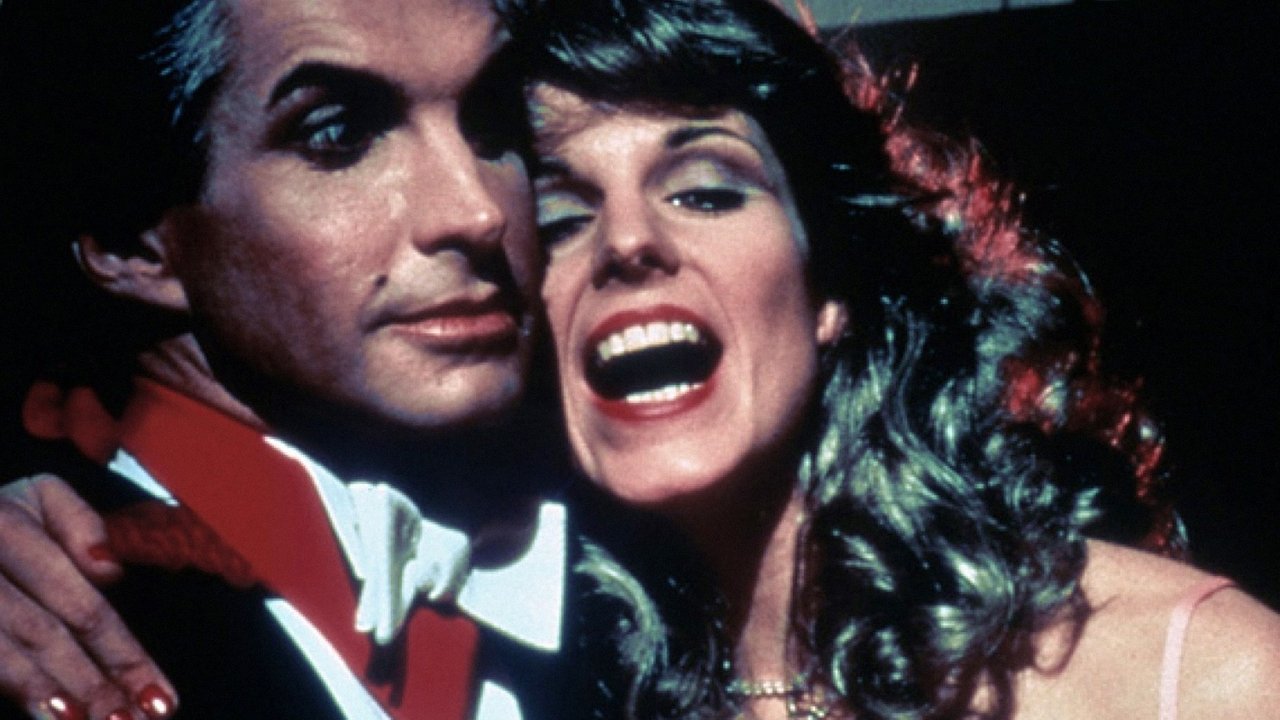
The film absolutely revels in its late-70s setting. Director Stan Dragoti (who would later give us the beloved 80s comedy Mr. Mom) leans into the disco culture, the questionable fashion, and the general urban vibe of NYC at the time. Seeing Dracula trying to navigate a packed disco, complaining about the lack of virgin blood donors ("They are all into health foods!"), or attempting bat-form flight only to crash into windows provides endless fish-out-of-water comedy. The contrast between his old-world vampiric sensibilities and the fast-paced, anything-goes attitude of 1979 New York is the movie’s comedic engine. Some of the jokes might feel a bit dusty now, sure, but the core situational humor often lands surprisingly well. Remember that scene during the blackout power failure? Pure 70s chaos meets classic horror tropes.
While Hamilton is the sun-kissed center, the supporting cast shines brightly. Susan Saint James, then a huge TV star from shows like McMillan & Wife, is perfect as the independent, slightly jaded Cindy. She’s not just a damsel; she’s a modern woman initially more bewildered than terrified by this charmingly anachronistic Count showing up at her apartment. But stealing nearly every scene he’s in is Richard Benjamin as Dr. Jeffrey Rosenberg, the grandson of Fritz Van Helsing and Cindy’s perpetually flustered psychiatrist/boyfriend. Benjamin plays Rosenberg not as a stalwart hero, but as a neurotic, bumbling mess whose attempts to vanquish Dracula (garlic pizzas, clumsy stake attempts, hypnosis mishaps) are hilariously inept. His escalating panic and rivalry with the effortlessly cool Count provide some of the film’s biggest laughs. It’s a masterclass in comedic timing from Benjamin, who was already well-established in comedy thanks to films like Goodbye, Columbus (1969).
### More Chuckles Than Chills
Let's be clear: this isn't a horror movie. Any scares are purely accidental or played entirely for laughs. The focus is squarely on romantic comedy and parody, gently ribbing the Dracula mythos rather than trying to reinvent it with fear. The script, penned by Robert Kaufman, finds humor in the mundane aspects of vampirism – Dracula complaining about airline coffin travel, Renfield trying to explain his master's dietary needs. The practical effects are… well, they're 1979 practical effects on a low budget. The bat-on-a-wire moments are charmingly clunky, adding to the film's endearing quality rather than detracting from it. It’s a reminder of a time before CGI smoothed everything out, where you could almost see the strings, and it felt perfectly okay.
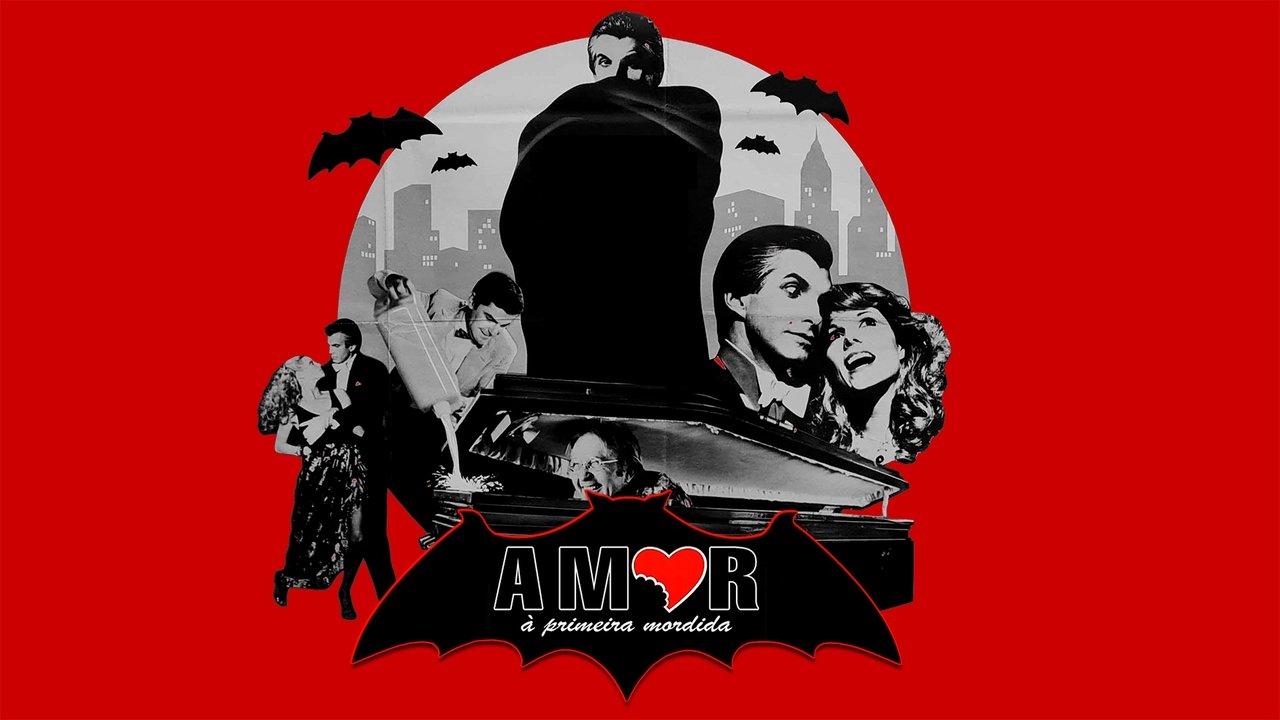
The film’s success proved audiences were ready for a lighter take on the iconic vampire. While critics were somewhat divided (some finding it silly, others charmed by its goofiness), viewers flocked to it. It became one of those movies constantly playing on cable and perpetually available on video store shelves throughout the 80s. I definitely remember seeing that distinctive VHS cover with Hamilton flashing his fangs countless times before finally renting it and discovering its delightful absurdity. It captured a specific moment – the tail end of the disco era meeting classic monster lore – in a way few other films did.
***
VHS Heaven Rating: 7/10
Justification: While some jokes haven't aged gracefully and the production values occasionally show their seams, Love at First Bite scores high on nostalgic charm, George Hamilton's perfectly pitched comedic performance, and Richard Benjamin's scene-stealing neurosis. It successfully parodies vampire tropes with genuine affection and remains a fun, lighthearted watch. The surprise box office success speaks volumes about how it connected with audiences craving laughs over screams.
Final Thought: Forget the stakes and garlic; sometimes the funniest way to deal with Dracula is with a disco beat, a killer tan, and a psychiatrist who’s more terrified than terrifying. A true gem from the era when horror could afford to laugh at itself.