Alright fellow travellers through time and tape, let's dust off a slightly different kind of gem today. While "VHS Heaven" often basks in the neon glow of 80s action or the charming pixels of early CGI, sometimes a different kind of magic slipped onto those coveted magnetic ribbons. Imagine, perhaps not from the main aisle of Blockbuster, but maybe from a specialty shop or a traded tape, finding a window into another world – not just fantasy, but the wry, brilliant landscape of late Soviet cinema. I'm talking about Mark Zakharov's 1979 masterpiece, The Very Same Munchhausen (Тот самый Мюнхгаузен), a film that uses the legendary Baron not just for tall tales, but for a profound and funny look at truth, conformity, and the power of imagination.
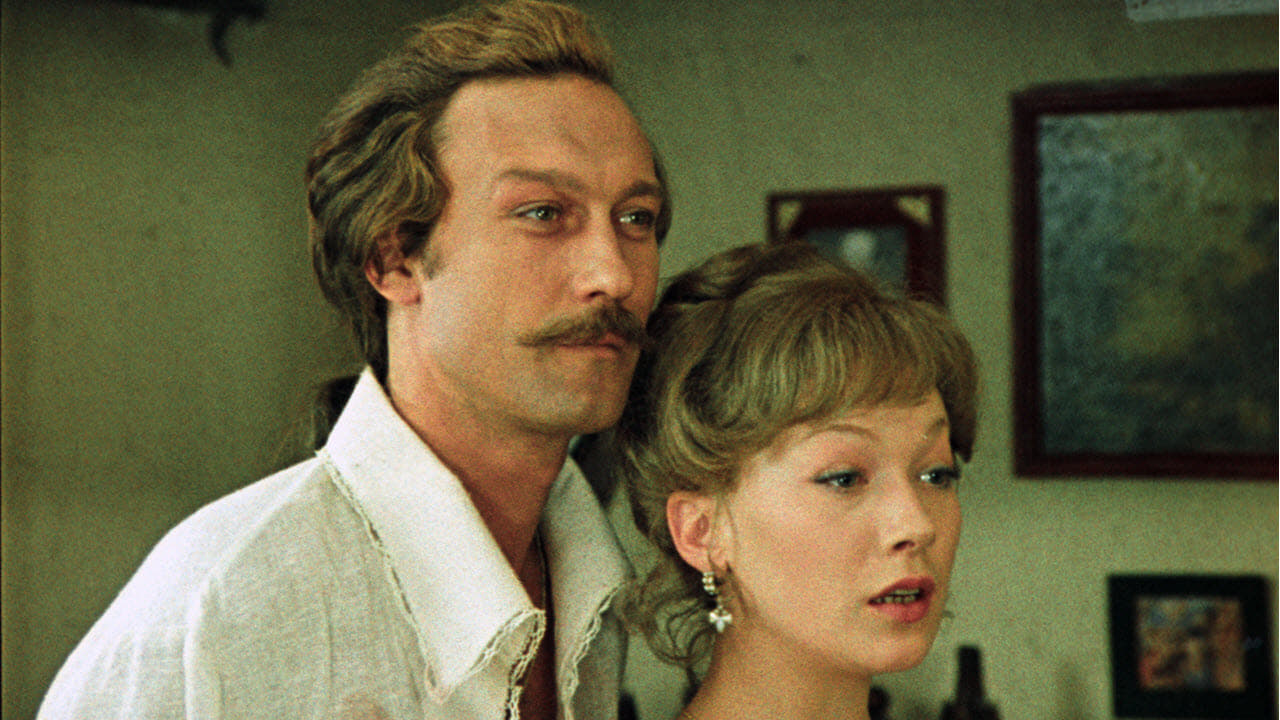
Forget the purely bombastic adventures you might associate with the name. This isn't about riding cannonballs (though the Baron does famously claim his moon trip). Penned by the razor-sharp satirist Grigori Gorin, adapting his own play, this film presents a Baron Munchhausen (Oleg Yankovskiy in a career-defining role) who has decided to do the unthinkable: settle down, live truthfully, and maybe even get officially divorced so he can marry his beloved Martha (Inna Churikova). The catch? To be accepted by society, the court, and even his estranged wife and clueless son, he must renounce everything that makes him Munchhausen. He must sign papers declaring all his fantastic stories were lies, that he is just plain, boring Baron von Münchhausen.
A Smile in the Face of Bureaucracy
What follows is less a fantastical adventure and more a brilliantly witty, deeply human comedy-drama about the crushing weight of mediocrity demanding conformity. Oleg Yankovskiy is simply magnetic. He doesn't play Munchhausen as a buffoon or a liar, but as a charming, intelligent, almost tragically honest visionary trapped in a world that fears imagination. His eyes sparkle with ideas, yet he carries the weariness of someone constantly battling the mundane. Yankovskiy, already a star known for his nuanced performances in films like The Mirror directed by Andrei Tarkovsky, finds the perfect balance of playful genius and poignant vulnerability. You believe utterly in his fantastical past, even as he's pressured to deny it.
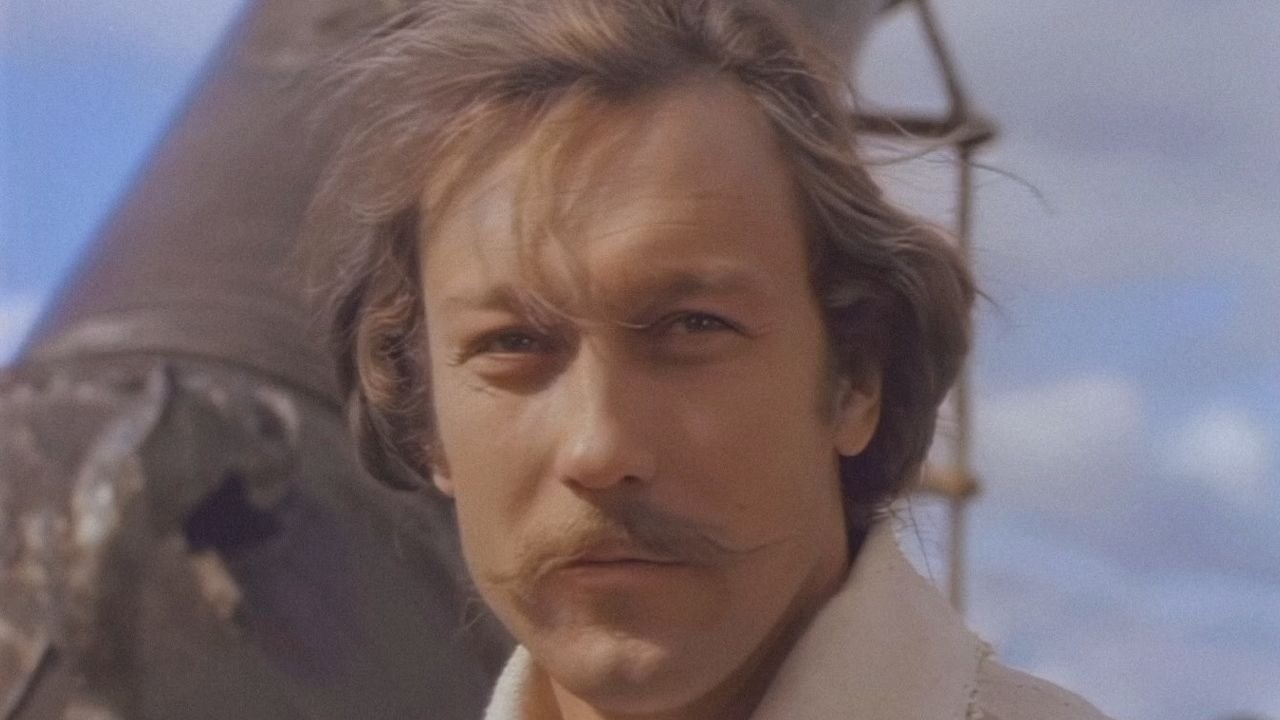
The script by Grigori Gorin is the pulsing heart of the film. It's packed with aphorisms that became instantly legendary in the Soviet Union and remain quoted constantly in Russia today. Lines like "A serious face is not yet a sign of intelligence, gentlemen. All the foolish things on Earth are done with precisely that facial expression. Smile, gentlemen, smile!" land with perfect comedic timing but carry layers of biting social commentary. This wasn't just a funny movie; for audiences living under the thumb of Soviet bureaucracy, it was a coded message championing individuality, creativity, and the simple, revolutionary act of telling the truth – your truth – even if it sounds unbelievable.
Beyond the Baron: A World of Characters
It's not just Yankovskiy's show. Inna Churikova, another titan of Russian stage and screen, is wonderful as Martha, the woman who loves the real Munchhausen, fantastic stories and all. Her warmth and unwavering belief provide the film's emotional anchor. Igor Kvasha as the Burgomaster Ramkopf perfectly embodies the petty, small-minded officialdom that Munchhausen rails against. Director Mark Zakharov, known for his stylish and often theatrical film adaptations (like An Ordinary Miracle), directs with a light touch that lets the dialogue shine, creating a world that feels both historically grounded and subtly surreal. Though made for television as a two-part film, it possesses a cinematic quality that elevates it far beyond typical TV fare of the era.

Finding specific "behind-the-scenes" tidbits for Soviet films can be trickier than for Hollywood blockbusters, but the film's enduring legacy speaks volumes. It wasn't just popular; it became a cultural touchstone. The sheer number of quotes integrated into everyday Russian language is a testament to Gorin's genius and Zakharov's masterful direction. The film reportedly faced some initial hurdles with censors who perhaps sensed the anti-establishment undertones, but its brilliance and clever framing allowed it to pass through, becoming beloved by millions. It's a testament to how art can subtly critique and inspire even within restrictive systems.
Why It Still Shines Today
Watching The Very Same Munchhausen now, maybe on a streaming service or a rare imported disc rather than a worn VHS, its themes feel remarkably timeless. Who hasn't felt pressured to conform, to dull their own sparkle to fit in? Who hasn't encountered the absurdity of bureaucratic thinking? The film reminds us that imagination isn't just for children; it's a vital force, a way of perceiving and interacting with the world that deserves defending. It’s a call to embrace the extraordinary within ourselves, even when the world demands the mundane. Its humour is sophisticated, its message profound, and its central performance utterly captivating. While maybe not a typical Friday night popcorn flick from the rental store shelf, it’s the kind of discovery that sticks with you, makes you think, and yes, makes you smile.
Rating: 9/10
This rating reflects the film's exceptional writing, Oleg Yankovskiy's iconic performance, its clever direction, and its enduring cultural impact. It's a near-perfect blend of wit, satire, and heartfelt emotion. It might lack the explosions or high-octane chases common to our usual VHS fare, but it offers a different kind of adventure – an adventure of the mind and spirit.
The Very Same Munchhausen is more than just a movie; it's a reminder that sometimes the most fantastic tales tell the deepest truths. Go on, seek out this adventure – and remember to smile!