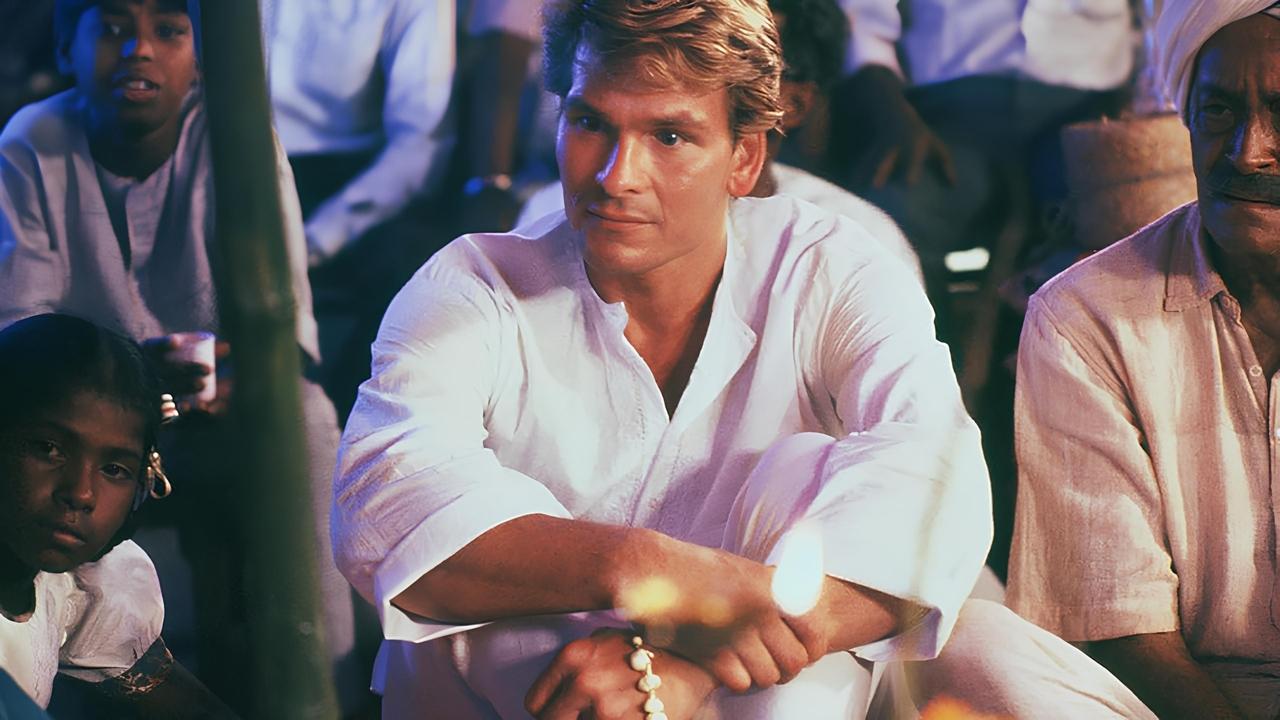
It begins with a search, doesn't it? A journey born of disillusionment. That's where we find Patrick Swayze's Dr. Max Lowe in Roland Joffé's City of Joy (1992) – adrift and seeking something nameless after a personal tragedy shakes his comfortable American life. What washes over the viewer almost immediately, however, isn't just Max's internal turmoil, but the overwhelming, sensory flood of Calcutta itself. This isn't the polished glamour many associated with Swayze after Dirty Dancing (1987) or Ghost (1990); this is something far more raw, textured, and challenging. And perhaps that initial jolt, that sense of displacement, is precisely the point.
Beyond the Neon Glow
Watching City of Joy back in the 90s, likely on a well-worn VHS tape rented from the local store, felt like a significant departure. Here was one of Hollywood's biggest heartthrobs immersing himself in a world starkly removed from the usual blockbuster fare. Roland Joffé, already renowned for his unflinching portraits of human struggle in difficult environments with The Killing Fields (1984) and The Mission (1986), wasn't interested in sanitizing the poverty or the chaos of the Calcutta slums that give the film its ironically hopeful name. Instead, he plunges us right into the thick of it, following not just the privileged outsider Max, but also Hasari Pal, a rural farmer driven to the city by drought, portrayed with profound dignity and weary resilience by the magnificent Om Puri.
The film weaves their stories together. Max, initially mugged and left with nothing, finds reluctant shelter and purpose at a makeshift clinic run by the pragmatic and warm-hearted Joan Bethel (a wonderful Pauline Collins, fresh off her Shirley Valentine (1989) success). Hasari, meanwhile, takes on the back-breaking labour of pulling a rickshaw to support his family, facing exploitation and the daily grind with a quiet determination that forms the film's emotional core. Their eventual meeting and the tentative bonds they form across vast cultural and economic divides drive the narrative.
Grit, Grace, and Authenticity
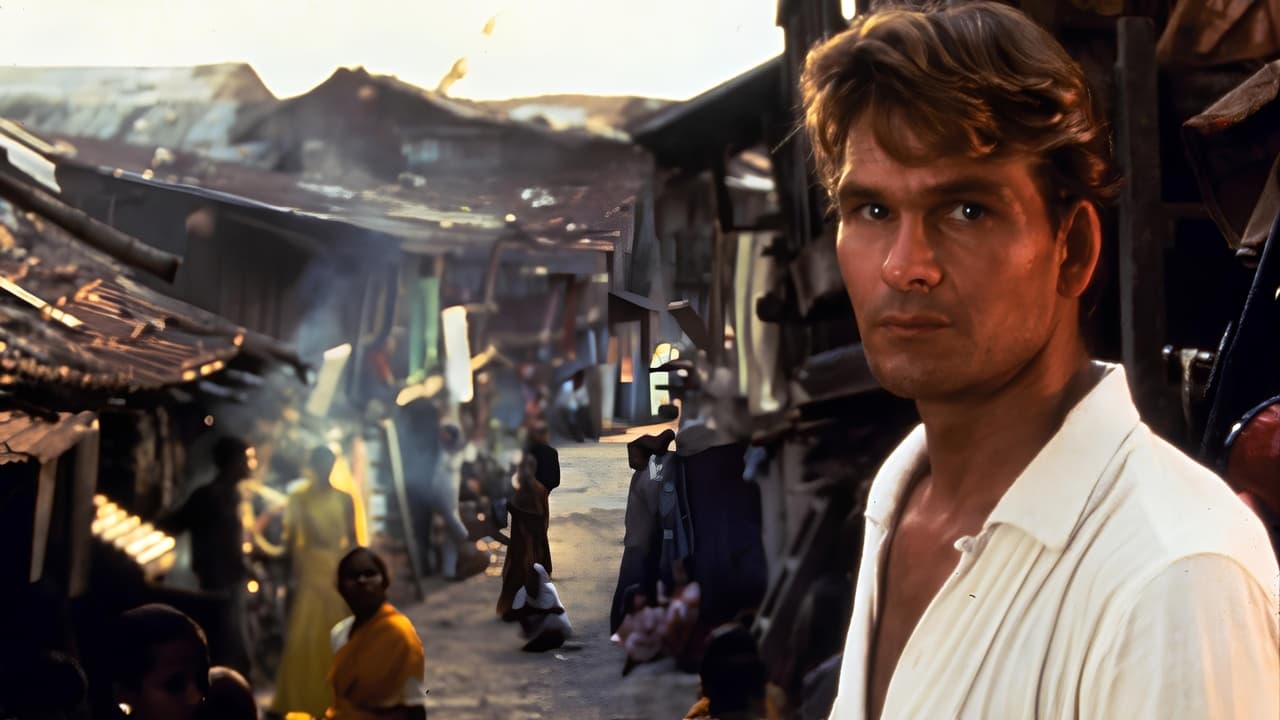
What truly resonates, even decades later, is the commitment to capturing a sense of place. Joffé and his team faced considerable challenges filming on location, navigating the complexities of shooting amidst the dense population and finding authentic settings. It’s said that the production built its own 'City of Joy' slum set adjacent to a real one after facing difficulties securing permissions, striving for a verisimilitude that largely succeeds on screen. You feel the heat, the closeness, the constant thrum of life. This isn't just a backdrop; it's a living, breathing entity that shapes the characters and their struggles.
And the performances ground the experience. Swayze deserves credit for tackling a role far removed from his established persona. While some critics at the time debated the 'white savior' undertones inherent in Max's arc (a recurring criticism for films of this nature), Swayze brings a genuine vulnerability to the character's journey from cynicism to engagement. He reportedly threw himself into the role with considerable physical commitment, even suffering broken ribs during a fight sequence – a testament, perhaps, to his desire to shed his slicker image and engage with the material authentically.
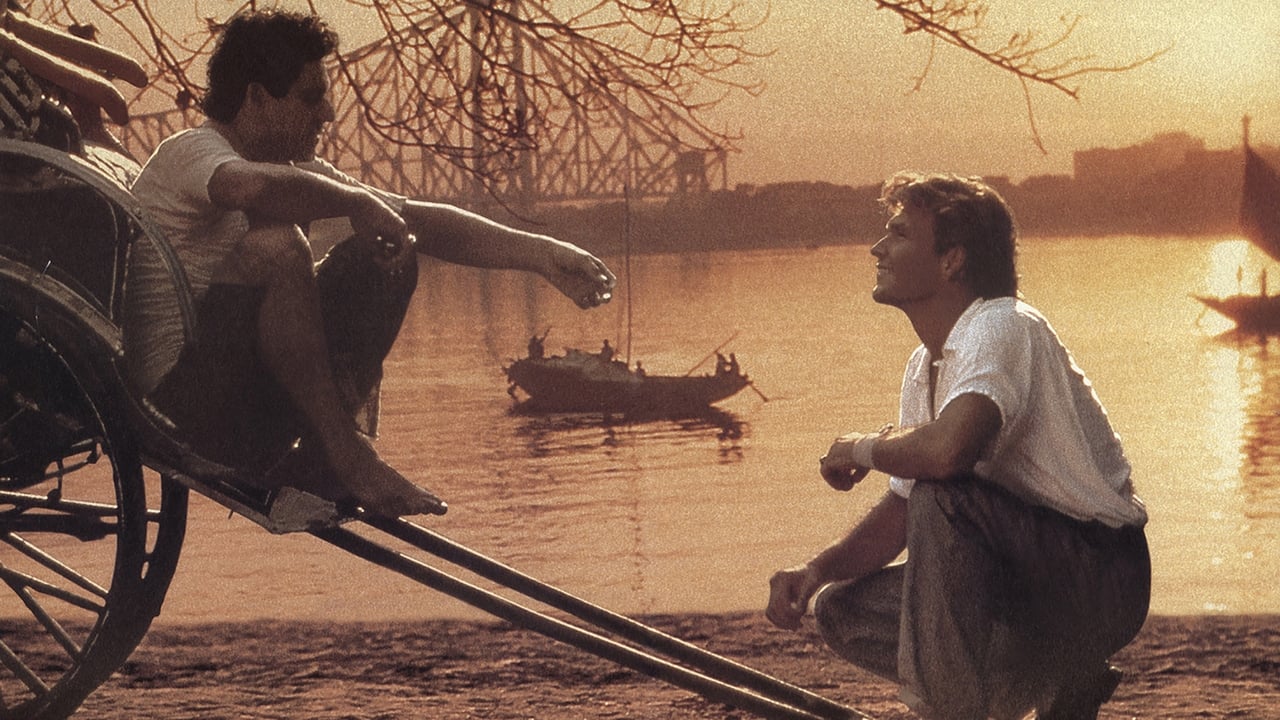

But it's Om Puri who is the undeniable soul of the film. His Hasari Pal is a masterclass in understated strength. Every glance, every gesture conveys the weight of his responsibilities and the quiet endurance required to simply survive, let alone hope. His struggle is specific and deeply human, providing a crucial counterpoint to Max's more existential crisis. Pauline Collins, as Joan, offers a vital anchor of compassion and grounded idealism, running the clinic with no-nonsense empathy.
A Story of Connection in a Sea of Hardship
Based on Dominique Lapierre's acclaimed 1985 book, the screenplay by Mark Medoff attempts to distill a complex reality into a narrative arc. It doesn't shy away from the harshness – the exploitation by local 'godfathers', the grinding poverty, the ever-present threat of illness and despair. Yet, it consistently finds moments of connection, community, and yes, joy, amidst the struggle. The film asks us to consider: where does hope truly reside? Is it in escaping hardship, or in finding solidarity within it?
It wasn't a box office smash – earning roughly $14.7 million worldwide against a reported $27 million budget, it certainly didn’t match the commercial heights of Swayze's previous hits. Perhaps its demanding subject matter and deliberate pacing were a tougher sell for mainstream audiences expecting something lighter. Yet, for those who connected with it, City of Joy offered something more substantial: a window into another world, anchored by powerful performances and a director's unwavering gaze. It prompts reflection on privilege, perspective, and the universal human drive for dignity and connection. Does Max truly 'save' anyone, or is he, in fact, the one being saved by finding purpose beyond his own pain?
Rating: 7/10
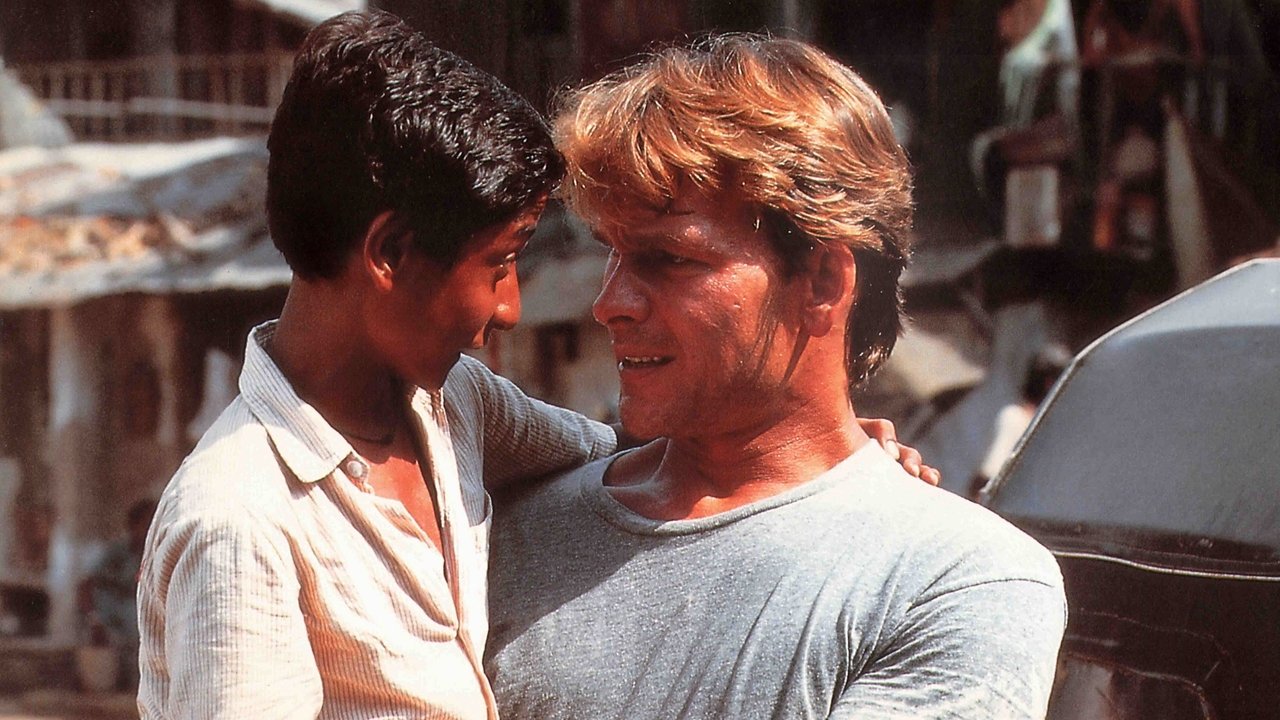
This rating reflects the film's noble intentions, powerful performances (especially from Om Puri), and its success in immersing the viewer in a challenging, specific environment. It avoids a higher score due to pacing that sometimes drags and the narrative leaning occasionally into familiar tropes regarding Westerners finding enlightenment in the 'exotic' East. However, its sincerity and the authentic emotional core provided by Puri and Collins elevate it considerably.
City of Joy might not be the first Patrick Swayze film that springs to mind from the VHS era, but revisiting it reveals a thoughtful, often moving drama that dared to look beyond Hollywood convention. It remains a potent reminder of cinema's power to transport us and, perhaps more importantly, to foster empathy across seemingly insurmountable divides. What endures most strongly isn't the spectacle, but the quiet resilience etched on Hasari Pal's face – a testament to the enduring human spirit in the face of overwhelming odds.