It's more than just a game, isn't it? Sometimes, a story transcends the box score, lodging itself deep in the cultural psyche, becoming a kind of cautionary myth. The tale of the 1919 Chicago White Sox – the infamous "Black Sox" – is precisely that. Watching John Sayles' meticulous 1988 dramatization, Eight Men Out, feels less like watching a movie and more like bearing witness. It doesn't shout its accusations; instead, it lays out the corroding circumstances, the human frailties, and the crushing consequences with a quiet, devastating gravity that lingers long after the tape clicks off.
### The Dust and the Disillusionment
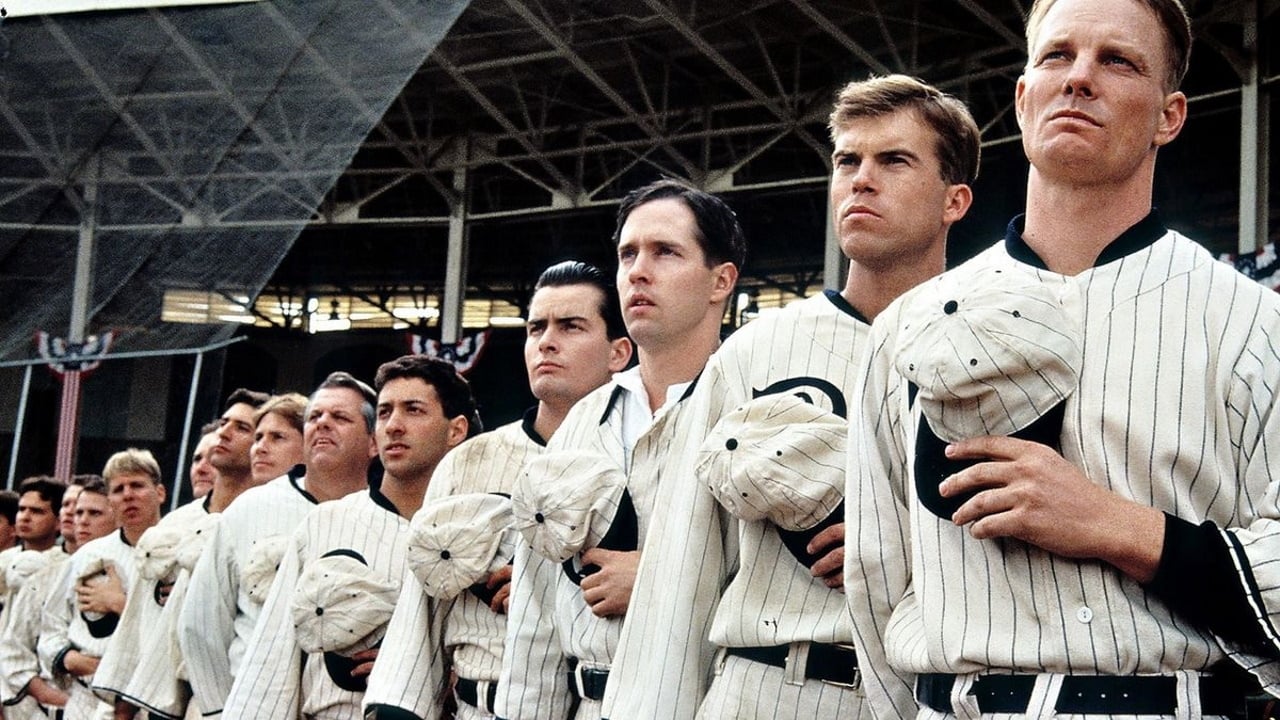
What Sayles captures so masterfully, right from the opening frames shot by a young, future legend Robert Richardson (Platoon, JFK), is the feel of 1919. It's not just the period-perfect uniforms or the lovingly recreated ballparks (Indianapolis's Bush Stadium standing in admirably); it's the atmosphere – the slightly grainy texture of life, the weight of a recent war, the stark class lines drawn between the players sweating on the field and the owners counting their receipts. Sayles, directing from his own adaptation of Eliot Asinof's definitive book, immerses us in the world of the White Sox, arguably the greatest team baseball had seen, yet notoriously underpaid by their miserly owner, Charles Comiskey (Clifton James, perfectly embodying callous indifference). This isn't just background; it's the fertile ground where resentment takes root.
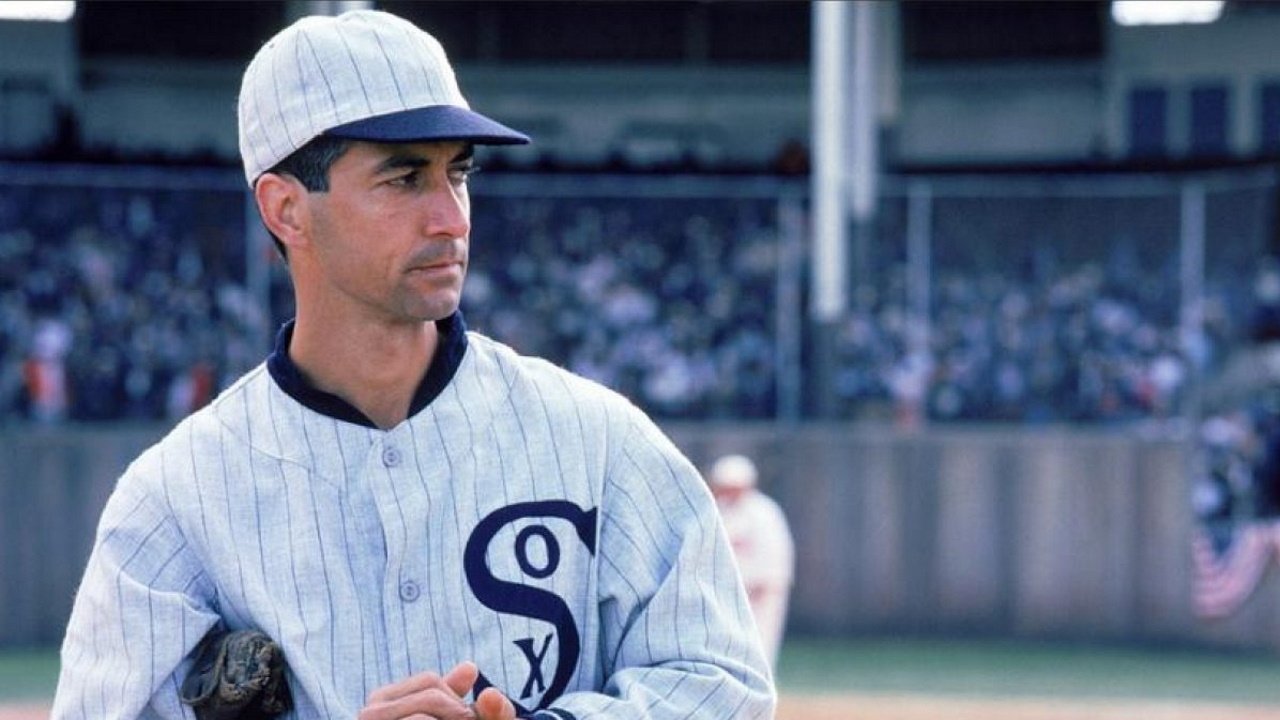
The film unfolds not as a simple morality play, but as a complex tapestry of motivations. We see the scheme hatch, driven by gambler Arnold "Chick" Gandil (Michael Rooker, radiating simmering discontent), and spreading through the team like a sickness. There's veteran pitcher Eddie Cicotte (David Strathairn, in an early, wonderfully nuanced role), promised a bonus by Comiskey for winning 30 games, only to be benched just shy of the mark – a betrayal that pushes him towards the fix. There's the legendary "Shoeless" Joe Jackson (D.B. Sweeney), depicted here as illiterate and perhaps naive, caught in currents he doesn't fully grasp. And then there's third baseman Buck Weaver, played with earnest integrity by John Cusack. Weaver knew about the fix, attended meetings, but crucially, refused any money and played his heart out in the Series. His eventual banishment alongside the guilty parties forms one of the film's central tragedies.

### An Ensemble Playing for Keeps
Sayles, known for his skill with large ensemble casts (think Matewan (1987) or later, Lone Star (1996)), gets incredible work from his actors. Part of the magic stems from a now almost mythical piece of behind-the-scenes trivia: Sayles insisted on casting actors who could genuinely play baseball. He held extensive tryouts, wanting the on-field action to look authentic, not staged. This commitment pays off beautifully; the baseball sequences feel real, grounded, adding another layer of authenticity to the drama unfolding off the field. Watching Charlie Sheen (as Hap Felsch) or D.B. Sweeney actually handle themselves convincingly adds immensely. Even Sayles himself appears, perfectly cast as the wry sports journalist Ring Lardner, observing the unfolding drama with a knowing skepticism.
The film cost around $6 million to make – a modest sum even then, especially for a period piece with a large cast. Yet, every dollar feels present on screen, a testament to Sayles' resourcefulness as an independent filmmaker. It wasn't a blockbuster smash upon release, earning back just under its budget domestically, but its reputation as a thoughtful, essential sports film – perhaps the definitive baseball movie for grown-ups – has only solidified over the years. I remember renting the tape, probably nestled between flashier action flicks, and being struck by its quiet intelligence, its refusal to offer easy answers.
### More Than Just a Baseball Movie
Eight Men Out uses the Black Sox scandal as a lens to examine timeless themes: the corrupting influence of money, the erosion of trust, the complex interplay of individual choice and systemic pressure. How much blame lies with the greedy players, and how much with the exploitative system they operated within? The film doesn't exonerate the eight men, but it humanizes them, showing them not as monstrous villains but as flawed individuals who made disastrous choices under duress, temptation, or perhaps, in some cases, sheer naiveté.
We see the gamblers (Michael Lerner unforgettable as Arnold Rothstein, the calculating financier behind the fix), the crusading journalists, and the bewildered fans, whose faith in their heroes – and in the integrity of America's pastime – is irrevocably shattered. The famous (though likely apocryphal) line, "Say it ain't so, Joe," echoes the heartbreak of a nation losing its innocence. Does any sports scandal since carry quite the same weight?
The pacing is deliberate, methodical, mirroring the slow creep of the conspiracy itself. It demands attention, rewarding the viewer with rich character detail and a deep understanding of the historical context. It’s a film that respects its audience’s intelligence, trusting us to grapple with the moral ambiguities.
---
Rating: 9/10
Eight Men Out earns this high mark through its masterful direction, superb ensemble cast, meticulous period detail, and intelligent exploration of complex themes. John Sayles crafted not just a great baseball movie, but a powerful piece of American historical drama. It avoids sensationalism, focusing instead on the human cost of corruption and the tragic collision of sport, money, and morality. It might lack the overt flash of other 80s staples, but its quiet power and thoughtful examination of a pivotal moment in American sports history make it resonate deeply, even decades later.
It leaves you pondering not just the fate of those eight men, but the very nature of integrity – in sports, in life, and in the stories we tell ourselves about our heroes. A true classic of the era, and one that rewards repeated viewings.