Okay, rewind your minds with me for a second. Picture this: it’s the early 90s, the Heisei era of Godzilla is in full swing, bringing back a sense of genuine menace and scale to the King of the Monsters. You pop that chunky VHS tape into the VCR, the tracking adjusts with a satisfying zzzz-clunk, and the Toho scope logo fills your CRT screen. What awaits you is Godzilla vs. Mechagodzilla II (1993), a movie that felt like pure, distilled giant monster mayhem poured directly onto magnetic tape. Forget the campy alien shenanigans of the 70s Mechagodzilla; this was a gleaming, government-funded weapon of mass destruction, and the clash felt seismic.

### A Sleeker, Meaner Machine
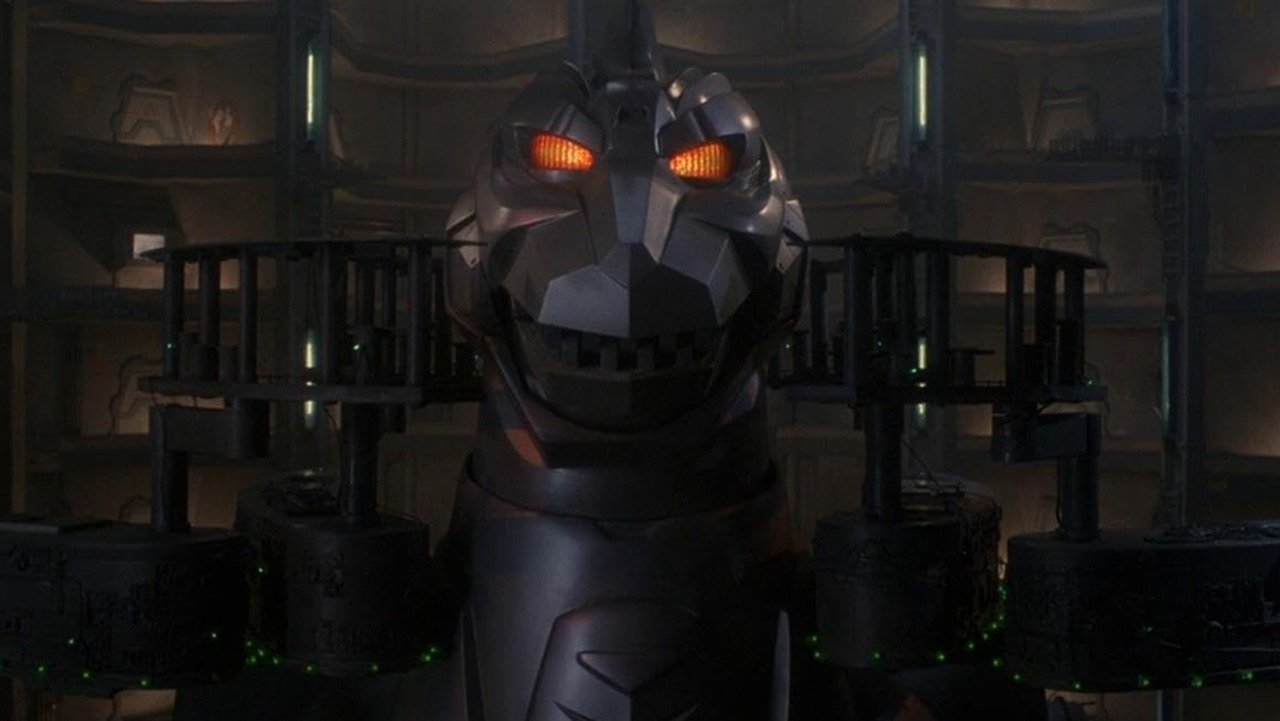
Let's be clear: the star here, alongside Big G himself, is the redesigned Mechagodzilla. Helmed by director Takao Okawara, who already proved his kaiju chops with the massive hit Godzilla vs. Mothra the previous year, this film presents Mechagodzilla not as an extraterrestrial invader, but as the pinnacle of human military engineering, constructed by the specially formed G-Force. It's a direct response to Godzilla's devastating returns, and man, did it look the part. This Mechagodzilla felt substantial, powerful, packed with weaponry that made you wince sympathetically for Godzilla. Its smoother, more formidable design was actually explained in-universe as being built using technology salvaged from the remains of Mecha-King Ghidorah from 1991's Godzilla vs. King Ghidorah – a neat bit of Heisei era continuity that rewarded dedicated fans keeping track on their tape shelf. Watching it unleash its arsenal – the Mega Buster ray, the homing Plasma Grenade that targeted Godzilla's secondary brain (yes, really!) – felt genuinely impactful thanks to the fantastic practical effects work.
### Practical Effects Powerhouse
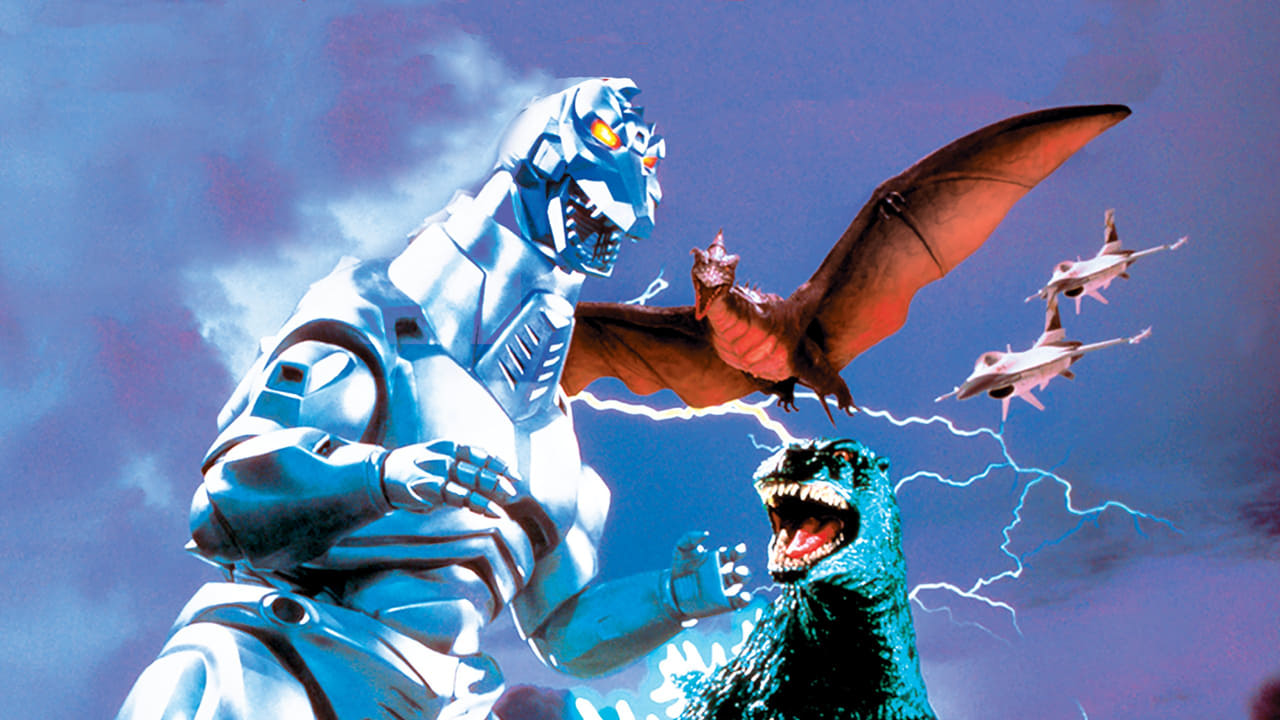
This is where Godzilla vs. Mechagodzilla II truly shines in retrospect, especially for us VHS Heaven dwellers. The sheer physicality of the action is stunning. When Mechagodzilla lets loose, you're seeing intricate pyrotechnics, sparks showering off the suits, and miniature buildings crumbling with delightful realism. Remember how real those G-Crusher anchor cables looked as they shot out to electrocute Godzilla? That wasn't conjured from a computer; that was good old-fashioned mechanical prop work combined with explosive squibs and dedicated suit performers (Kenpachiro Satsuma as Godzilla, Wataru Fukuda as Mechagodzilla) enduring seriously tough conditions. The budget, around ¥1 billion (roughly $10 million USD back then, which felt like a lot for a kaiju flick!), was clearly visible on screen in the detailed miniatures of cities like Kyoto getting absolutely pummeled. There’s a tangible weight and destructive force here that modern CGI, for all its smoothness, often struggles to replicate.
### More Than Just Metal
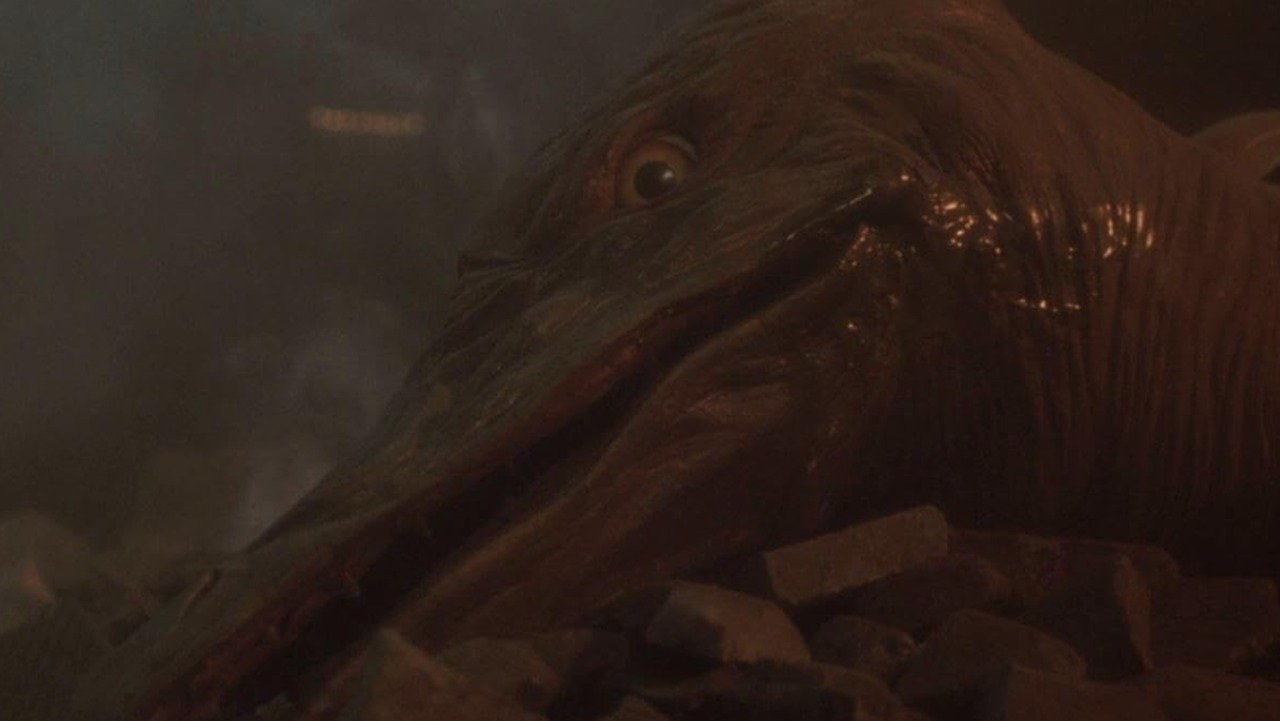
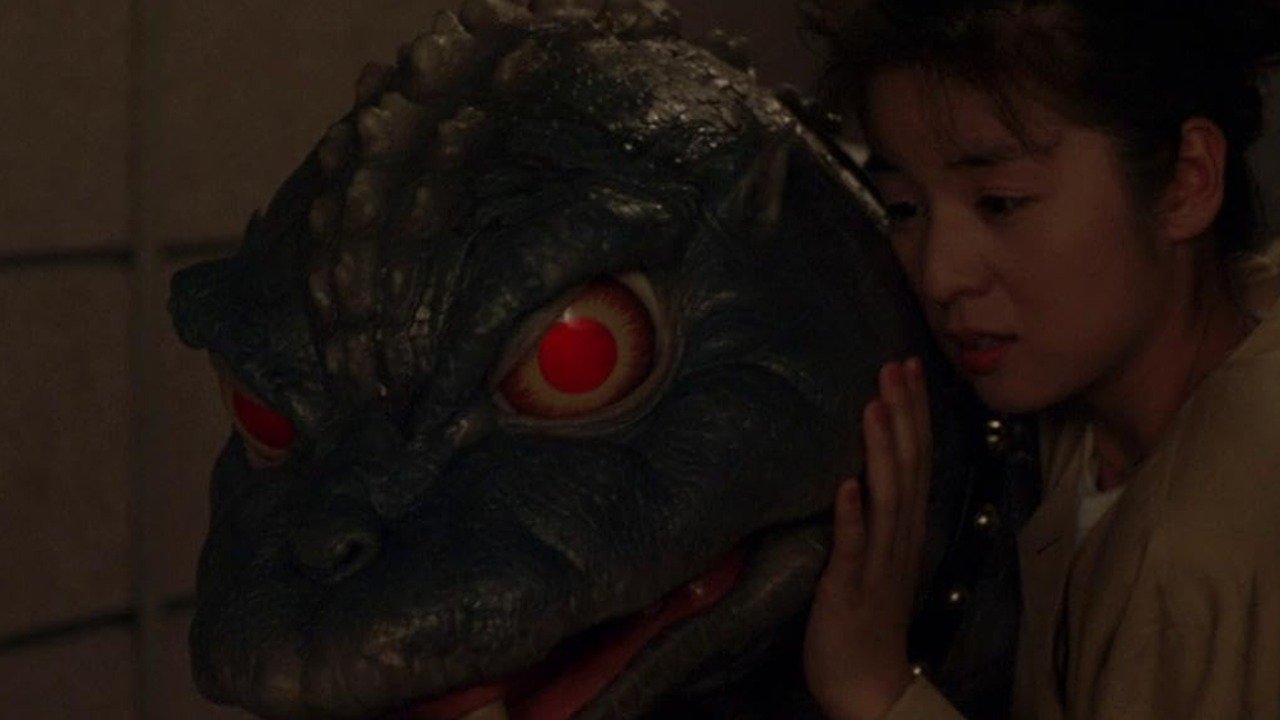
While the metallic titan gets top billing, the film skillfully reintroduces Rodan, giving him a tragic edge and some spectacular aerial combat sequences that relied heavily on complex wirework. Seeing Rodan swoop and dive, battling both Godzilla and the flying battleship Garuda (which later combines with Mechagodzilla – pure awesome!), felt dynamic and genuinely thrilling. And then there’s Baby Godzilla. Okay, maybe leaning a bit towards the 'cute' side compared to the Showa era's Minilla, Baby G served a crucial plot purpose, becoming the focal point for both monster and human conflict. His discovery on Adonoa Island leads to some engaging character moments, particularly for the paleontologist Azusa Gojo, played with earnest appeal by Ryoko Sano. We also see the welcome return of Megumi Odaka as psychic Miki Saegusa, a Heisei series staple, lending her unique connection to the kaiju world. While the human drama, featuring Masahiro Takashima as the hotshot G-Force pilot Kazuma Aoki, sometimes feels secondary to the monster clashes (as is often tradition!), it provides the necessary framework and emotional stakes.
### Sounds of Fury
You can't talk about a Heisei Godzilla film without mentioning the score, and here the legendary Akira Ifukube returns, weaving his iconic themes for Godzilla and, thrillingly, Rodan, into the action. Hearing those familiar, bombastic orchestral cues kick in as the monsters charge into battle adds immeasurably to the excitement. It’s pure cinematic comfort food for kaiju fans, linking this modern (for the 90s!) spectacle directly back to the genre's roots. The film was a solid performer in Japan, continuing the Heisei series' box office success and proving audiences were hungry for this blend of serious stakes and spectacular destruction. Interestingly, the "II" in the international title was added simply to avoid confusion with the original 1974 Godzilla vs. Mechagodzilla, despite this being a completely new take on the concept.
### The Final Tally
Godzilla vs. Mechagodzilla II might not be the most complex or narratively ambitious entry in the long-running franchise, but it delivers exactly what it promises: titanic clashes rendered with incredible practical effects artistry. The designs are top-notch, the action sequences are frequent and destructive, and the presence of Rodan and Baby Godzilla adds welcome variety. It perfectly captures that specific early 90s flavor of kaiju filmmaking – serious intent mixed with spectacular, explosive fun.
Rating: 8/10 - This score reflects the film's phenomenal practical effects work, the awesome redesign of Mechagodzilla, the thrilling monster battles, and the sheer nostalgic joy of peak Heisei-era kaiju action. It delivers exactly the kind of spectacle fans craved, even if the human plot is somewhat standard G-Force fare.
It’s a prime example of that late-stage practical effects magic – a glorious symphony of sparks, miniatures, and monster suits duking it out before pixels took over the world. Still an absolute blast to watch today, especially if you miss feeling the thud when giants collide.