Alright fellow tapeheads, slide that well-worn copy of Godzilla vs. SpaceGodzilla into the VCR, ignore the slightly wobbly tracking for a second, and let's talk about one of the more… cosmically ambitious entries in Godzilla's Heisei era. Released in 1994, this wasn't just another monster mash-up; this was Toho throwing G-cells, black holes, crystalline structures, and psychic powers into a blender and hitting ‘pulverize’. The result? Pure, unadulterated 90s kaiju madness that felt like a sugar rush after finding the coolest tape cover in the video store.
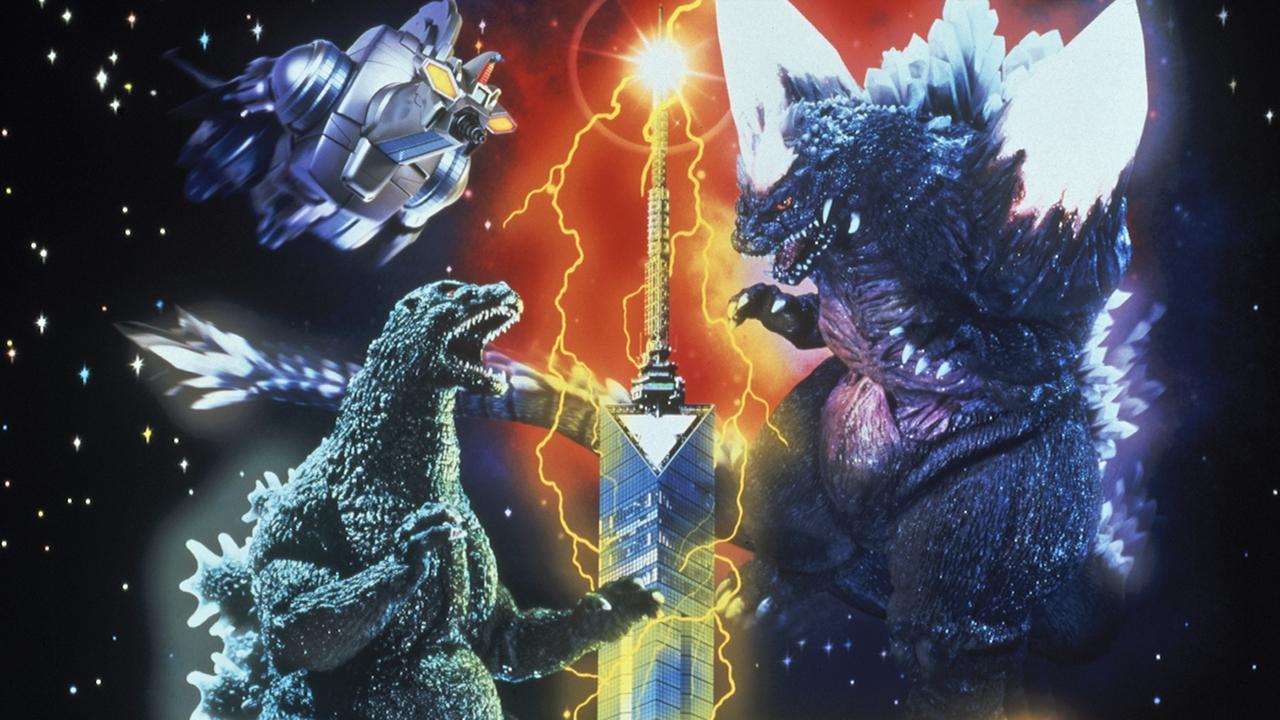
### Enter the Crystal Tyrant
Forget subtle introductions. Godzilla vs. SpaceGodzilla slams its central concept onto the screen with the subtlety of, well, Godzilla stomping through a city. SpaceGodzilla itself is a triumph of menacing design – bigger, meaner, adorned with massive shoulder crystals and sporting a malevolent energy that felt genuinely new. Remember seeing that creature glide through space, those crystals glinting? It was a wild departure, hinting at cosmic horrors far beyond earthly mutations. The prevailing theory, woven into the film, suggests its origin involves Godzilla's cells (maybe Biollante's, maybe Mothra's – the lore gets enjoyably fuzzy) being sucked into a black hole, mutated, and spat back out. It’s gloriously outlandish science fiction, the kind the Heisei era embraced with open arms.
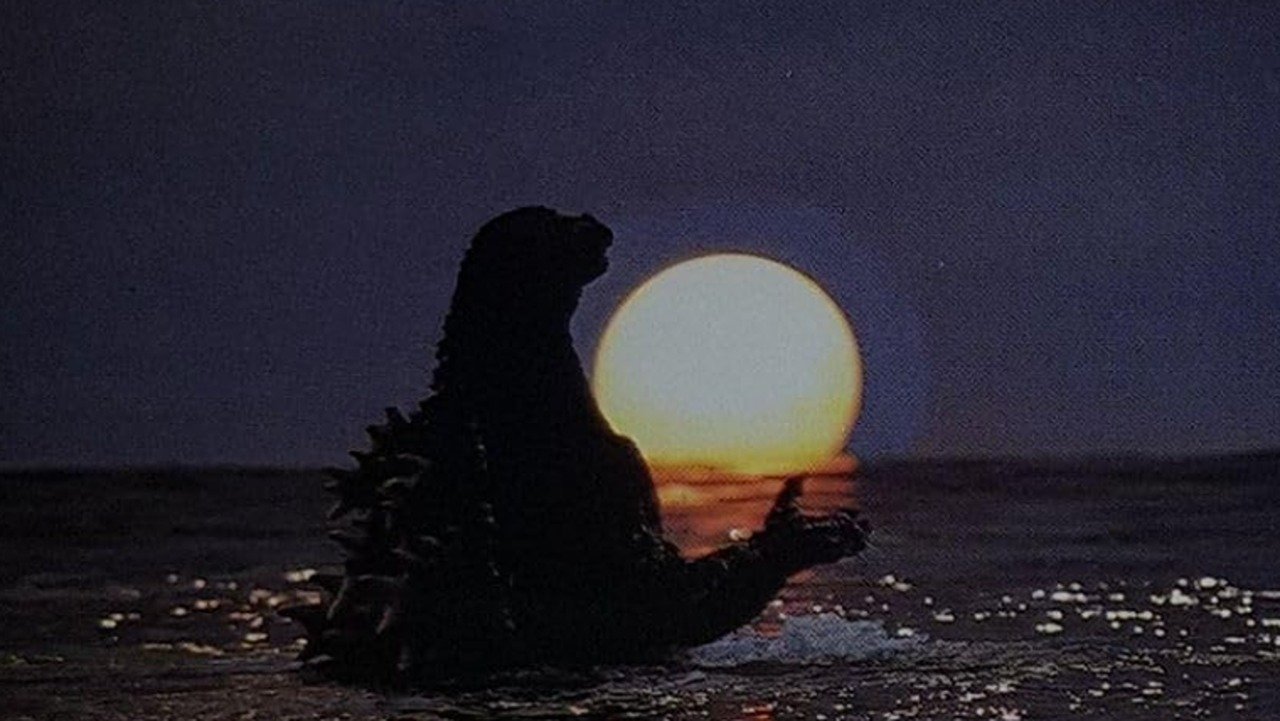
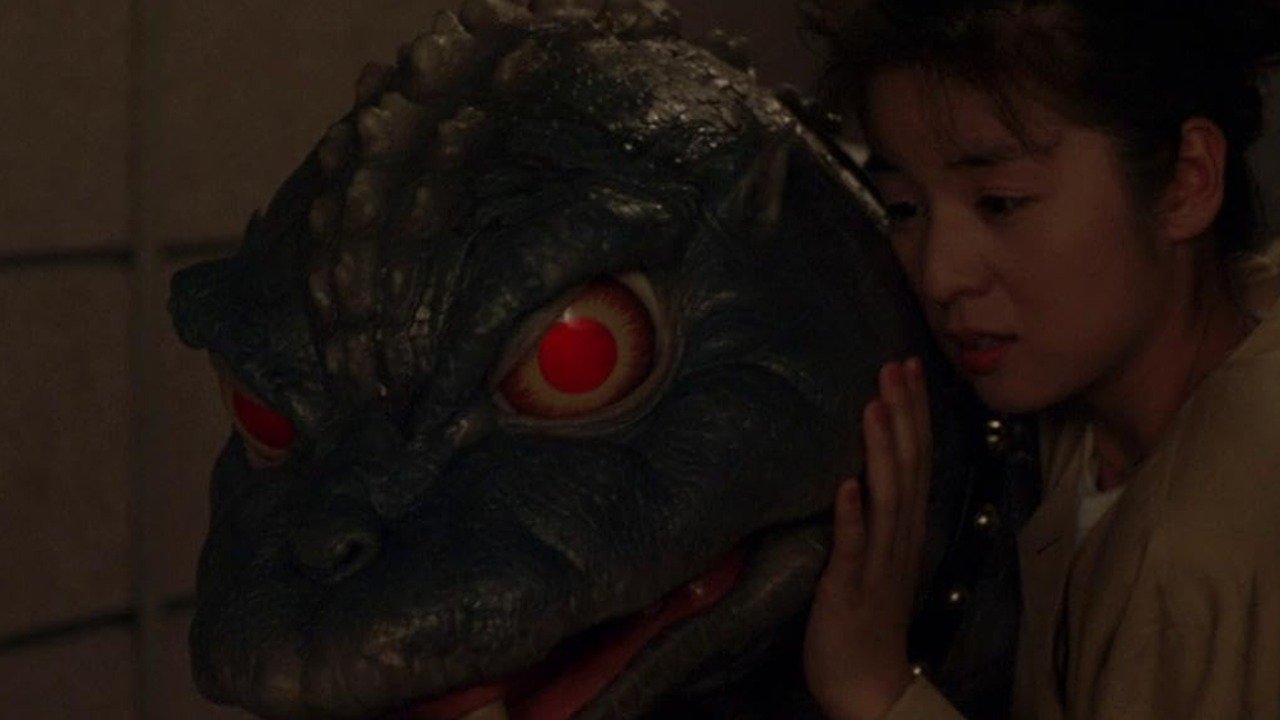
The film brings back Megumi Odaka as the psychic Miki Saegusa, now a veteran presence tying the human element (sometimes loosely) to the titanic struggles. Her connection to Godzilla, and later Little Godzilla, forms the emotional core amidst the city-leveling chaos. It’s worth noting Odaka holds the record for appearing in the most consecutive Godzilla films (six!), becoming a fan favourite and a crucial anchor for the series during this period. She’s joined by Project T leads Koji Shinjo (Jun Hashizume) and Kiyoshi Sato (Zenkichi Yoneyama), earnest heroes trying to figure out how to control Godzilla or combat the new crystalline threat.
### M.O.G.U.E.R.A. Joins the Fray!
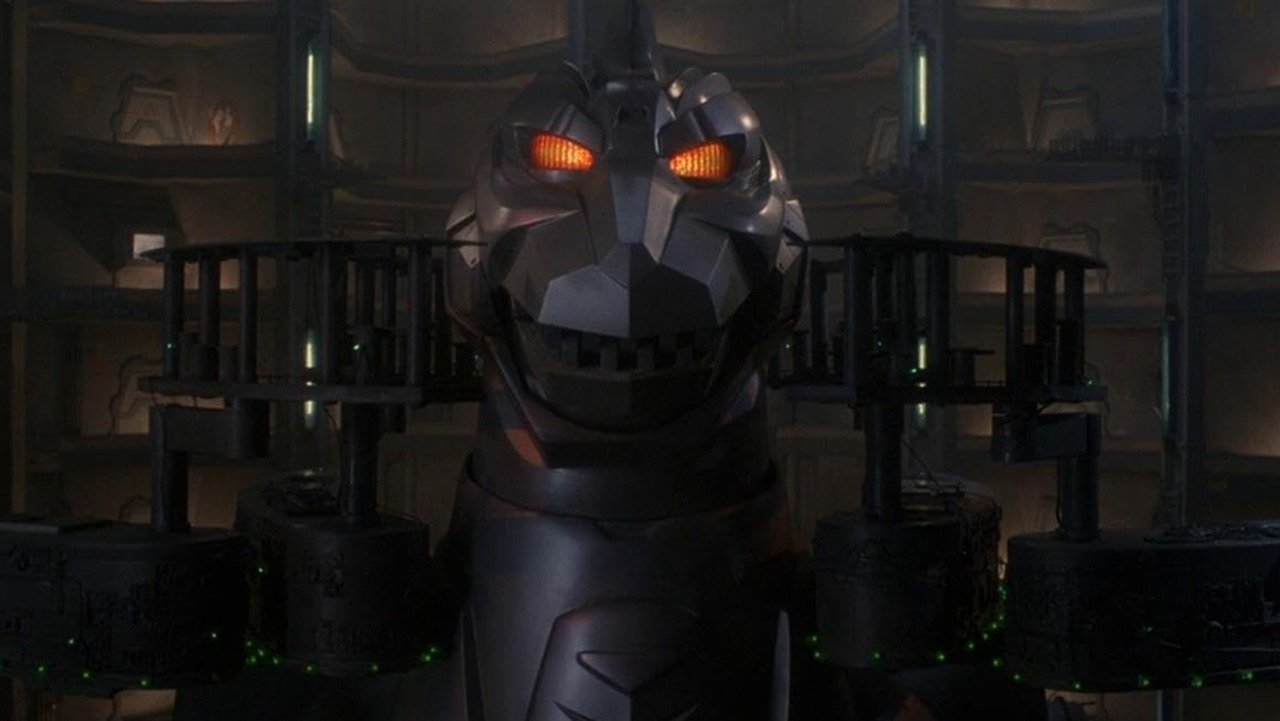
Just when you think it's only Godzilla versus his cosmic clone, the film throws another metallic titan into the mix: M.O.G.U.E.R.A. (Mobile Operation Godzilla Universal Expert Robot Aero-type). Now this was a deep cut for long-time Toho fans! M.O.G.U.E.R.A. was a clever recycling of a robot design from the 1957 sci-fi classic The Mysterians. Seeing it updated with 90s tech – spiral grenade missiles, plasma maser cannons, and that awesome ability to split into the Land Moguera tank and the Star Falcon jet – felt like a blast from the past meeting the then-present. The practical realization of this transforming mech, using miniatures and clever editing, was pure VHS-era gold. It wasn't seamless like today's CGI, but it had weight and presence.
This film marked the directorial debut in the franchise for Kensho Yamashita, who had previously worked as an assistant director under the legendary Ishirō Honda. While perhaps not possessing the same focused intensity as Kazuki Ōmori's earlier Heisei entries (Godzilla vs. Biollante (1989), Godzilla vs. King Ghidorah (1991)), Yamashita certainly understood the spectacle required. He lets the monsters dominate the screen, especially during the film's sprawling climax.
### Fukuoka Face-Off: Practical Effects Extravaganza
The heart of Godzilla vs. SpaceGodzilla beats loudest during the final battle set amidst the meticulously crafted miniatures of Fukuoka. Forget sterile green screens; this was about tangible destruction. Seeing SpaceGodzilla erect his crystal fortress around Fukuoka Tower, drawing energy from the earth, felt incredibly imposing. And when Godzilla arrives, flanked by M.O.G.U.E.R.A., the ensuing throwdown is a masterclass in Heisei-era suitmation and pyrotechnics.
Inside the suits, the legendary Kenpachiro Satsuma (Godzilla) and Ryo Hariya (SpaceGodzilla) endured immense heat and weight to bring these creatures to life. You can almost feel the kinetic energy as they crash through buildings, unleashing beams and physical blows. Those explosions weren't digital puffs; they were real fireballs erupting around the suits and sets, adding a layer of visceral danger that modern effects sometimes lack. Remember how impactful those beam clashes looked, bathing the miniature cityscapes in unearthly light? SpaceGodzilla’s corona beam slicing through structures, Godzilla’s atomic breath meeting it head-on – pure eye candy for any kaiju fan glued to their CRT TV late at night. The detail in the Fukuoka miniature set, especially its destruction, is genuinely impressive work by Toho’s special effects department under Koichi Kawakita.
Of course, not everything lands perfectly. The subplot involving Little Godzilla (or Baby Godzilla evolved) and his kidnapping by the Yakuza feels a bit shoehorned in. And let's be honest, Little Godzilla's design here leaned heavily towards the... cuddly? His almost plushie-like appearance was certainly a choice, a far cry from the more reptilian Minilla of the Showa era or the fiercer Godzilla Junior he'd become in the next film. It provides some lighter moments, but arguably detracts from the sheer menace of SpaceGodzilla.
### Cosmic Ambition, Earthly Execution
Godzilla vs. SpaceGodzilla arrived during Toho's reliable annual Godzilla release schedule in the 90s. It performed respectably at the Japanese box office, pulling in around ¥1.65 billion (roughly $16 million USD back then) against a budget of about ¥1 billion, ensuring the Big G's continued reign. Critics were somewhat mixed, often praising the villain design and action but finding the human plot convoluted. Today, it sits comfortably as a middle-tier Heisei entry for many fans – not quite the high points of Biollante or Destoroyah, but leagues above some of the weaker Showa entries. The score by Takayuki Hattori effectively captures the cosmic dread and heroic moments, though it lacks the iconic punch of Akira Ifukube's legendary themes, which are noticeably sparser here.
Rating: 6.5 / 10
Why this score? Godzilla vs. SpaceGodzilla earns points for its fantastic villain design, the glorious return of M.O.G.U.E.R.A., and a spectacular, effects-heavy final battle showcasing peak Heisei-era suitmation and miniature work. However, it's hampered by a somewhat meandering human plot, pacing issues, and the divisive, overly cute Little Godzilla design. It’s ambitious and often visually stunning, but lacks the narrative tightness of the series' best.
Final Thought: This flick is pure 90s Toho ambition poured onto tape – a cosmic-crystal-clone concept battling a transforming retro robot and Godzilla, realized with passionate practical effects. It might be uneven, but grab some popcorn, embrace the weirdness, and enjoy the beautiful, tangible chaos of a pre-CGI monster mash. It's a perfect slice of how wonderfully strange and spectacular kaiju films could be back in the VHS heaven days.