Okay, settle in, grab a cup of tea (or maybe something stronger if the mood strikes), and let's talk about a film that felt like a shimmering, perhaps slightly perplexing, jewel amongst the action flicks and grunge-era comedies lining the shelves back in '93: Bernardo Bertolucci's Little Buddha. This wasn't your typical Friday night rental, was it? It arrived with the pedigree of Bertolucci's recent triumph, The Last Emperor (1987), promising another visually stunning journey into Eastern culture, but this time through a most unexpected lens.
Worlds Collide: Seattle Meets Siddhartha
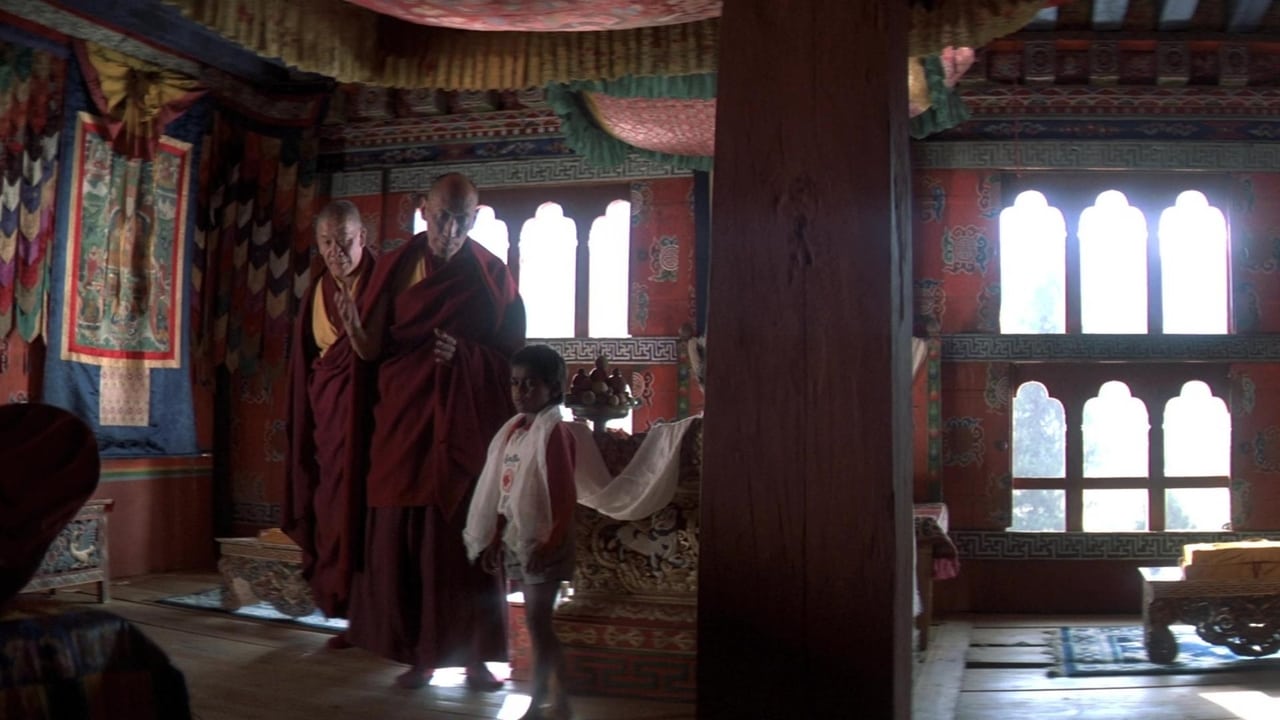
The film presents us with a fascinating premise, one that immediately sets it apart. Imagine this: serene, maroon-robed Tibetan monks, led by the gentle Lama Norbu (Ying Ruocheng, reprising a thoughtful presence after The Last Emperor), arrive in modern-day Seattle. Their quest? To find the reincarnation of a great Buddhist teacher. Their search leads them to a small boy, Jesse Conrad (Alex Wiesendanger), living a typical American childhood with his architect father Dean (Chris Isaak) and teacher mother Lisa (Bridget Fonda). The initial culture clash is palpable, handled with a gentle touch rather than broad comedy. Fonda, a ubiquitous face in 90s cinema with films like Single White Female (1992) and later Jackie Brown (1997), grounds the extraordinary situation with a relatable maternal concern and skepticism. Isaak, known more for his hauntingly romantic music ("Wicked Game" was inescapable back then!), brings a quiet bewilderment to the role of the father grappling with the possibility that his son might be... well, more than just his son. Their journey from disbelief to tentative acceptance forms the emotional core of the contemporary storyline.
A Visual Feast, An Unexpected Prince
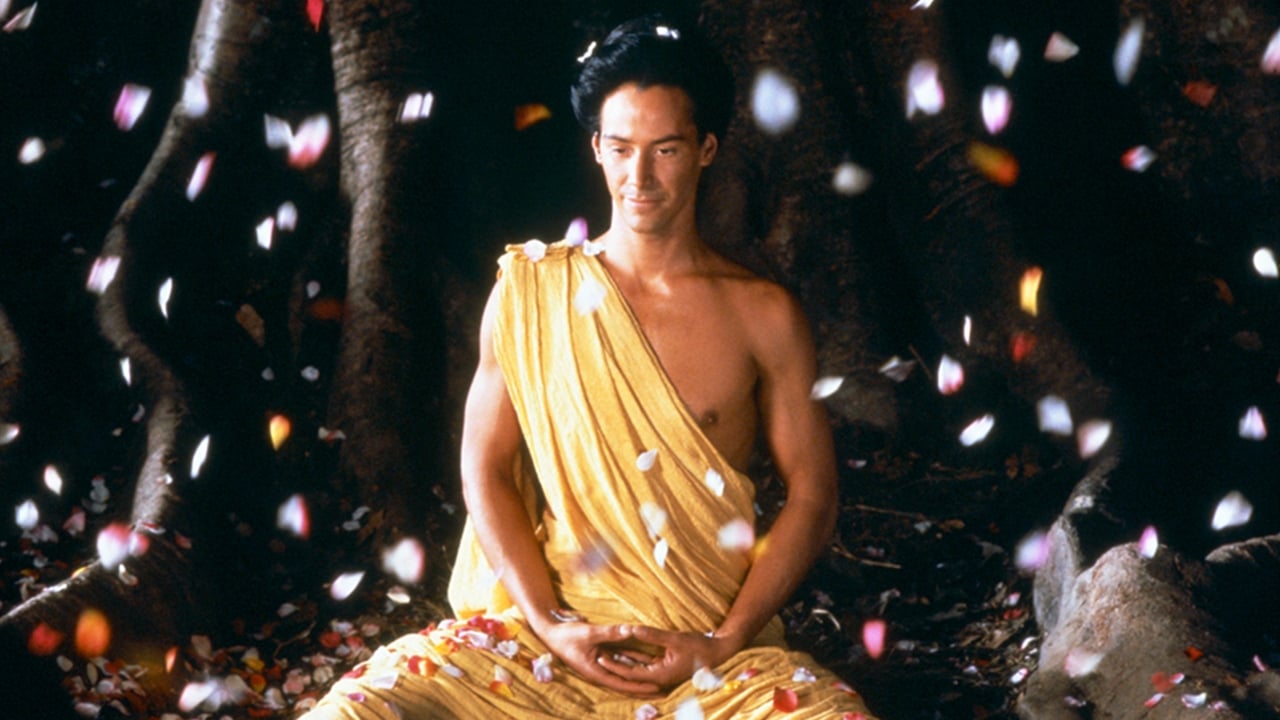
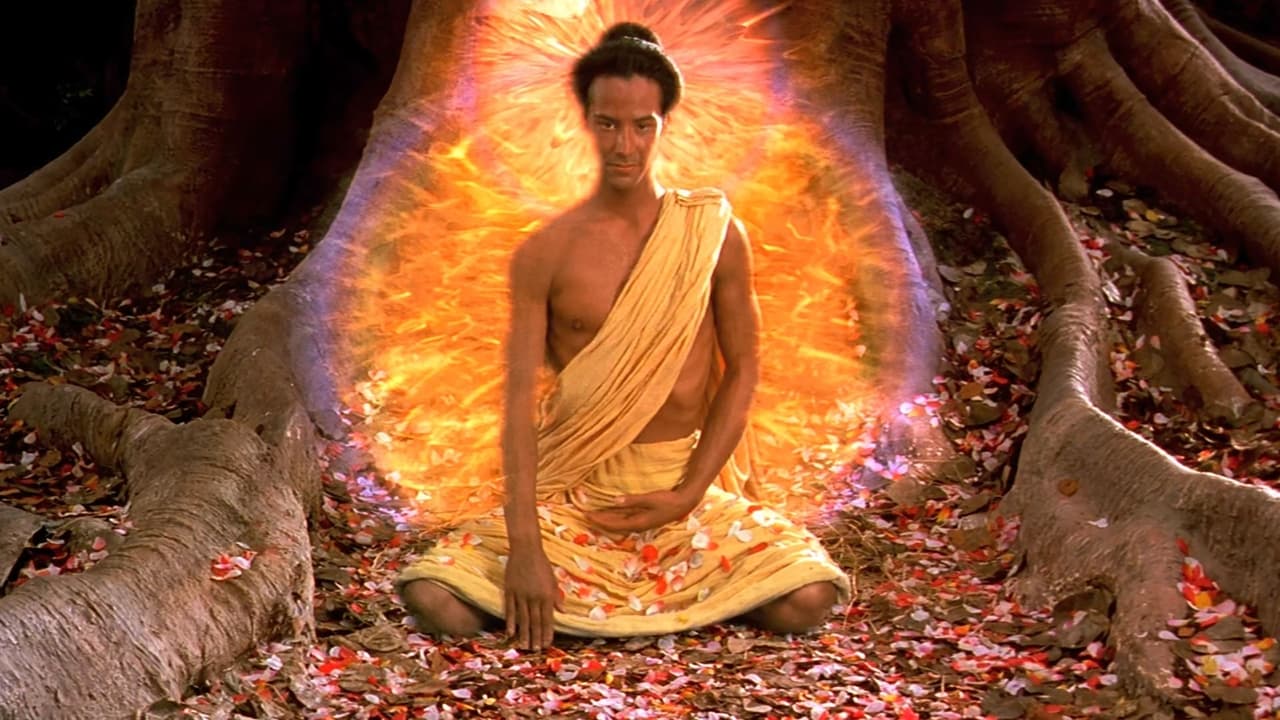
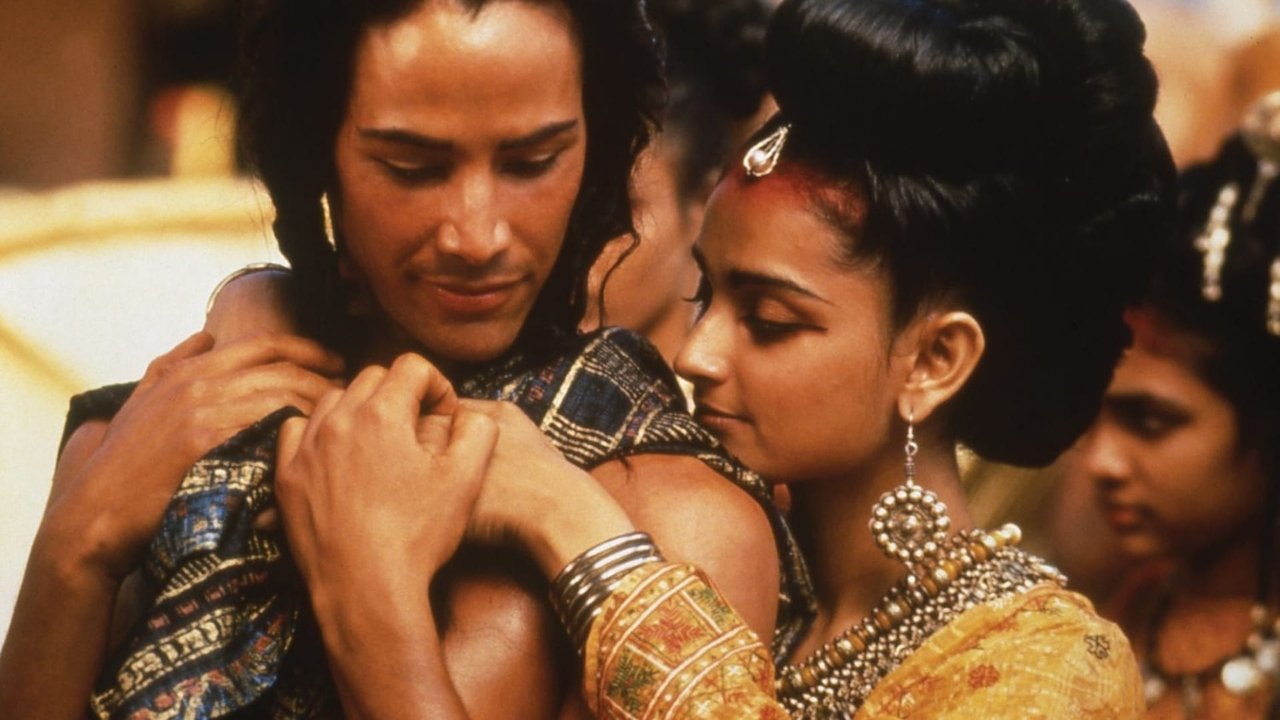
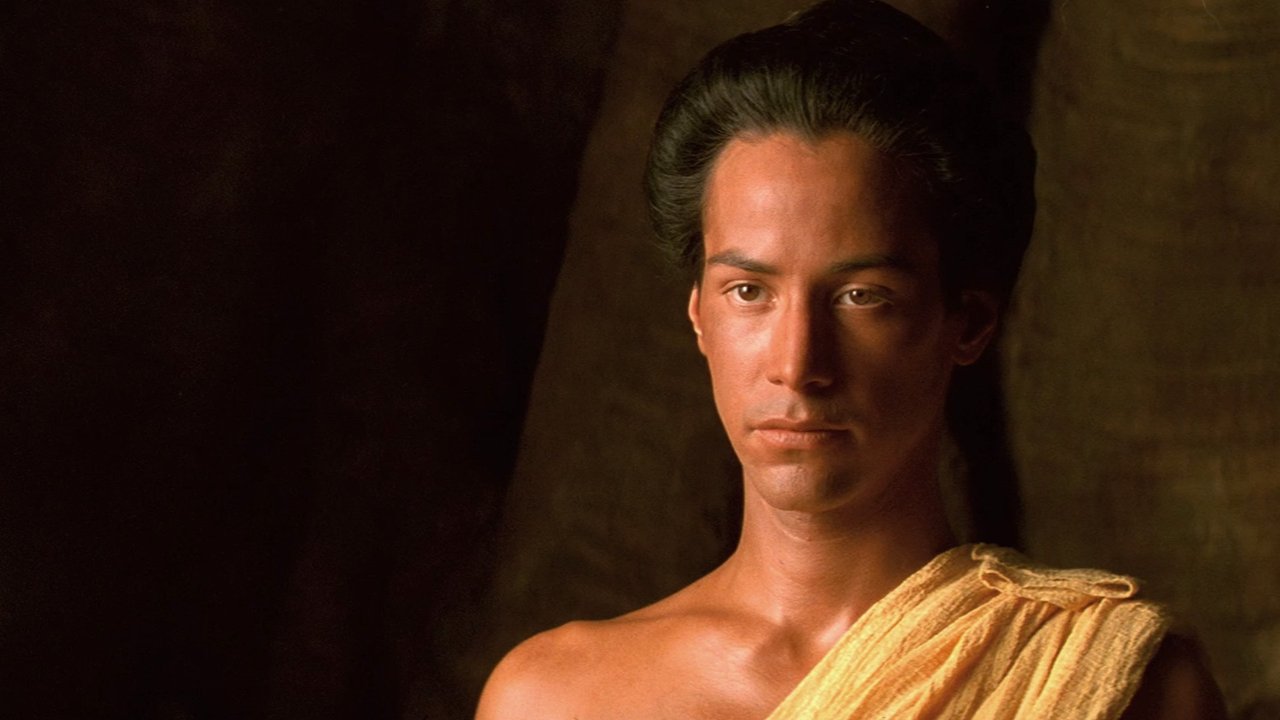
Interwoven with the Seattle narrative is the story of Prince Siddhartha Gautama, the man who would become the Buddha. And here’s where the film truly leans into spectacle, and perhaps courted the most discussion back in the day. Playing Siddhartha is none other than Keanu Reeves. Yes, that Keanu Reeves – fresh off Point Break (1991) and Bill & Ted's Bogus Journey (1991), and just before he'd hit superstardom with Speed (1994). It felt like a gamble, casting an actor known for "Whoa!" as the serene founder of a major world religion. Does it work? Honestly, it's a mixed bag, yet Reeves brings a surprising earnestness and physical presence to the role. There’s a sincerity in his portrayal, even if it sometimes feels slightly out of depth amidst the film’s loftier ambitions. What unquestionably works are these historical segments. Bertolucci reunited with legendary cinematographer Vittorio Storaro, and the result is breathtaking. The colours pop with an almost dreamlike intensity – the vibrant oranges, deep blues, and shimmering golds. Storaro, whose lens captured the hellish beauty of Apocalypse Now (1979) and the Imperial grandeur of The Last Emperor, paints Siddhartha’s journey – from sheltered prince discovering suffering to enlightened sage – with unforgettable visual poetry. Bertolucci gained rare permission to film in Bhutan, adding incredible authenticity to these sequences. You can feel the weight of history and myth in those landscapes.
Retro Fun Facts: Behind the Robes
Making a film like Little Buddha was no small feat in the early 90s. The reported budget hovered around $35 million, a substantial sum for a film leaning more towards spiritual exploration than blockbuster action. Its box office was modest, perhaps reflecting its niche appeal. Bertolucci, keen on authenticity, deeply consulted with Buddhist scholars. Notably, Dzongsar Jamyang Khyentse Rinpoche, a respected lama, served as a consultant and even appears on screen – he later became an acclaimed filmmaker himself (The Cup, Travellers and Magicians). This dedication prevented the film from feeling merely like cultural tourism. The score, by Ryuichi Sakamoto (another collaborator from The Last Emperor, for which he shared the Best Original Score Oscar with David Byrne and Cong Su), adds immeasurably to the film's meditative and often ethereal atmosphere. It’s one of those scores that perfectly complements the visuals, enhancing the sense of wonder and introspection.
Weaving the Threads: Does It All Connect?
The film's central challenge lies in balancing these two disparate narratives. Does Jesse’s story in Seattle truly illuminate Siddhartha’s journey, and vice versa? Bertolucci attempts to draw parallels – the quest for meaning, the confrontation with life's difficult truths (suffering, impermanence). Sometimes the transitions feel seamless, other times a little abrupt. The pacing is deliberately unhurried, meditative, which might have tested the patience of audiences accustomed to faster cuts and louder bangs – something we perhaps appreciate more now, looking back. It’s a film that asks you to slow down, to observe, to simply be with it. It doesn’t club you over the head with its message; rather, it invites contemplation. What does young Jesse's innocent curiosity reveal about the nature of belief? Doesn't the parents' struggle resonate with the universal challenge of letting our children find their own path?
A Gentle Giant on the Video Shelf
Watching Little Buddha today evokes a peculiar kind of nostalgia. It feels like a product of a specific time – earnest, ambitious, visually opulent, and perhaps a touch naive in its storytelling. It lacks the cynicism that often permeated later 90s films. It stands as a bold attempt to bring complex spiritual ideas to a mainstream audience, wrapped in the accessible package of a family drama and a historical epic. The sheer beauty captured by Storaro is undeniable, and the sincerity of the project shines through, even with its occasional narrative unevenness or that still-debated central casting choice for Siddhartha. I remember renting this tape, the distinctive gold-and-red box standing out. It wasn’t the usual fare, and the viewing experience felt… different. Quieter. More thoughtful.
Rating: 7/10
This rating reflects the film's stunning visual achievements, its genuine heart, and ambitious scope. The cinematography by Storaro is near-perfect, and the commitment to authenticity is commendable. It loses points for some unevenness in blending its two stories and perhaps for performances that don't always reach the spiritual depths the material implies (though Fonda and Ruocheng are strong anchors). Still, as a 90s drama film on VHS, it offered something unique.
Little Buddha remains a fascinating cinematic artifact – a visually sumptuous, heartfelt exploration of faith and reincarnation that dared to be gentle and contemplative in an often loud decade. It might not achieve enlightenment itself, but its journey is undeniably beautiful to behold. What lingers most, perhaps, is that rare feeling of having watched something truly trying to reach for the profound.