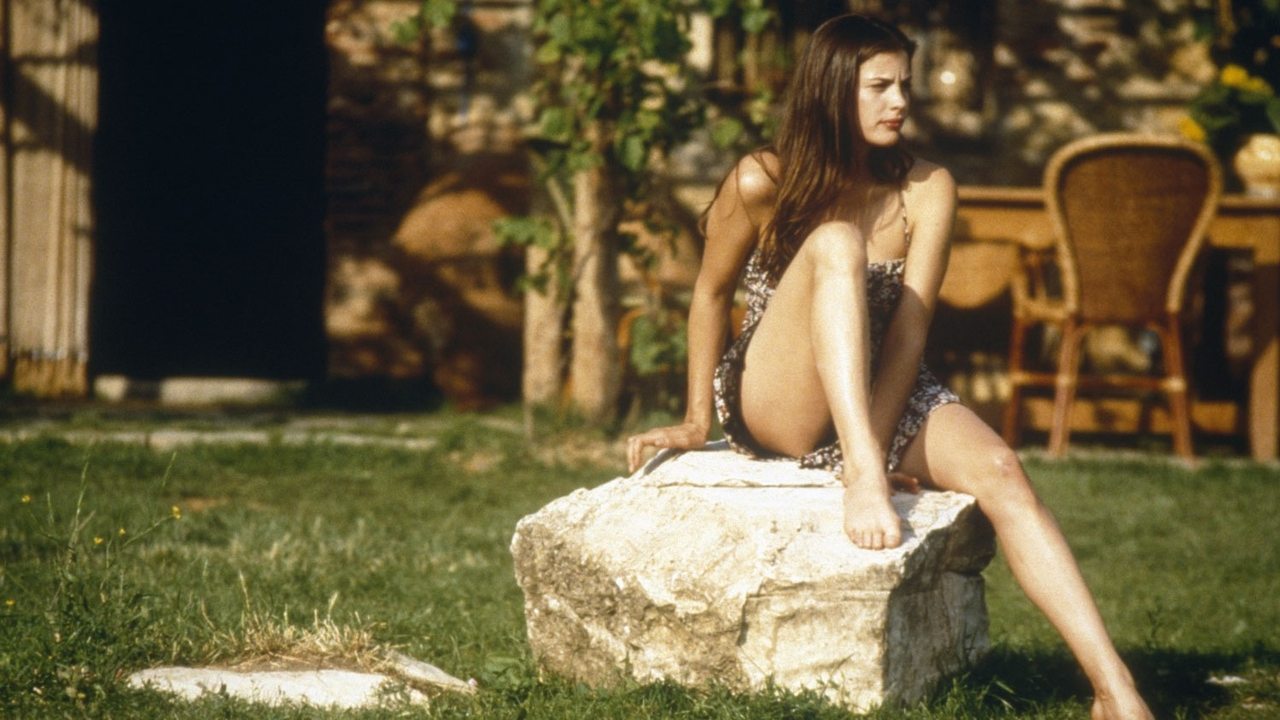
Ah, the Tuscan sun. Not just the warmth on your skin, but that specific, hazy, golden light that seems to slow down time itself. That’s the immediate sensation Bernardo Bertolucci’s Stealing Beauty (1996) conjures, a feeling as potent now as it was pulling that tape from its sleeve back in the day. It’s a film less about intricate plotting and more about immersion – a languid summer spent navigating the complex currents of burgeoning adulthood amidst a colony of worldly, weary artists. Does a film built so heavily on atmosphere and youthful awakening still hold its power?
A Summer of Reckoning
The setup is deceptively simple: 19-year-old American Lucy Harmon (Liv Tyler) arrives at a picturesque Tuscan villa, ostensibly to have her portrait sculpted but carrying deeper, more personal missions. She's there to reconnect with the bohemian friends of her late poet mother, discover the identity of her biological father from her mother's hidden diaries, and, perhaps most pressingly for a teenager on the cusp, to understand love and lose her virginity – specifically to the boy who wrote her a cherished letter years ago. The villa itself, populated by sculptors, writers, and various artistic souls, becomes a microcosm of life's passions and disappointments. It's a sun-drenched stage for Lucy's quiet, internal revolution.
The Emergence of Liv
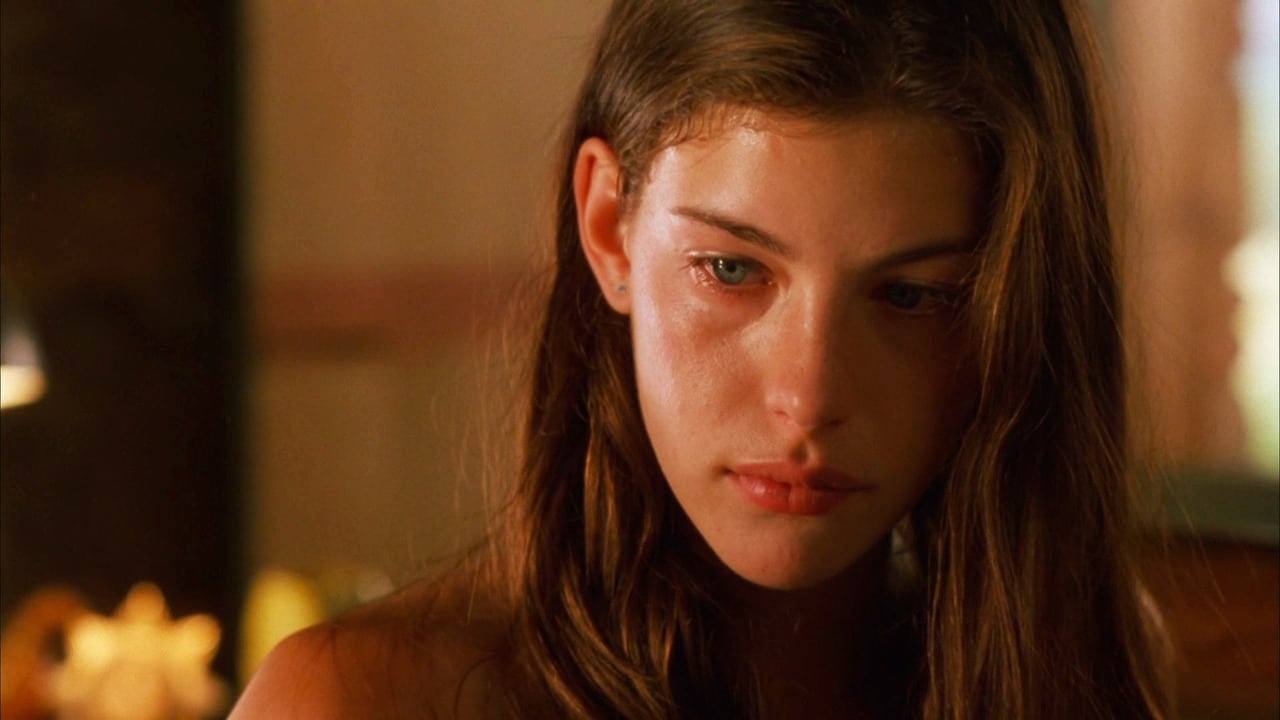
This film belongs, heart and soul, to Liv Tyler. It’s impossible to overstate what a star-making turn this was. Only 18 during filming, Tyler embodies Lucy with an astonishing blend of gauzy innocence and burgeoning self-awareness. Her natural, unforced presence is the film’s anchor. Bertolucci famously spent months searching for his perfect Lucy, and in Tyler, he found someone who could convey volumes with just a glance or a hesitant smile. She projects a vulnerability that draws the viewer in completely, making her quest – both the external search for her father and the internal exploration of her own desires – feel utterly authentic. You genuinely feel her tentative steps into the complexities of adult emotion and sexuality. It's a performance free of artifice, raw and captivating. Remember seeing her here, just before the blockbuster machine truly grabbed hold with Armageddon (1998)? This felt like capturing lightning in a bottle.
Art, Life, and Lingering Questions
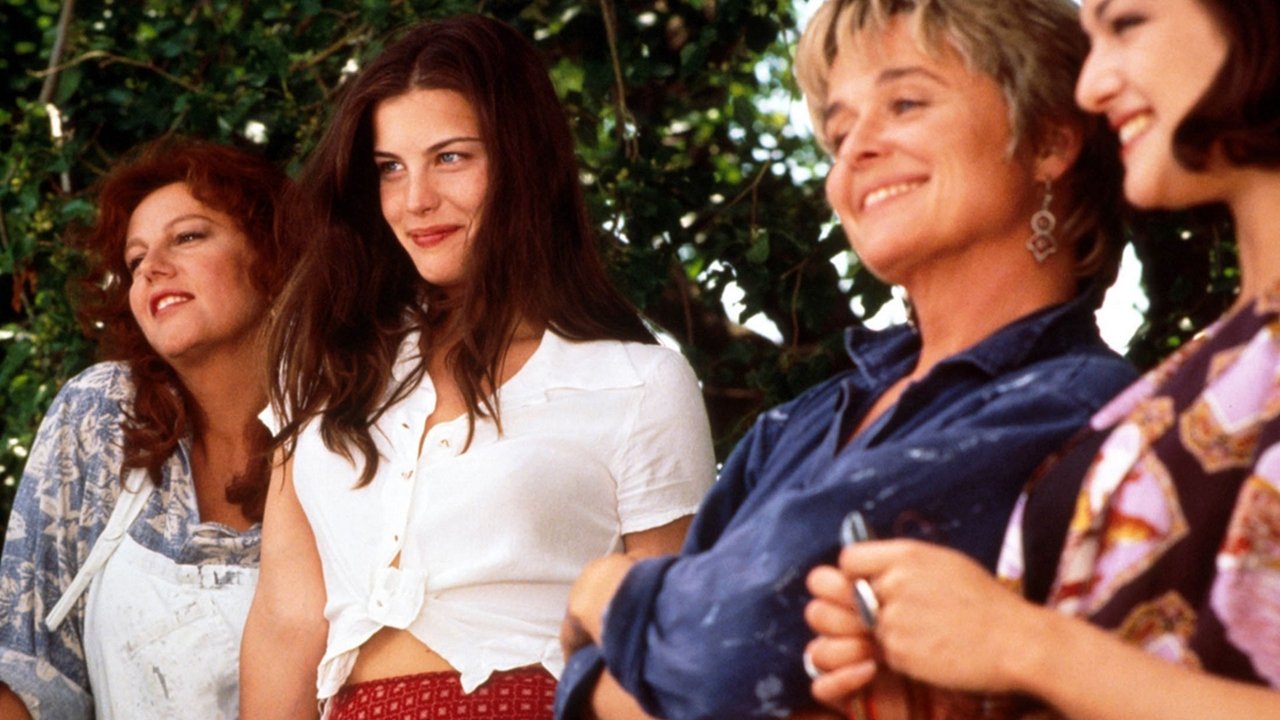
Surrounding Lucy is a wonderfully drawn ensemble cast, adrift in their own dramas yet orbiting her youthful energy. Jeremy Irons, as the terminally ill playwright Alex Parrish, lends a crucial layer of gravitas and melancholy. His scenes with Lucy, offering wry observations on life, love, and the nature of beauty, are among the film's most poignant. He sees her clearly, perhaps more clearly than she sees herself, acting as a sort of reluctant, world-weary guide. The rest of the villa's inhabitants – including early screen appearances from Rachel Weisz and Joseph Fiennes – paint a vivid picture of creative life, with its entanglements, jealousies, and moments of shared understanding. They represent the life Lucy is observing, learning from, and perhaps, consciously or unconsciously, choosing to define herself against. What does their weary sophistication reveal about the paths life can take?
Bertolucci's Sensuous Canvas
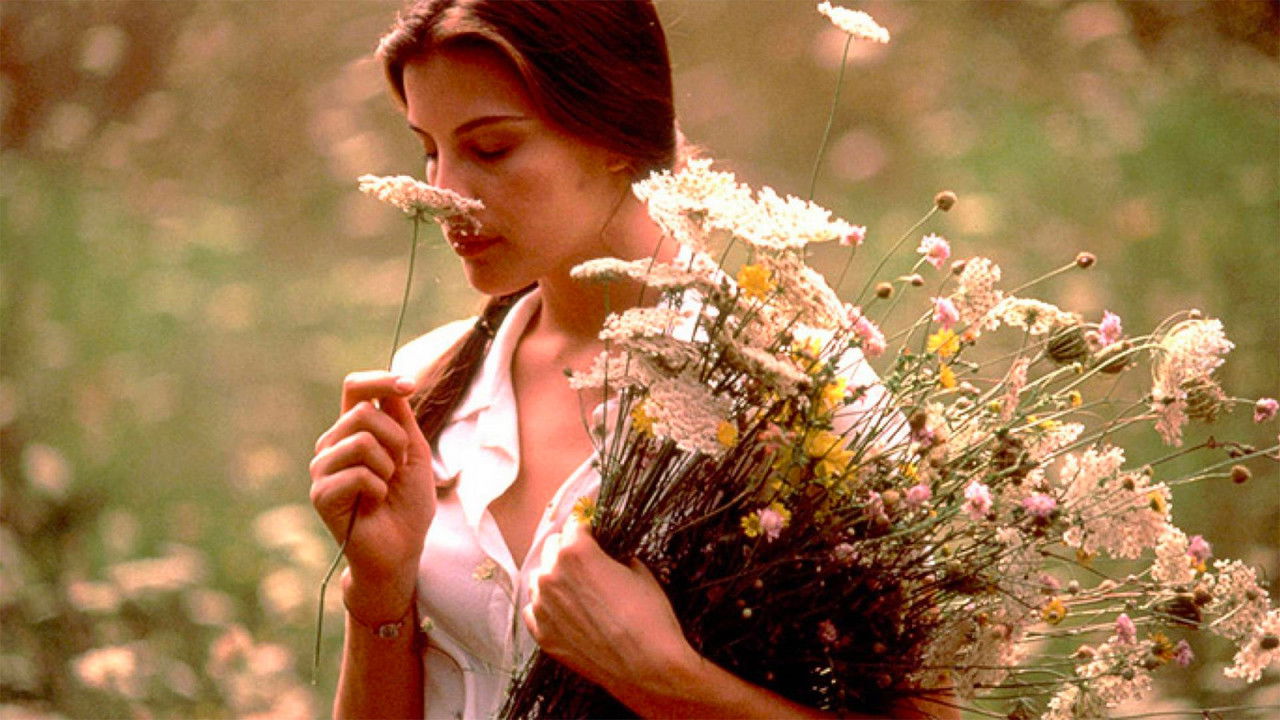
Visually, Stealing Beauty is pure Bernardo Bertolucci, representing a return to his Italian roots after grand international productions like The Last Emperor (1987). Working with cinematographer Darius Khondji (who would later lens Se7en), Bertolucci crafts a film drenched in atmosphere. Every frame feels painterly, capturing the textures of the Tuscan landscape – the stone walls, the olive groves, the shimmering swimming pool – with an almost tactile sensuality. The camera often lingers on Lucy, sometimes with an appreciative gaze that sparked debate even then, but it’s undeniable that Bertolucci uses this focus to highlight the theme of beauty – its power, its fleeting nature, and how it's perceived by others. It wasn't a huge budget film (around $10 million), but it certainly looked gorgeous, finding its audience more on the art-house circuit and video shelves ($4.7M US box office, but strong overseas) than in massive multiplexes.
The film's mood owes just as much to its iconic soundtrack. It perfectly captured a certain mid-90s vibe, blending ethereal tracks from Portishead ("Glory Box" became inextricably linked with the film), Mazzy Star, and Cocteau Twins with well-chosen classical pieces and even Hole. This juxtaposition mirrors the film's own blend of timeless themes and contemporary adolescent experience. I distinctively remember how that soundtrack became almost as talked about as the film itself – a perfect mixtape for a languid, thoughtful summer afternoon.
A Gentle Unfolding
Stealing Beauty isn't a film for those seeking fast-paced drama or shocking twists. Its pleasures are quieter, more observational. Written by Bertolucci and novelist Susan Minot, the narrative unfolds gently, like a conversation overheard on a warm evening. Some critics at the time found it beautiful but perhaps narratively slight, yet its power lies precisely in this unhurried exploration of a young woman's pivotal summer. It asks us to consider the moments that shape us, the secrets families keep, and the bittersweet process of discovering oneself. Doesn't that search for connection and understanding resonate just as strongly today?
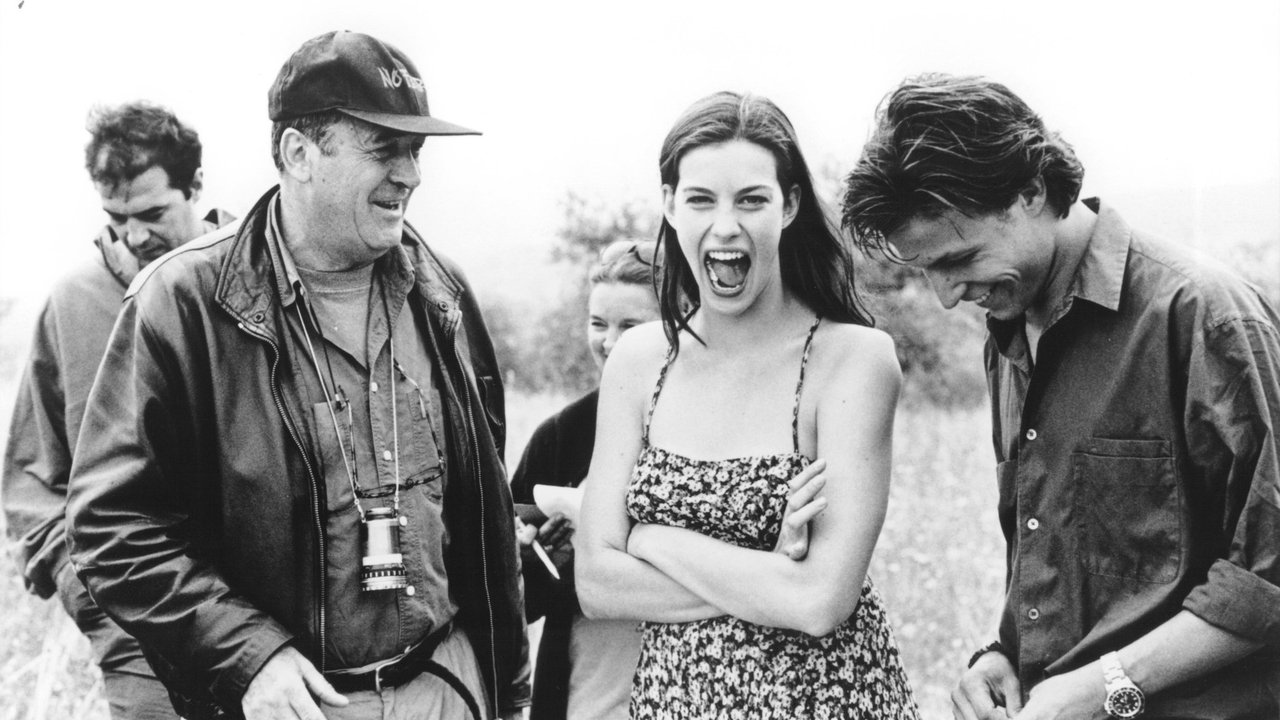
The film navigates Lucy's sexual awakening with a frankness that felt noteworthy in '96, capturing her curiosity and determination without resorting to exploitation, largely thanks to Tyler's grounded performance. It's a film about watching, listening, and absorbing – much like Lucy herself within the story.
Rating: 8/10
Stealing Beauty earns its 8/10 rating through its intoxicating atmosphere, Liv Tyler's luminous breakthrough performance, Bernardo Bertolucci's masterful direction, and that perfectly curated soundtrack. It’s a film that captures the specific ache and wonder of being on the threshold of adulthood with rare sensitivity. While the plot might meander for some, its visual poetry and emotional honesty make it a standout piece of 90s art-house cinema. It's a film that lingers, much like the memory of a perfect summer day, leaving you with a sense of beauty found, and perhaps, inevitably, stolen by time.