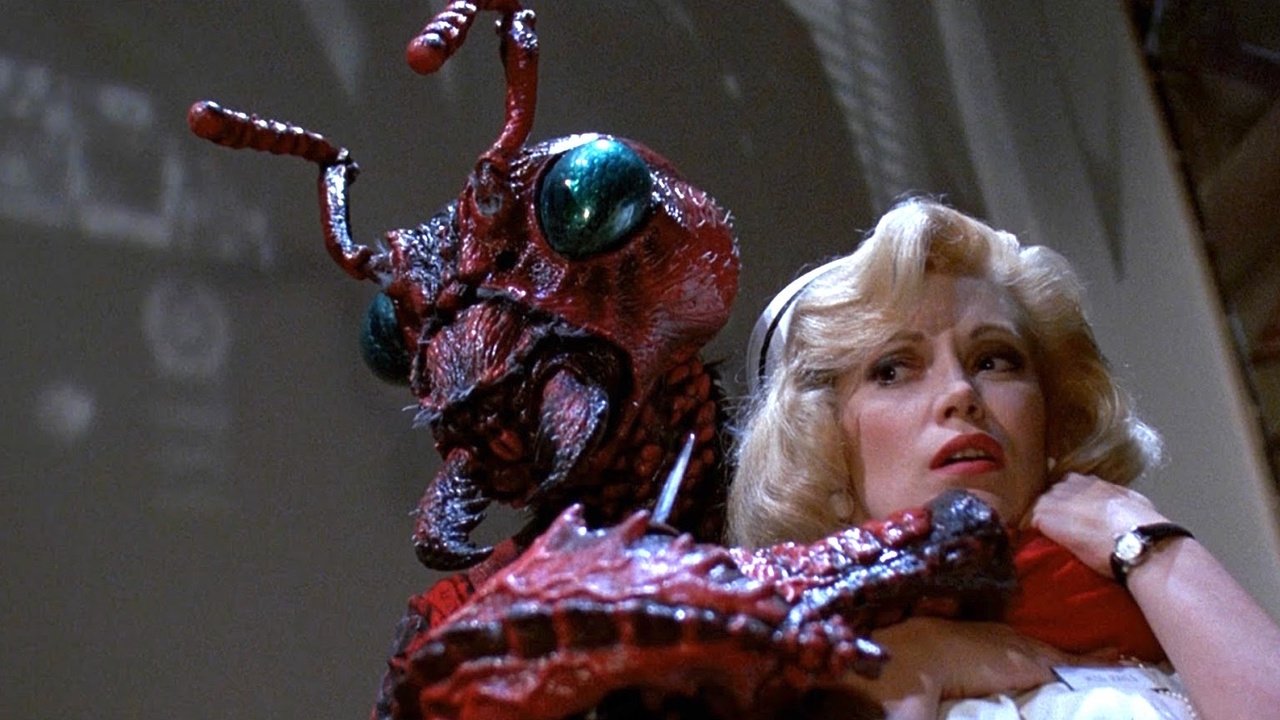
It starts, perhaps, not with the giant ants or the rubber suits, but with a rumble. Not the distant thunder of geopolitical brinksmanship threatening to boil over just miles off the coast, but the low, vibrating hum purposefully sent through your theater seat. That was the magic promised by Lawrence Woolsey, cinematic huckster extraordinaire, and the central, larger-than-life figure in Joe Dante’s wonderfully nostalgic and surprisingly poignant Matinee (1993). Watching it again now, decades after its initial VHS release, feels like uncovering a perfectly preserved time capsule – one filled not just with Cold War anxiety, but with the pure, unadulterated joy of moviegoing itself.
### Welcome to Key West, 1962
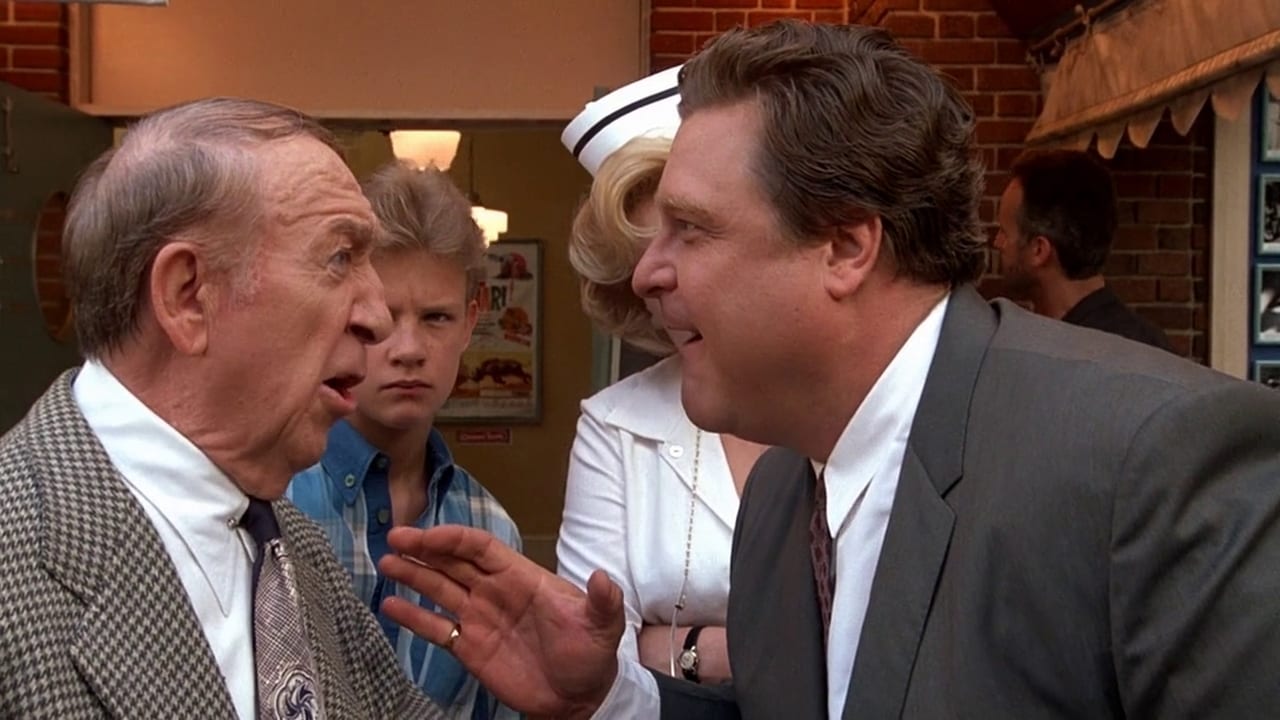
The year is 1962, the place is Key West, Florida, and the world is holding its collective breath over the Cuban Missile Crisis. Duck-and-cover drills are school routine, fallout shelter signs dot the suburban landscape, and the background hum of existential dread is palpable. Into this pressure cooker drives Lawrence Woolsey (John Goodman), a B-movie maestro clearly modeled on the legendary William Castle (the king of cinematic gimmicks like “Percepto!” and “Emergo!”). Woolsey sees the heightened tension not as a reason to hide, but as the perfect environment to premiere his latest atomic-age creature feature: Mant! – the terrifying tale of a man mutated into a giant ant! It’s a premise so perfectly absurd, so wonderfully Dante, it instantly sets the tone for a film that deftly balances genuine fear with affectionate satire.
### The Showman and His Spectacle
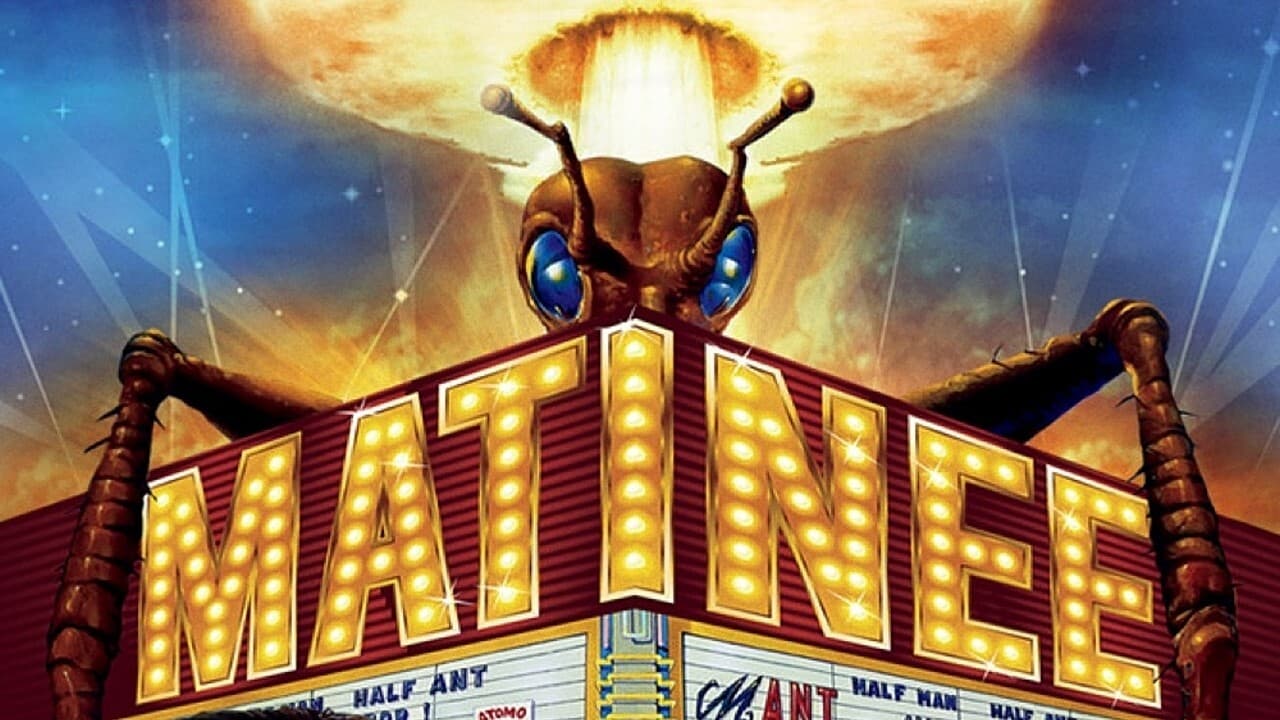
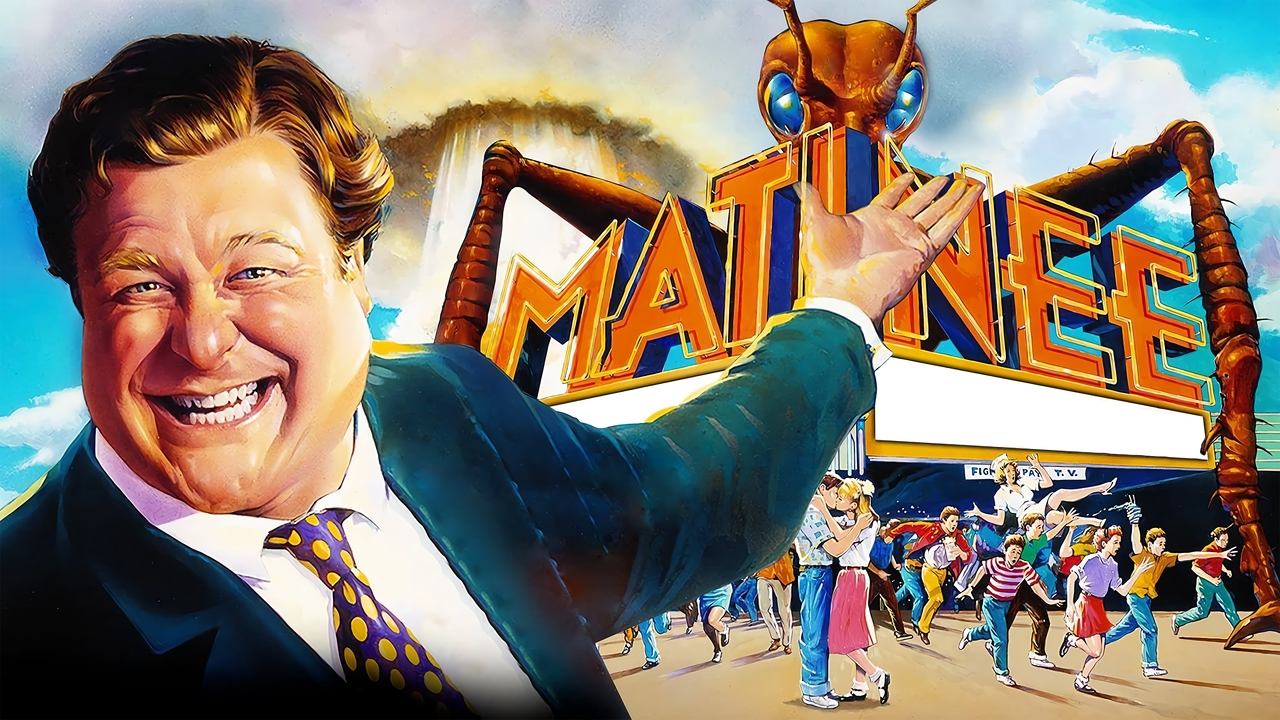
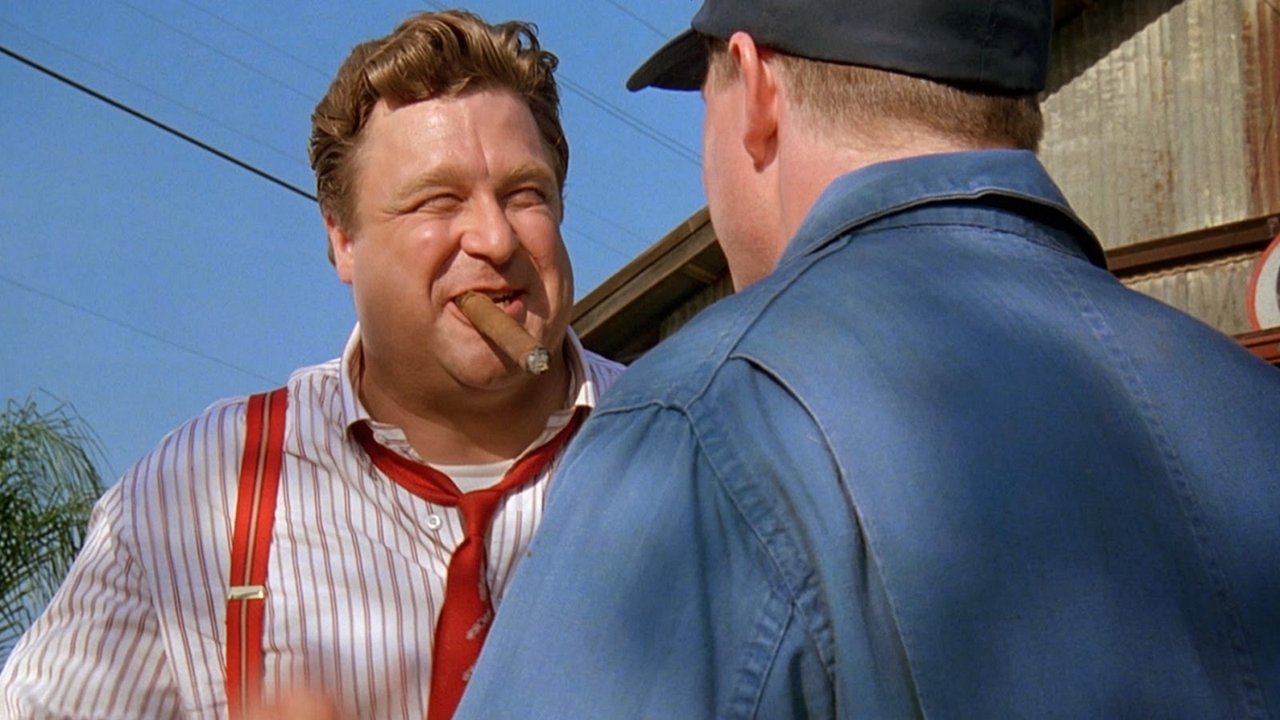
John Goodman is simply magnificent as Woolsey. He embodies the infectious enthusiasm and shameless P.T. Barnum-esque flair of a man who genuinely believes in the power of his schlocky epics. Woolsey isn't just making movies; he's orchestrating experiences. He wires theaters for “Rumble-Rama,” concocts dubious processes like “Ant-O-Vision,” and hires actors to menace the audience in costume. Goodman plays him not as a cynical con artist, but as a passionate believer in the transportive magic of cinema, a necessary escape valve in troubled times. His interactions with his weary leading lady and real-life partner, Ruth Corday (a perfectly cast Cathy Moriarty, bringing world-weary glamour), add another layer of charm and behind-the-curtain reality. We see the strings, the tape, the sheer effort involved in creating these illusions, making the magic feel earned.
Director Joe Dante, himself a connoisseur of classic genre cinema who gifted us gems like Gremlins (1984) and The Howling (1981), directs Matinee with palpable affection. You can feel his own nostalgia for the era bleeding through every frame. Dante reportedly drew heavily on his own childhood memories of living through the Cuban Missile Crisis, channeling that specific blend of adolescent excitement and very adult fear. The film itself is packed with loving nods to the B-movies of the 50s and 60s, not just in the pitch-perfect Mant! sequences, but also in snippets of other fictional films, like a hilariously wholesome family comedy featuring a talking brain in a jar.
### Growing Up Under the Mushroom Cloud
While Woolsey provides the spectacle, the heart of Matinee lies with its teenage characters, particularly Gene Loomis (Simon Fenton). Gene and his younger brother are living on the military base, their father deployed on one of the ships forming the blockade around Cuba. Gene is obsessed with monster movies, finding a strange comfort and sense of control in their predictable scares compared to the terrifyingly real, unpredictable threat simmering just offshore. His burgeoning romance, friendships, and anxieties ground the film, reminding us that even amidst global crises and cinematic mayhem, life – awkward, confusing, exhilarating teenage life – goes on. The anxieties of the kids mirror the larger fears of the adults, creating a rich tapestry of human experience under extraordinary circumstances.
### Retro Fun Facts & The Dante Touch
Matinee is a treasure trove for film buffs, lovingly crafted by people who clearly adore the medium.
- The script, penned by Charles S. Haas (who also wrote Gremlins 2: The New Batch for Dante), perfectly captures the dialogue and atmosphere of the early 60s.
- The "films-within-the-film" were meticulously created. Mant! feels utterly authentic to the era's low-budget creature features, right down to the dodgy special effects and earnest acting. Even the faux-Disney film The Shook-Up Shopping Cart hits its mark perfectly.
- Remember those gimmicks? "Rumble-Rama" involved installing actual low-frequency speakers in theater seats during the film's initial run in some locations – a meta-gimmick mirroring Woolsey's own tactics!
- Despite its charm and positive critical buzz (currently holding a stellar 93% on Rotten Tomatoes), Matinee sadly underperformed at the box office, pulling in around $9.5 million against a budget of roughly $13 million. It’s a classic example of a film finding its devoted audience later, primarily through home video – truly a VHS Heaven staple!
- Keep an eye out for familiar faces in small roles, including Dick Miller and John Sayles, frequent collaborators in Dante's cinematic universe.
### More Than Just Nostalgia
What makes Matinee endure beyond simple nostalgia is its thoughtful exploration of why we watch movies, especially scary ones. Woolsey argues that movies provide manageable fears, cathartic thrills that distract us from the unmanageable terrors of the real world. In the darkened cinema, surrounded by fellow audience members gasping and laughing, there’s a sense of community and shared experience that feels vital, particularly when the outside world seems intent on tearing itself apart. The film celebrates the communal power of the movie theater – a place where, for a couple of hours, giant ants seem more pressing than nuclear annihilation.
It’s a film filled with warmth, humor, and a deep understanding of the anxieties and joys of growing up. It captures a specific moment in history with remarkable detail and heart, reminding us of a time when the glow of the projector offered a powerful beacon against the encroaching darkness.
VHS Heaven Rating: 9/10
Matinee earns this high score for its perfect blend of humor, heart, and historical context. John Goodman gives a career-highlight performance, Joe Dante directs with infectious passion, and the film serves as both a delightful slice of nostalgia and a surprisingly resonant commentary on the enduring power of cinema. It’s a loving tribute to B-movies, the magic of the matinee, and the peculiar ways we cope with fear.
Dig this one out of the archive, pop it in the VCR (or, you know, stream it), and let Lawrence Woolsey work his magic. You might just find yourself rumbling with laughter and affection.