### Unpleasant Dreams, Darlings? Not With This Slice of Camp Heaven!

There are movie stars, and then there’s Elvira. Exploding onto the big screen in 1988, straight from her late-night TV lair, Elvira: Mistress of the Dark wasn’t just a movie; it felt like a declaration. A busty, quippy, raven-haired declaration that horror could be hilarious, camp could be high art (of a sort), and that maybe, just maybe, the weirdos were the ones having the most fun. Finding this gem nestled between the straightforward slashers and earnest comedies on the video store shelf felt like discovering a secret handshake – a wink and a nudge promising pure, unadulterated fun.
### From Horror Hostess to Hometown Hazard
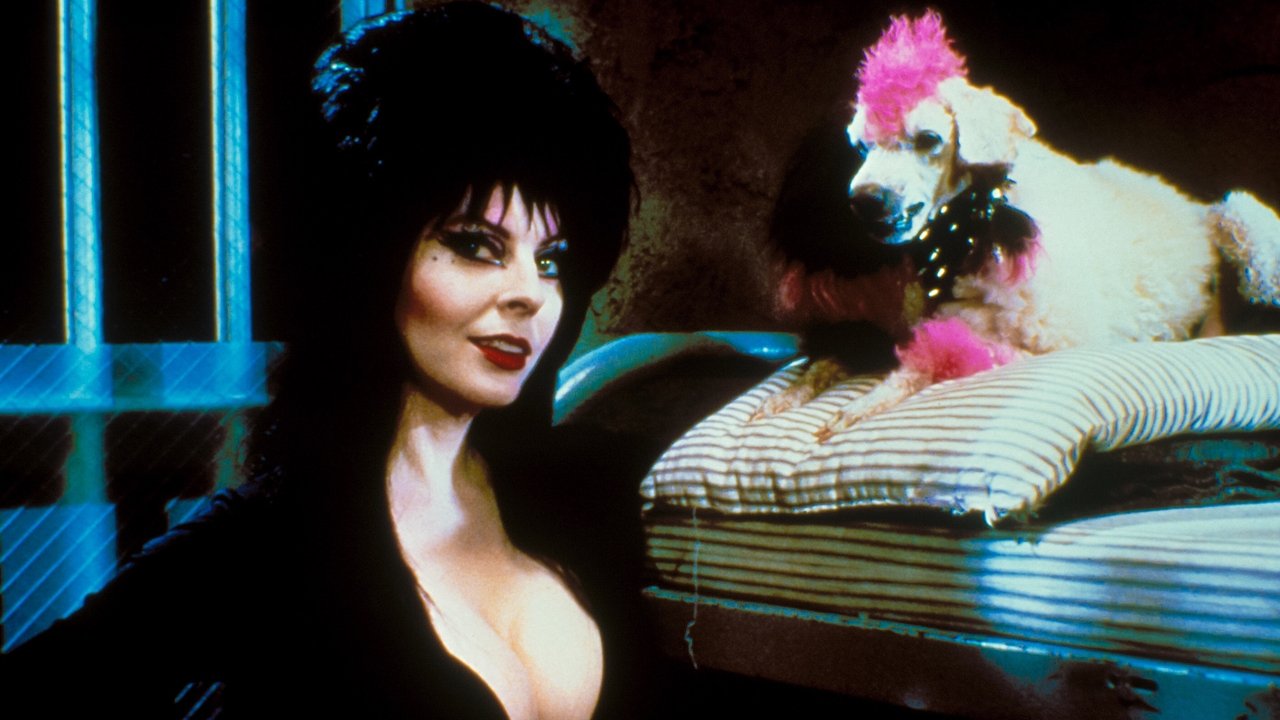
The premise is gloriously simple: Elvira, TV’s favourite vamp, inherits a dilapidated mansion, a poodle with a punk-rock makeover (the legendary Algonquin 'Gonk'), and a cookbook from her great-aunt Morgana. The catch? It’s all located in Fallwell, Massachusetts, a town so repressed it makes Footloose's Bomont look like a rave. The ensuing culture clash is the film's comedic engine, pitting Elvira’s freeway-sized personality and plunging neckline against the pearl-clutching morality of the town council, led by the delightfully sour Chastity Pariah (Edie McClurg, perfectly cast). It’s a classic fish-out-of-water setup, but filtered through Elvira’s unique, double-entendre-laden perspective.
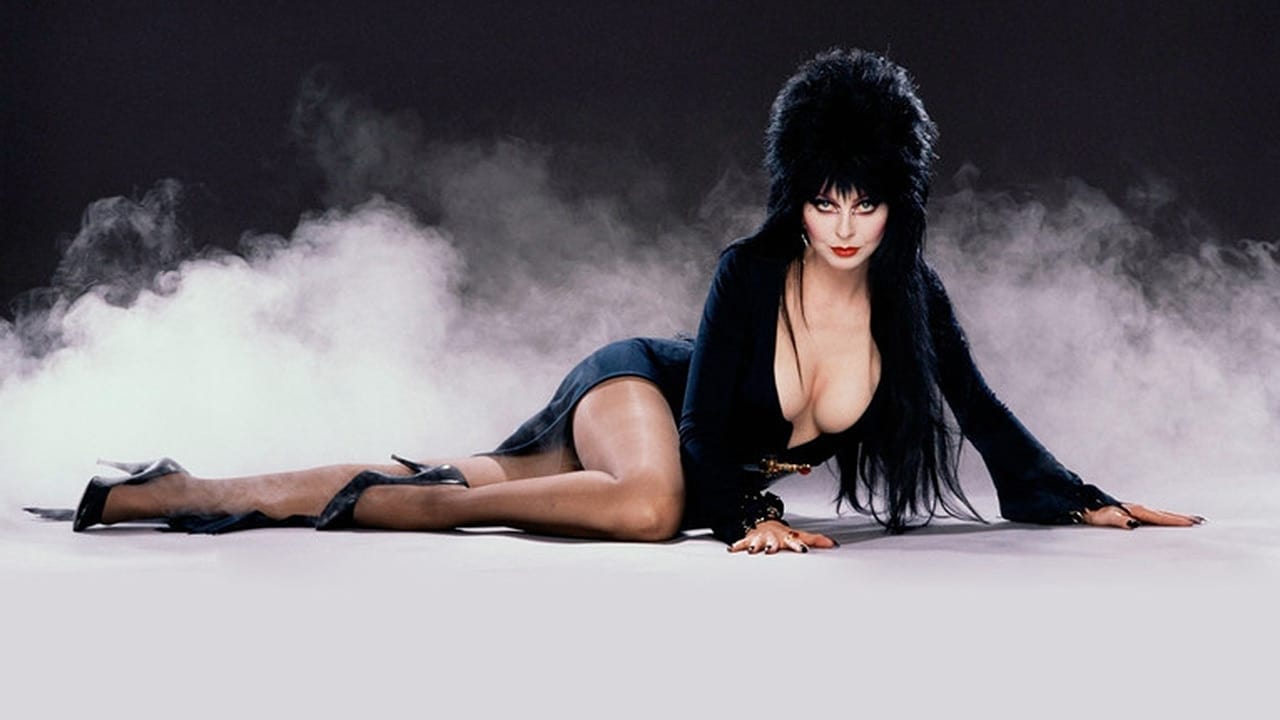
What truly elevates this is Cassandra Peterson herself. This wasn’t just an actress playing a role; Peterson is Elvira. Having honed the character for years on Movie Macabre, she arrived on set with a fully formed comedic weapon. It's staggering how much creative control she fought for and won. Co-writing the script with John Paragon (who many will fondly remember as Jambi the Genie on Pee-wee's Playhouse) and Sam Egan, Peterson ensured the film was drenched in her specific brand of humour – a relentless barrage of puns, sight gags, and suggestive quips delivered with impeccable timing. A fascinating bit of trivia: Peterson had to battle studio execs who initially wanted a different actress and a more conventional comedy. Thank goodness she stuck to her guns (or, perhaps, her daggers?). Her vision preserved the character's B-movie loving soul.
### Small Town Shenanigans and B-Movie Magic
Director James Signorelli, a veteran of Saturday Night Live, brings a certain sketch-comedy energy to the proceedings. Scenes often feel like self-contained comedic set pieces – Elvira accidentally charming the town’s teenagers, her disastrous attempt at a casserole presentation, or the climactic battle involving hairspray pyrotechnics and a monstrous… well, let's just call it an "unpleasant casserole beast." The supporting cast leans into the absurdity beautifully. William Morgan Sheppard chews the scenery with gothic glee as the villainous Uncle Vinny, and Daniel Greene provides the earnest, slightly dim-witted romantic interest, Bob, serving as the perfect straight man to Elvira’s antics. Remember the sheer awkward charm of their budding romance amidst all the chaos?
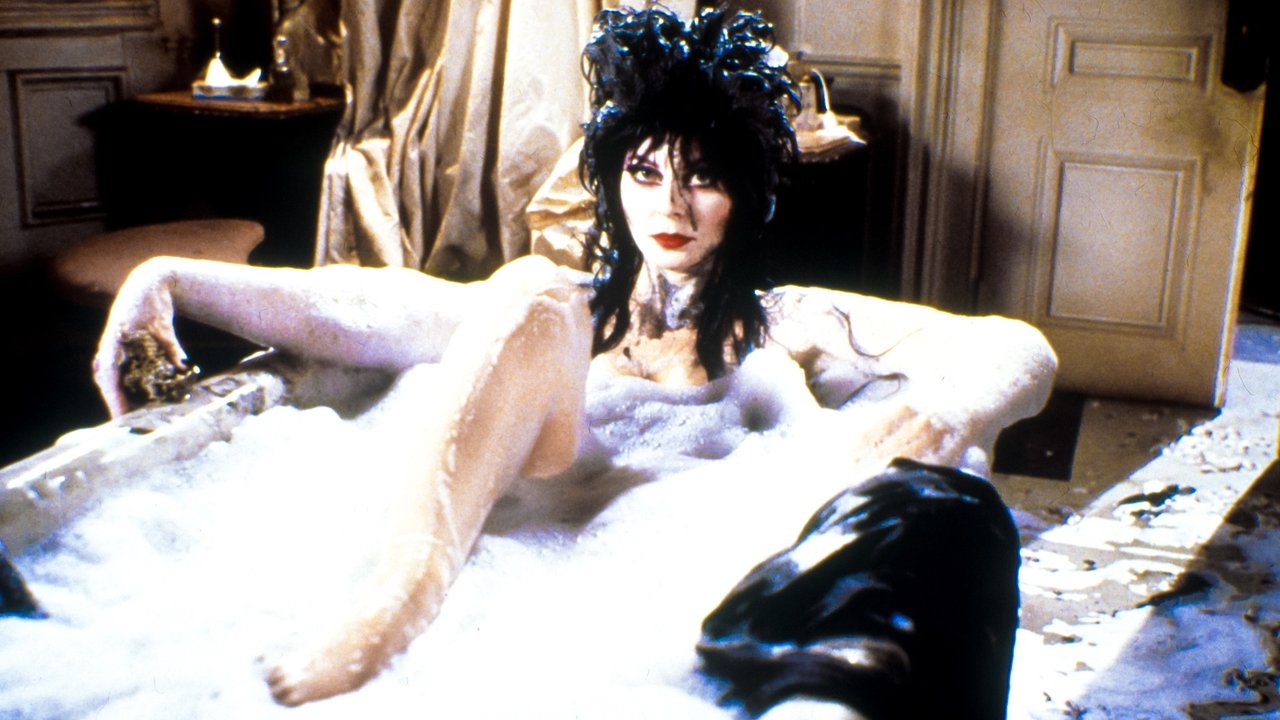
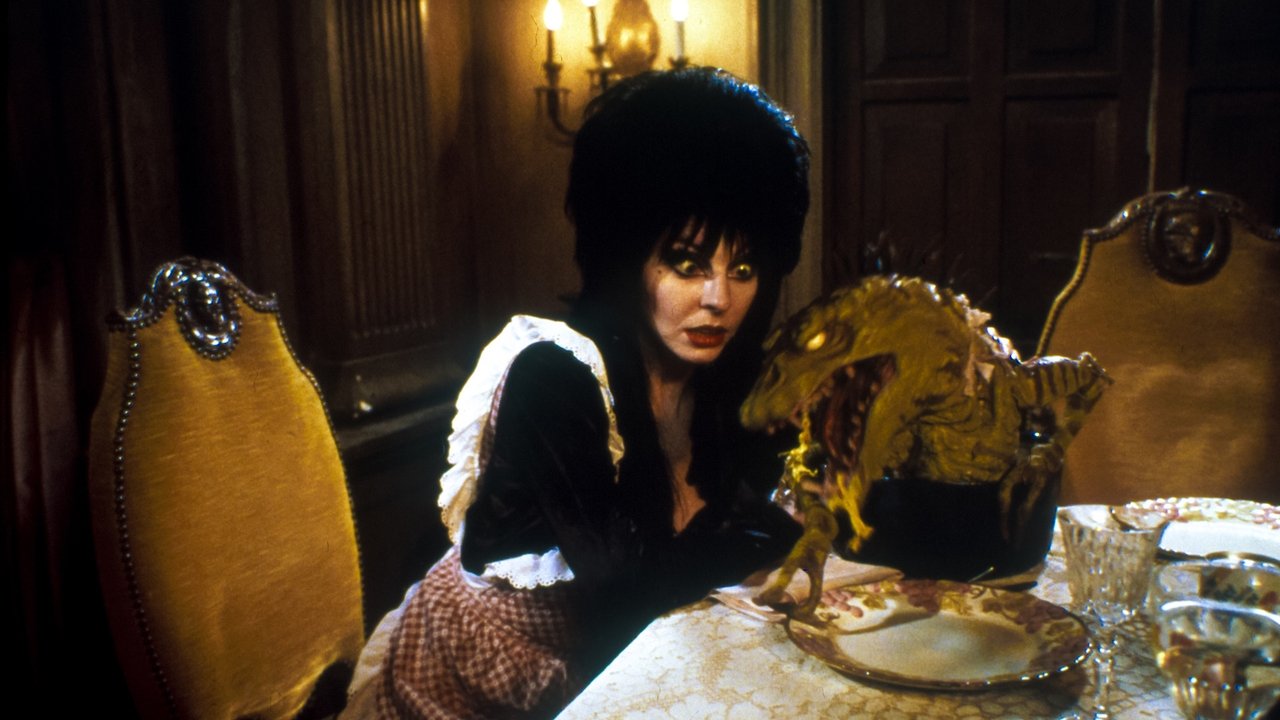
The film proudly wears its B-movie heart on its sleeve, especially regarding the special effects. The magical elements, particularly the climax, are delightfully cheesy, leaning into practical effects that feel perfectly suited to the hostess who champions such films. That final confrontation with Uncle Vinny? Pure, unadulterated late-80s rubber-monster glory! This wasn't Spielbergian wonder; it was intentionally schlocky, winking at the audience and inviting us to laugh with the charming limitations, not at them. It’s a far cry from today’s seamless CGI, possessing a tactile silliness that feels incredibly endearing now. The budget, a relatively modest $7.5 million (around $18 million today), meant creativity often trumped spectacle, forcing a reliance on Peterson’s charisma and sharp writing – which ultimately became the film's greatest strength.
### More Than Just a Pair of… Jokes
Beyond the cleavage and comedy, Elvira: Mistress of the Dark offers a surprisingly sweet message about embracing individuality and challenging small-minded prejudice. Elvira, despite her outlandish appearance and suggestive banter, is consistently portrayed as kind, resourceful, and fundamentally decent, standing in stark contrast to the hypocritical 'moral majority' persecuting her. She empowers the town's teenagers to be themselves, turns the uptight women onto a bit of fun, and ultimately exposes the rot beneath Fallwell's wholesome facade. It’s satire delivered with a wink and a nudge, never preachy, always entertaining. And let's not forget that iconic, show-stopping finale performance – pure Elvira distilled into a burlesque-meets-rock-concert number that burns itself into your memory.
While the film only made a modest $5.5 million at the US box office, its afterlife on VHS and cable cemented its status as a cult phenomenon. It wasn't just a movie; it was an extension of the Elvira brand, perfectly capturing the character's appeal for a wider audience. It felt tailor-made for late-night viewing, perhaps with a bowl of popcorn and the volume turned up just loud enough to appreciate every glorious pun.
### VHS Heaven Rating: 8/10
Justification: Elvira: Mistress of the Dark knows exactly what it is and leans into its campy, comedic premise with infectious energy. While the plot is thin and the effects delightfully dated, Cassandra Peterson's iconic, powerhouse performance, coupled with a relentlessly witty script she co-wrote, elevates the material into pure cult classic territory. It perfectly balances affectionate B-movie homage with sharp satire and genuinely funny moments. It loses a couple of points for occasional pacing dips and jokes that haven't aged quite as well, but its overwhelming charm, quotability, and Peterson's star turn make it a joy.
Final Thought: Forget subtle; this is a glorious blast of late-80s neon cheese, big hair, and bigger… personalities, proving that sometimes, the best defence against boring conformity is a killer pun and a whole lot of attitude. Unpleasant dreams? Nah, just delightfully silly ones.