Alright, fellow tapeheads, slide that worn copy of Attack of the 50 Ft. Woman into the VCR, adjust the tracking just so, and settle in. Remember seeing this pop up on the HBO schedule back in '94? It wasn't quite a blockbuster rental, more like that intriguing premium cable premiere you stumbled upon late one night. And who directed it? Christopher Guest? The genius behind This Is Spinal Tap (1984)? Yep, that Christopher Guest. Already, you knew this wouldn't be just any remake of the kitschy '58 drive-in classic.
Not Your Mother's B-Movie
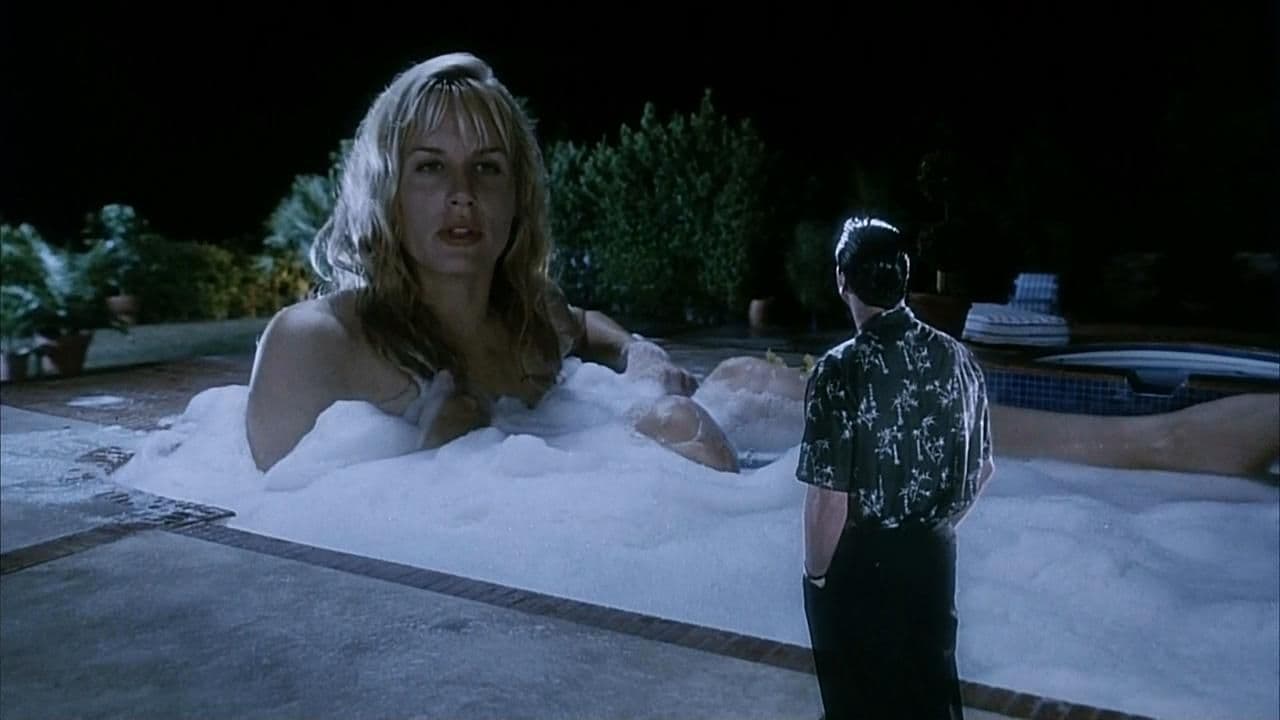
Forget the stark, panicked black-and-white original for a moment. This HBO reimagining, penned by Joseph Dougherty (who brought dramatic flair to shows like thirtysomething), slathers the story in glossy 90s pastels and injects a hefty dose of satire and, dare I say, intention. Nancy Archer (Daryl Hannah) isn't just a jilted wife who encounters a UFO; she's a woman systematically gaslit and diminished by her philandering husband Harry (Daniel Baldwin, oozing sleaze) and her overbearing father (William Windom, perfectly cast). Her inherited wealth is controlled, her opinions dismissed – until a close encounter of the very weird kind gives her a cosmic growth spurt and a chance to literally rise above it all. This version leans into the absurdity, yes, but it also winks knowingly at the inherent power fantasy.
A Guest Appearance Behind the Lens
Having Christopher Guest at the helm is the film's most fascinating curveball. You can feel his subtle comedic timing attempting to peek through the B-movie trappings. While it lacks the improvisational brilliance of his later mockumentaries like Waiting for Guffman (1996) or Best in Show (2000), there’s a specific, slightly detached irony to the proceedings. The small-town gossip, the therapy sessions where Nancy is clearly the sanest person in the room, the almost mundane reaction of some characters to utterly bizarre events – it has that Guestian flavour, even if filtered through a studio system (HBO Pictures, in this case). It's a curious mix, sometimes feeling like Guest is pulling punches, other times letting the inherent campiness shine. Retro Fun Fact: Apparently, Guest was drawn to the project partly because he saw the potential for social satire within the outlandish premise, aiming for something a bit smarter than just a creature feature retread.
Hannah Looms Large (Literally)
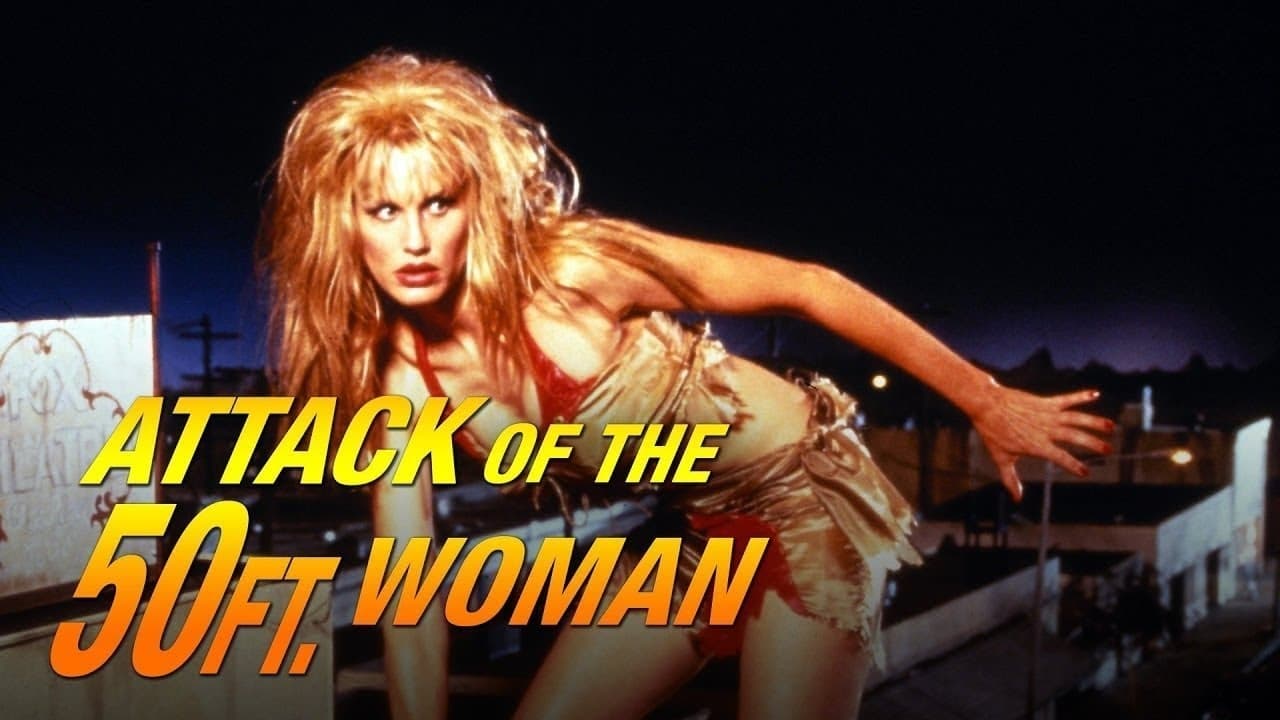
Daryl Hannah, fresh off memorable roles in films like Splash (1984) and Steel Magnolias (1989), is the undeniable centerpiece. She navigates Nancy's journey from brittle heiress to towering force with surprising nuance. There's vulnerability beneath the eventual giantess getup (a surprisingly chic white outfit, very 90s!). She sells both the emotional pain and the sheer, bewildered power of her transformation. Watching her grapple with her newfound size, initially terrified then slowly embracing the leverage it gives her, is the film's main draw. Baldwin, meanwhile, perfectly embodies the kind of entitled, two-timing cad that makes you almost cheer when things start getting... oversized.
Cable-Sized Spectacle
Let's talk effects. This being a 1994 TV movie, even a high-profile HBO one (reportedly budgeted around a respectable $10 million), you're not getting ILM wizardry. But honestly? That's part of the charm. The giantess effects rely heavily on forced perspective, some decent (for the time) compositing work, and cleverly scaled sets and props. Remember seeing Hannah peer into house windows or stride down Main Street? It might look a bit quaint compared to today's seamless CGI, but there's a tangible quality to it. You feel the effort involved in making those shots work practically. Retro Fun Fact: Compared to the notoriously low-budget 1958 original (which used rear projection and some very obvious miniatures), the '94 version felt positively slick, showcasing how far even TV movie effects had come. Still, that slightly unreal, almost dreamlike quality of the effects fits the film's heightened, satirical reality.
A Cult Cable Classic?
Upon release, Attack of the 50 Ft. Woman got mixed reactions. Some critics appreciated the attempt at satire and Hannah's performance, while others found it tonally uneven or felt it didn't lean hard enough into either pure camp or sharp commentary. But for those of us catching it on cable back then, it felt like a fun, slightly subversive event. It took a familiar, goofy premise and gave it a 90s feminist gloss, served up with that specific, slightly polished look that defined HBO productions of the era. It wasn't trying to be high art; it was aiming for smart, entertaining B-movie fun, and largely succeeded on those terms.
VHS Heaven Rating: 6/10
Why this score? It earns points for its clever casting (Hannah and Guest's involvement), the genuinely fun central performance, and its status as a unique 90s cable artifact that tried to inject some thematic weight into a famously campy story. The effects are charmingly dated but effective for their context. It loses a few points for tonal inconsistencies and moments where the satire doesn't quite land, feeling a bit restrained perhaps by its TV movie origins.
Final Take: A fascinating curio from the peak HBO movie era, blending B-movie thrills with unexpected directorial pedigree and a star performance that looms large. It's a giant step up from the original in ambition, even if the execution is pure 90s cable comfort food – best enjoyed with adjusted tracking and a hefty dose of nostalgia.