A plume of acrid smoke against a clear blue sky – it wasn't exactly the whimsical opening many kids expected from a movie filled with wide-eyed, furry protagonists in 1993. But Once Upon a Forest, directed by Charles Grosvenor, wasn't your standard-issue animated romp. It dared to weave genuine peril and environmental consequence into its narrative fabric, creating an adventure story that felt, even then, a little different, a little more somber, carrying stakes that felt surprisingly real amidst the talking animals.
Meet the Furlings
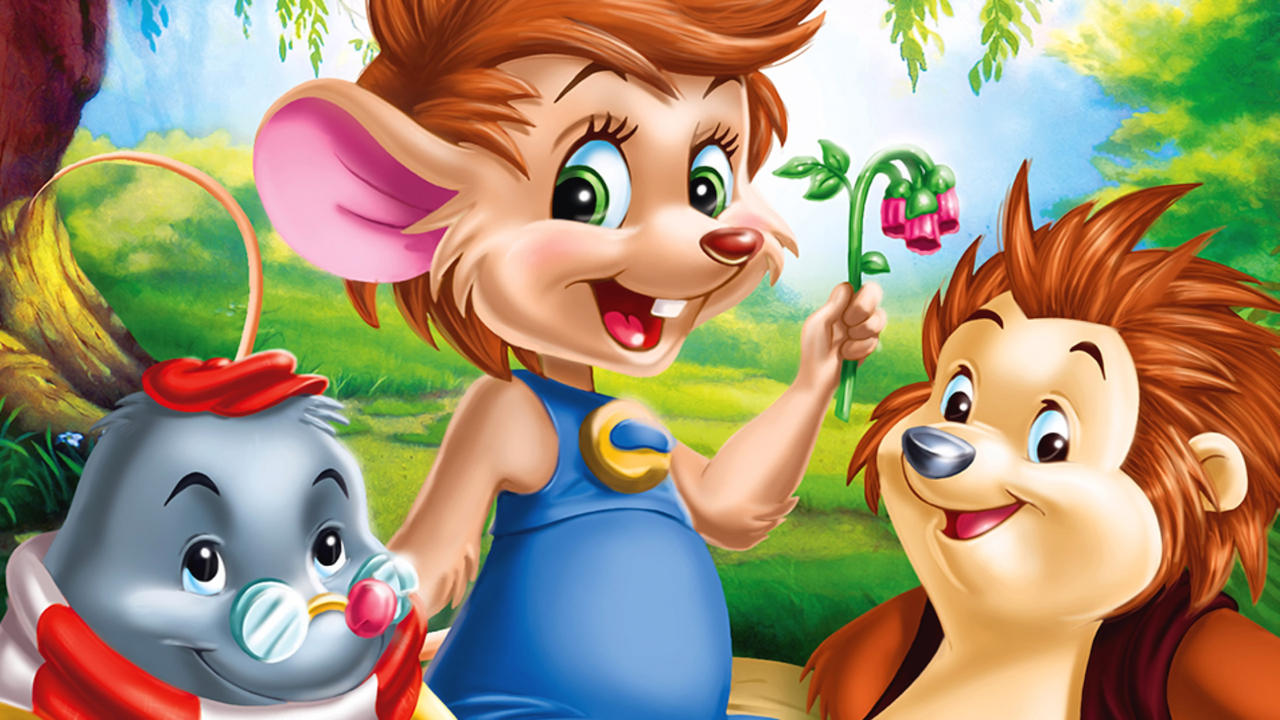
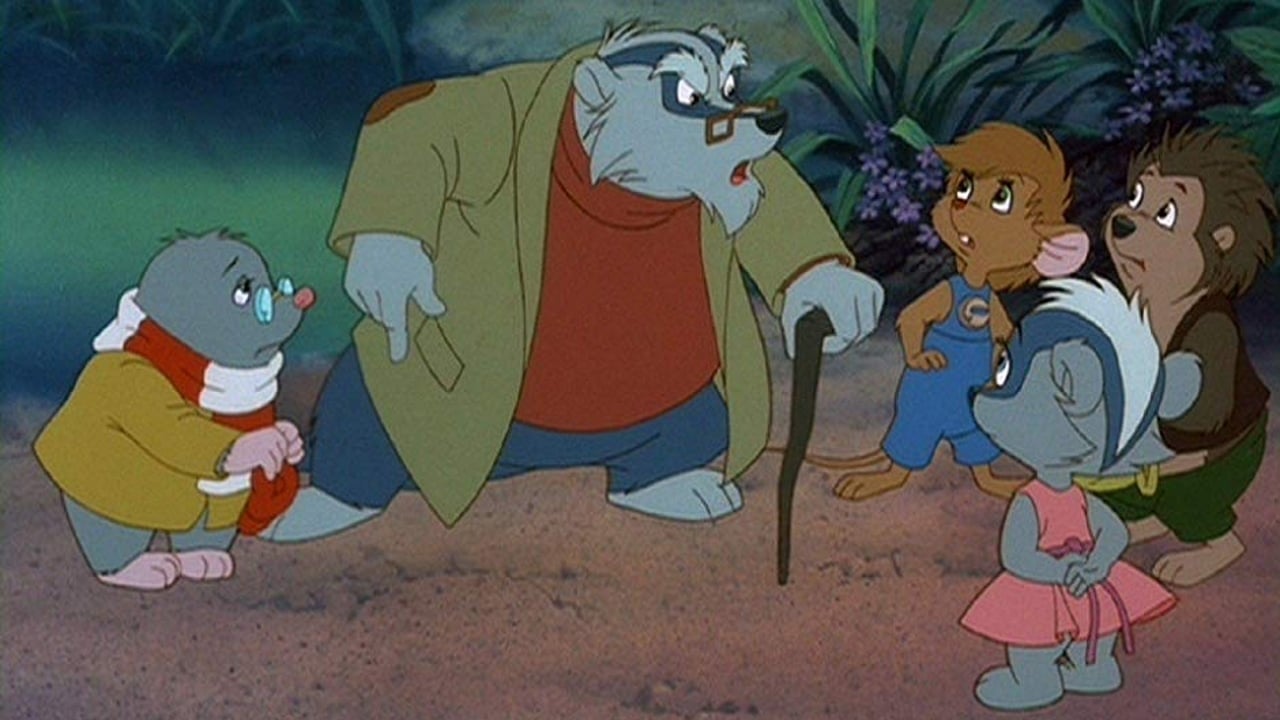
Our heroes are Abigail the woodmouse, Edgar the mole, and Russell the hedgehog – three young students under the tutelage of the wise old badger, Cornelius, voiced with gentle authority by the legendary Michael Crawford (yes, that Michael Crawford, fresh off his Broadway triumph in The Phantom of the Opera). These charming characters weren't conjured just for the film; they originated as the "Furlings" in a series of educational shorts created by Welsh artist Rae Lambert back in the late 80s, intended to teach children about environmental responsibility. Writers Mark Young and Kelly Ward (who some might remember as Roger from Grease!) expanded their world for this feature film, produced by Hanna-Barbera Productions – a studio more commonly associated with Saturday morning cartoon energy than feature-length environmental dramas.
The story kicks off not with a song-and-dance number, but with a disaster. A tanker truck overturns near the Furlings' idyllic Dapplewood forest home, spilling toxic gas that tragically sickens Michelle, Cornelius's young niece. This isn't cartoon peril that resets next episode; it's a serious, life-threatening event that grounds the film immediately. It falls upon our young trio – Abigail, the brave leader; Edgar, the cautious planner; and Russell, the impulsive (and often hungry) one – to embark on a dangerous quest to find specific medicinal herbs before it's too late.

A Perilous Journey Through a Changed World
What follows is an episodic adventure narrative, but one tinged with a palpable sense of danger. The lush forest gives way to landscapes scarred by human carelessness – polluted ponds, treacherous construction sites, and the ever-present threat of predators and uncaring machinery. This journey isn't just about finding flowers; it's about navigating a world made hostile by forces beyond their understanding. Remember that claustrophobic sequence in the discarded glass bottle? Or the tense encounter with the predatory owl? These moments genuinely raised the stakes.
The film benefits immensely from its voice cast. Ellen Blain gives Abigail a determined spirit, while the dynamic between the three young leads feels believable. Ben Vereen lends his smooth tones to Phineas, the charismatic leader of a flock of preacher birds who offer brief, slightly surreal sanctuary. And Crawford, stepping away from the Phantom's mask, brings a warmth and gravitas to Cornelius that anchors the emotional core of the film. He reportedly took the role partly because of the film's environmental message, a cause he felt strongly about.
Hand-Drawn Heart in a Digital Dawn
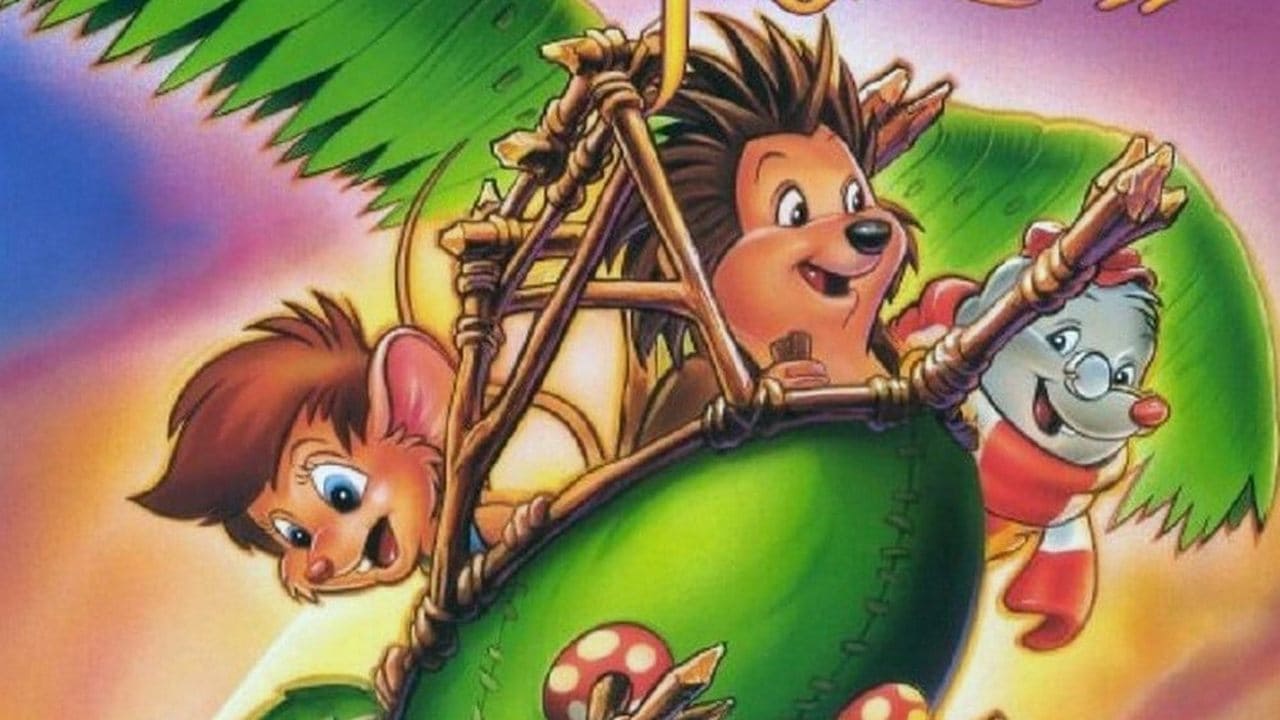
Visually, Once Upon a Forest boasts the earnest charm of traditional hand-drawn animation typical of the early 90s, just before the full CGI revolution took hold. It lacks the fluidity and budget-busting spectacle of Disney's Renaissance titans (Aladdin had come out the year before), but there's a tangible quality to the artwork, a warmth in the character designs and backgrounds that feels handcrafted. Hanna-Barbera, primarily a TV animation powerhouse, invested significantly here – the reported budget was around $14.6 million.
However, that investment didn't quite translate into box office gold. The film grossed only about $6.6 million in North America, making it a financial disappointment. Perhaps its more serious tone, lacking the catchy musical numbers or broad comedy of its contemporaries, made it a tougher sell for families expecting lighter fare. It arrived in a crowded market, and its earnest environmentalism, while commendable, might have felt a touch heavy-handed compared to the escapism offered elsewhere. It's a shame, as the film's heart is undeniably in the right place. Another interesting tidbit: the film originally received a G rating, but after some concerns were raised about the intensity of certain scenes (like the gas cloud sequence), it was slightly edited and re-rated PG, a rarity for animated films at the time aimed squarely at a younger audience.
More Than Just Talking Animals
What makes Once Upon a Forest stick in the memory, I think, is its willingness to treat its young audience with a degree of maturity. It doesn't shy away from depicting loss (Michelle's parents are casualties of the gas) or the real consequences of pollution. The Furlings aren't just cute critters; they're resilient survivors forced into heroism by circumstance. Their quest feels arduous, their fears are relatable, and their eventual success (no major spoilers, but it is a family film!) feels genuinely earned.
It tackles its environmental themes head-on, perhaps without the subtlety we might expect today, but with an sincerity that’s hard to fault. It’s a product of its time, reflecting the growing mainstream awareness of ecological issues in the early 90s. Watching it now, it serves as a poignant, if slightly melancholic, reminder of those concerns, packaged in a narrative that champions courage, friendship, and the importance of knowledge (go, Edgar!).

Rating: 6/10
Once Upon a Forest earns a respectable 6 out of 10. Its strengths lie in its brave premise, genuinely felt peril, charming character designs, strong voice work (especially Crawford and Vereen), and its earnest environmental heart. It successfully creates a sense of adventure born from real stakes. However, the animation, while charming, doesn't reach the heights of its bigger-budget competitors, the pacing can feel a bit episodic, and the somewhat somber tone might not resonate with everyone looking for pure animated escapism. Its financial underperformance speaks to perhaps not quite hitting the mark for the broad audience it needed, but its unique qualities make it memorable.
It remains a fascinating piece of early 90s animation – a furry adventure with a surprisingly sharp bite, whispering a gentle but firm warning about our impact on the natural world, a message delivered not by superheroes, but by the smallest, bravest inhabitants of the woods.