Okay, settle in, fellow VHS voyagers. Remember that feeling in the early 90s, browsing the animated section of the video store? Disney dominated, sure, but sometimes you’d spot something different. Something lush, maybe a little bit strange, with cover art promising magic and danger. That’s where FernGully: The Last Rainforest (1992) often sat, a vibrant green beacon calling out from the shelves. It wasn't quite Disney, but it had its own unique enchantment, a potent environmental message wrapped in fairy wings and pixie dust, and for many of us, it was an early, impactful glimpse into the wonders and fragility of the natural world, viewed through the comforting glow of a CRT screen.

A Different Kind of Magic
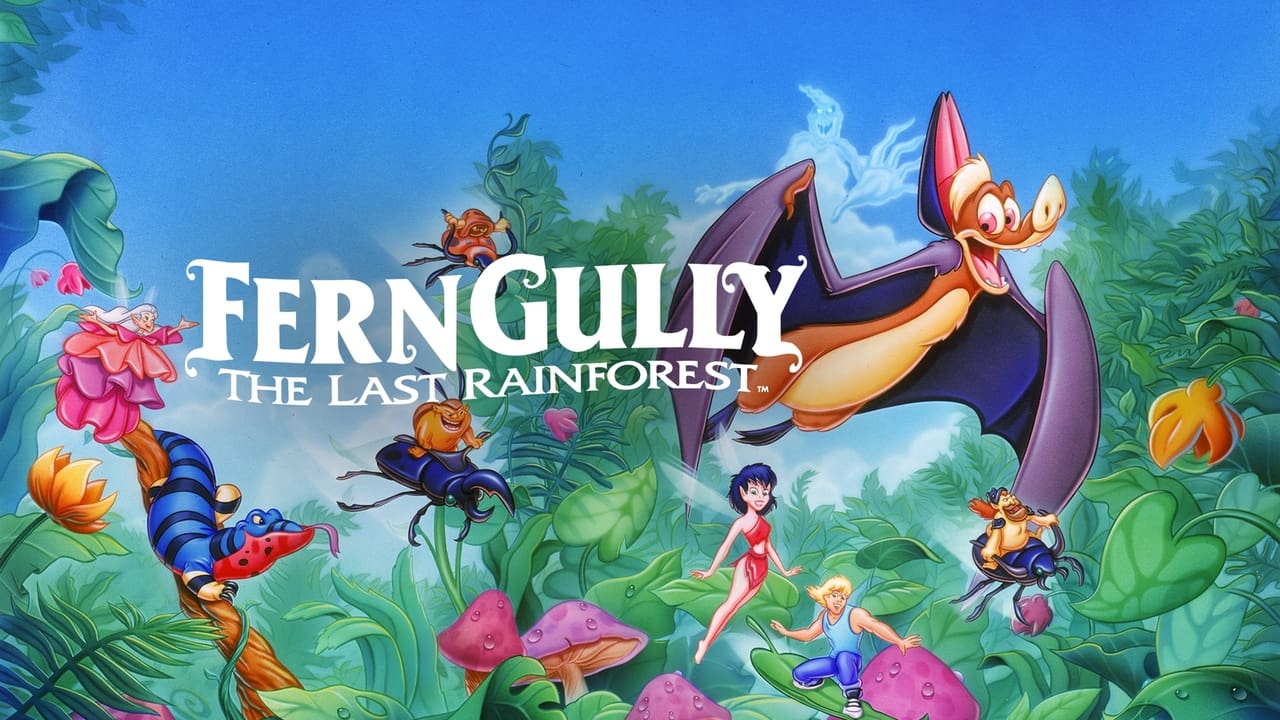
Directed by Bill Kroyer, an animator with roots stretching back to the groundbreaking effects of Tron (1982), FernGully immediately felt distinct. Based on the stories of Diana Young, it plunged viewers into an Australian rainforest teeming with life, specifically the hidden world of fairies who lived in harmony with nature. Our guide is Crysta (Samantha Mathis, bringing wide-eyed wonder), a curious young fairy fascinated by the world beyond the canopy, especially the mythical humans her elders warn her about. The animation, a blend of traditional cel work and early computer graphics (Kroyer's studio was an innovator here, alongside giants like Disney using their CAPS system), gave FernGully a luminous, sometimes ethereal quality. The forest felt alive, pulsing with colour and detail that popped, even on a standard-definition TV. It wasn’t always as polished as the Mouse House output, but it possessed a handcrafted charm and visual density that drew you right in.
When Worlds Collide (Literally)
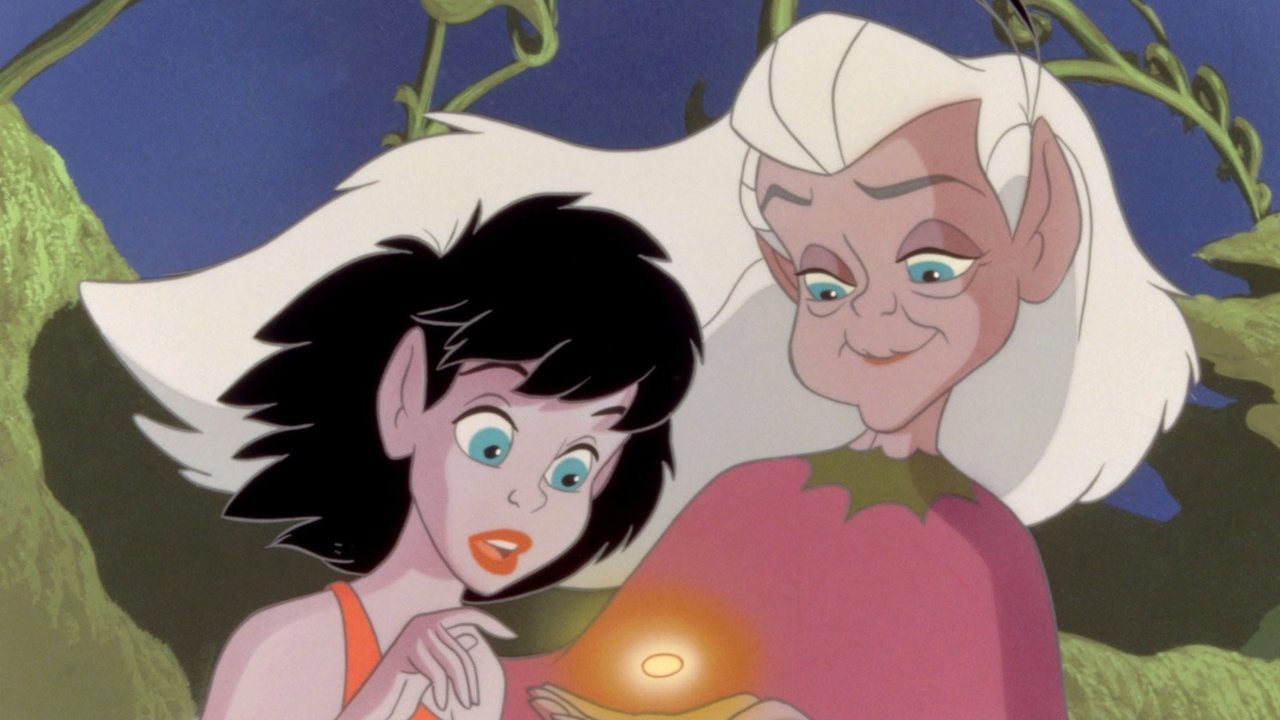
The story, penned by Jim Cox (who also had a hand in Disney tales like Oliver & Company and Beauty and the Beast) and Diana Young, kicks into high gear when Crysta accidentally shrinks a young logger named Zak (Christian Slater, perfectly cast with his cool-guy charm). Suddenly, the human world isn't a myth anymore; it's a tiny, bewildered guy seeing the forest – and the damage his own kind is inflicting – from a fairy's-eye view. This premise fuels the film's core message: a plea for environmental awareness delivered with earnestness rather than subtlety. Watching it back then, the threat of the 'Leveler' – the monstrous logging machine – felt genuinely menacing, a mechanical beast tearing through paradise. It might seem a bit on-the-nose today, but for many kids in the 90s, FernGully was perhaps their first real cinematic encounter with ecological themes, making the abstract concept of deforestation feel personal and immediate.
Unforgettable Voices in the Woods
While Crysta and Zak’s story forms the heart, let's be honest: the film is utterly stolen by two unforgettable supporting characters. First, there’s Batty Koda, the fruit bat experiment escapee voiced with manic, chaotic brilliance by the legendary Robin Williams. Apparently, Williams recorded hours of improvised material for Batty, much like he would later for the Genie in Aladdin (released the same year!). His "Batty Rap" is pure, unadulterated Williams energy, a hilarious and slightly tragic whirlwind that provided much of the film's comedic relief. I distinctly remember rewinding the VHS tape just to re-watch Batty’s frantic introductions and scattered observations.
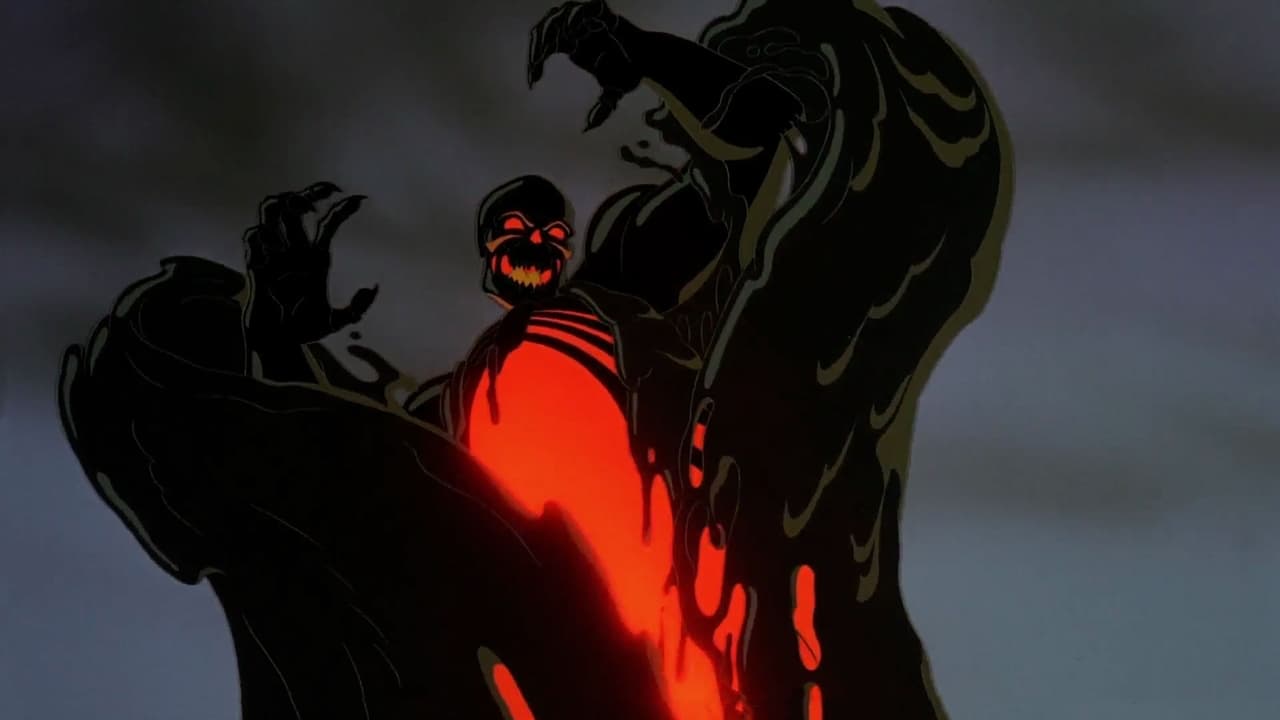
And then there’s Hexxus. Oh, Hexxus. Voiced with seductive, sinister glee by the incomparable Tim Curry, the spirit of pollution is easily one of the most memorable animated villains of the era. Emerging from a chopped-down tree as an amorphous sludge before transforming into a terrifying skeletal specter, Hexxus represented pure toxic destruction. His villain song, "Toxic Love," is a smoky, jazzy, and genuinely unsettling number that felt daringly dark for a family film. Curry’s performance is theatrical perfection, oozing menace and relish in equal measure. It’s a performance that sticks with you, a far cry from the cuddlier villains sometimes found elsewhere.
Retro Fun Facts & Forest Grooves
Beyond the star power, FernGully had some interesting production quirks. The film was an independent production, financed partly by Australian investors, giving it that slightly off-beat international flavour. Its budget was around $24 million, and while it wasn't a box office behemoth (grossing about $32.7 million worldwide), it found a significant second life on home video, becoming a staple rental for many families. The soundtrack was also a fascinating snapshot of the early 90s, featuring artists ranging from Elton John ("Some Other World") to Sheena Easton and even rapper Tone Loc. It was an eclectic mix that further set it apart from its contemporaries. Though it spawned a less-remembered direct-to-video sequel, FernGully 2: The Magical Rescue (1998), the original remains the touchstone.
Still Worth Visiting?
Watching FernGully today is a potent dose of nostalgia. The animation holds up surprisingly well in its painterly style, even if some of the early CGI elements look dated. The environmental message, while direct, feels perhaps even more relevant now than it did in 1992. The pacing might lag slightly in the middle, and some character arcs feel a little thin compared to the standouts. But the sheer earnestness, the visual imagination, and those powerhouse vocal performances from Williams and Curry elevate it beyond just another animated feature. It dared to be different, tackling serious themes with moments of genuine darkness alongside its whimsy and humour.
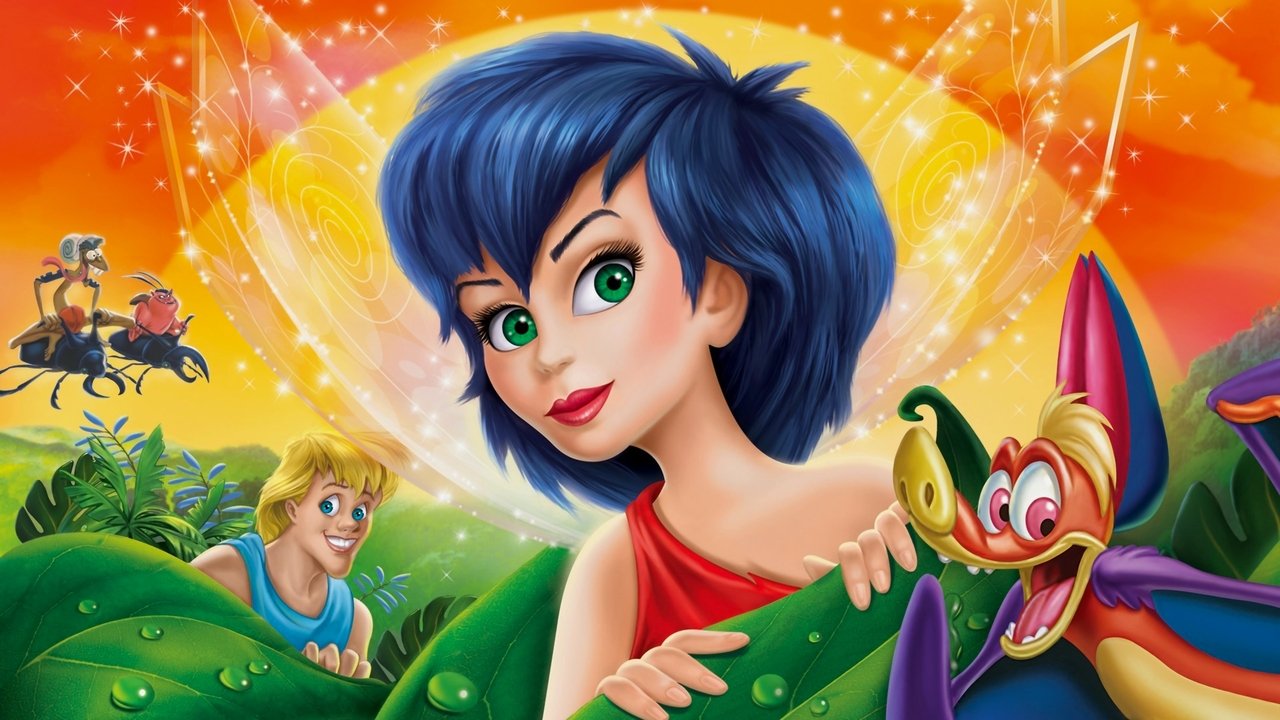
VHS Heaven Rating: 7/10
FernGully: The Last Rainforest earns a solid 7 out of 10. It's not perfect; the storytelling can be a bit straightforward, and it wears its message proudly on its sleeve. However, its unique visual style, unforgettable villain, iconic comedic relief from Robin Williams, and heartfelt environmental plea make it a truly special piece of 90s animation. It captured imaginations with its blend of fairy magic and real-world stakes, and revisiting it feels like rediscovering a cherished, slightly quirky corner of cinematic childhood.
It’s a film that reminds us that sometimes, the most important adventures are the ones that teach us to see the world – and our impact on it – just a little bit differently. A worthy resident of any nostalgia shelf.