Ah, the late 90s. The era when Disney discovered the magic formula: take a beloved animated classic, sprinkle some lower-budget fairy dust, and presto! A direct-to-video sequel materialized on the shelves of Blockbuster, ready to be scooped up by kids eager for more adventures with their favorite characters. And so, following the sweeping romance and historical-ish drama of the 1995 hit, came Pocahontas II: Journey to a New World in 1998, a title that practically promised grand adventure right there on the oversized clamshell case. For many of us, seeing this pop up felt like discovering a secret chapter, even if it didn't quite have the same theatrical sheen.
### A Whole New World, Indeed
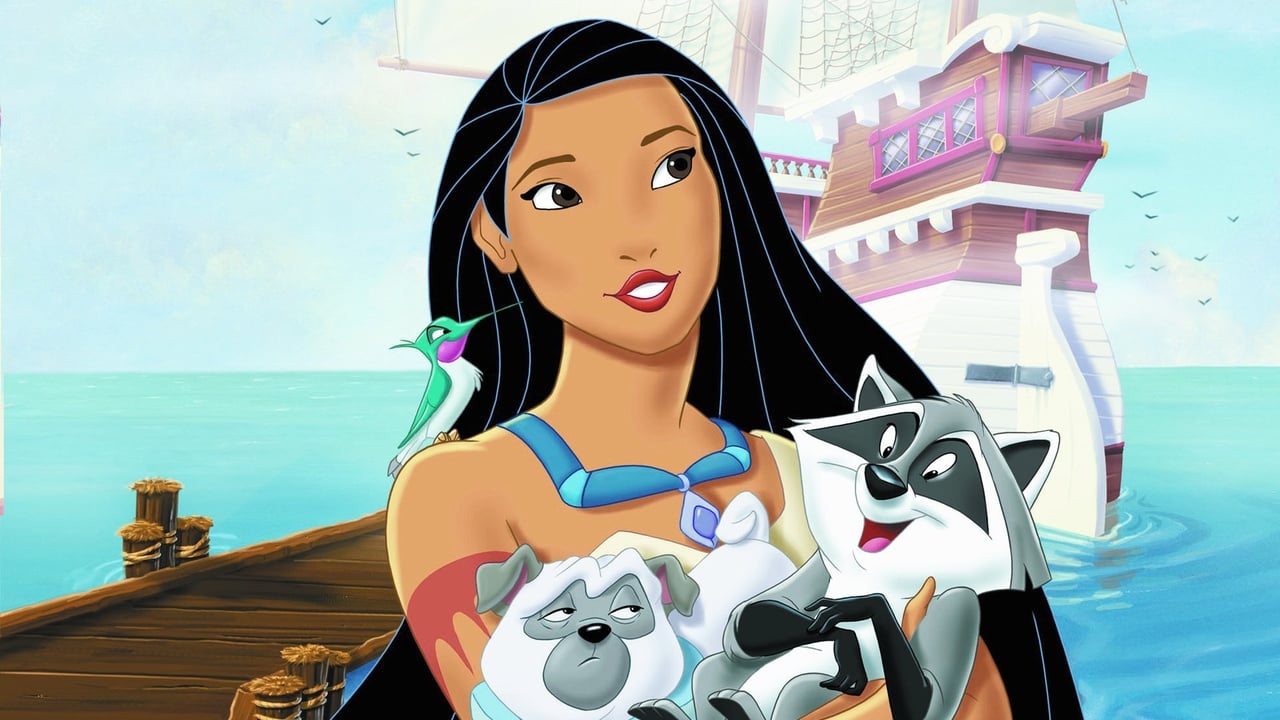
Picking up where the original left off (sort of), Pocahontas II finds our titular heroine grappling with news of John Smith's apparent demise while facing renewed tensions between her people and the settlers. Enter John Rolfe (Billy Zane, bringing that familiar smooth voice), a charming English diplomat tasked with escorting a Native American emissary to London to negotiate peace with King James (Jim Cummings, doing typically versatile voice work). Believing this is the path to peace, Pocahontas (Irene Bedard, thankfully returning to lend her grounding voice) agrees to the daunting journey, swapping the forests of Virginia for the cobblestone streets and courtly intrigue of Jacobean England. It was certainly a bold narrative swing, taking the character completely out of her element and into the heart of the "New World" from the settlers' perspective.
### London Calling (on a Budget)
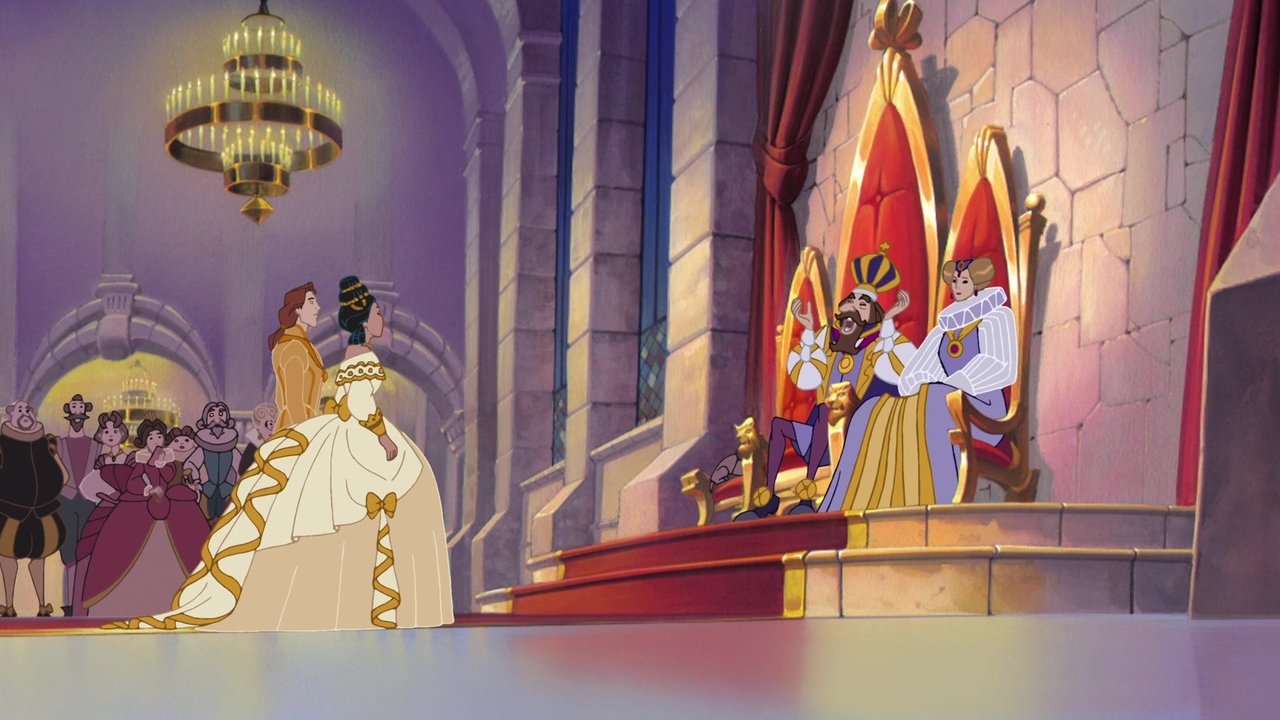
Directed by Tom Ellery and Bradley Raymond (who would go on to helm other Disneytoon projects like The Lion King 1½), the film tries admirably to capture a sense of scale and wonder in London. The animation, primarily handled by Disney's television animation units in Japan and Canada, is... well, it's distinctly direct-to-video. While serviceable, it lacks the fluidity, detail, and sheer artistry of the original theatrical release. You notice it in the character movements, the less complex backgrounds, and the overall polish. It wasn't necessarily bad for the format – these sequels were made for a fraction of the cost of their predecessors – but the difference was palpable, even on our forgiving CRT screens back in the day. One fascinating tidbit: these sequels were incredibly profitable for Disney, costing maybe $15-20 million to make but often generating over $100 million in sales and rentals, proving the model's effectiveness, artistically debatable though it might be.
The story itself, penned by the writing team of Allen Estrin, Cindy Marcus, and Flip Kobler (who also worked on The Lion King II: Simba's Pride around the same time), makes some... interesting choices. The return of Governor Ratcliffe (David Ogden Stiers, gleefully chewing the scenery again) as the primary antagonist feels a bit forced, a way to shoehorn in a familiar villain rather than grapple with the more complex historical realities. And then there's the central love triangle.
### The John Smith Question

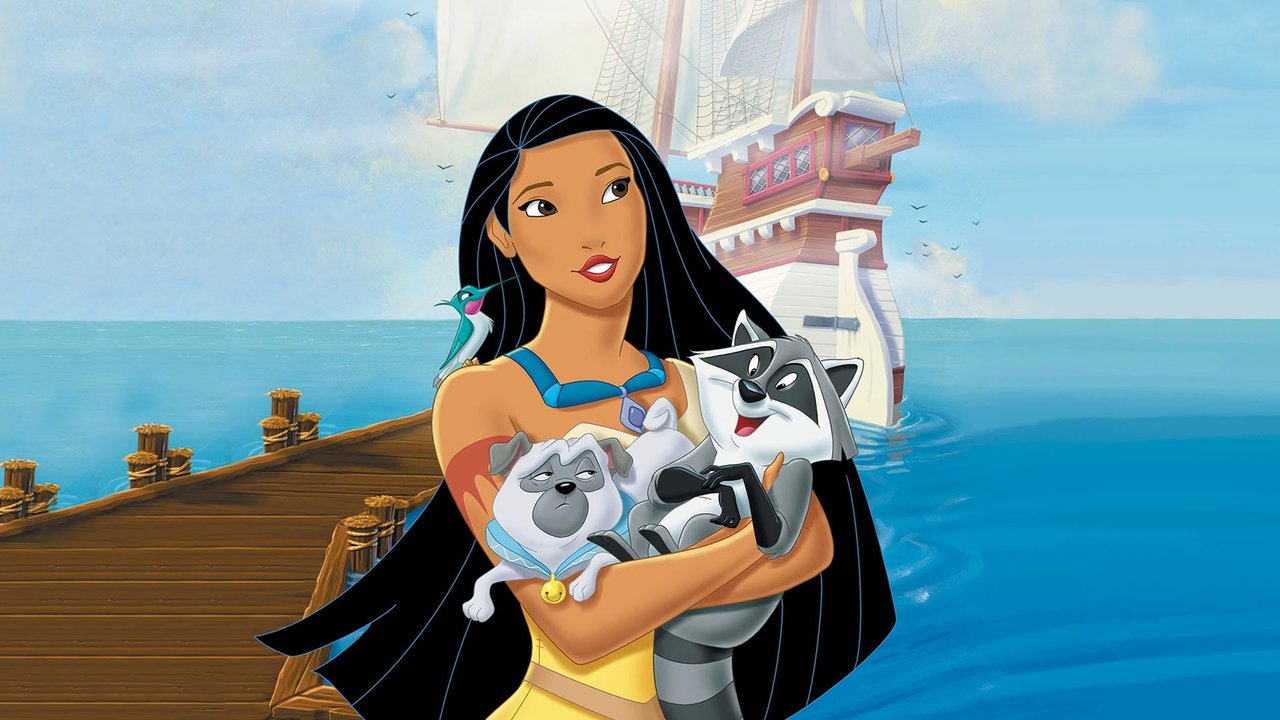
Ah, yes. The film’s most debated element, even back then, was the handling of John Smith. With Mel Gibson not returning, the role was voiced by his younger brother, Donal Gibson. Hearing a different voice coming from Smith was jarring enough, but the plot sidelines him, reveals he's alive (surprise!), and ultimately pushes Pocahontas towards the historically accurate partner, John Rolfe. While aligning closer to actual history (Pocahontas did marry Rolfe and travel to England), the execution felt rushed and emotionally unsatisfying for many who were invested in the Pocahontas/Smith romance from the first film. It’s a classic sequel conundrum: stick to the established narrative or pivot towards historical fact, potentially alienating fans either way. Pocahontas II tried to do both, and the result felt awkward. We went from the soaring "Colors of the Wind" to a more soap-opera-esque romantic shuffle.
Despite these narrative and aesthetic shortcomings, there’s a certain charm to Pocahontas II when viewed through the lens of 90s nostalgia. It represents a specific moment in Disney history, this explosion of home video content that filled countless hours after school or on rainy weekends. Irene Bedard's performance remains a highlight, bringing dignity and warmth to Pocahontas even amidst the slightly sillier plot points (like teaching stuffy nobles to loosen up). And Billy Zane makes John Rolfe a genuinely likable character. The songs, while not hitting the Alan Menken/Stephen Schwartz heights of the original, have a certain gentle appeal fitting the made-for-video vibe.
### Retro Fun Facts
Digging into the VHS vault reveals a few extra nuggets. The decision to lean into the John Rolfe relationship was apparently driven partly by a desire to be slightly more historically accurate than the first film, though "accuracy" remained a very loose concept. Ratcliffe's plot to sabotage Pocahontas and incite war is entirely fictional. Also, Jim Cummings, the voice of King James and others, is a true Disney legend, having voiced Winnie the Pooh, Tigger, Darkwing Duck, and countless characters across decades of animation – his presence is always a welcome, familiar sound in these productions. The film actually received somewhat better audience scores initially than critical ones, suggesting many younger viewers were just happy to have another Pocahontas adventure, regardless of the changes. It was a fixture in the video rental stores, often displayed prominently near the original, ensuring it found its audience.
### Final Thoughts on the Journey
Pocahontas II: Journey to a New World is undeniably a product of its time – a time when Disney sequels were plentiful, expectations were perhaps a bit lower for home video releases, and we were just thrilled to get more stories from worlds we loved. It lacks the magic, the artistry, and the emotional resonance of the original 1995 film. The animation is a clear step down, the plot takes controversial turns, and the villain feels recycled.
However, viewed as a nostalgic artifact, a curious "what if?" chapter in the Disney saga, it holds a certain interest. It’s a reminder of that wave of sequels that defined 90s home video for many families. It aimed for a different kind of story, even if it stumbled in the execution.
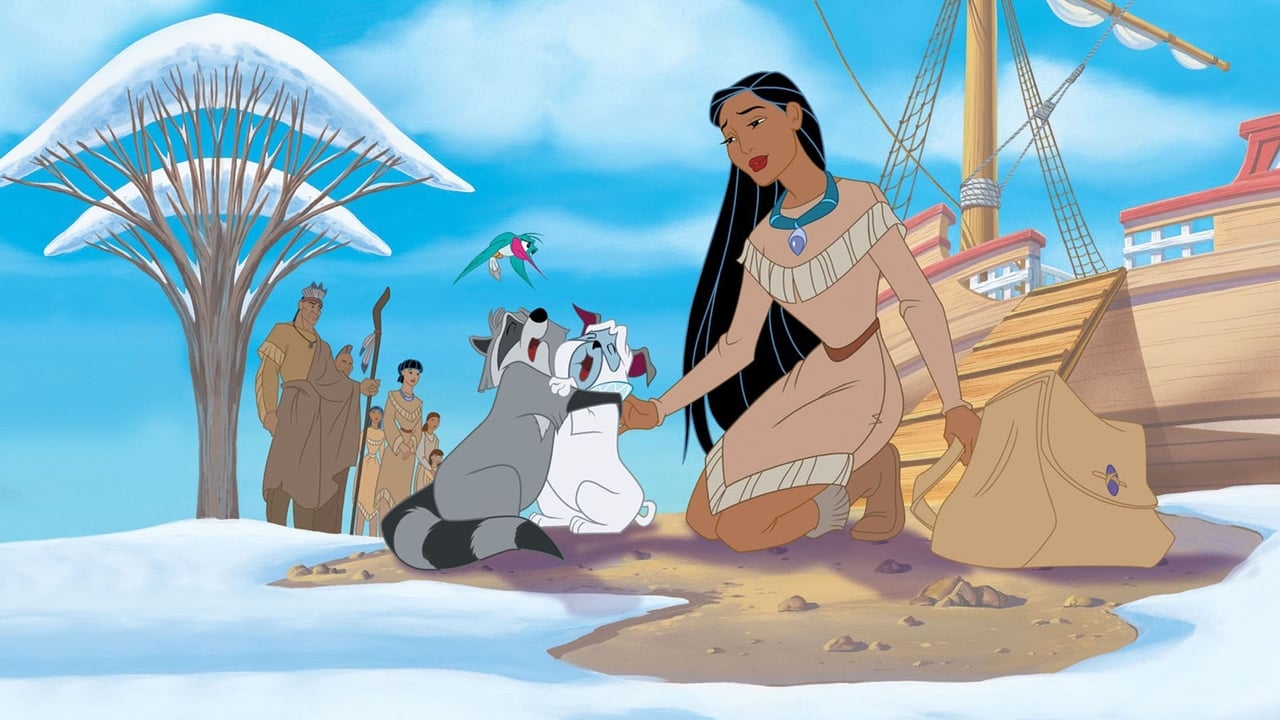
Rating: 4/10
The score reflects the significant drop in quality from the original, the awkward handling of the central relationships, and the limitations of its direct-to-video nature. However, it avoids a lower score due to Irene Bedard's committed performance, some genuinely charming moments with John Rolfe, and its undeniable status as a piece of 90s Disney home video history.
It might not be a grand voyage you revisit often, but like finding an old postcard from a trip taken long ago, Pocahontas II offers a brief, slightly faded glimpse back to a very specific port of call in the vast ocean of 90s animation.