Floating down the Mississippi on a rickety raft – the sun beating down, the promise of freedom and adventure just around the next bend, but danger lurking beneath the surface and along the shore. That's the enduring pull of Mark Twain's masterpiece, and in 1993, director Stephen Sommers brought The Adventures of Huck Finn to the screen with a youthful energy and visual flair that felt right at home on our VCRs. It wasn't the first trip downriver, nor the last, but this Disney adaptation captured a specific blend of boyhood escapade and burgeoning conscience that stuck with many of us.
A River Runs Through It
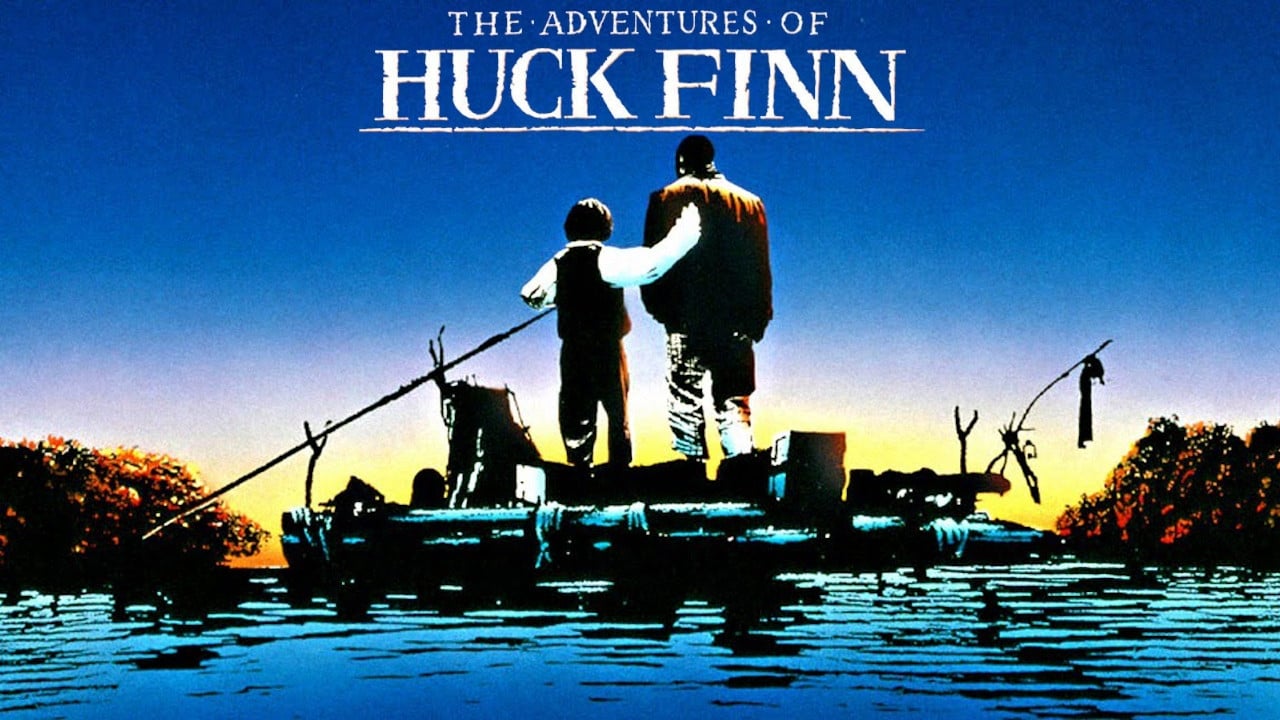
Starring a bright-eyed, pre-Frodo Elijah Wood as the titular runaway, this version leans into the adventure part of the title, perhaps smoothed a little for its PG rating, but never entirely shying away from the complexities of its source. Wood, barely a teenager at the time, embodies Huck's scrappy resilience and innate sense of fairness, even when grappling with the deeply ingrained prejudices of his time. His journey begins as an escape from his abusive Pap (a menacing Ron Perlman cameo) and the "sivilized" life offered by the Widow Douglas, but it truly takes shape when he encounters Jim (Courtney B. Vance), a runaway slave seeking freedom for himself and his family.
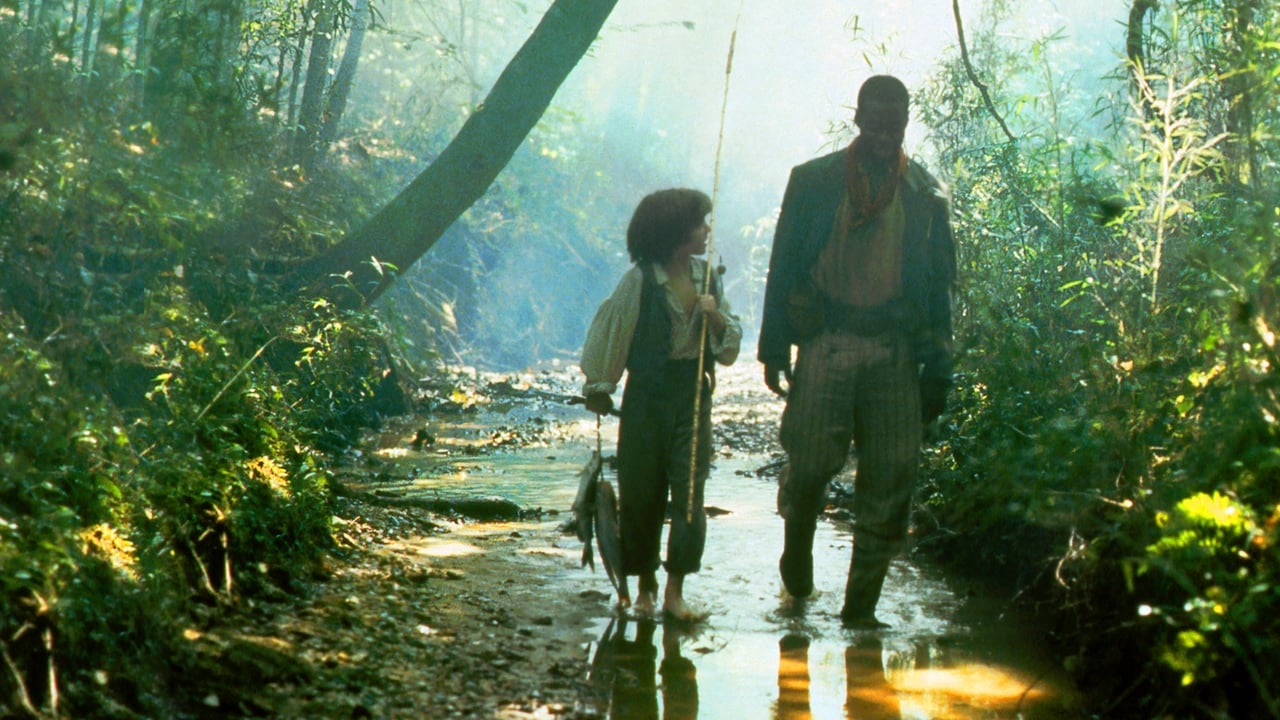
Their shared voyage becomes the heart of the film. Courtney B. Vance, an actor of immense talent even then, gives Jim a quiet dignity and profound humanity that anchors the story. The bond that forms between the uneducated, neglected white boy and the determined, intelligent black man seeking liberty is portrayed with genuine warmth. You feel their reliance on each other, the slow dismantling of Huck's learned biases, and the shared moments of fear and relief. It’s this central relationship that elevates the film beyond mere adventure yarn.
Rogues, Rascals, and River Life
Of course, no trip down the Mississippi with Huck is complete without encountering its colourful, and often dangerous, inhabitants. Jason Robards and Robbie Coltrane (years before he’d become Hagrid in the Harry Potter series) chew the scenery with delightful abandon as the con-artist duo, The King and The Duke. Their schemes, particularly the attempt to defraud the Wilks sisters, provide moments of broad comedy and underscore the hypocrisy Huck is trying to escape. They’re buffoonish, yes, but carry an undercurrent of real menace, reminding us the river isn't just idyllic scenery.
Stephen Sommers, who both wrote and directed, was still honing the blockbuster style he’d later unleash in The Mummy (1999). Here, you can see glimpses of his knack for pacing and action, particularly in Huck’s various escapes and close calls. Filming extensively on location in Natchez, Mississippi, lends the film an authentic, sun-drenched atmosphere. You can almost feel the humidity and hear the cicadas buzzing. It wasn’t a mega-budget affair – reportedly made for around $6.5 million, it turned a respectable profit, grossing about $24 million – but Sommers makes the most of his resources, delivering a handsome-looking period piece.

Retro Fun Facts & Navigating Twain
Adapting Huck Finn always presents challenges, particularly regarding its language and themes of racism. This Disney production, understandably, navigated these waters carefully. The controversial N-word, central to debates around the book, was omitted from the dialogue. While some might argue this softens Twain's pointed critique, Sommers and Vance worked to ensure Jim's plight and intelligence remained central. Vance’s performance, in particular, resists caricature, making Jim a fully realized character seeking agency in a world designed to deny it. It’s a 90s interpretation, certainly, viewed through the lens of a family-friendly studio, but one that still attempts to grapple with the moral core of Twain's work. Interestingly, Stephen Sommers reportedly fought to maintain the integrity and depth of Jim's character against potential studio pressure to lighten the themes further, a testament to his commitment to that central relationship.
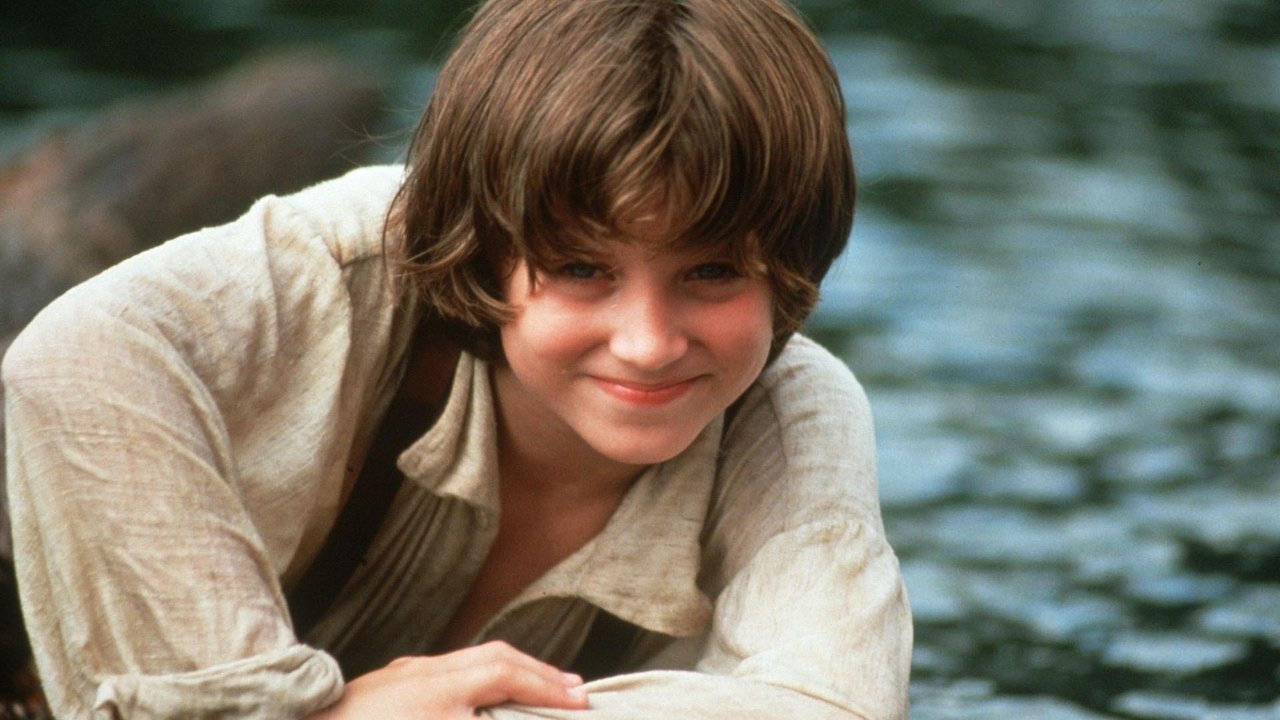
Did you know Elijah Wood performed many of his own stunts? For a kid barely 12 years old during filming, that adds another layer to his convincing portrayal of the resourceful Huck. It’s details like this – the real Mississippi backdrop, the commitment of the actors, Sommers cutting his teeth on adventure storytelling – that make revisiting this version worthwhile.
Still Worth the Voyage?
While it might not capture the full satirical bite or the linguistic richness of Twain's novel (few adaptations truly can), The Adventures of Huck Finn (1993) stands as a solid, engaging adventure film with strong central performances. It introduced a generation to this seminal American story in a way that was accessible, exciting, and visually memorable. Wood’s earnestness and Vance’s gravitas create a compelling duo, and the supporting cast adds colour and texture to their journey. It balances the thrill of escape with the weight of the moral questions Huck confronts, making it more thoughtful than your average 90s family adventure.
For those of us who first met Huck and Jim on a rented VHS tape, this film often holds a special place. It might feel a touch earnest or slightly sanitized compared to the literary source, but its heart is in the right place, championing friendship and freedom against the backdrop of a flawed society.
VHS Heaven Rating: 7/10
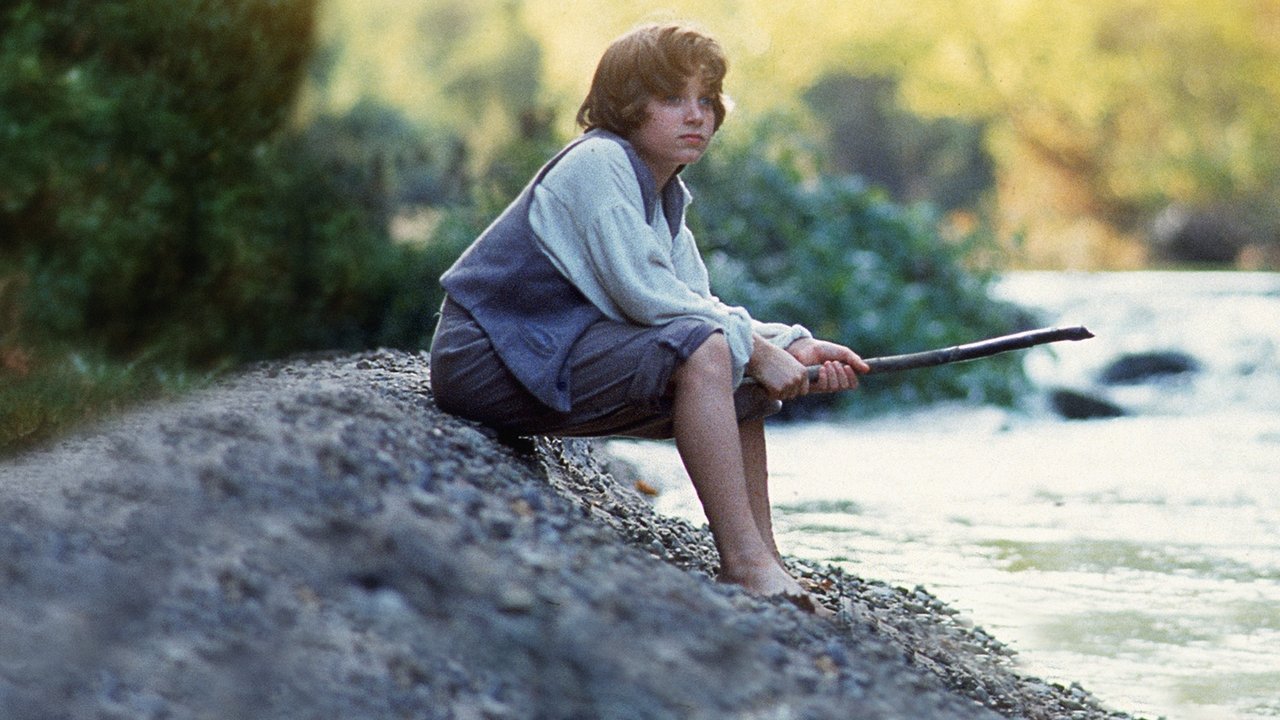
Justification: A strong 7 for its earnest performances, particularly from Elijah Wood and Courtney B. Vance, its authentic sense of place thanks to location filming, and its success as an engaging, accessible gateway to Twain's complex story for a younger 90s audience. It handles the difficult themes respectfully, if cautiously, within its PG framework, and Stephen Sommers delivers a well-paced adventure. It doesn't quite reach the profound depths of the novel, but it’s a heartfelt and well-crafted adaptation that holds up fondly.
Final Thought: Like finding a well-worn paperback copy of a classic, this Huck Finn feels familiar and comforting, a reminder of river adventures and moral compasses discovered on the flickering screen.