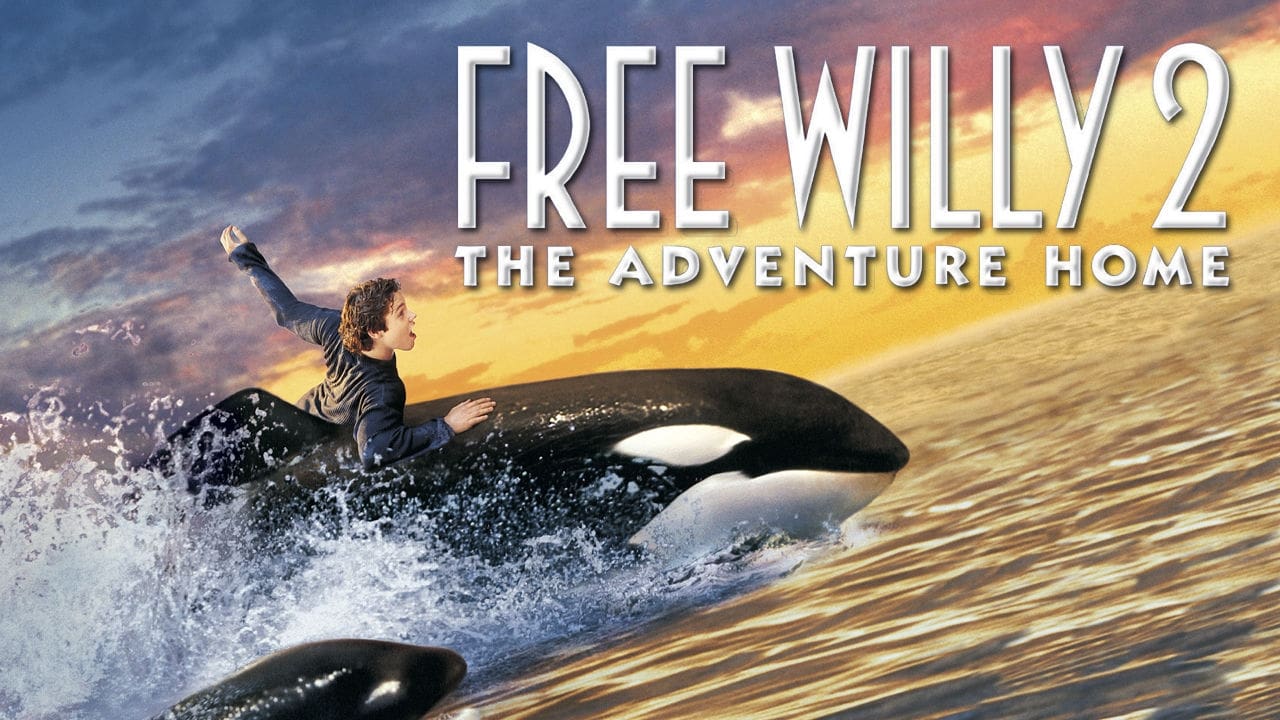
Alright, settle back into that comfy spot on the couch, maybe imagine the satisfying clunk of a VHS tape sliding into the VCR. Today, we're diving back into the waters of the mid-90s with a sequel that had some mighty big flippers to fill: Free Willy 2: The Adventure Home (1995). Following the unexpected global splash of the original, which tugged heartstrings and even fueled real-world conservation efforts for its star, Keiko, this follow-up aimed to bring us back to the majestic world of Willy the Orca. But could it possibly recapture that lightning in a bottle?
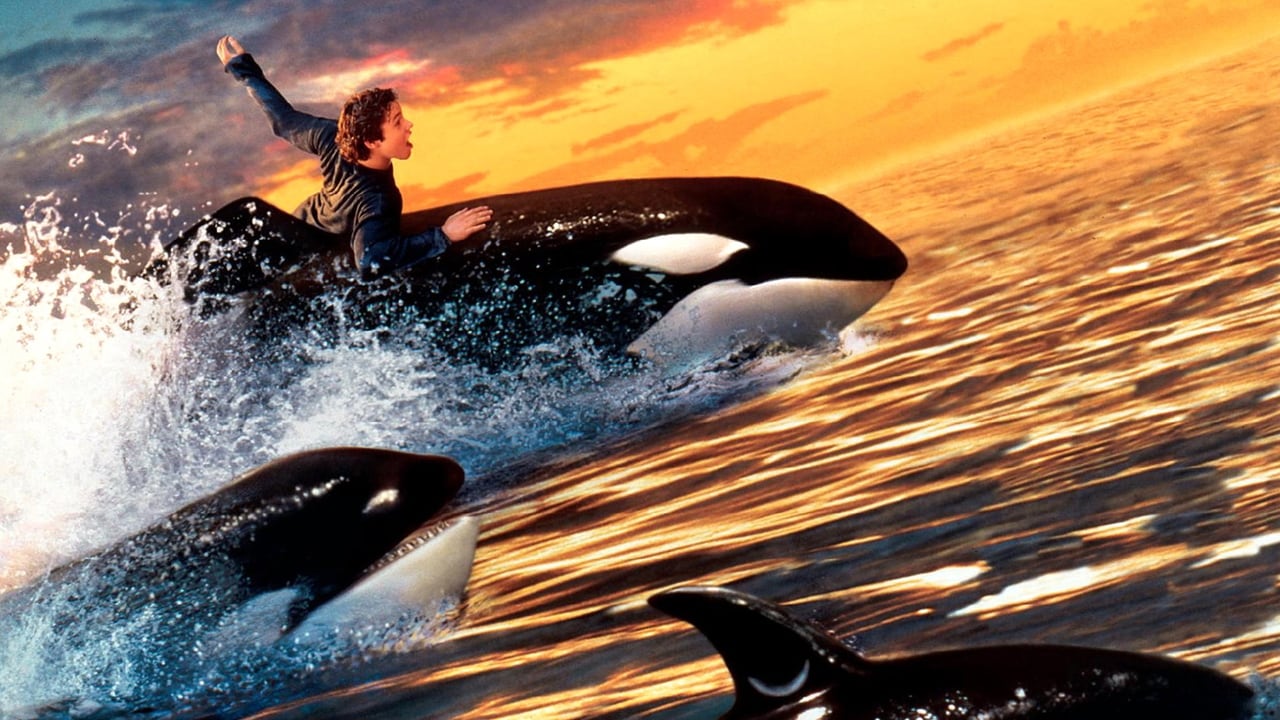
The challenge for any sequel to a beloved hit is immense, and Free Willy 2 certainly felt that pressure. Released just two years after the original became a cultural touchstone, the film wisely doesn't try to simply repeat the formula. Instead, it reunites us with a slightly older, perhaps slightly wiser Jesse (Jason James Richter, slipping back into the role with ease), now navigating the complexities of a blended family during a summer trip to the stunning Pacific Northwest. Gone is the singular focus on freeing Willy; this time, the stakes are dramatically higher, involving not just Willy but his entire orca family.
### New Family, Bigger Problems
One of the charms of The Adventure Home is seeing Jesse’s world expand. His reunion with his estranged mother brings him face-to-face with a sarcastic but ultimately good-hearted half-brother, Elvis, played with perfect 90s kid energy by Francis Capra. Their initially prickly relationship provides some grounded family drama amidst the aquatic adventure. Add in a burgeoning summer romance with the thoughtful Nadine (Mary Kate Schellhardt), the goddaughter of Randolph (the ever-reliable August Schellenberg), and you have a solid emotional core. It felt, in many ways, like catching up with old friends whose lives had moved on, adding a layer of relatable change that anchored the fantastical elements.
But this isn't just a family camping trip. The core conflict erupts – quite literally – when an oil tanker runs aground, spilling its toxic cargo and trapping Willy, his sister Luna, and brother Littlespot in a secluded cove, with menacing flames licking closer. This environmental disaster plot shifted the series into more direct advocacy territory, reflecting the growing awareness and concerns of the era. It felt bigger, more dangerous than the first film's narrative, aiming for thrills alongside the heart.
### Bringing the Pod to Life
Visually, Free Willy 2 represented a significant step up in ambition. While the original relied heavily on the real Keiko, this sequel employed a sophisticated blend of animatronics, puppetry, and early computer-generated imagery to portray Willy and his family. Edge Innovations, the wizards behind the first film's mechanical marvels, returned to create even more complex and lifelike orcas capable of expressing a wider range of emotion and action. You could really feel the effort poured into making these majestic creatures believable on screen, especially during the tense underwater sequences.
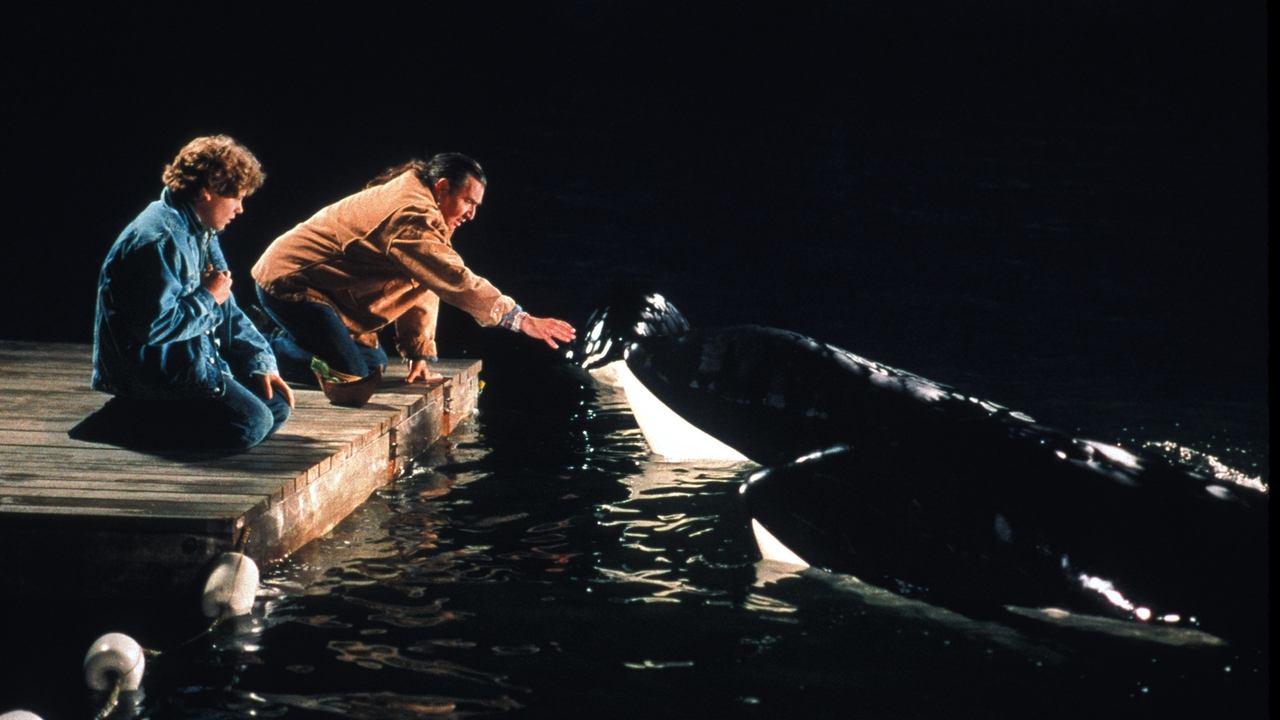
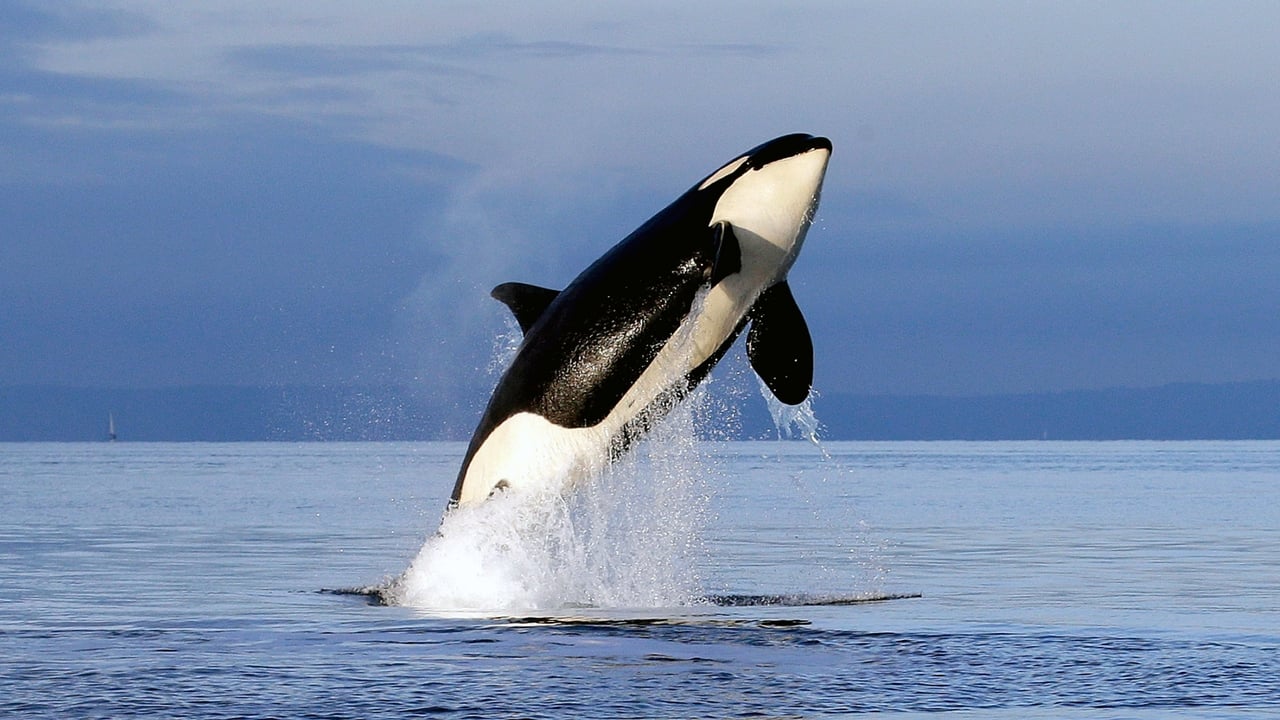
Helming this adventure was director Dwight H. Little, known more for his work in the action genre with films like Steven Seagal’s Marked for Death (1990) and Brandon Lee’s Rapid Fire (1992). You can arguably see that influence in the film's impressive set pieces. The oil tanker sequence, culminating in a massive, fiery explosion, feels genuinely perilous and showcases some impressive practical effects work for the time. It’s a sequence that likely had many young viewers gripping the arms of their chairs back in the day! Complementing the visuals is the stirring score by Basil Poledouris, who adapted his iconic themes from the first film, adding layers of urgency and emotion that perfectly underscore the on-screen drama.
### Reeling In the Details
Pulling back the curtain reveals some interesting tidbits about this sequel. While the first Free Willy was a surprise smash hit, grossing over $153 million worldwide against a $20 million budget, The Adventure Home faced choppier waters financially. Made for around $30 million, it brought in approximately $30 million domestically – respectable, but nowhere near the phenomenon of its predecessor. Perhaps the shift towards a darker, more complex environmental threat didn't resonate quite as universally, or maybe the initial magic was simply impossible to replicate.
Filming took place primarily in the beautiful San Juan Islands of Washington state and Astoria, Oregon (also famously home to The Goonies!), lending the film an authentic Pacific Northwest atmosphere that’s practically a character in itself. And while Keiko, the real whale who inspired it all, had become a global celebrity thanks to the first movie and the subsequent Free Willy Keiko Foundation, his actual on-screen presence was reduced in the sequel, relying more on the technical wizardry to bring the orca pod to life. It’s a testament to the effects team that many viewers likely didn’t notice the difference back then.
### The Verdict: A Worthy, If Different, Voyage
Free Willy 2: The Adventure Home might not hold the exact same cherished spot in our collective memory as the groundbreaking original, but it's far from a forgettable sequel. It offers a more complex story, raises the stakes significantly, and provides some genuinely thrilling moments alongside the expected heartwarming reunions. The performances feel natural, capturing the awkwardness and earnestness of adolescence, and the environmental message, while perhaps less subtle than the first film's, feels passionately delivered.
The blend of practical effects, advanced animatronics, and early CGI holds up surprisingly well, reminding us of a time when spectacle often relied on tangible ingenuity. It might lack the singular, pure focus of Jesse and Willy's initial bond, occasionally feeling a bit busy with its multiple plot threads, but it compensates with scale and a willingness to tackle weightier themes. It’s a solid piece of 90s family entertainment that aimed high, delivering adventure and emotion in equal measure.
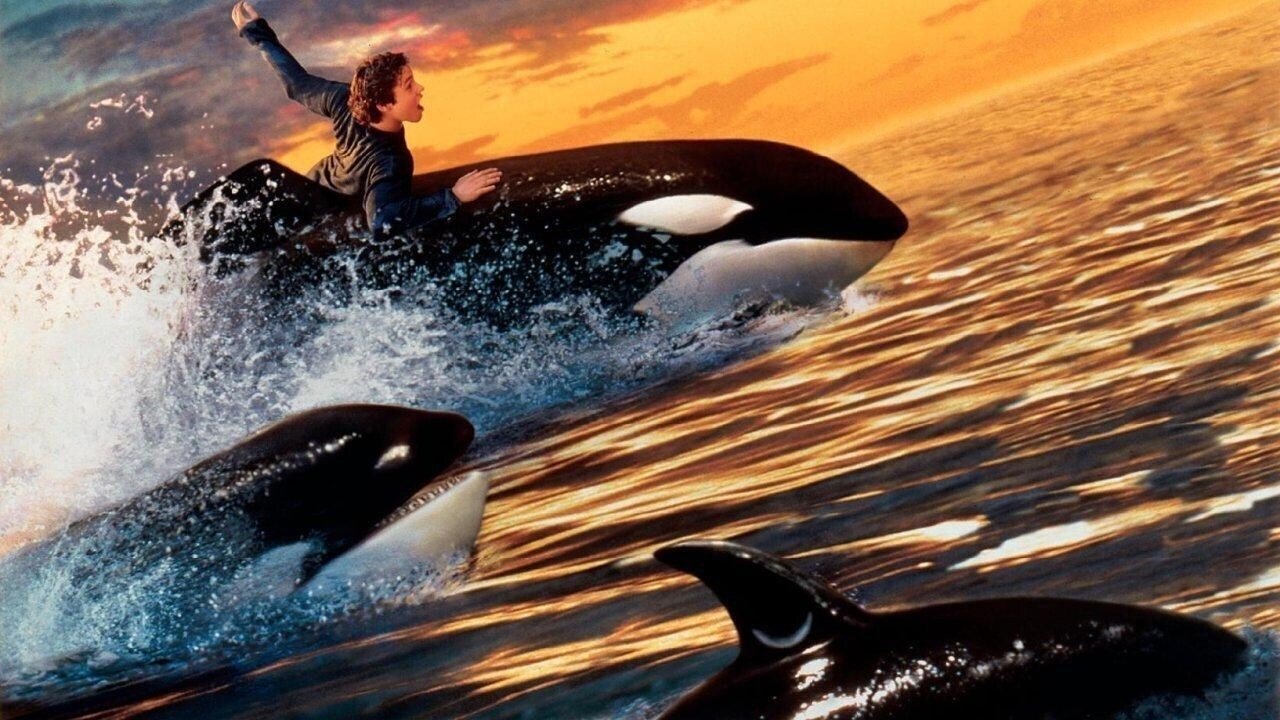
Rating: 7/10
Why this score? Free Willy 2 earns a solid 7 for successfully expanding the world, delivering impressive effects for its time, and maintaining the core emotional appeal, even if it doesn't quite reach the iconic status of the original. It’s ambitious, visually engaging, and carries a worthwhile message, making it a strong entry in the 90s family adventure canon. The slightly less focused narrative keeps it from reaching higher, but the heart and adventure are undeniable.
So, if you spot that familiar cover art on a dusty shelf or scrolling through a streaming service, give The Adventure Home another look. It’s a reminder of a time when movie magic felt tangible, environmental messages were finding their voice in blockbusters, and the sight of an orca leaping over flames could still fill us with wide-eyed wonder. A worthy chapter in Willy’s saga, indeed.