It arrived like a thunderclap in the jungle canopy, didn't it? 1999's Tarzan wasn't just another Disney animated feature; it felt like something new. I remember the buzz, the sheer visual dynamism that leaped off the screen even on our trusty old CRT. It felt less like watching a drawing and more like being swept along on a breathtaking vine-swing through a world painted with impossible depth and energy. This wasn't just the end of a decade; it felt like a powerful, chest-thumping roar signaling the peak, and perhaps the bittersweet end, of the Disney Renaissance era.
### Painting with Motion
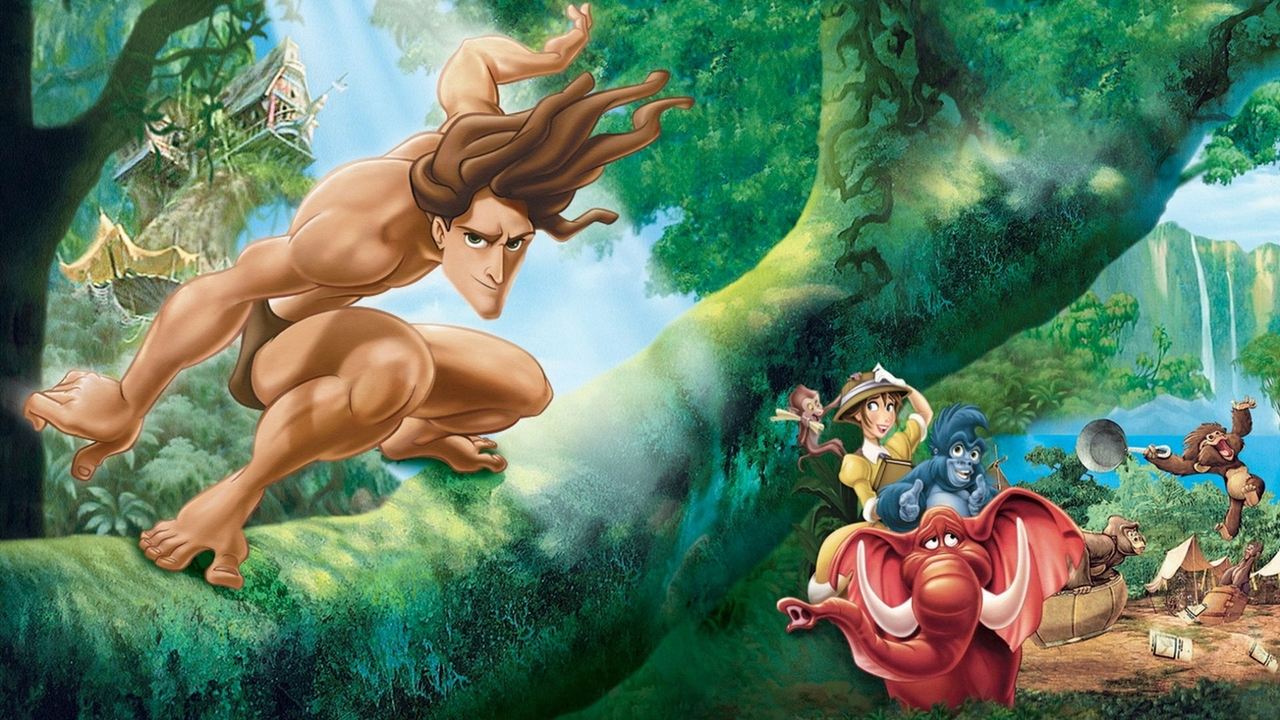
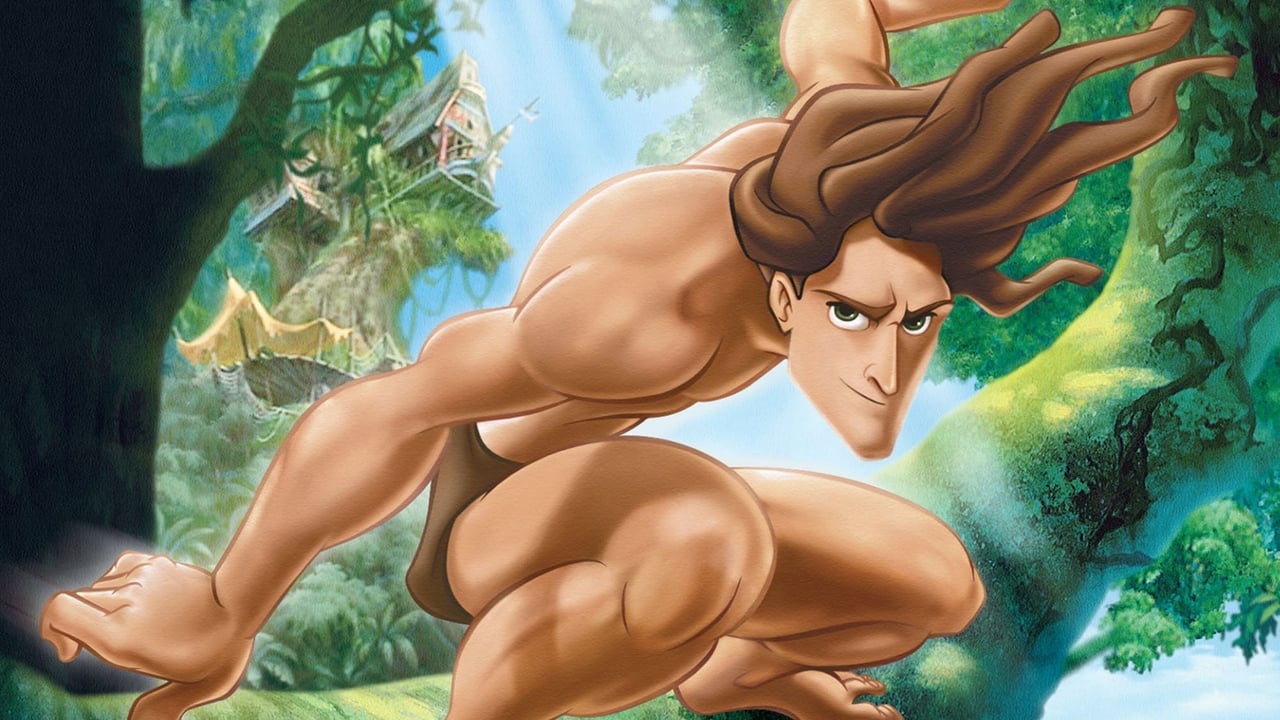
Right from the opening sequence, directors Kevin Lima (A Goofy Movie, Enchanted) and Chris Buck (who would later co-direct Frozen) made their intentions clear: this film was going to move. The traditional animation was gorgeous, of course, but it was amplified by the groundbreaking "Deep Canvas" technique. Developed by Disney specifically for Tarzan, this digital wizardry allowed animators to create 3D-rendered backgrounds that the 2D characters could move through with unprecedented fluidity. Remember those astonishing sequences of Tarzan "surfing" down massive tree branches? That wasn't just clever animation; it was a technological leap that cost a reported $130 million (a hefty sum back then, roughly $240 million today!) but resulted in visuals that truly immersed you in the dense, dangerous beauty of the African jungle. It gave the film a kinetic energy that felt revolutionary for hand-drawn animation, pulling us viewers right alongside Tarzan on his high-speed adventures.
### Heart of the Ape Man
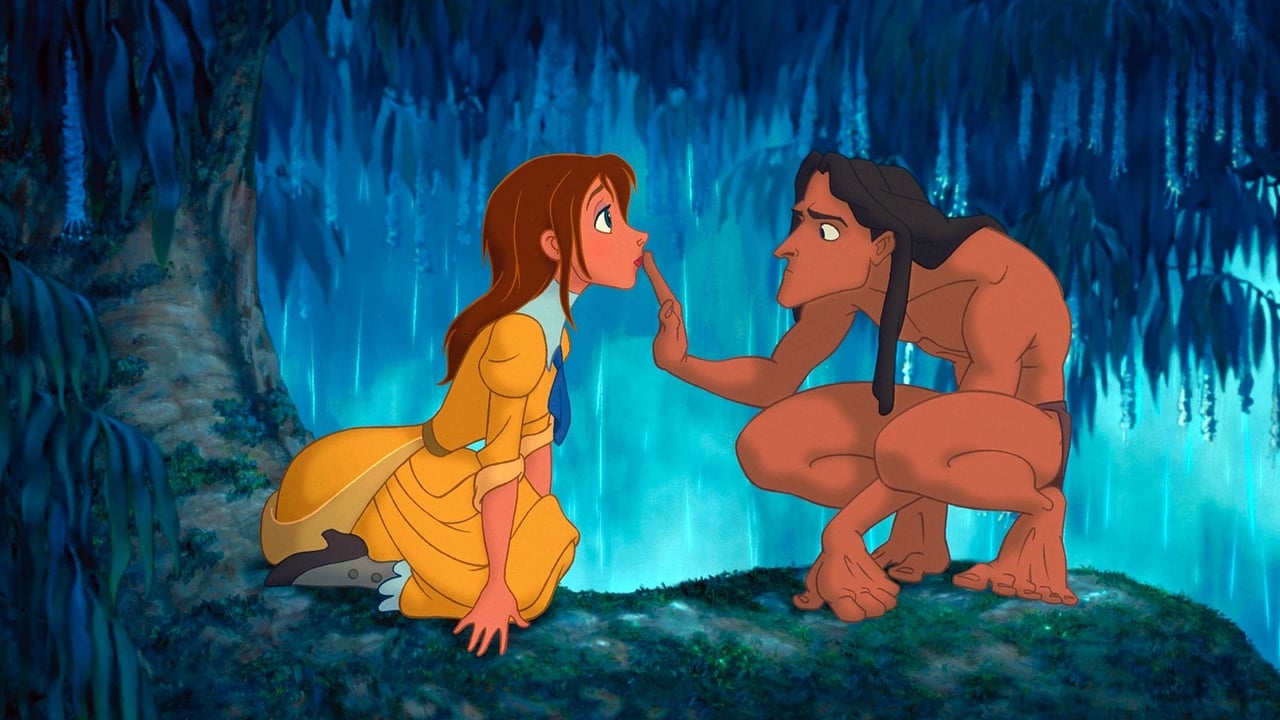
Beneath the dazzling visuals and thrilling action beats a surprisingly resonant emotional core. The screenplay, penned by Tab Murphy, Bob Tzudiker, and Noni White, adapts Edgar Rice Burroughs' classic tale with sensitivity, focusing powerfully on themes of belonging, identity, and family. The prologue, depicting the tragic loss of both Tarzan's human parents and Kala's own child, remains incredibly poignant. Glenn Close gives Kala such warmth and fierce maternal love; her relationship with Tarzan forms the film's undeniable heart. You truly feel her pain when the stoic gorilla leader Kerchak (voiced with gravelly authority by the great Lance Henriksen, known for Aliens) refuses to fully accept the human child.
And Tarzan himself? Tony Goldwyn (perhaps best known then as the villain in Ghost) wasn't the most obvious choice, lacking the marquee voice-actor status of some Disney leads, but he brought a fantastic physicality and emotional vulnerability to the role. You could hear the character's journey from mimicking ape sounds to tentatively forming human words, capturing that internal conflict beautifully. It was a performance that relied less on celebrity recognition and more on pure character embodiment.
### The Sound of the Jungle Drums
You simply cannot talk about Tarzan without discussing the music. In a bold move away from the typical Disney musical structure where characters burst into song, the filmmakers enlisted rock legend Phil Collins to provide both the score and narrative songs. This was… different. Initially, I recall some purists being a bit hesitant, missing the character-driven show tunes. But Collins' percussive, driving soundtrack became inextricably linked with the film's identity. Songs like "Two Worlds," "Son of Man," and the tender, Oscar-winning lullaby "You'll Be In My Heart" weren't just background music; they were the film's pulse, commenting on the action and emotion like a Greek chorus pounding out a jungle beat. It was a gamble that paid off handsomely, contributing significantly to the film's atmosphere and its massive $448 million worldwide box office success. That soundtrack was everywhere in '99 and 2000!
### Worlds Collide
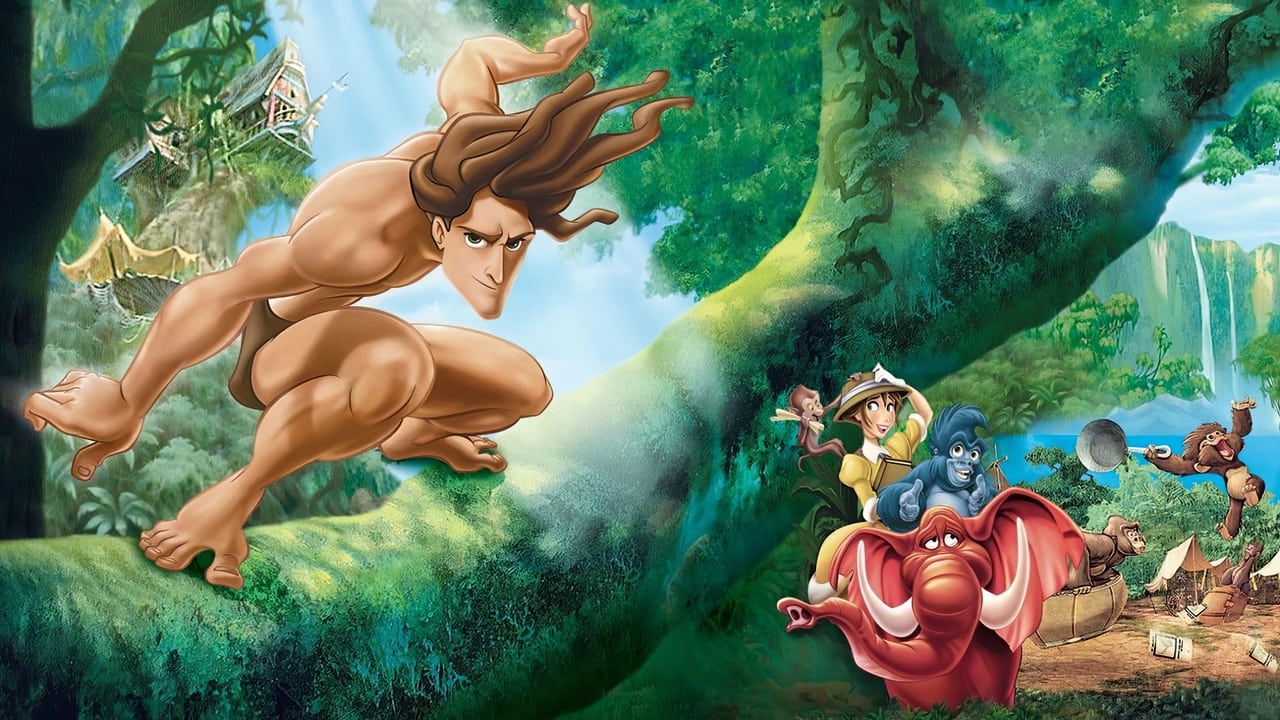
Of course, the jungle serenity can't last forever. The arrival of Professor Porter, his daughter Jane, and their 'protector' Clayton shakes Tarzan's world. Minnie Driver is utterly perfect as Jane – capturing her breathless enthusiasm, prim awkwardness, and growing fascination with the wild man she encounters. Her comedic timing and genuine warmth make Jane one of the most instantly likable Disney heroines. And who could forget Brian Blessed booming his way through the role of the treacherous Clayton? Blessed, a man whose actual voice seems to rival a lion's roar, was practically born to play such a larger-than-life villain. Adding welcome comic relief were Rosie O'Donnell as the street-smart ape Terk and Wayne Knight (Jurassic Park, Seinfeld) as the neurotically phobic elephant Tantor – their banter provided necessary levity amidst the drama and danger.
### Retro Fun Facts & Final Musings
- Animator Glen Keane, a Disney legend, studied the movement of skateboarders and snowboarders to capture Tarzan's unique "surfing" style through the trees.
- The "Deep Canvas" software required specialized training for the artists and powerful new computers, representing a significant investment and technical hurdle for Disney animation at the time.
- Phil Collins actually recorded versions of the songs in multiple languages himself (including French, German, Italian, and Spanish) to maintain artistic consistency across international releases – a rare commitment!
- Though a huge hit, Tarzan is often seen as the last film of the main "Disney Renaissance" that began with The Little Mermaid (1989). Subsequent animated features, while sometimes successful, didn't quite capture that same consistent critical and commercial magic for a while. It led to a direct-to-video sequel Tarzan & Jane (2002) and a midquel Tarzan II (2005), plus a TV series, cementing its place in the Disney franchise machine.
Watching Tarzan today, perhaps on a format far removed from that beloved VHS tape, its power remains remarkably intact. The animation is still stunning, the emotional beats land, and the music continues to evoke that specific late-90s feeling. It’s a film bursting with adventure, heart, and groundbreaking artistry.

Rating: 9/10
This score reflects Tarzan's position as a high point in Disney animation. The breathtaking visuals achieved through "Deep Canvas," combined with a truly moving story and an iconic, if unconventional, soundtrack, make it a standout. The voice acting is superb across the board, and the action sequences remain thrilling. It perfectly balanced spectacle with genuine emotion, earning its place as a beloved classic.
Tarzan wasn't just a movie; it was an exhilarating ride, a technical marvel, and a heartfelt story rolled into one. It proved that even at the end of a golden era, Disney could still make magic that swung straight into our hearts.