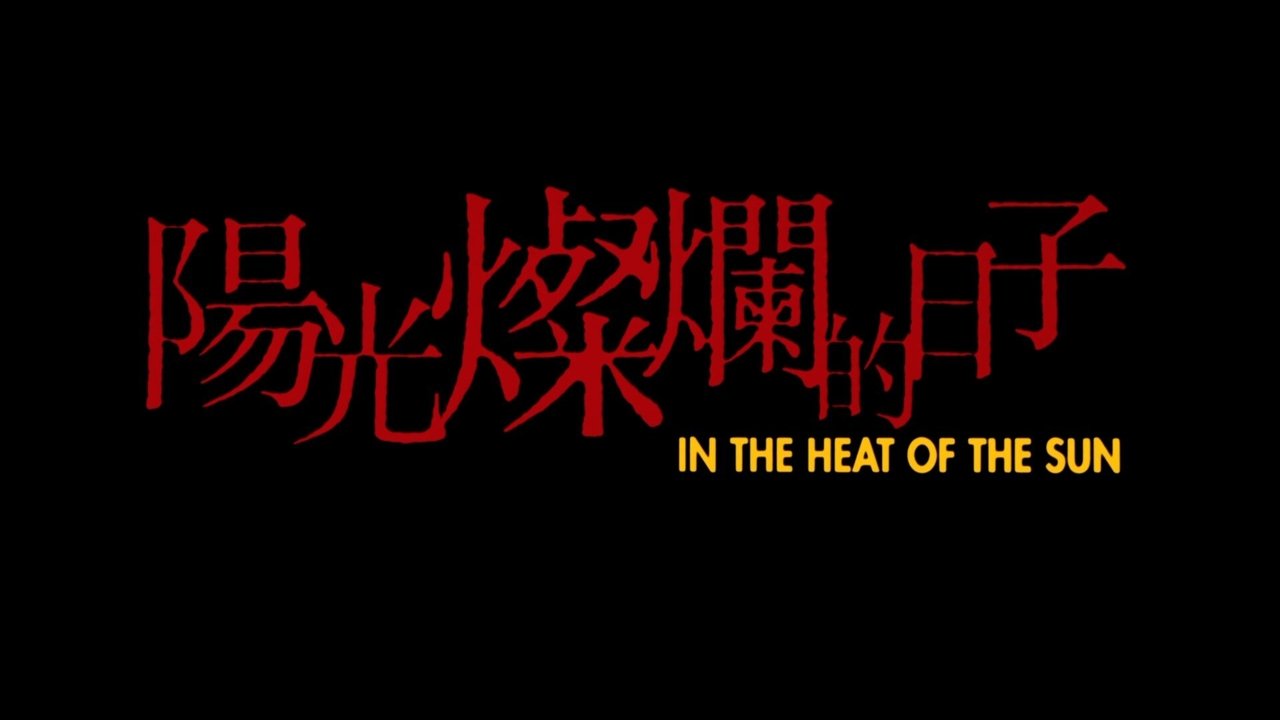
Ah, memory. It’s a fickle, hazy thing, isn't it? Especially the memories of youth – those long, hot summers where boredom mingled with explosive bursts of energy, desire, and confusion. Sometimes a film captures that strange cocktail perfectly, not just telling a story, but evoking the very feeling of looking back, maybe through rose-tinted glasses, maybe through a lens distorted by time and longing. Jiang Wen’s directorial debut, In the Heat of the Sun (1994), is precisely that kind of film. Finding this on the shelf back in the day, perhaps nestled in the 'World Cinema' section often overlooked by the blockbuster crowds, felt like uncovering a hidden, pulsating heart. It wasn't the usual Hollywood fare; it was something else entirely – vibrant, raw, and drenched in a nostalgia that felt both specific and universal.
Summer Days Adrift
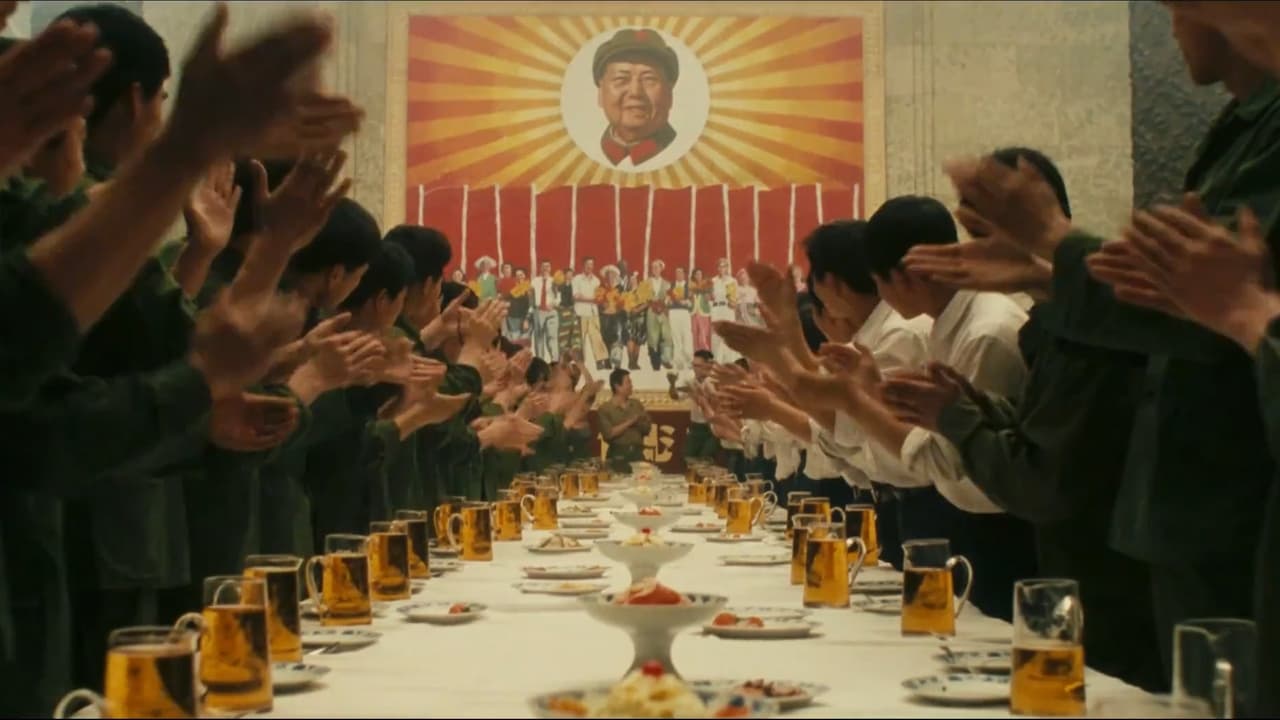
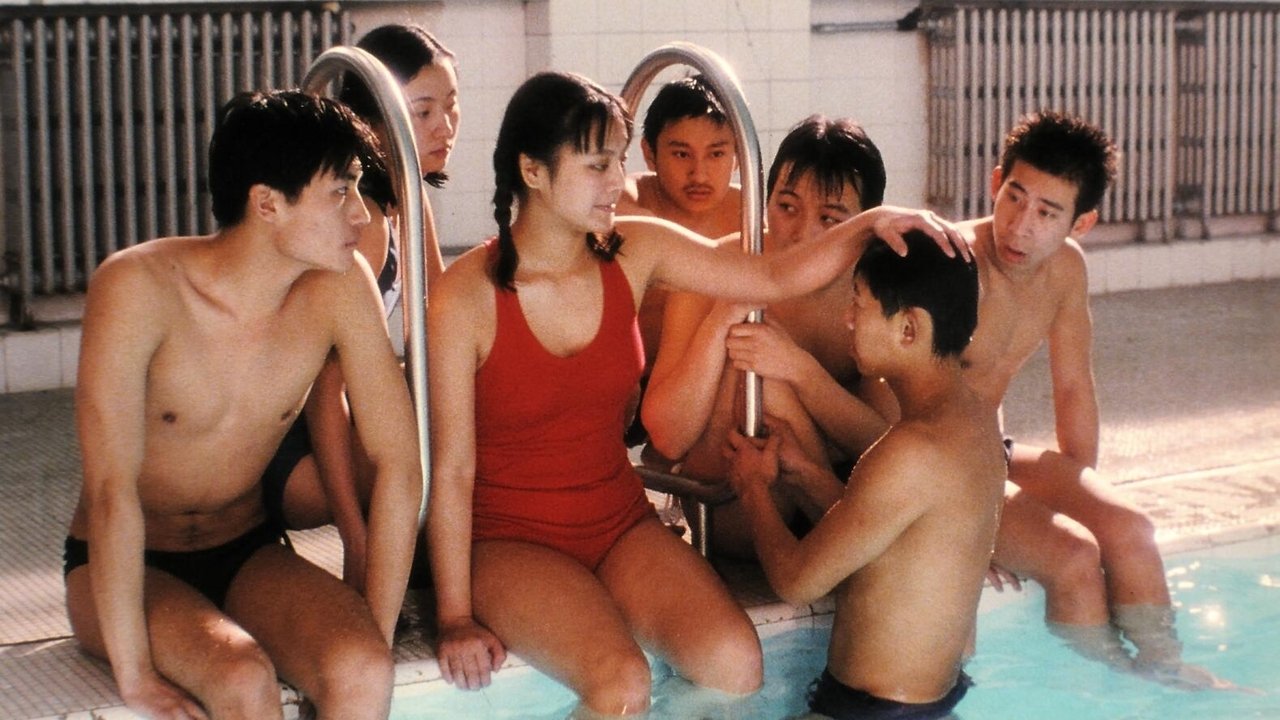
The film throws us headfirst into Beijing during the Cultural Revolution, but not the Beijing of political struggle we might expect. Instead, schools are closed, adults seem preoccupied or absent, and the city becomes a sprawling, sun-baked playground for a gang of teenage boys led by the restless Ma Xiaojun, nicknamed 'Monkey' (played with astonishing naturalism by a young Xia Yu). Their days are a blur of petty mischief, rooftop explorations, street brawls, and the burgeoning, often awkward, awareness of girls. There's a restless energy here, a sense of lives lived in the margins while history unfolds elsewhere.
Jiang Wen adapts Wang Shuo's novel Wild Beast with a startling confidence for a first-time director. Already a celebrated actor known internationally for roles in films like Red Sorghum (1987), Jiang brings an insider’s eye to this period. The story goes that Jiang saw himself in the novel's protagonist and sought out an actor who mirrored his own younger self, finding a perfect match in Xia Yu. It proved an inspired choice; Xia, just 18 at the time, delivered such a magnetic and authentic performance that he walked away with the Best Actor award at the Venice Film Festival – an incredible feat for a debut. He perfectly captures Monkey's swagger, vulnerability, and the swirling confusion of adolescence.
A Hazy, Subjective Truth
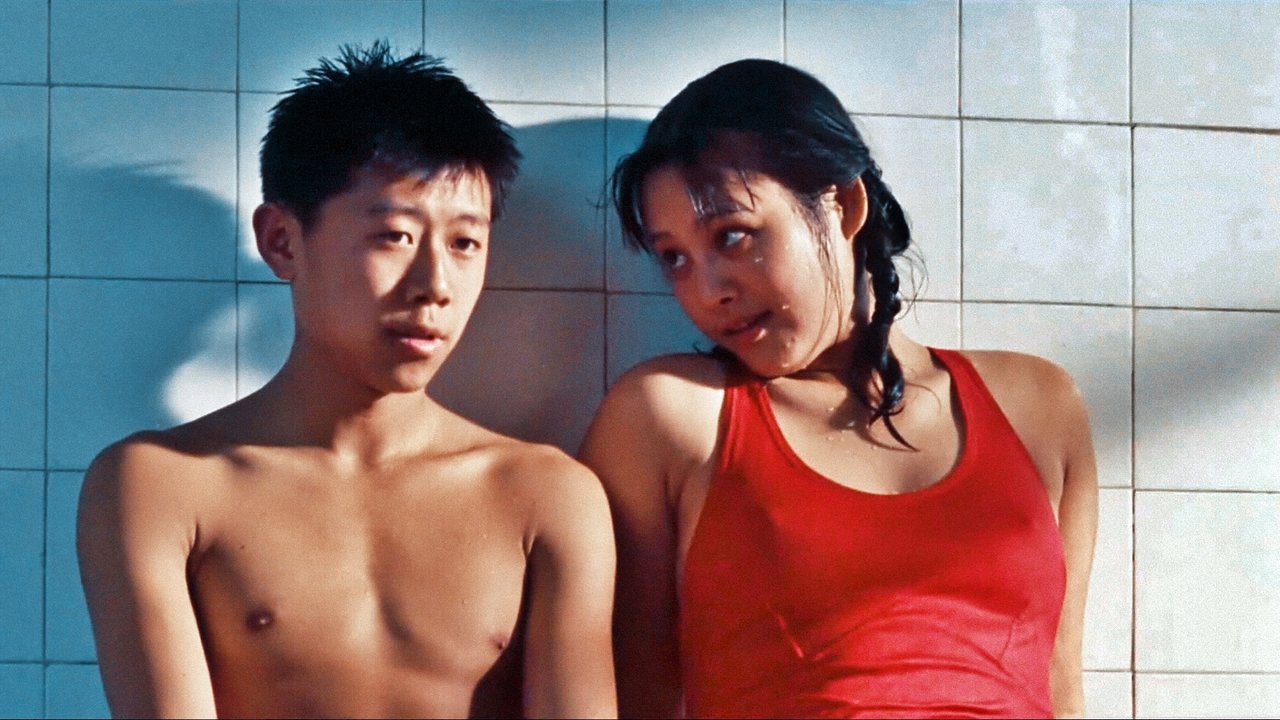
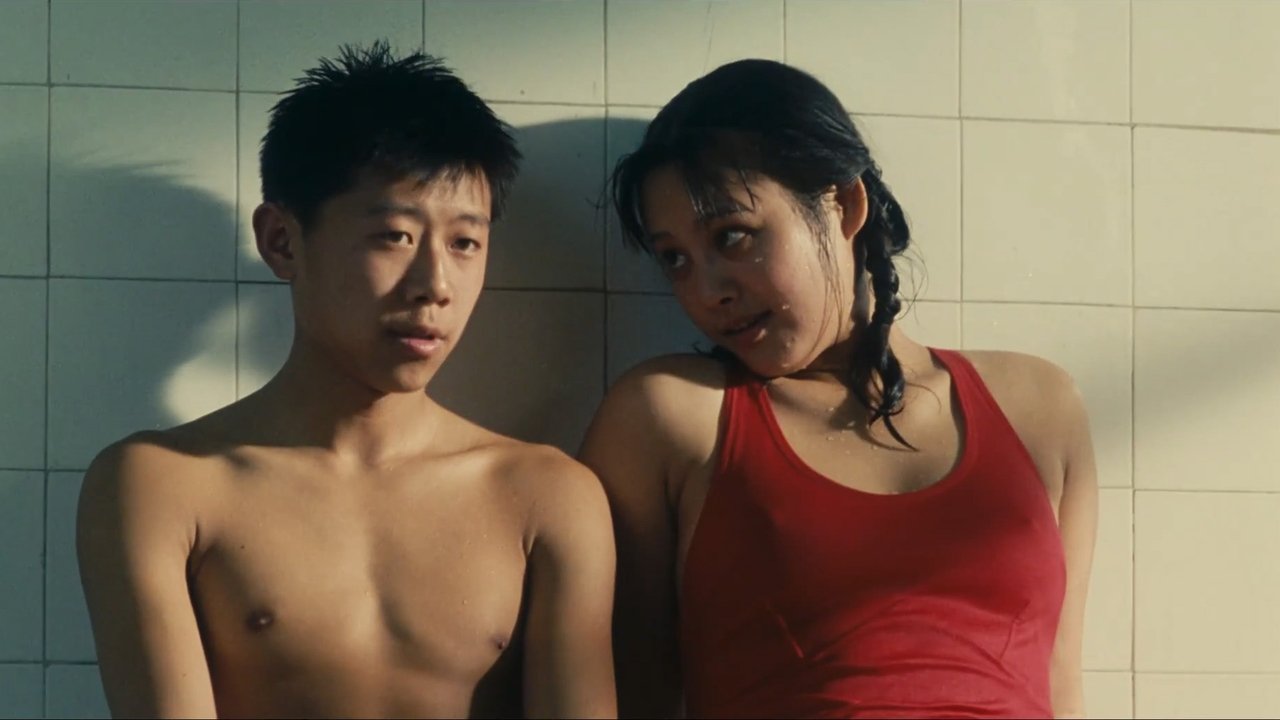
What elevates In the Heat of the Sun beyond a simple coming-of-age story is its masterful handling of perspective. The film is narrated by an older Ma Xiaojun, looking back on these formative years. But this isn't a clear, objective recounting. The visuals are often bathed in a warm, golden light, lending events an almost dreamlike quality. The voiceover constantly questions itself, admitting that memories might be embellished, sequences reordered, feelings misremembered. Is the captivating Mi Lan (Ning Jing, embodying youthful fantasy) truly as enchanting as Monkey recalls? Did events unfold exactly as he presents them? This unreliability is the film's genius. It acknowledges how we mythologize our own pasts, particularly the intensity of first love and the sting of perceived betrayals.
Jiang Wen uses the camera not just to record action, but to capture sensation – the oppressive heat, the dusty streets, the thrill of sneaking into apartments using skeleton keys, the charged silence when Mi Lan enters a room. There's a deliberate pacing, allowing moments to breathe, letting the atmosphere soak in. It feels less like watching a plot unfold and more like being immersed in a specific time and emotional state. The production design perfectly recreates the era, not through grand scale, but through the details of clothing, apartment interiors, and the specific textures of mid-70s Beijing life.
Retro Fun Facts & Lasting Echoes
Beyond Xia Yu's stunning Venice win, it's fascinating to consider this film emerging from China in the mid-90s. While set during the Cultural Revolution, its focus is intensely personal rather than overtly political, a characteristic often associated with the "Sixth Generation" of Chinese filmmakers who were grappling with recent history in new ways. Jiang Wen, though technically preceding them, certainly paved the way with this bold, personal vision. The film wasn't without its challenges, navigating the complexities of depicting that historical period, even indirectly. Yet, its critical success, particularly internationally, announced Jiang Wen as a major directorial talent, someone capable of crafting films that were both deeply rooted in Chinese experience and universally resonant. The film's budget was modest, but its impact was significant, proving that powerful storytelling could transcend borders and find an audience eager for authentic, nuanced portrayals of life. Remember how rare it felt to find subtitled gems like this in the video store? Each one felt like a victory.
Why It Lingers
In the Heat of the Sun isn't always an easy watch. Monkey can be frustrating, arrogant, even cruel in his youthful ignorance. But his journey is rendered with such honesty, acknowledging the messy, contradictory nature of growing up. The film doesn't offer neat resolutions or simple moral lessons. Instead, it leaves you contemplating the slippery nature of memory, the enduring power of adolescent longing, and the way certain summers can imprint themselves on our souls forever. It makes you wonder, how much of our own cherished past is real, and how much is a story we've told ourselves over and over?
Rating: 9/10
This near-masterpiece earns its score through Jiang Wen's assured and evocative direction, Xia Yu's unforgettable debut performance, and its profound exploration of memory and adolescence. Its hazy, subjective beauty and raw emotional honesty make it a standout not just of 90s Chinese cinema, but of world cinema from that era. It avoids didacticism, instead offering a sensory immersion into a specific time and the universal turbulence of youth.
In the Heat of the Sun is one of those films that stays with you, like the lingering warmth of a summer afternoon long past, leaving you to ponder the vibrant, messy, and perhaps unreliable, landscapes of your own youth.