Alright, pop that tape in, maybe fast-forward through the slightly fuzzy previews (remember those?), and settle in. We're diving back into the mid-90s comfort zone with Father of the Bride Part II (1995), a film that feels like pulling on a favorite, slightly worn sweater. It might not have the explosions or high-stakes chases we often crave from the era's action flicks, but trust me, the sheer domestic chaos orchestrated here delivers its own brand of frantic energy, perfectly captured on that trusty VHS format.
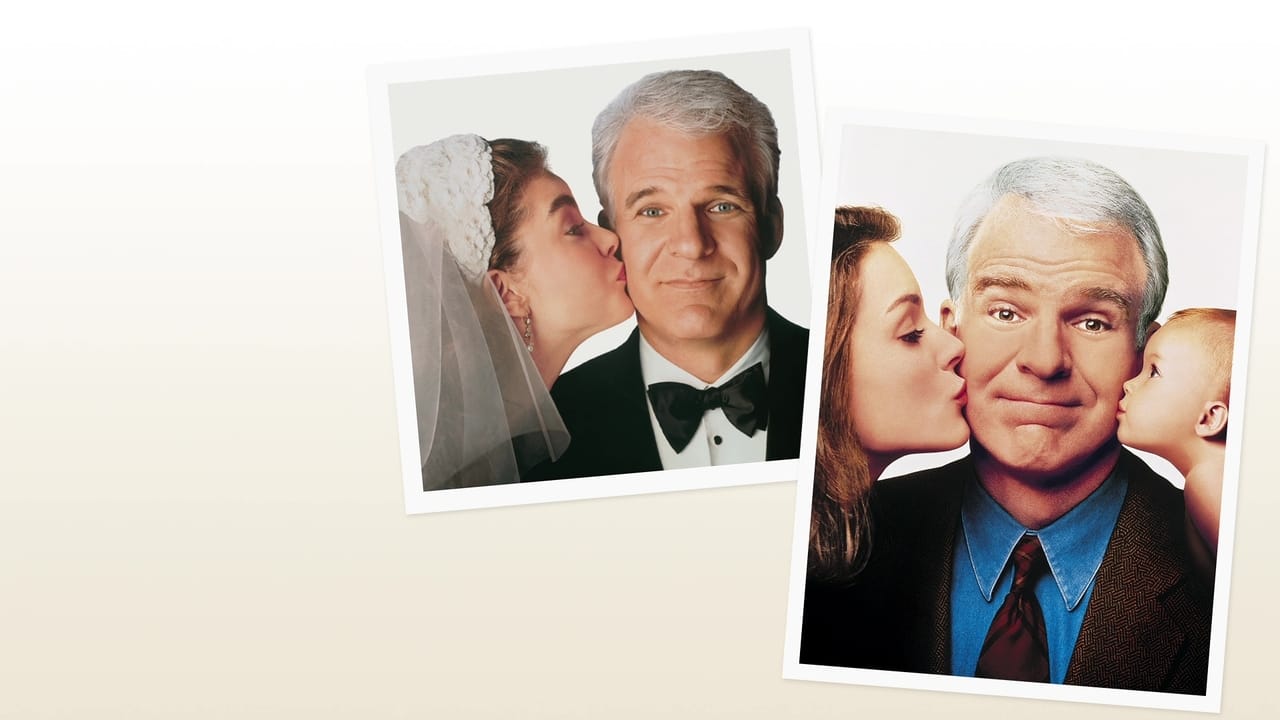
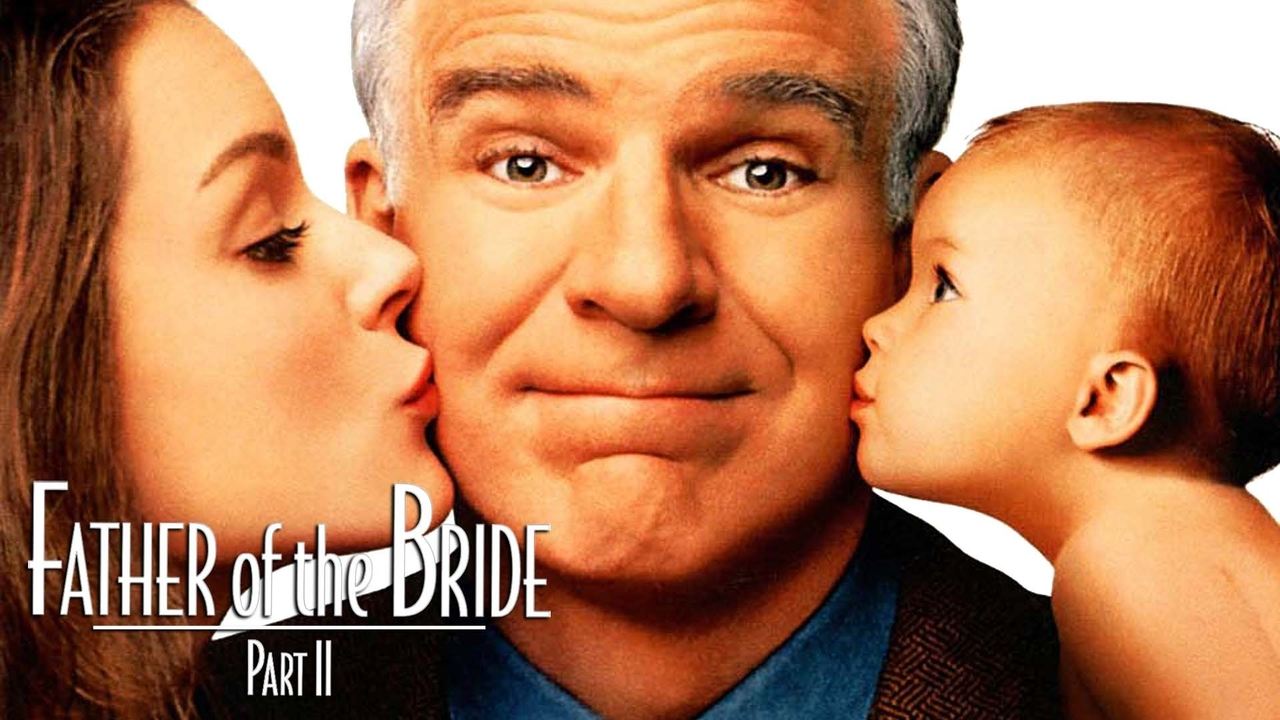
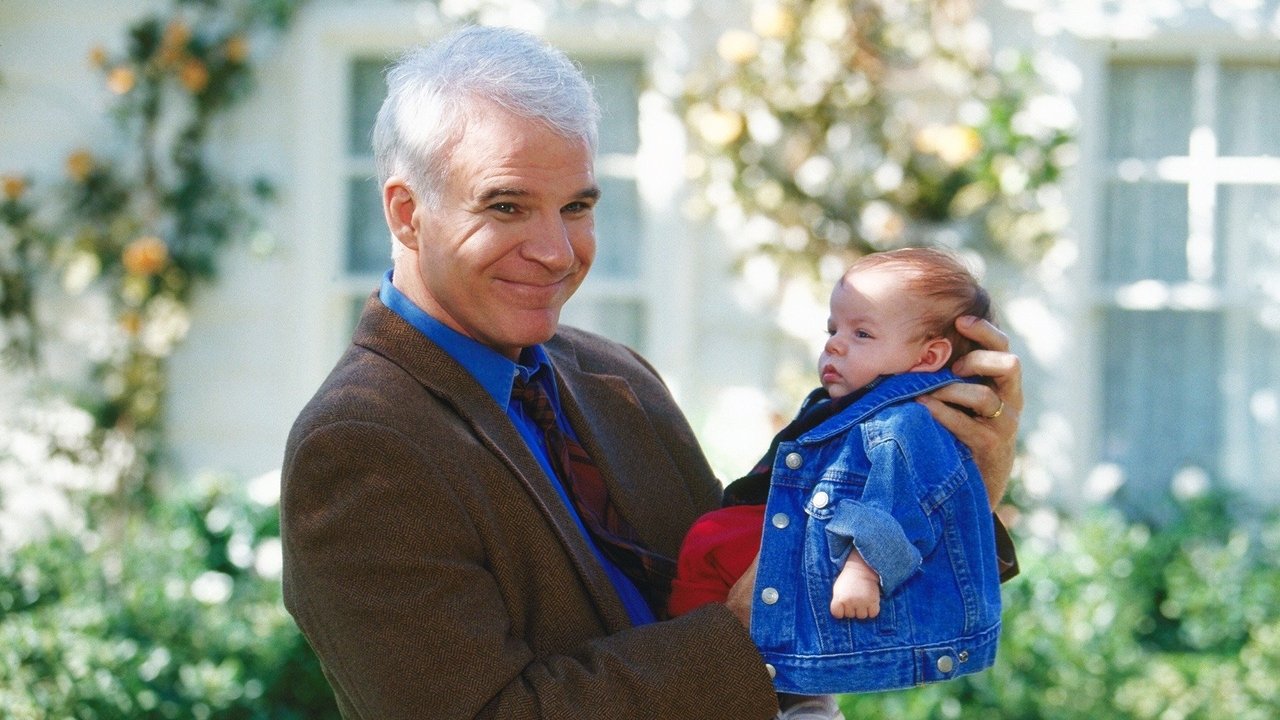
This wasn't some gritty reboot; it was pure, unadulterated sequel territory, picking up right where the charming 1991 remake left off. And the hook? Oh, it's a doozy only Hollywood could cook up with such heartwarming absurdity: George Banks (Steve Martin) isn't just dealing with his daughter Annie (Kimberly Williams-Paisley) being pregnant; his wife Nina (Diane Keaton) is also expecting. Simultaneously. Cue the mid-life crisis meltdown, amplified to eleven.
### Double Trouble, Double the Laughs
What always struck me about this film, watching it back then on a chunky CRT, was how Steve Martin perfectly embodied the Everyman Dad pushed to his absolute limit. His reactions aren't just funny; they feel surprisingly real amidst the heightened reality. Remember that scene where he tries to dye his hair to feel young again and ends up looking like a startled badger? Pure Martin physical comedy gold. He’s not just reacting to the news; he’s grappling with aging, with his little girl having a baby, with his own impending late-in-life fatherhood. It’s a comedic premise built on genuine (if exaggerated) anxieties.
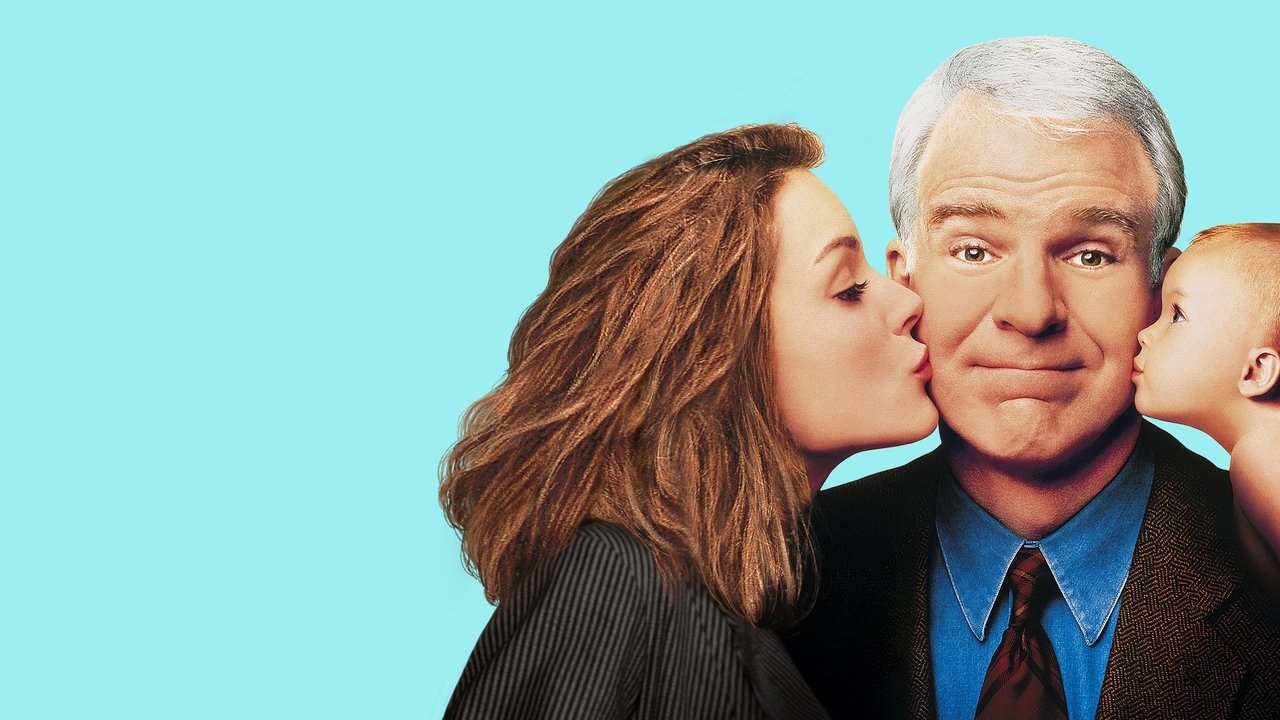
And let's talk about the ensemble. Diane Keaton brings her signature warmth and slightly flustered grace as Nina, the perfect counterbalance to George’s spiraling panic. Their chemistry, honed in the first film, feels effortless and lived-in. Seeing them navigate this unexpected double pregnancy together is the heart of the movie. It wasn't just Martin's show; Keaton grounds the entire affair. Fun fact: Nancy Meyers and Charles Shyer, the writing-directing team behind this and the '91 original (plus gems like Baby Boom), were masters of this upscale, relatable family comedy throughout the 80s and 90s. They knew how to blend the laughs with genuine emotional beats.
### Enter the Franck-nado
Okay, we have to discuss the whirlwind that is Franck Eggelhoffer. Martin Short returns as the flamboyantly indecipherable wedding planner (now baby planner extraordinaire), and honestly, does anyone steal scenes quite like him? His accent, his pronouncements ("Fah-ther"), his sheer, unadulterated Franck-ness are dialed up even further here. Apparently, much of Franck's unique dialect and mannerisms were developed by Short himself, adding layers to a character that could have been a one-note joke. He doesn't just chew the scenery; he redecorates it in fabulous, avant-garde style. His interactions with his assistant Howard Weinstein (BD Wong) remain comedy highlights. The subplot involving the over-the-top renovation of the Banks' home, spearheaded by Franck, provides some fantastic visual gags and showcases George's mounting stress levels perfectly.
### A Product of Its Time, In the Best Way
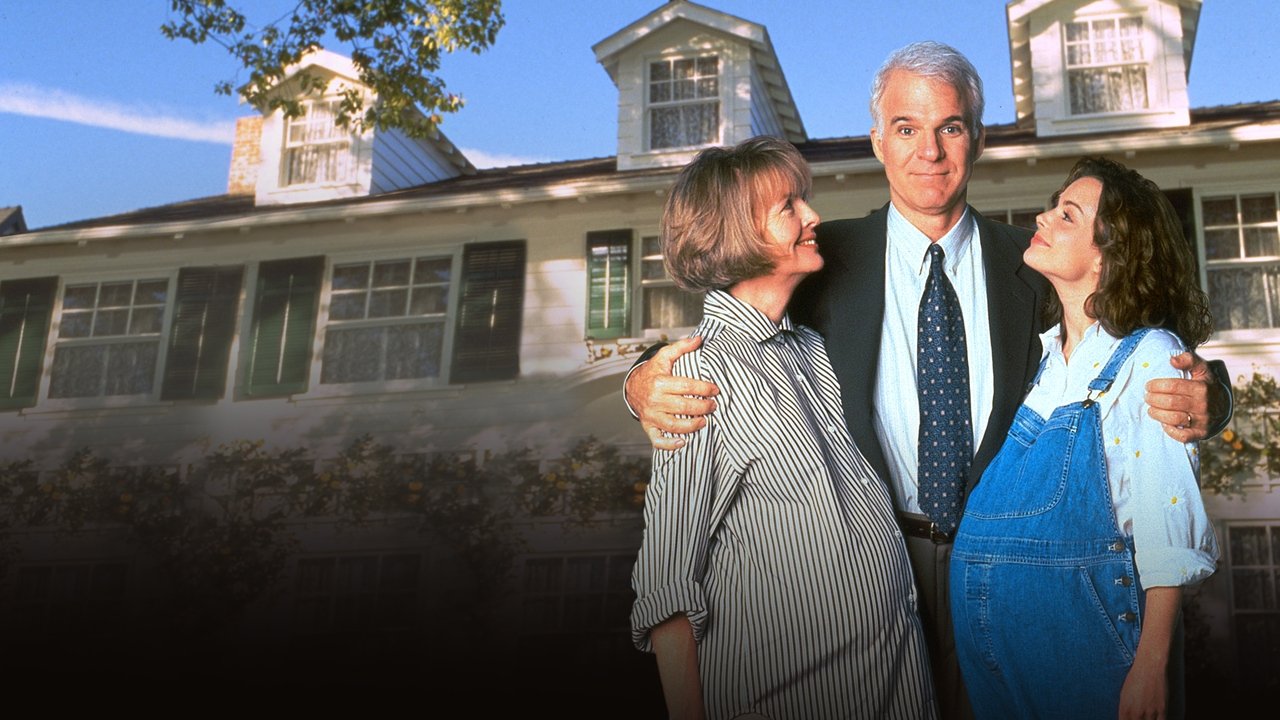
Sure, watching it now, the film feels undeniably 90s. The fashion, the chunky cordless phones, the sheer affluence of the Banks' lifestyle (that house!). And yes, the plot, lifted directly from the 1951 sequel Father's Little Dividend, isn't exactly groundbreaking. Critics at the time were lukewarm, often calling it formulaic (it holds a middling 50% on Rotten Tomatoes from critics back then). But audiences? They loved it. The film pulled in a respectable $76 million domestically on a $30 million budget – solid numbers for a family comedy sequel back then (that's easily over $150 million in today's money).
Why the disconnect? I think it’s because the film delivers exactly what it promises: comfort, laughs, and a reaffirmation of family, however chaotic. It wasn't trying to reinvent the wheel; it was giving fans more of what they loved about the first one. The comedy isn't edgy; it's situational, driven by Martin's performance and the absurdity of the double pregnancy. The climax, with both Annie and Nina potentially giving birth at the same time, is orchestrated chaos played for maximum comedic effect, but still manages a touch of sweetness. No CGI trickery needed here – just classic comedic timing, well-executed physical gags, and actors fully committed to the premise. Remember how frantic yet heartwarming that hospital sequence felt?
### The Verdict
Father of the Bride Part II is like that reliable tape you kept reaching for at the video store when you just wanted something warm, funny, and familiar. It doesn’t break new ground, but it executes its simple premise with charm, wit, and a fantastic cast firing on all cylinders, especially Martin and Short. It perfectly captured that upper-middle-class family comedy vibe that Meyers and Shyer excelled at.
Rating: 7.5 / 10
Why? It’s a genuinely funny and heartwarming sequel that knows its strengths – its cast chemistry, Steve Martin’s comedic genius, and Martin Short’s scene-stealing brilliance. It leans into its formula but delivers consistent laughs and emotional beats. It loses a few points for predictability and perhaps playing it a tad too safe, but its execution elevates the familiar material.
Final Thought: This film is pure 90s comfort food cinema – maybe not high art, but a reliably cozy and funny watch that perfectly encapsulates the feeling of bringing home a stack of comedies from the rental store for a weekend marathon. Sometimes, double the trouble really is double the fun.