There's a quiet melancholy that settles over A Simple Twist of Fate, a 1994 film that asks more profound questions about parenthood and belonging than its unassuming title, or indeed its leading man, might initially suggest. Landing on video store shelves amidst a sea of action blockbusters and broader comedies, it presented a different kind of Steve Martin – one steeped in introspection rather than outright zaniness. For those of us browsing the aisles of Blockbuster or Hollywood Video back then, picking this one up might have felt like a slight gamble. Would it deliver the laughs we expected, or something else entirely? It turned out to be very much the latter, offering a gentle, sometimes poignant, modern fable.
An Unexpected Adaptation
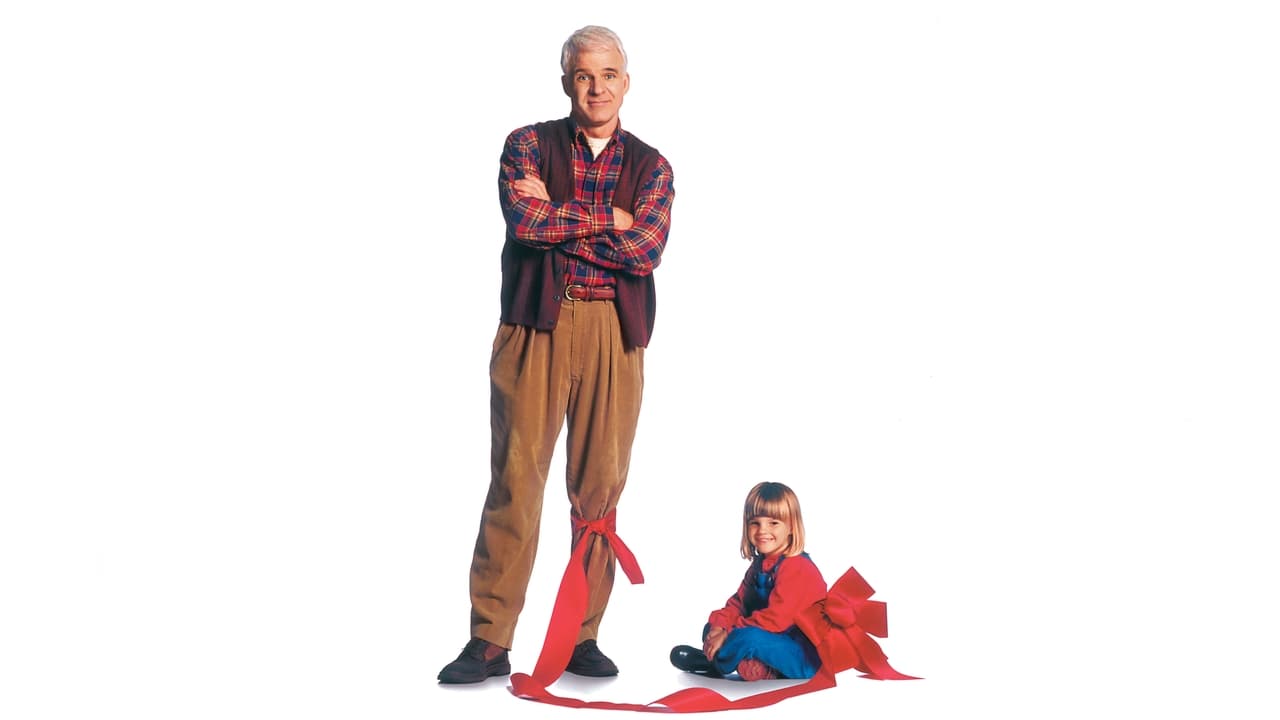
Few might immediately clock that this quiet drama is, in fact, a passion project penned by Steve Martin himself, updating George Eliot's 19th-century novel Silas Marner to contemporary rural Virginia. Martin stars as Michael McCann, a fine furniture craftsman who has deliberately walled himself off from the world after a betrayal shattered his life. He lives in near-total isolation, his heart seemingly as hardened and polished as the wood he works. His solitary existence is irrevocably altered one snowy night when a toddler wanders into his home, her troubled mother having perished nearby. This arrival, seemingly random, becomes the "simple twist of fate" that slowly thaws McCann's frozen heart.
It's fascinating to learn that Martin had cherished the idea of adapting Silas Marner for years. The transition from classic novel to 90s drama wasn't seamless; the original title was Silas Marner, but likely changed by the studio hoping for broader appeal, perhaps misunderstanding the film's quieter nature. Martin navigated the challenge of modernizing the story while preserving its core emotional truths – a task handled with considerable sensitivity under the direction of Gillies MacKinnon, a filmmaker perhaps better known for nuanced character pieces like The Playboys (1992) than mainstream Hollywood fare.
A Different Shade of Martin
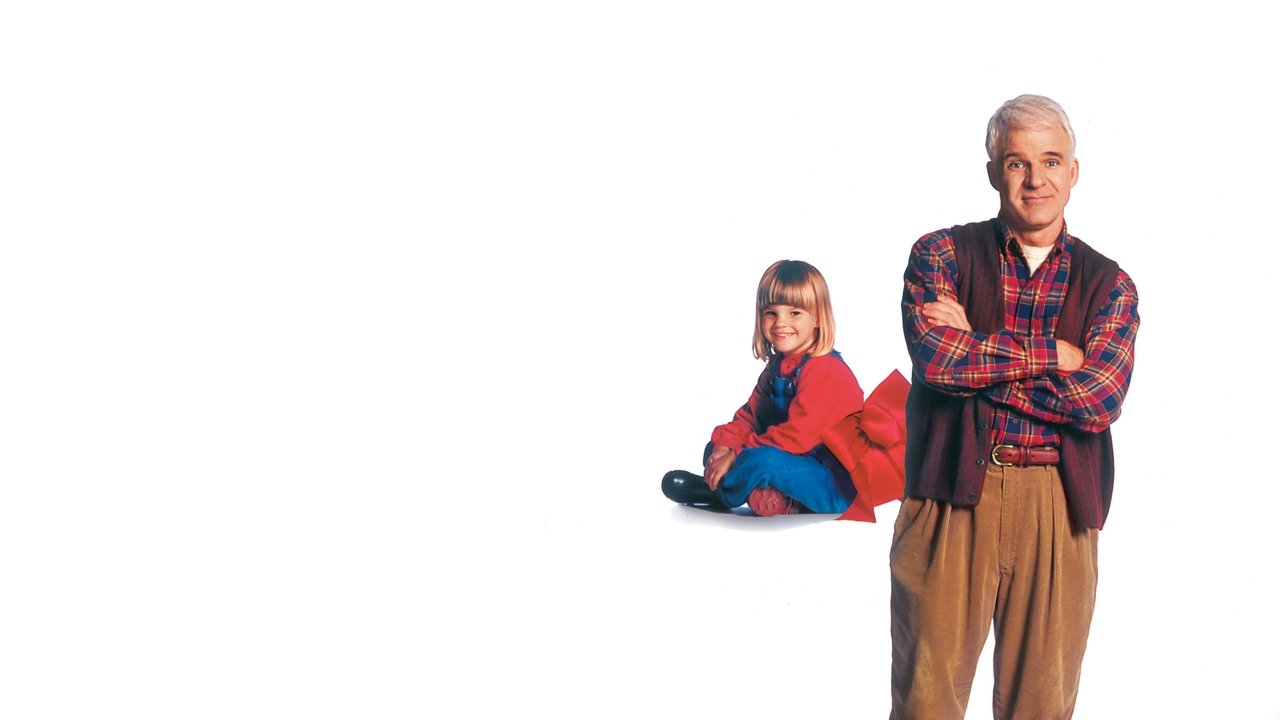
The film truly hinges on Steve Martin's performance, and it's a compelling departure. We see glimpses of his familiar physicality, but it’s channeled into McCann’s meticulous woodworking or his initial awkwardness with the child, Mathilda. The real substance lies in the quiet moments: the gradual softening of his features as he bonds with the girl, the fierce protectiveness that replaces his earlier detachment, the subtle portrayal of a man rediscovering purpose. Doesn't Martin's portrayal reveal a depth often hidden beneath his comedic persona, a capacity for stillness and wounded gravity? It's not showy work, but it feels truthful, grounded in McCann’s deep-seated pain and eventual, tentative joy. Watching him build not just furniture, but a life and a loving connection with Mathilda (played affectingly by twins Alana and Alyssa Austin as a toddler/young child), provides the film's understated emotional core.
Nature vs. Nurture, Class vs. Connection
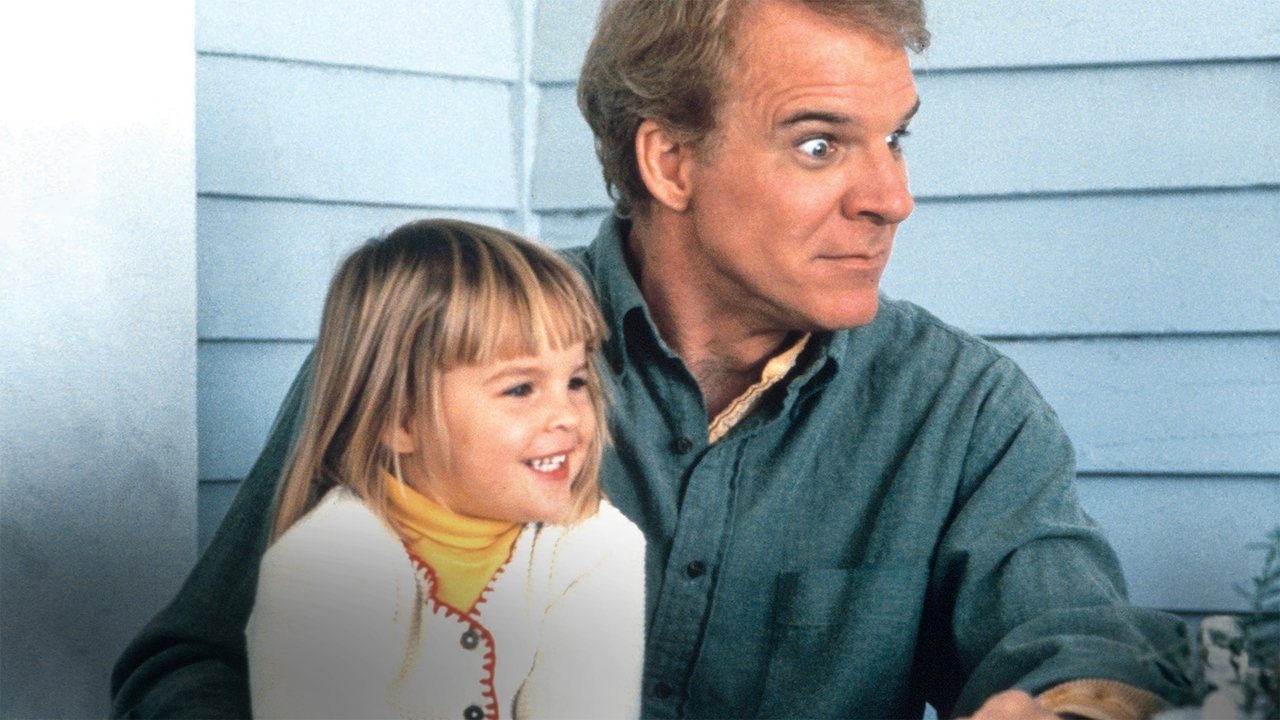
The narrative gains its central conflict years later when Mathilda's biological father, John Campobell (Gabriel Byrne), emerges. Now a wealthy and ambitious politician, Campobell learns of Mathilda's existence and decides he wants custody. Gabriel Byrne brings a necessary weight and complexity to the role. Campobell isn't a straightforward villain; he's driven by a mix of genuine paternal curiosity, societal expectation, and undeniable entitlement. His polished world contrasts sharply with McCann’s rustic simplicity, setting up a classic nature vs. nurture debate woven through a lens of class difference. Who has the greater right to raise the child – the man who provided the bloodline and can offer material wealth, or the man who provided the home, the love, and the daily care?
Supporting players like Catherine O'Hara, as the warm-hearted local realtor April, offer moments of levity and grounding, acting as a gentle bridge between McCann and the outside world. The film, shot beautifully on location in Virginia, captures the rhythm of small-town life and the changing seasons, mirroring McCann's own internal transformations.
Retro Fun Facts & Gentle Resonance
A Simple Twist of Fate wasn't a box office sensation. Made on a modest budget (sources vary, but around $16-18 million seems likely), it grossed only about $3.4 million domestically. This lack of commercial roar might explain why it often feels like a half-remembered title, a quieter entry in Martin's filmography overshadowed by giants like Father of the Bride (1991) or his later comedic work. Its critical reception was similarly mixed, with some appreciating the earnestness and Martin’s dramatic stretch, while others found the pacing perhaps a touch too languid or the sentimentality occasionally bordering on overt. Yet, viewed through the lens of time – perhaps on a worn VHS tape pulled from the back of a shelf – its gentle sincerity stands out. It avoids easy answers, acknowledging the complexities of love, loss, and what truly constitutes a family. There’s a craftsmanship to the storytelling that mirrors McCann’s own dedication to his work.
Final Thoughts
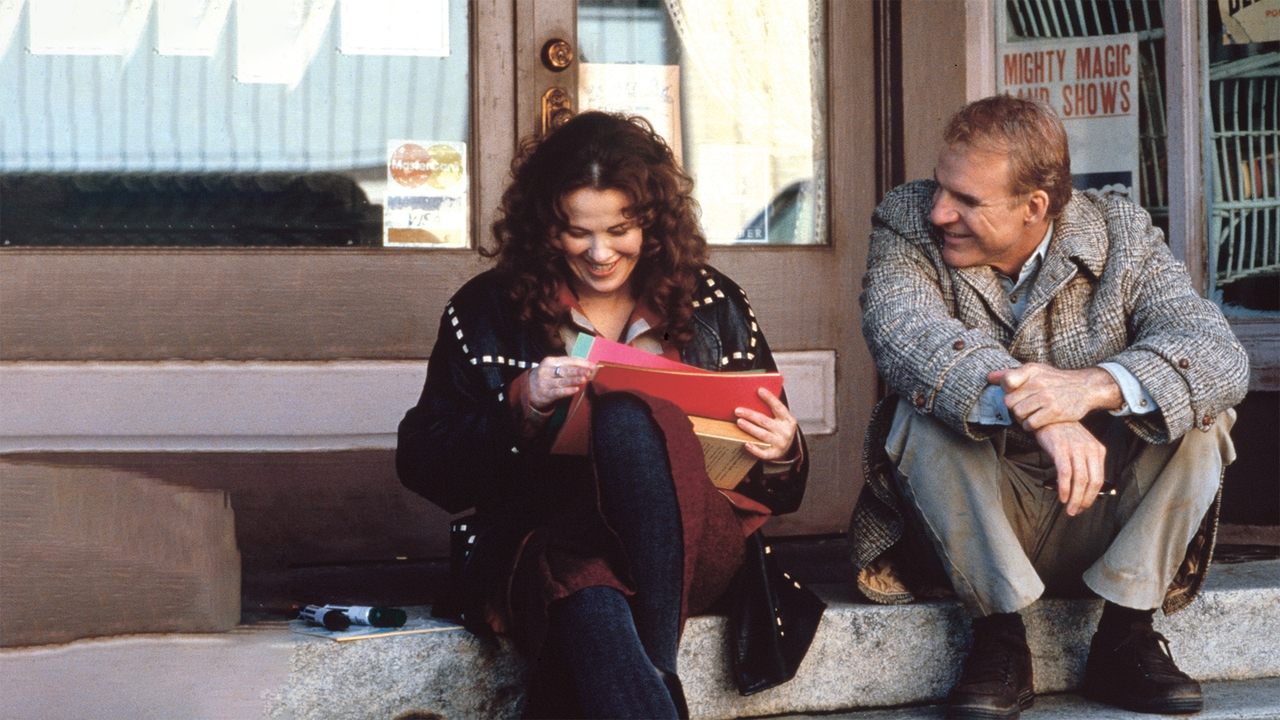
A Simple Twist of Fate may not possess the sharp edges or overt emotional fireworks of some dramas, nor the gut-busting laughs of Steve Martin's most famous comedies. Its power is quieter, more cumulative. It’s a film that invites reflection on the unexpected ways life can mend itself, on the profound bonds forged not by blood, but by shared experience and unconditional love. It feels like a comfortable, well-worn cardigan of a movie – familiar in its structure, perhaps, but offering genuine warmth.
Rating: 7/10
This score reflects the film's heartfelt intentions, Steve Martin's commendable dramatic performance, and its thoughtful adaptation of a classic story. While perhaps lacking a certain dramatic urgency or memorable spark that might elevate it further, its gentle charm and emotional honesty resonate. It’s a solid, touching piece of 90s filmmaking that deserves to be remembered more often than it is – a quiet gem worth rediscovering on a quiet afternoon. What lingers most isn't a specific plot point, but the feeling of McCann's hard-won peace and the enduring question: what truly makes a father?