Alright, settle in, grab your favourite faded armchair – the one with the permanent imprint from countless late nights – because we're rewinding back to 1991. Remember sliding that chunky black rectangle into the VCR, hearing the satisfying clunk, maybe adjusting the tracking just so? That’s the vibe we need for revisiting Charles Shyer's warm hug of a movie, Father of the Bride. This wasn't just a comedy; for anyone who ever had (or was) a kid who suddenly grew up, it felt startlingly, hilariously real, anchored by the peerless Everyman panic of Steve Martin.
### The Moment It Hits Home
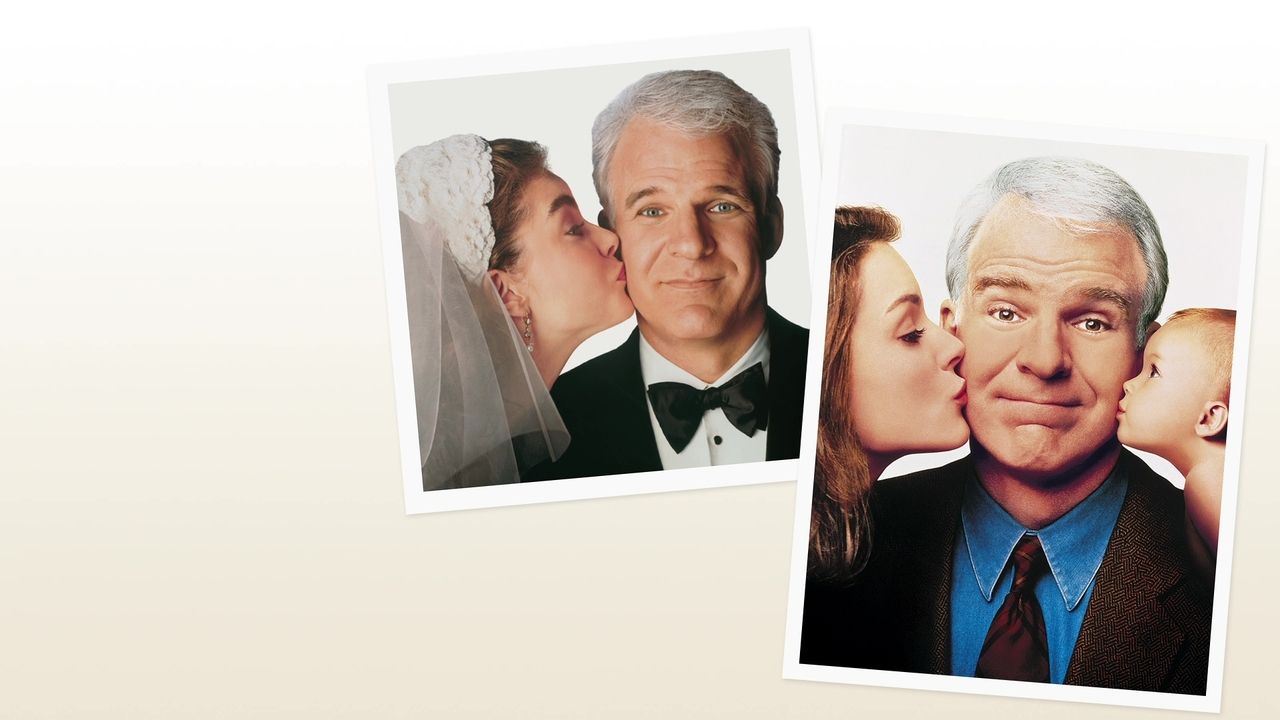
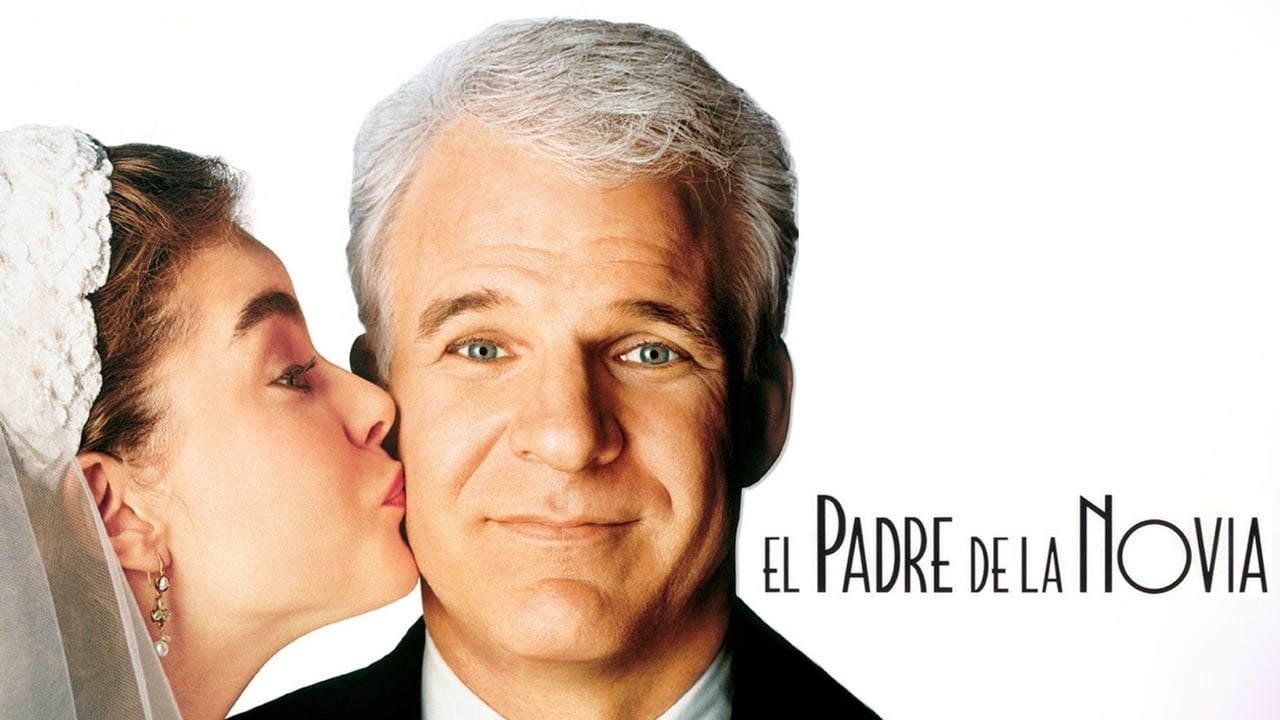
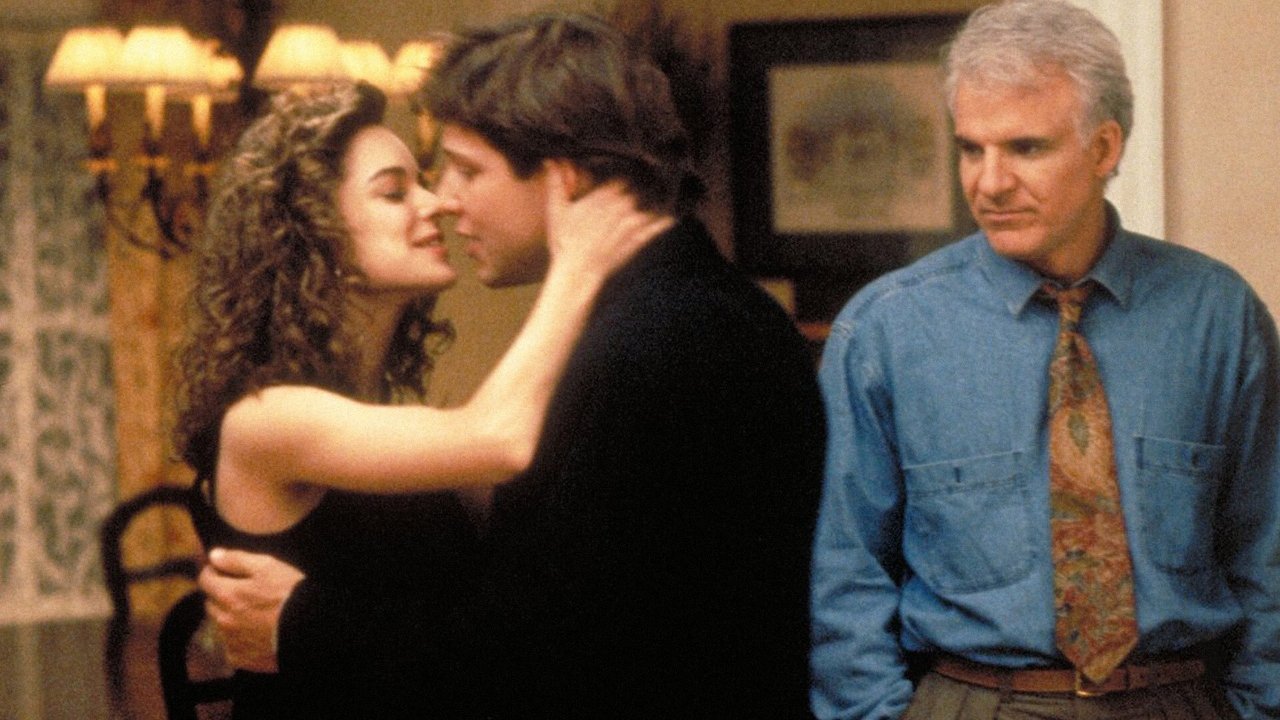
The film opens, and right away, we're with George Banks (Steve Martin), a successful owner of an athletic shoe company, living the comfortable suburban dream. Then, his daughter Annie (Kimberly Williams, in her sparkling debut) returns from studying abroad and drops the bomb: she's engaged. Martin’s reaction isn't just comedic; it's a masterclass in barely contained, rapidly escalating bewilderment and denial. It’s that universal parental jolt – wait, weren't you just five years old yesterday? – played out with Martin’s signature blend of physical comedy and heart-wrenching vulnerability. It’s easy to forget now, given his legendary status, but Martin reportedly hesitated taking the role, thinking he was too young to play the father of a 22-year-old! Thank goodness he changed his mind.
The genius here, largely thanks to the sharp, witty script by Nancy Meyers and director Charles Shyer (the team who also gave us the delightful Baby Boom in 1987), is how relatable George’s spiral is. He’s not a bad guy; he’s just a dad completely overwhelmed by the emotional and financial tsunami of a modern wedding. His anxieties – about losing his little girl, about the absurd cost, about the slightly-too-perfect fiancé Bryan MacKenzie (George Newbern) – are played for laughs, but they resonate.
### Keaton and the Calm Centre
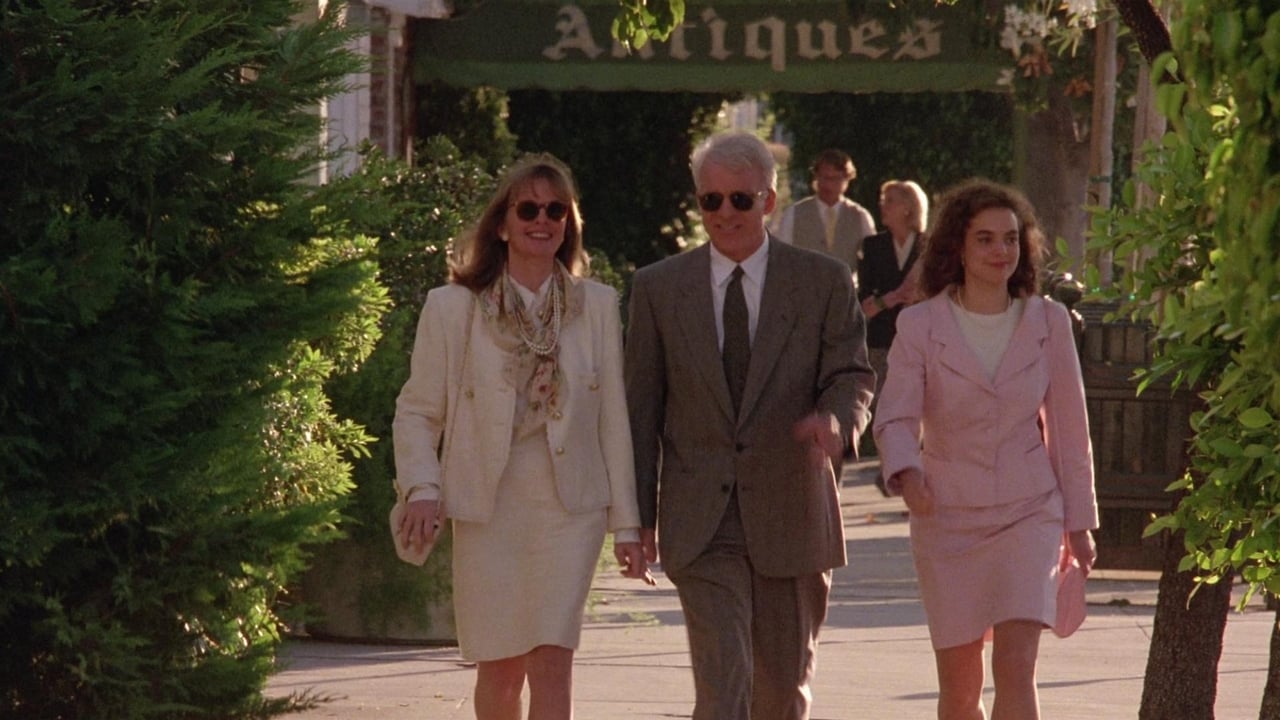
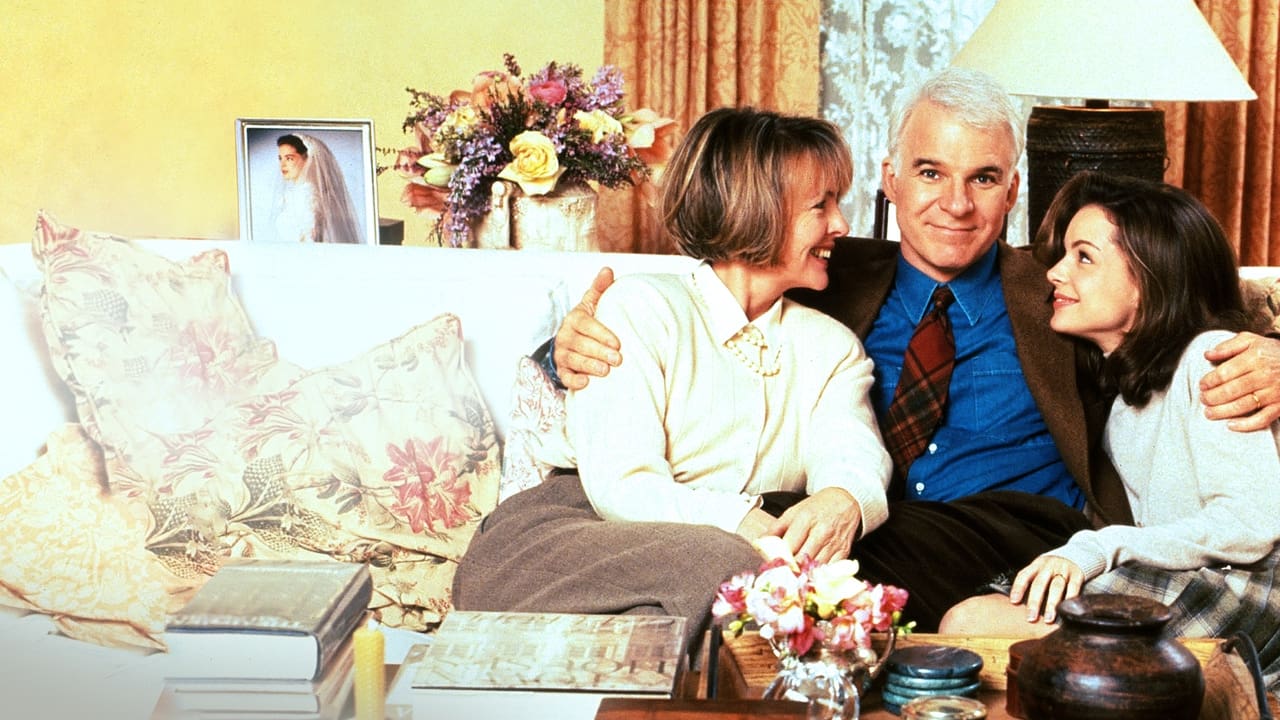
Holding down the fort amidst George's chaos is Nina Banks, played with effortless grace and warmth by the wonderful Diane Keaton. Her chemistry with Martin is fantastic – they feel like a real couple who have weathered years together, understanding each other's quirks and knowing exactly which buttons to push. Nina is the pragmatist, the calming influence (mostly), trying to navigate George’s meltdown while genuinely happy for her daughter. She’s the anchor that keeps the film from drifting entirely into George’s perspective, reminding us that this is a joyous occasion, even if dad’s losing his mind over napkin choices. It’s worth remembering this film was a remake of the 1950 Vincente Minnelli classic starring Spencer Tracy and Elizabeth Taylor; this version cleverly updated the generational anxieties and wedding industry absurdities for the 90s crowd.
### Enter Franck
And then… there’s Franck. Oh, Franck Eggelhoffer. Played with flamboyant, scene-stealing perfection by Martin Short, the eccentric, vaguely European wedding planner is pure comedic gold. His fractured English ("Fathur of the Broide," "Well, welcome to the '90s, Mr. Banks!") and utterly over-the-top pronouncements are legendary. Short reportedly improvised a significant amount of Franck’s unique accent and mannerisms, making the character feel even more unpredictable and hilarious. Franck, along with his stoic assistant Howard Weinstein (BD Wong), represents the bewildering, expensive machine that weddings can become, pushing George further towards the brink. Every scene with Short is a highlight, injecting bursts of pure, delightful absurdity.
### That 90s Aesthetic and the Perfect House
Let’s talk about the look of this film. It’s pure, distilled early 90s comfort. The Banks' house – that gorgeous white Colonial at 843 S El Molino Ave in Pasadena, California (yes, it's a real house exterior!) – became an aspirational symbol. The cozy interiors (mostly built sets, mind you), the slightly oversized blazers, the whole sun-drenched, upper-middle-class California vibe… watching it now feels like stepping into a warm bath of nostalgia. Remember George’s meltdown in the supermarket over the number of hot dogs versus buns? Classic dad logic, amplified by wedding stress! It’s these specific, relatable moments of domestic chaos that make the film endure. The budget was reportedly around $20 million, but it struck such a chord with audiences that it pulled in a hefty $129 million worldwide – a bona fide hit that proved family comedies could still pack cinemas.
### More Than Just Jokes
While the laughs are plentiful – George trying on his old tuxedo, the disastrous snowy wedding day itself – Father of the Bride has a genuine heart. Beneath the slapstick and the witty banter, it’s about family, change, and the bittersweet pain of letting go. Kimberly Williams brings a sweetness and sincerity to Annie that makes you understand why George is so protective. The father-daughter dance near the end? Pure lump-in-the-throat territory, even on the tenth viewing through slightly fuzzy VHS tracking lines. Shyer’s direction keeps things moving briskly but allows space for these quieter, more emotional beats to land. The score by Alan Silvestri perfectly complements both the comedic frenzy and the underlying warmth.
Its success inevitably led to Father of the Bride Part II in 1995, which reunited the main cast for more family milestones, further cementing the Banks family in our pop culture memories.
Overall Rating: 8/10
This film earns its high marks for being exceptionally funny, incredibly warm, and almost painfully relatable. Steve Martin gives one of his most endearing performances, perfectly balancing comedy and pathos. Supported by a brilliant cast, particularly Diane Keaton and Martin Short, and guided by the sure hand of Shyer and Meyers, it captures the specific anxieties and joys of a family milestone with timeless humour and charm. Sure, some of the fashion screams early 90s, but the core emotions? They're evergreen.
Final Thought: Father of the Bride is like that favourite comfy sweater you pull out every fall – familiar, maybe a little worn around the edges, but it still makes you feel incredibly good. A true feel-good VHS staple that perfectly bottled the chaos and heart of family life.