There’s a certain kind of magic particular to childhood discoveries, isn't there? Not the grand, earth-shattering kind, but the small, secret wonders found in dusty corners or forgotten boxes. Frank Oz's 1995 adaptation of The Indian in the Cupboard taps directly into that vein, presenting a fantasy world sparked not by a portal or a prophecy, but by an old wooden cupboard and a mismatched key. Watching it again feels like rediscovering one of those secrets, a gentle wave of 90s nostalgia washing over you.
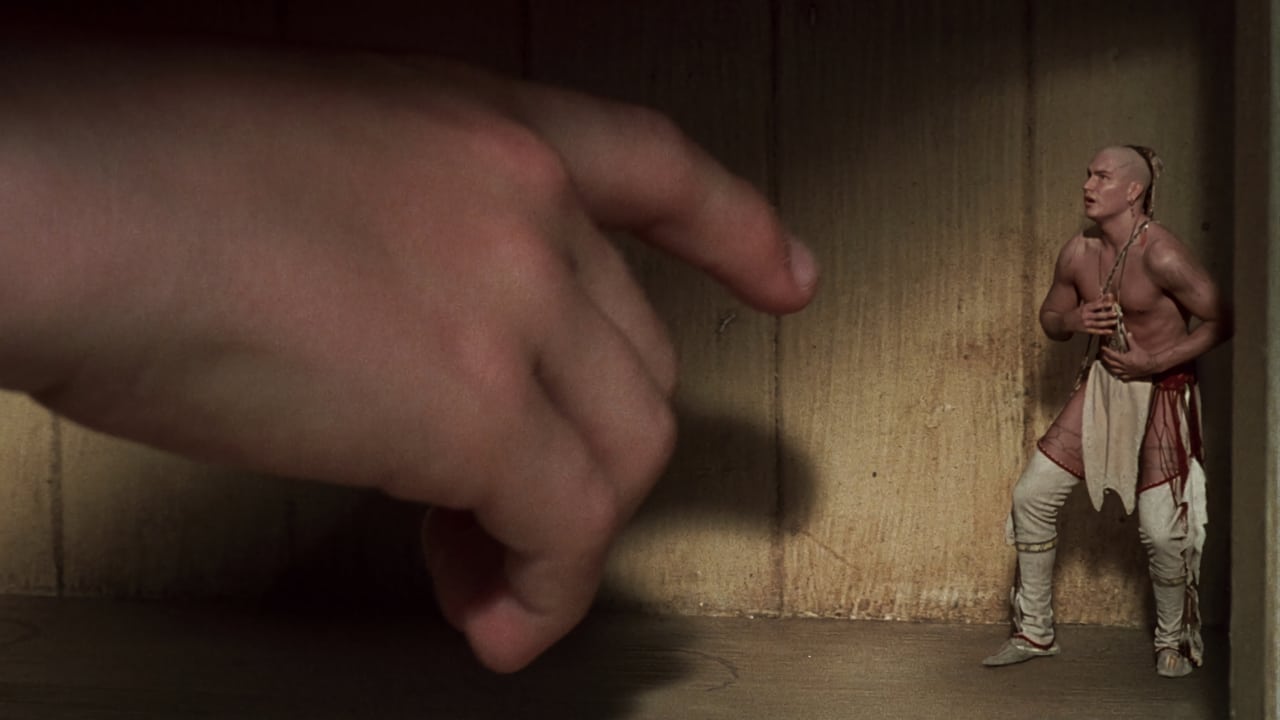
Based on the cherished children's novel by Lynne Reid Banks, the film introduces us to Omri (Hal Scardino), a thoughtful New York kid who receives a rather unassuming cupboard for his ninth birthday. It’s the key, a peculiar object belonging to his mother (Lindsay Crouse), that unlocks its true potential. When Omri locks a small plastic Iroquois figure inside, the toy vanishes, replaced by Little Bear (Litefoot), a flesh-and-blood man from the 18th century, albeit only a few inches tall. The sheer wonder of that initial reveal still resonates – the tiny figure blinking into life, bewildered and fierce.
### More Than Just Tiny Toys
What elevates The Indian in the Cupboard beyond a simple 'toys come to life' premise is the thoughtful screenplay penned by the brilliant Melissa Mathison. Having already captured the profound connection between a boy and an extraordinary visitor in E.T. the Extra-Terrestrial (1982), Mathison brings a similar sensitivity here. Omri's initial excitement quickly gives way to a dawning understanding of responsibility. Little Bear isn't a plaything; he's a person with his own history, needs, and dangers. The film delicately explores the complexities of their relationship – the cultural misunderstandings, the ethical dilemmas of Omri's power, and the burgeoning, unlikely friendship. Hal Scardino, in his first major role, perfectly embodies that childhood mix of curiosity and burgeoning empathy, making Omri feel incredibly real and relatable. Litefoot, a Native American actor and musician, brings a quiet dignity and strength to Little Bear, grounding the fantasy in genuine character.
### Crafting Miniature Worlds
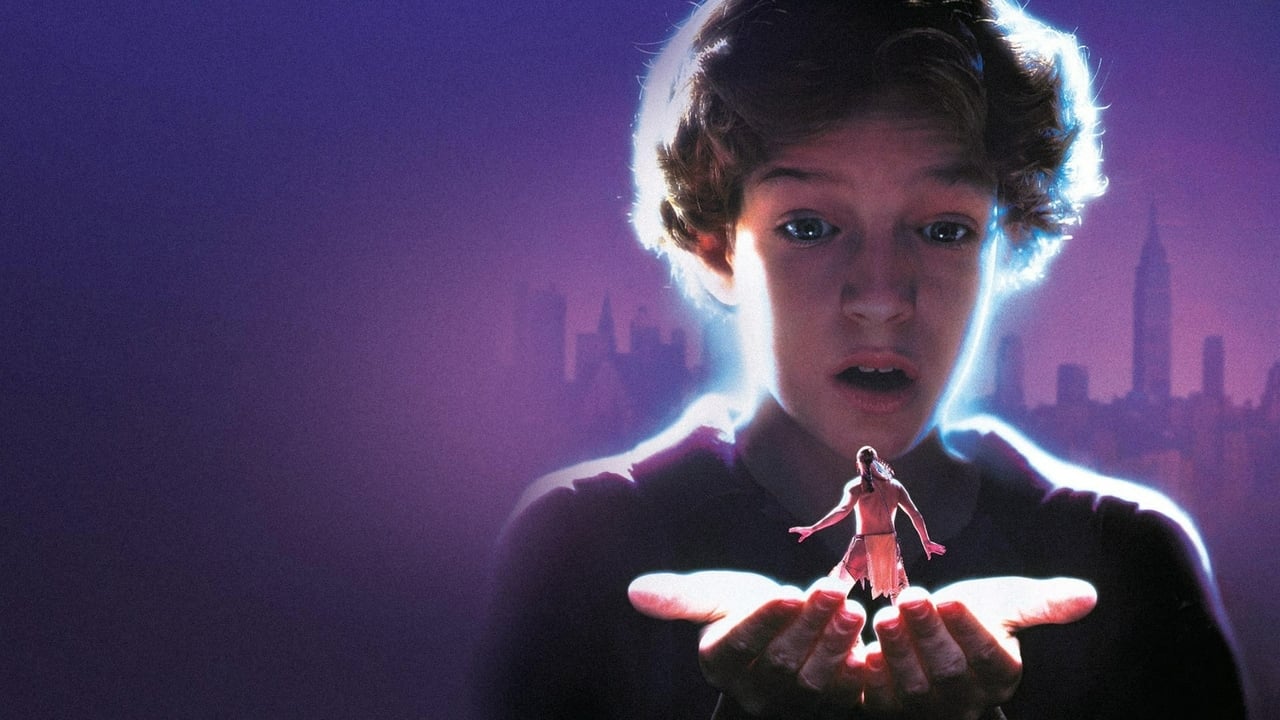
Bringing this miniature world to life required a blend of classic techniques and burgeoning 90s technology. Director Frank Oz, already a master of breathing life into the inanimate through his legendary work with The Muppets and films like Little Shop of Horrors (1986), skillfully navigates the challenges of scale. Much of the magic relies on cleverly constructed oversized sets and props, making young Scardino appear gigantic in comparison to Litefoot. But the film also employed the talents of Industrial Light & Magic (ILM), pioneers of digital effects, for seamless compositing shots where Omri and Little Bear interact directly. While some effects might look a touch dated now compared to modern CGI epics, there’s a tangible quality to them, a charm inherent in that mid-90s blend of practical craft and digital wizardry. It felt believable, tucked away on our CRT screens back in the day.
Retro Fun Fact: The film reportedly faced challenges translating the book's internal monologue and magic system visually. Mathison streamlined some elements, focusing on the core relationship. While the movie cost a respectable $45 million, it wasn't a massive box office smash, pulling in around $35.7 million domestically. Yet, like so many films of the era, it found a dedicated audience and a long life on VHS and cable, becoming a nostalgic touchstone for many kids who grew up renting it from Blockbuster or Hollywood Video. I distinctly remember the worn cover of the VHS tape at my local rental store, promising adventure within its plastic shell.
### Enduring Charm and Gentle Lessons
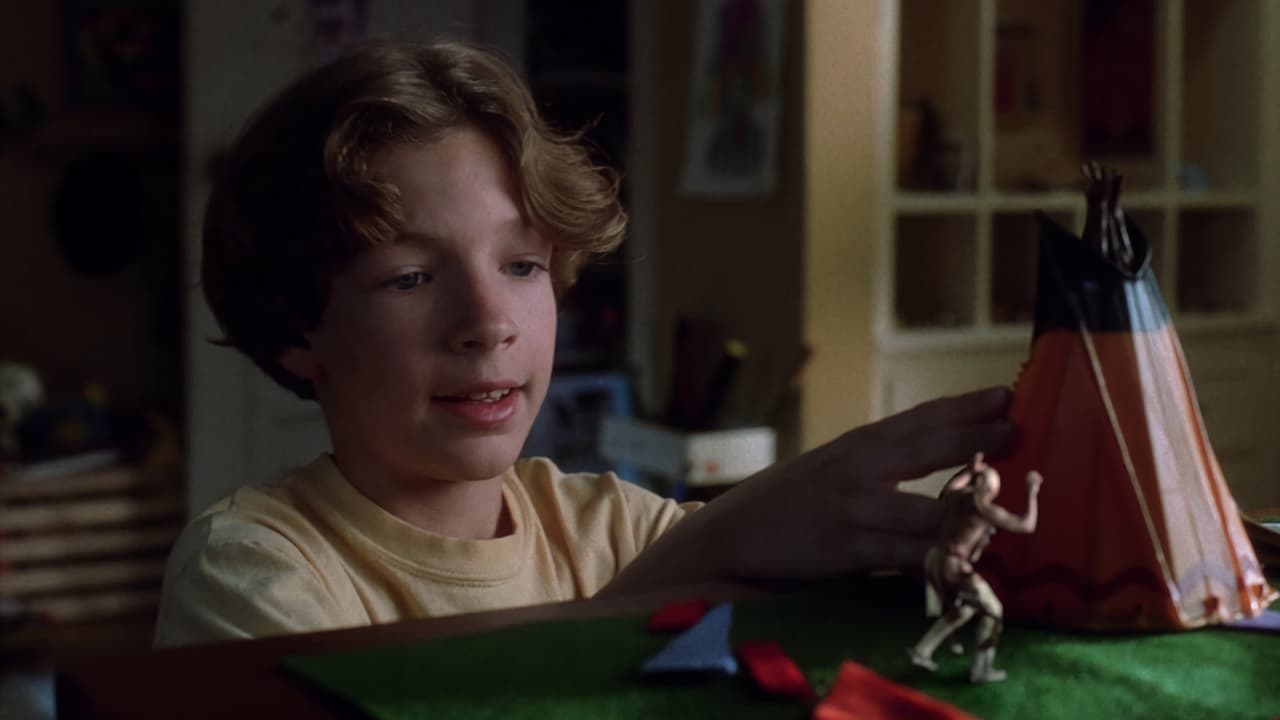
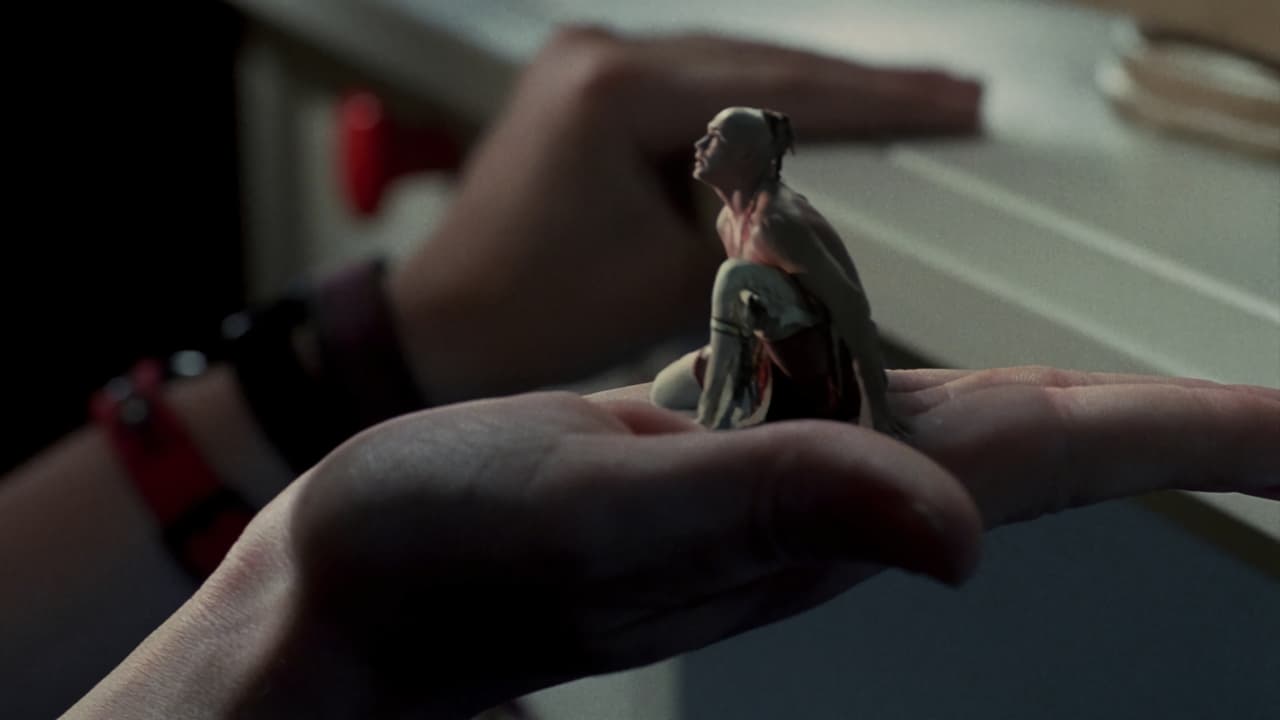
Sure, Omri eventually brings other figures to life – a swaggering cowboy named Boone, a WWI medic – leading to predictable conflicts and further lessons. But the heart of the film remains the connection between the boy and the warrior. Does the portrayal of Little Bear navigate complex cultural territory perfectly by today's standards? Perhaps not entirely, filtered as it is through a child's perspective and a fantasy lens. However, compared to many older depictions, there's a clear effort towards respect and individuality, largely thanks to Litefoot's performance and Mathison's writing. It aimed for understanding, even within its fantastical framework.
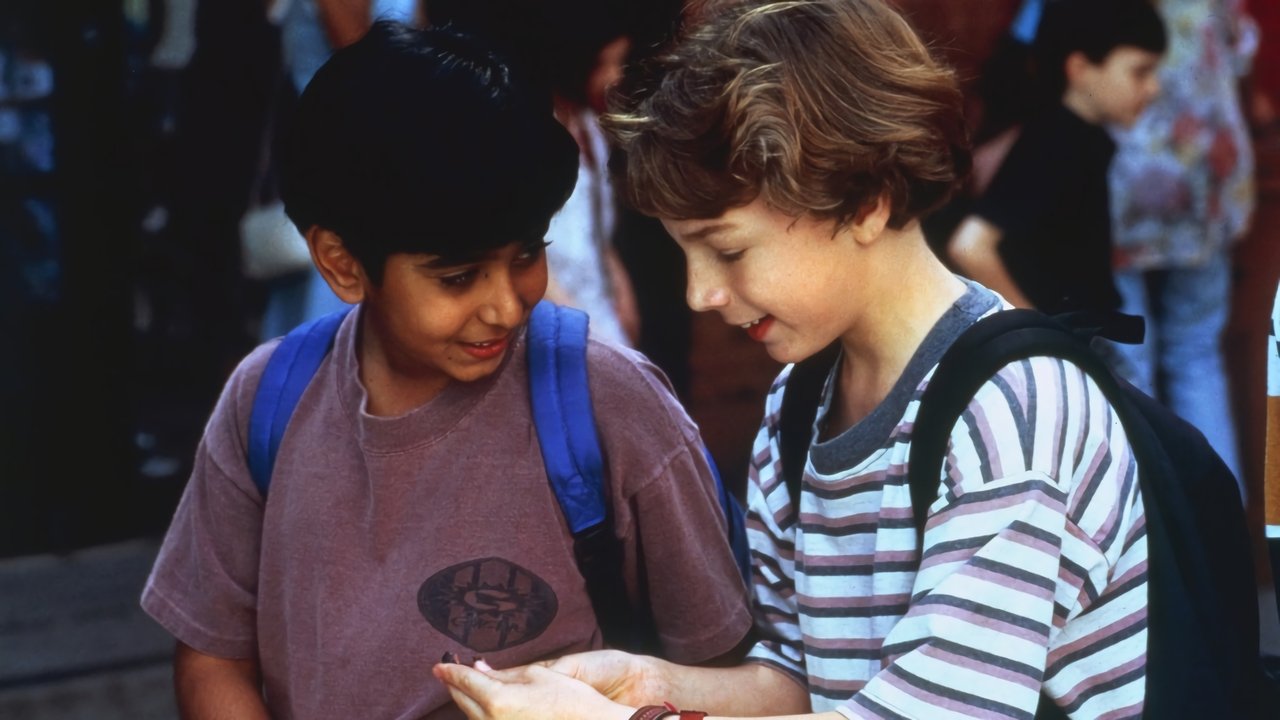
This isn't a thrill-a-minute action fest, but a gentler, more contemplative adventure. It’s a film that encourages imagination, empathy, and thinking about the consequences of our actions. It captures that specific feeling of being a kid, holding a secret power, and learning that with great power comes… well, you know the rest, even if it’s on a much smaller scale here. It asks you to consider the world from another's viewpoint, even if that viewpoint is only three inches off the ground.
Rating: 7.5/10
The Indian in the Cupboard might not have the bombast of other 90s family adventures, but its quiet charm and thoughtful core endure. It effectively captures the magic of the source material, powered by strong performances and Melissa Mathison’s characteristically sensitive script. The effects, a blend of old-school ingenuity and early digital work, possess a nostalgic appeal, and the central relationship between Omri and Little Bear offers genuine heart. It’s a film that feels like a warm memory – a reminder that sometimes the greatest adventures can unfold within the smallest of spaces, sparked by a simple key and a little bit of imagination. A true gem from the family film shelf of the video store era.