It starts with an image, doesn't it? A simple, potent symbol burned into the memory of anyone who encountered it: a small boy, brimming with chaotic energy, wearing a cooking pot jauntily askew on his head like a crown, or maybe a helmet preparing him for the grand adventures of youth. That image is Menino Maluquinho – the "Nutty Boy" – and Helvécio Ratton's 1995 film adaptation of Ziraldo's beloved Brazilian book captures the very essence of that symbol: the boundless, sometimes baffling, utterly unique world of being a kid. Watching it again now, decades removed from the aisles of the video store where such unexpected treasures could be found, feels like uncovering a warm, slightly faded photograph of childhood itself.

From Page to Screen: A Brazilian Icon
Before diving into the film, it's almost impossible not to mention the source material. Ziraldo Alves Pinto, known simply as Ziraldo, created O Menino Maluquinho in 1980, and it wasn't just a book; it became a cultural phenomenon in Brazil. Think Dennis the Menace meets Calvin and Hobbes, imbued with a distinct Brazilian flavour and warmth. The book, more a collection of vignettes and observations than a linear story, celebrated the glorious anarchy, the wild imagination, and the burgeoning emotional landscape of its protagonist. Translating that free-wheeling spirit into a narrative feature film was Helvécio Ratton's challenge. He wasn't just adapting a story; he was handling a national treasure, a character countless Brazilians grew up with. The film wisely doesn’t try to cram every anecdote in, instead focusing on capturing the feeling of Maluquinho's world during one pivotal childhood summer.
The Whirlwind of Youth
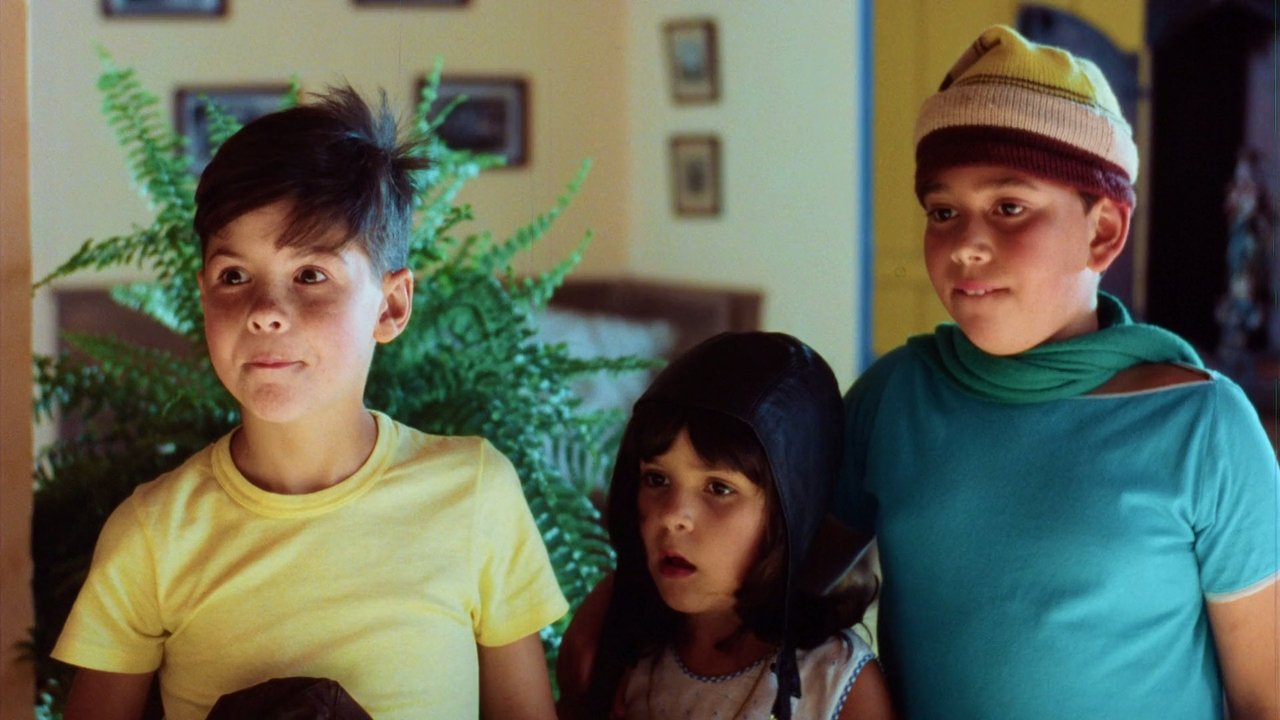
The film throws us headfirst into Maluquinho's universe. He’s not malicious, just… maluquinho. Overflowing with ideas, leader of his neighbourhood gang, inventor of games, source of exasperation for his parents (Patrícia Pillar and Roberto Bomtempo, bringing warmth and believable parental exhaustion), and the cherished grandson of a wise, playful elder (Luiz Carlos Arutin). The film beautifully evokes that feeling of endless summer days, the kind stretching out with infinite possibilities, filled with makeshift adventures, secret clubhouses, and the fierce, unquestioning loyalty of childhood friendships. There's a tangible sense of place, filmed largely in Minas Gerais, giving it an authentic small-town Brazilian feel that feels both specific and universally relatable to anyone who remembers roaming free before the age of constant connectivity. Ratton avoids overly slick production, letting the charm come from the interactions and the lived-in feel of the setting, reminiscent of that particular brand of earnest 90s family filmmaking.
The Boy in the Pot
Central to the film's success is the absolutely captivating performance by young Samuel Costa as Maluquinho. It's a performance remarkably free of child-actor precociousness. Costa is the Nutty Boy – bursting with physical energy, quicksilver emotional shifts, infectious laughter, and moments of surprising vulnerability. He embodies that whirlwind nature of a kid whose mind works faster than his legs can carry him, whose imagination constantly reshapes reality. It’s a performance that feels discovered rather than coached, raw and authentic. Surrounding him, Patrícia Pillar and Roberto Bomtempo provide the necessary grounding, their love and occasional frustration feeling entirely genuine. And Luiz Carlos Arutin as the grandfather is simply wonderful, radiating kindness and understanding, their bond forming the emotional core of the film’s first half.
Shadows on the Sun
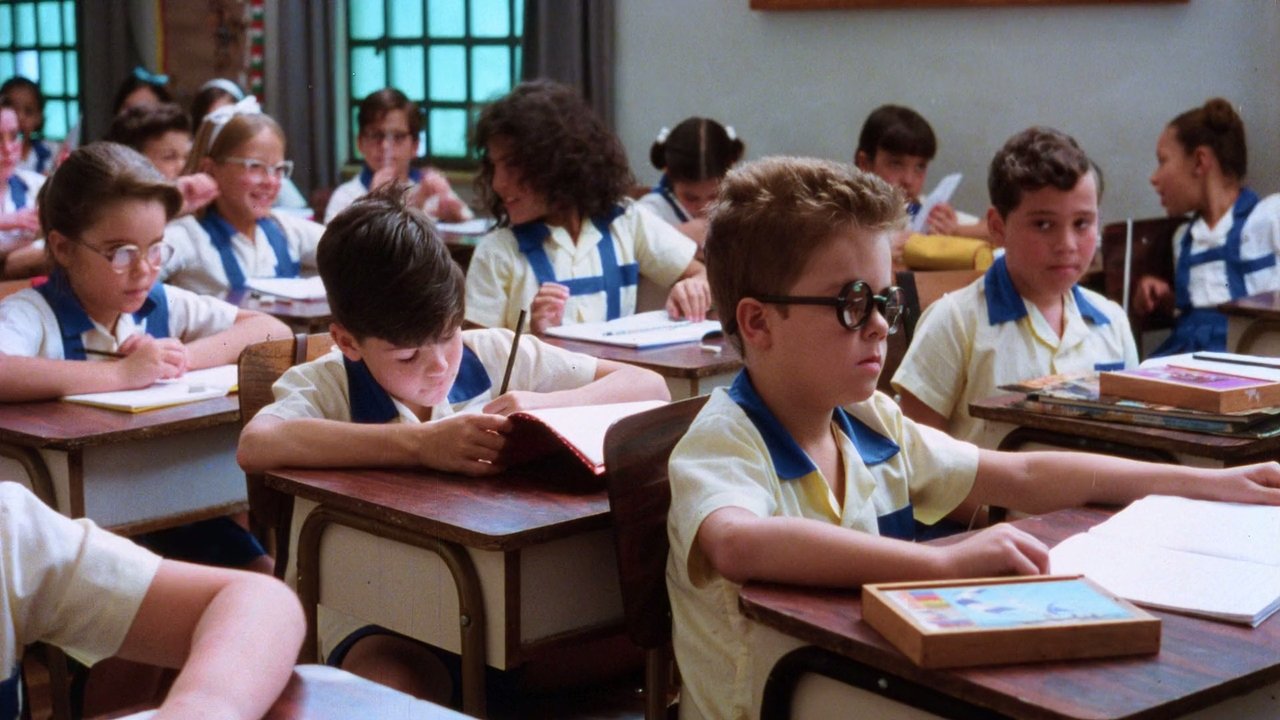
While celebrating the joy and chaos of youth, O Menino Maluquinho doesn't shy away from the inevitable encroachments of reality. (Gentle Spoiler Alert!) The film takes a poignant turn with the passing of Maluquinho's beloved grandfather. It handles this difficult transition with sensitivity and grace, exploring the confusion and sadness of a child's first real encounter with loss. This shift allows the film to deepen, moving beyond pure energetic fun to explore how children process grief and how life inevitably changes. It avoids melodrama, focusing instead on Maluquinho’s quiet withdrawal and eventual, tentative steps back towards his friends and his own innate spirit. It’s a narrative choice that elevates the film beyond simple nostalgia, reminding us that even the most idyllic childhoods have their share of shadows. Doesn't this resonate with how we often look back, remembering the sunshine but also the first hints of life's complexities?
Crafting Childhood Authenticity
Helvécio Ratton, who also co-wrote the screenplay with Ziraldo himself, directs with a gentle hand. He trusts his young actor and the inherent charm of the situations. The filmmaking isn’t flashy; it serves the story and the characters, prioritizing emotional truth over elaborate set pieces. The pacing mirrors the rhythms of childhood – bursts of frantic energy followed by moments of quiet contemplation. The score effectively underscores the moods, from playful to melancholic. One senses the deep respect Ratton had for the source material, aiming not just to replicate events, but to capture the spirit Ziraldo created on the page. It’s said that finding the right Maluquinho was crucial, and the casting of Samuel Costa, who perfectly embodied the character's mix of energy and sensitivity, proved key to the film’s heartfelt appeal. The film was a significant success in Brazil, connecting deeply with audiences who cherished the book, and even spawned a less-well-regarded sequel (Menino Maluquinho 2: A Aventura) in 1998.
A Warm Echo from the Shelves
O Menino Maluquinho might not have been a mainstream blockbuster found in every North American video rental store, but stumbling upon it felt like discovering a special, heartfelt gem. It’s a film that radiates warmth and a genuine affection for its characters and the bittersweet passage of childhood. It’s imbued with that specific 90s sincerity, a lack of cynicism that feels refreshing today. Watching it now evokes a pleasant nostalgia, not just for the era, but for the universal experience of being young, imaginative, and just a little bit ‘nutty’. It reminds us of the power of simple stories told with heart and authenticity.
Rating: 8/10
This rating reflects the film's immense charm, its wonderful central performance, and its sensitive handling of childhood joy and sorrow. It perfectly captures the spirit of its beloved source material, creating a viewing experience that feels both authentically Brazilian and universally resonant. While perhaps simple in its narrative structure compared to modern family films, its emotional honesty and nostalgic warmth make it a standout. What lingers most is the film's gentle understanding of the fleeting, precious, and wonderfully chaotic nature of being a child. It leaves you with a smile, and perhaps a quiet moment of reflection on your own pot-helmeted adventures.