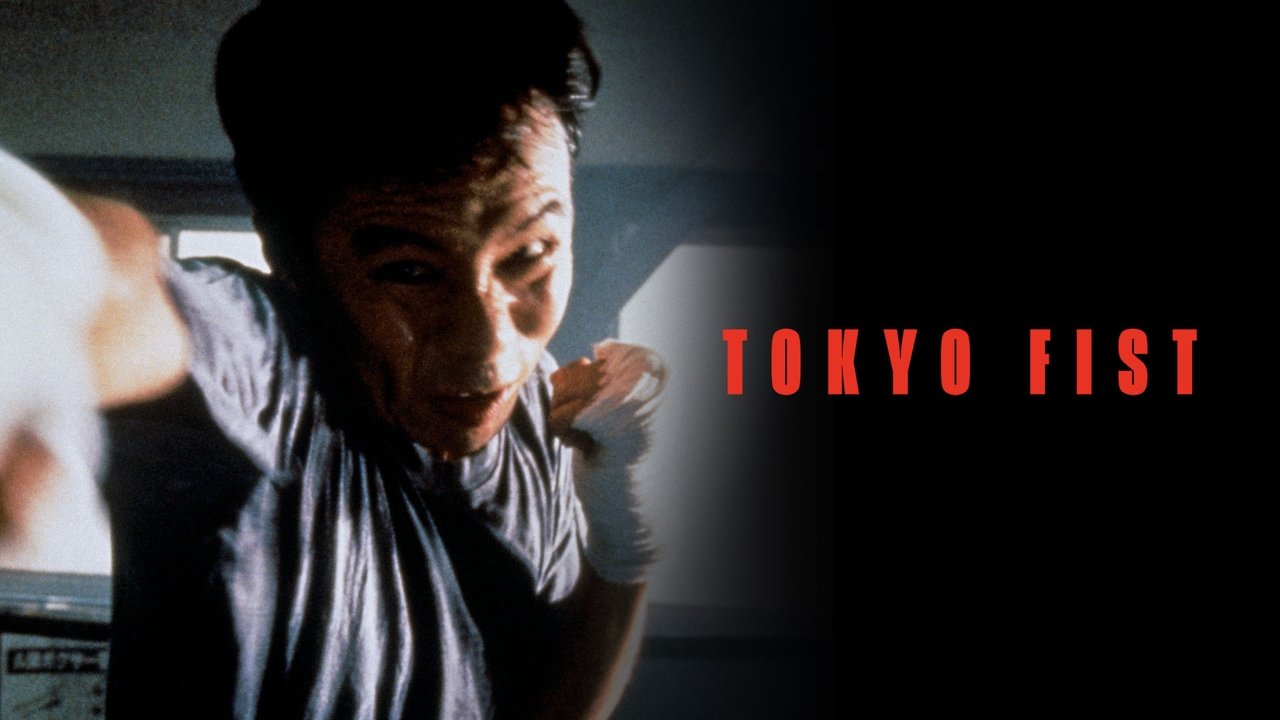
Steel scrapes against concrete, not as construction, but as a prelude to something far more intimate and damaging. That’s the sound that lingers after Shinya Tsukamoto’s Tokyo Fist (1995) has finished battering your senses. Forget the neon glow often associated with cinematic Tokyo; this is a film bathed in the bruised purple of twilight apartment blocks and the harsh fluorescent glare of sterile offices, spaces where pressure builds until flesh itself becomes the only escape valve. Watching it feels less like viewing a narrative and more like being locked in a small, shaking room with impulses made manifest, a raw nerve exposed on grainy videotape.

A City of Contained Fury
The premise is deceptively simple: Tsuda (played with simmering resentment by Shinya Tsukamoto himself) is an ordinary salaryman, trapped in a passionless relationship with Hizuru (Kahori Fujii) and navigating the quiet desperation of modern urban life. His world violently collides with Kojima (Koji Tsukamoto, Shinya's real-life brother), a former classmate now consumed by boxing, a man whose entire being seems dedicated to the infliction and absorption of pain. When Kojima intrudes upon Tsuda’s life, seducing Hizuru and brutally beating Tsuda, it unlocks a terrifying spiral of obsession, masochistic transformation, and explosive violence for all three. This isn't just a love triangle; it's a destructive vortex pulling them towards self-annihilation.
Tsukamoto plunges us headfirst into the psychological decay beneath Tokyo's surface. The film’s power lies not just in its shocking bursts of brutality, but in the suffocating atmosphere it cultivates. The cramped apartments feel like pressure cookers, the relentless city noise a constant abrasive hum. Tsukamoto’s signature hyper-kinetic, often handheld camerawork mirrors the characters' fractured mental states, jerking and weaving as if barely containing the chaos threatening to erupt. Combined with Chu Ishikawa's industrial, percussive score – all grinding metal and distorted beats – the effect is intensely claustrophobic and unnerving. You feel the city closing in, the options dwindling, until the only language left seems to be physical agony.
The Flesh is Weak, The Will is Terrifying
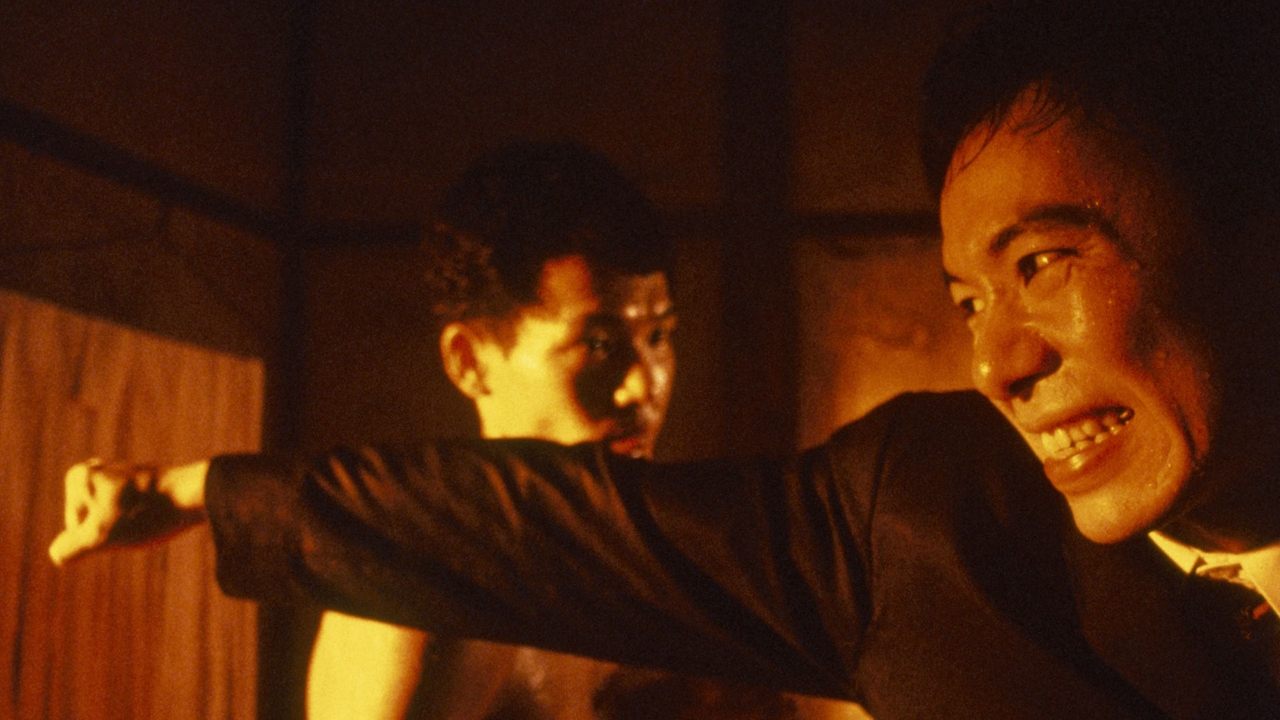
Where Tokyo Fist truly sears itself into memory is its depiction of body modification and visceral transformation. This isn't the fantastical metamorphosis of Tsukamoto’s earlier Tetsuo: The Iron Man. Here, the changes are grounded, agonizingly physical. As Tsuda dedicates himself to boxing, his body becomes a canvas of bruises, swelling, and scar tissue. Hizuru, seeking her own form of power and control, embraces extreme piercing and tattooing, pushing her physical limits in a desperate attempt to reclaim agency. Kojima, already a vessel of disciplined violence, seems almost serene amidst the escalating physical destruction.
These aren't cosmetic changes; they are profound psychological shifts made terrifyingly external. The practical effects, though born from a typically constrained Tsukamoto budget, possess a disturbing weight. The makeup depicting Tsuda’s battered face, the close-ups on needles piercing skin – they feel disturbingly real, tapping into a primal discomfort. There's a palpable sense of flesh being punished, reshaped by sheer, brutal will. Reportedly, the intensity wasn't just on screen; both Tsukamoto brothers underwent rigorous boxing training for their roles, adding a layer of authentic physical commitment that bleeds through the performances. It's fascinating, and grimly appropriate, that Tsukamoto cast his own brother in the role of the catalyst for his character's destructive transformation, adding a layer of meta-textual intensity.

Beneath the Bruises
While the visceral impact is undeniable, Tokyo Fist isn't merely shock cinema. It functions as a potent, if brutal, commentary on repressed masculinity, urban alienation, and the search for meaning in a dehumanizing modern landscape. Tsuda’s initial meekness explodes into obsessive violence, a terrifying exploration of what happens when societal constraints finally snap. Hizuru’s journey, arguably the most complex, explores female agency through self-inflicted pain and radical alteration, challenging traditional notions of victimhood. Is her transformation empowerment or another form of destruction? The film offers no easy answers.
It’s a work deeply rooted in the anxieties of its time – the pressures of Japanese corporate culture, the simmering potential for violence beneath polite society – yet its core themes feel disturbingly timeless. The feeling of being trapped, the desperate need to feel something, anything, even pain, in an increasingly numb world – these resonate powerfully. Tsukamoto himself being director, writer, star, editor, and cinematographer underscores the intensely personal, almost obsessive nature of the project. He wasn't just telling a story; he was seemingly exorcising demons directly onto celluloid. It's worth noting that filming was reportedly so intense and the subject matter so dark that crew members occasionally needed breaks just to cope with the atmosphere on set.
The film's influence, while perhaps less overt than Tetsuo's, can be felt in later works exploring body horror and psychological extremes. It stands as a key piece of 90s Japanese extreme cinema, uncompromising and raw.

Rating: 8/10
Tokyo Fist earns its 8/10 rating through sheer, uncompromising force of will. Its brutal intensity, visceral body horror, and suffocating atmosphere are executed with a singular vision that’s both repellent and hypnotic. The performances, particularly from the Tsukamoto brothers and Kahori Fujii, are raw and committed. While its relentless bleakness and extreme content make it a challenging, even punishing watch that certainly isn't for everyone, its thematic depth exploring urban despair and psychological breakdown through physical transformation gives it a lasting, disturbing power. The craft on display, achieving so much atmospheric dread and kinetic energy likely on a shoestring budget, is remarkable. It loses points only perhaps for a narrative that occasionally feels secondary to the experiential assault, and its extreme nature inherently limits its audience.
Tokyo Fist isn't a film you casually enjoy; it's an experience you endure, one that leaves phantom aches and a lingering sense of urban dread. It’s a reminder from the VHS era that sometimes the most terrifying monsters aren't fantastical creatures, but the suppressed rage simmering just beneath the skin of ordinary life.