There’s a certain weight that settles in when the usual kinetic energy of a Jackie Chan film suddenly stills, replaced by something quieter, more burdened. Watching Heart of Dragon (1985, also known sometimes by the perhaps more revealing title The First Mission), you feel that shift almost immediately. It wasn't the intricate stunt work or the comedic timing we’d come to expect that lingered most strongly after my first viewing years ago on a slightly fuzzy rented tape; it was the palpable sense of frustration and aching tenderness emanating from Chan himself, playing against type in a way that felt both brave and startlingly raw.
A Different Kind of Battle
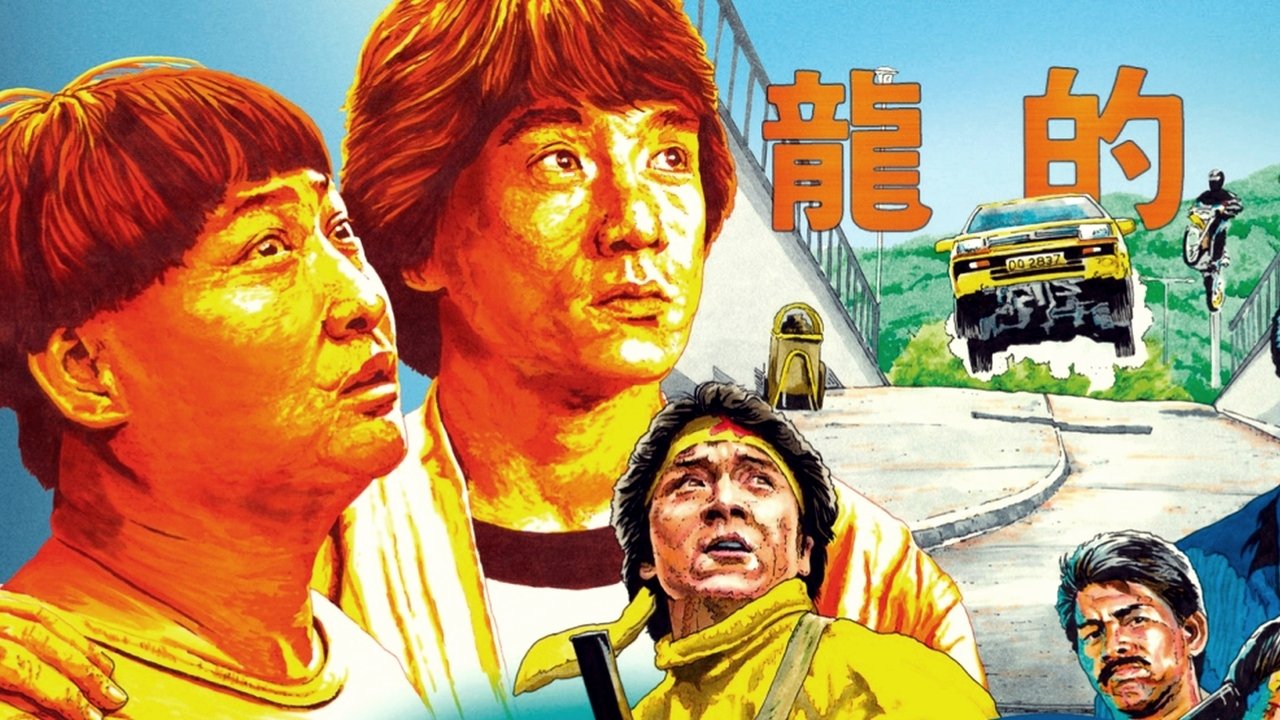
Forget the intricate fight choreography for a moment – though it does eventually arrive. The primary conflict here isn't against triads or terrorists, but against the relentless, heartbreaking demands of familial love and duty. Jackie Chan plays Tat Fung, a dedicated SWAT team officer harbouring dreams of becoming a sailor, of seeing the world beyond the gritty streets of Hong Kong. Holding him back is his profound love and responsibility for his older brother, Dodo (played by the film's director, Sammo Hung), who has a significant intellectual disability. This central relationship is the film's undeniable core, its source of both profound warmth and wrenching pathos. It dares to ask: what sacrifices are we willing to make for family, and what is the toll on our own spirit?
Performance Over Pyrotechnics
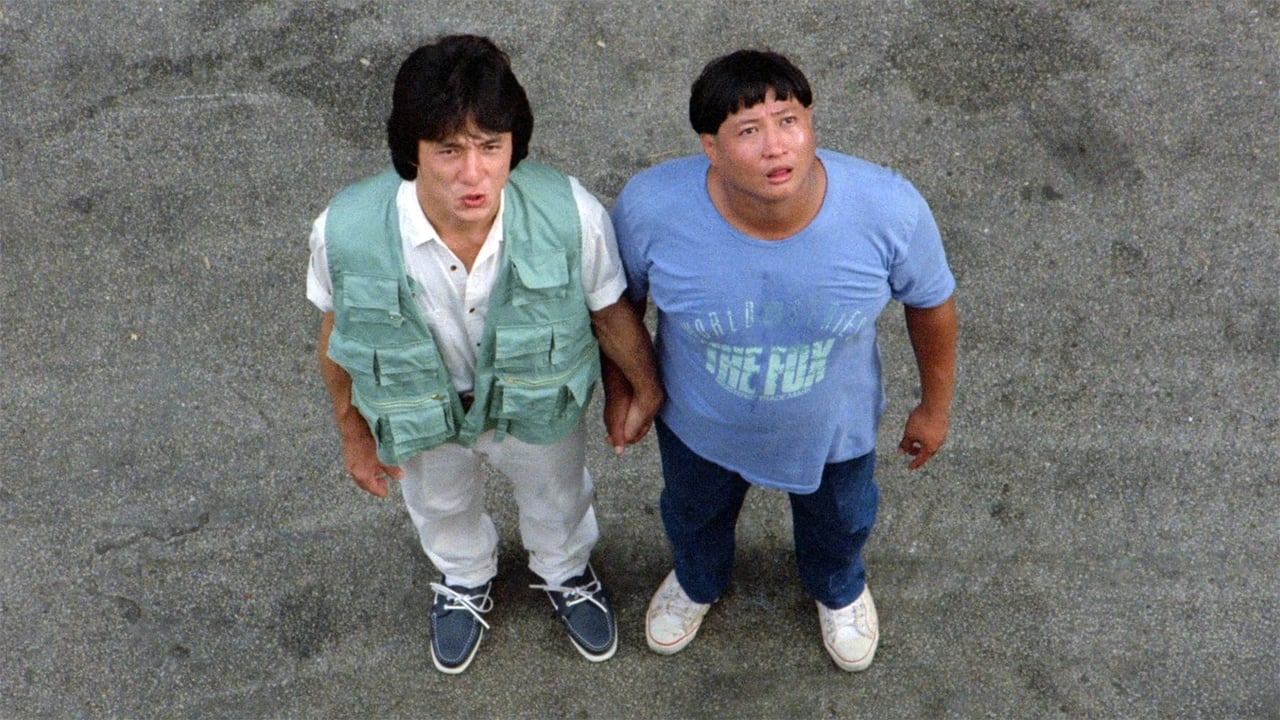
This film stands as a fascinating testament to Jackie Chan's desire, even back in the mid-80s, to be recognized for more than just his incredible physical prowess. Reportedly, Chan saw this as his Rain Man, an opportunity to delve into serious drama, and he throws himself into the role with a quiet intensity that's genuinely affecting. We see the weariness in his eyes, the constant vigilance, the flashes of anger born not of malice but of sheer exhaustion and the unfairness of their situation. It’s a performance built on restraint, conveying deep emotion through subtle shifts in expression rather than grand gestures. Does every dramatic beat land perfectly? Perhaps not, but the sincerity of the effort is undeniable and deeply felt.
Matching him step for step is Sammo Hung, taking on the challenging role of Dodo. Hung commits fully, portraying Dodo's innocence, his dependency, and his occasional flashes of frustration with a sensitivity that largely avoids caricature, a significant risk for such a role, especially in the era. The chemistry between the two "brothers" feels authentic; their bond, forged through years of shared life and reliance, is the bedrock upon which the entire narrative rests. It’s their interactions – the small moments of care, the shared jokes, the painful misunderstandings – that give the film its emotional weight.
The Director's Delicate Balance


As director, Sammo Hung navigates tricky tonal shifts. The film leans heavily into melodrama, sometimes laying the sentiment on quite thick with a score that occasionally underlines the obvious. Yet, Hung also crafts moments of quiet observation and genuine tenderness. The depiction of the neighbourhood community, the struggles of daily life, grounds the more heightened emotional beats. One fascinating piece of trivia often surfaces regarding the film's action content, or relative lack thereof. Apparently, the original Hong Kong cut focused almost entirely on the drama, reflecting Chan and Hung's artistic intent. However, distributors, particularly in Japan, felt audiences wouldn't accept a Chan/Hung film without significant action. This led to additional fight scenes being shot later (reportedly helmed by Corey Yuen) and inserted into the Japanese version, creating a somewhat different, perhaps more commercially palatable, but arguably less focused film. Knowing this history certainly illuminates the slightly uneven feel the film can sometimes have, caught between its dramatic heart and market expectations.
When the Action Does Kick In
The action sequences, primarily clustered towards the latter part of the film (especially in the more common international cuts), are certainly competent, showcasing flashes of the duo's trademark intricate choreography and impactful stunt work. There's a particularly brutal warehouse fight that feels raw and desperate, reflecting Tat Fung's emotional state. However, compared to classics like Project A or Wheels on Meals released around the same time, the action here feels less like the main course and more like an obligatory side dish, integrated somewhat jarringly after the prolonged focus on character drama. They are well-executed, yes, but do they truly belong to the film's core emotional narrative? That remains debatable.
A Surprising Departure
It's worth noting the supporting cast, particularly Emily Chu as Tat's supportive girlfriend, who brings a needed warmth and perspective. The film paints a picture of working-class Hong Kong life, adding a layer of social realism often absent in the pair's more fantastical outings. The production budget, while likely modest compared to Hollywood standards, feels well-utilized in creating this grounded world. While its box office performance (around HK$20 million, respectable but not the runaway success of some of their other collaborations) might suggest audiences were somewhat perplexed by the dramatic focus, its existence speaks volumes about the artists' desire to stretch.
Heart of Dragon isn't a perfect film. The pacing can drag, the melodrama sometimes veers towards the maudlin, and the integration of action feels slightly forced in certain versions. But its courage lies in its willingness to deviate from a winning formula, to prioritize character and emotion over spectacle. It offers a rare glimpse of vulnerability from two of Hong Kong cinema's biggest action icons.
Rating: 7/10
Justification: The score reflects the film's genuine strengths – primarily the committed and surprisingly nuanced performances from both Jackie Chan and Sammo Hung, and the bold attempt to tackle serious dramatic themes within the action genre framework. The authenticity of the central relationship is powerful. However, it's docked points for the somewhat uneven tone, the occasionally heavy-handed melodrama, and the slightly jarring integration of action sequences (a likely consequence of those differing cuts catering to market demands). It’s a film whose ambition perhaps slightly outstripped its execution, but its heartfelt core remains deeply affecting.
Final Thought: More than just a curiosity in their filmographies, Heart of Dragon remains a poignant reminder that behind the breathtaking stunts and charismatic grins, Chan and Hung were also actors capable of exploring the messy, painful, and profoundly human territory of sacrifice and love. It’s a film that stays with you, not for the fights, but for the quiet weight of responsibility carried in one brother’s eyes.