It’s funny how certain screen adaptations lodge themselves in your memory, isn’t it? Not necessarily the biggest blockbusters or the Oscar winners, but those earnest, slightly fuzzy-around-the-edges TV movies that filled a Sunday evening slot. The 1996 adaptation of Oscar Wilde’s The Canterville Ghost is precisely that kind of film – a warm blanket of gentle spookiness and transatlantic charm, tailor-made for a cozy night in, perhaps discovered nestled between well-worn tapes at the rental store or caught on a weekend broadcast. It might not have the gothic grandeur of some adaptations, but it possesses a heartfelt quality, largely thanks to its perfectly cast leads.
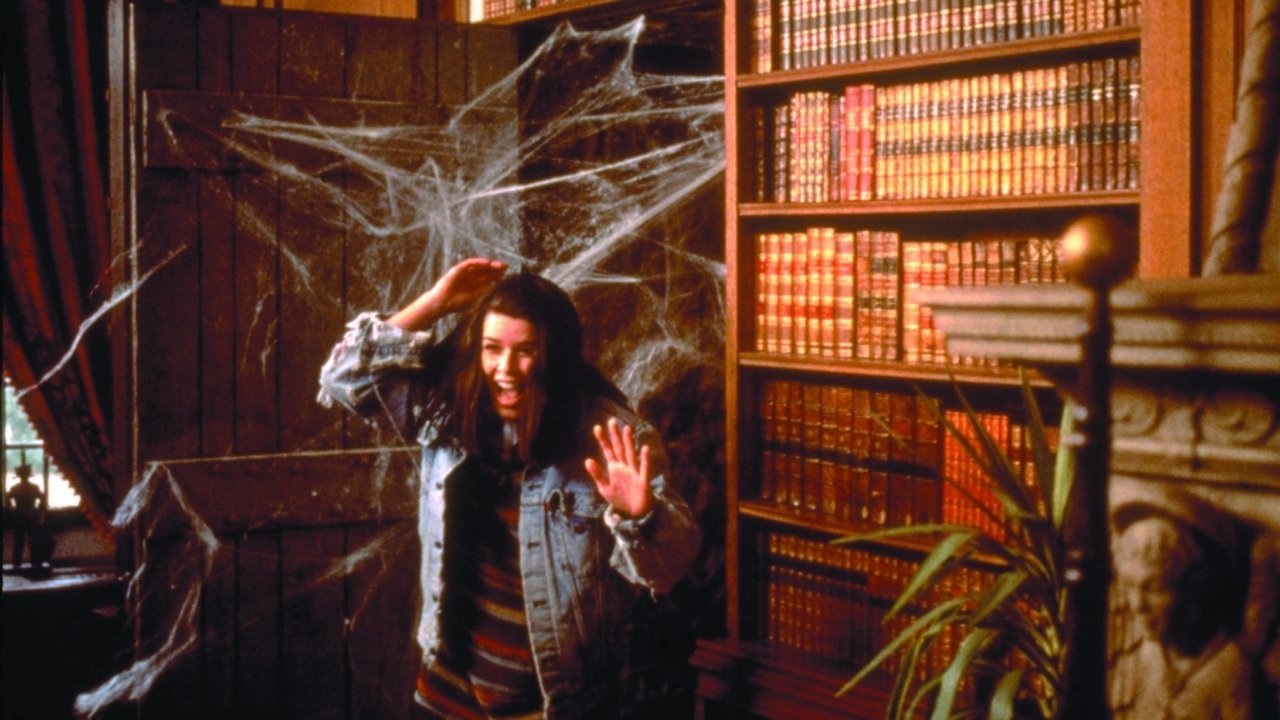
Culture Clash at Canterville Chase
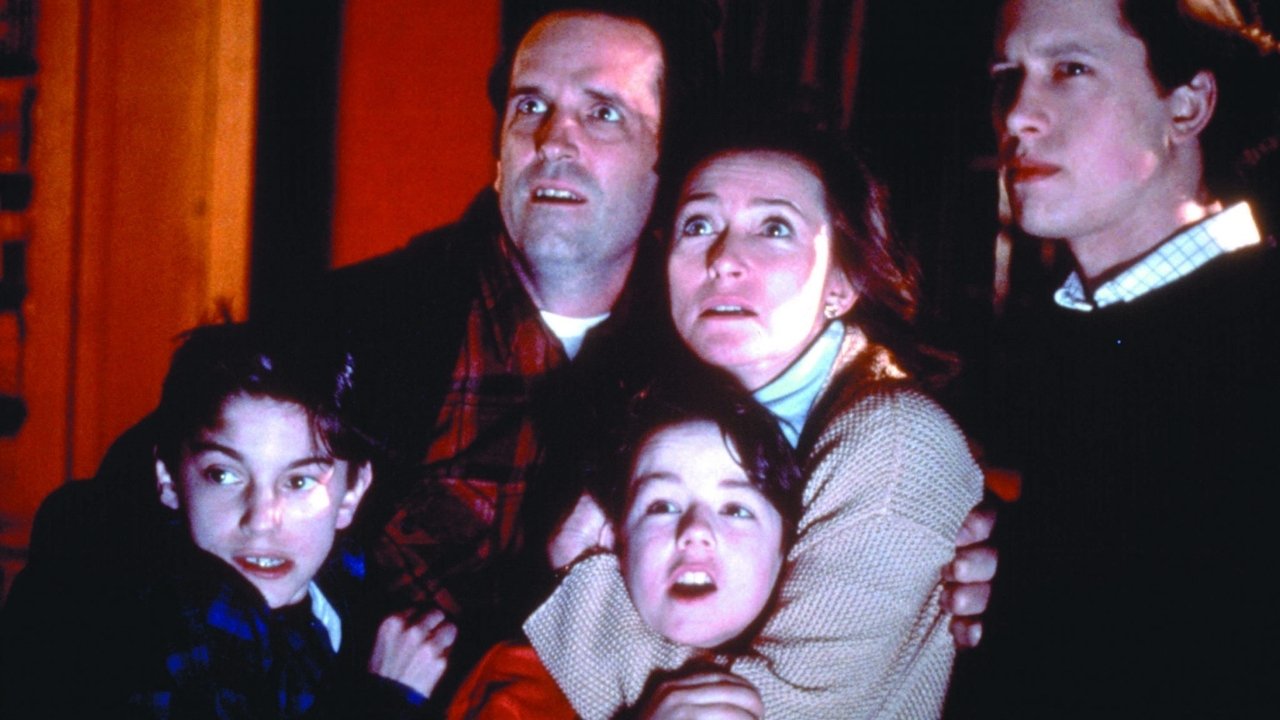
The premise, borrowed faithfully from Wilde’s delightful 1887 short story, is simple yet effective: a pragmatic, modern American family, the Otises, buys a grand old English manor, Canterville Chase, complete with its very own resident spectre. Headed by the scientifically minded Mr. Otis (Donald Sinden), the family treats the warnings from the departing Lord Canterville and the superstitious housekeeper, Mrs. Umney (played with delightful fussiness by the legendary Joan Sims of Carry On fame), with cheerful American skepticism. Cue the arrival of Sir Simon de Canterville, a ghost doomed to haunt the halls after murdering his wife centuries ago, who finds his usual spectral repertoire – clanking chains, bloodstains, ghostly groans – utterly ineffective against these unflappable newcomers. They offer him lubricant for his chains and stain remover for his spectral spills!
What unfolds is less a horror story and more a witty commentary on cultural differences, wrapped in a surprisingly touching tale of loneliness and redemption. Director Sydney Macartney and writer Robert Benedetti lean into the inherent warmth and humor of Wilde’s original text, crafting something distinctly family-friendly for its ABC television premiere back in January 1996. Forget jump scares; this is about gentle melancholy and burgeoning understanding.
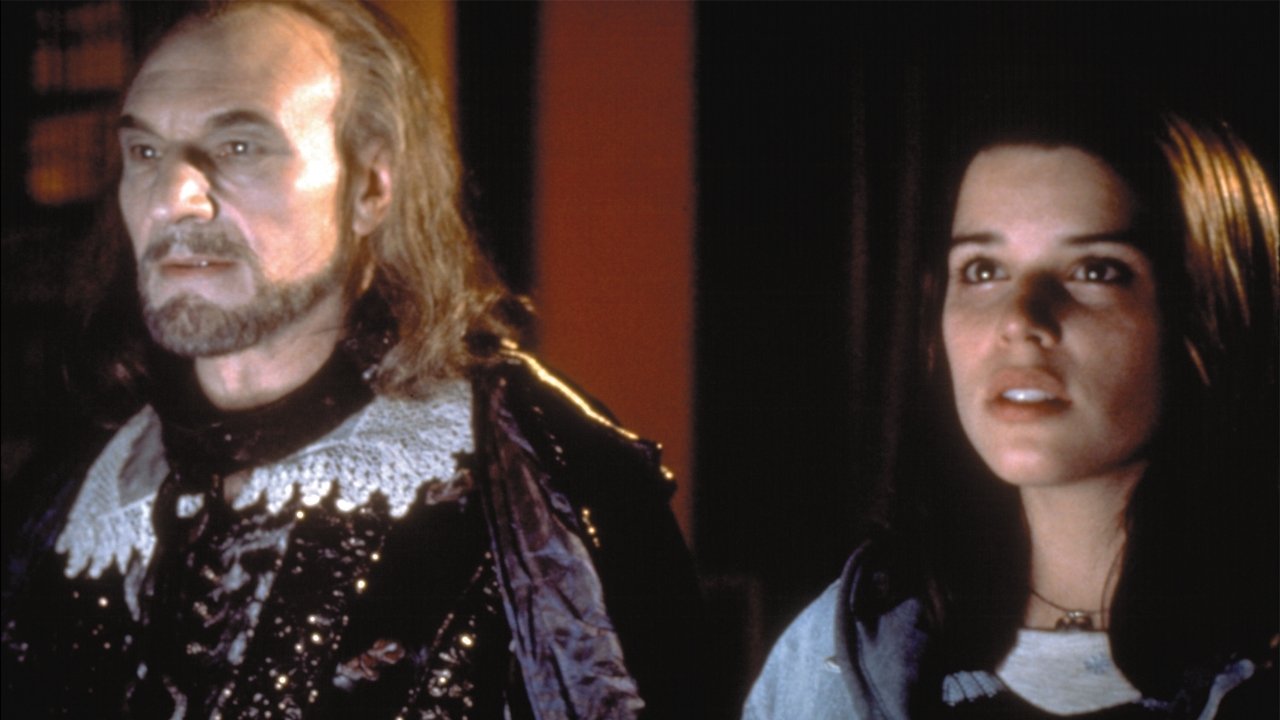
Picard Meets the Paranormal
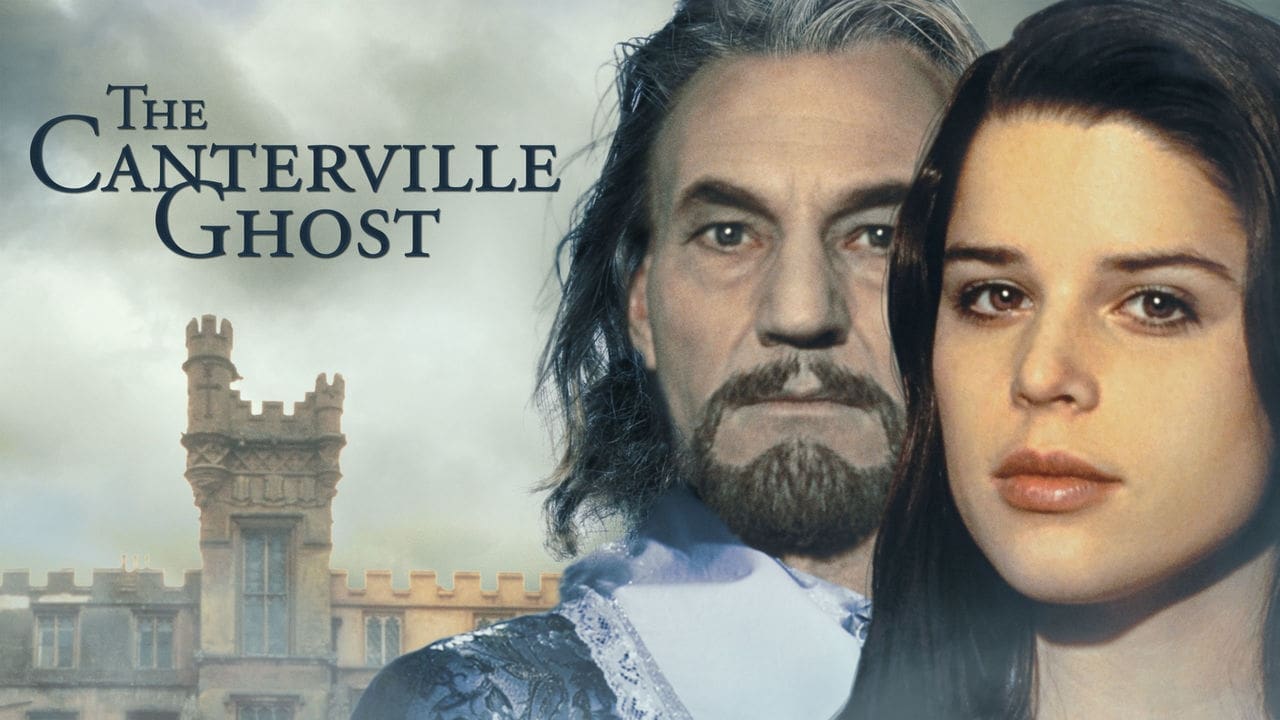
The absolute masterstroke of this production is the casting of Patrick Stewart as Sir Simon. Fresh off commanding the Starship Enterprise in Star Trek: The Next Generation (which had concluded its TV run just a couple of years prior), seeing Stewart embody this weary, theatrical, and ultimately quite sad ghost was a genuine treat. He brings a magnificent gravitas to the role, yes, but also a wonderful comedic timing as Sir Simon’s ghostly antics fall increasingly flat against the Otis family’s practicality. There's a palpable sense of frustration, vanity, and deep-seated sorrow in his performance that elevates the entire film. You truly feel for this spectre, who is less terrifying and more existentially exhausted. It’s a performance that reminds you of Stewart’s incredible stage presence, even when dealing with the relatively simple (but charmingly effective for the time) spectral effects of a 90s TV movie.
Ginny and the Ghost
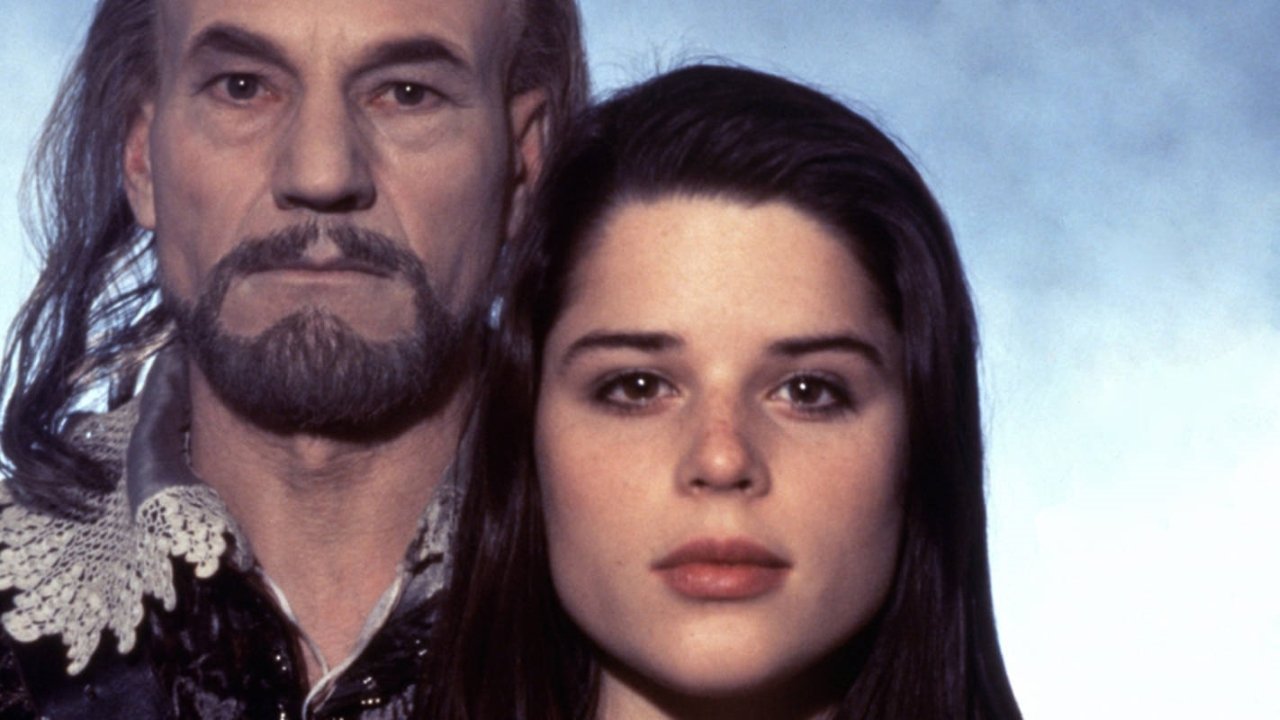
Playing opposite Stewart’s spectral gravitas is Neve Campbell as Virginia "Ginny" Otis, the teenage daughter who sees beyond the ghostly facade. Campbell, on the cusp of massive stardom with Scream hitting cinemas later the same year, brings a crucial sensitivity and quiet strength to Ginny. While her brothers delight in tormenting Sir Simon with practical jokes, Ginny approaches him with empathy and curiosity. The heart of the film lies in the burgeoning connection between the ancient, lonely ghost and the compassionate young woman who might hold the key to his centuries-long curse. Campbell radiates the earnestness that made her a relatable star in Party of Five, providing the perfect counterpoint to Stewart’s world-weary phantom. Their scenes together are the film’s strongest, showcasing a gentle chemistry that anchors the story’s emotional core.
Made-for-TV Charm and Retro Insights
Shot largely on location at the stunning Knebworth House in Hertfordshire, England (a popular filming spot, recognisable from other productions like Tim Burton’s Batman), the film boasts a visual richness that often belied its TV movie budget. Sure, some of the ghostly effects might look a tad quaint now – think gentle dissolves and subtle glows rather than CGI monstrosities – but they possess a certain handcrafted charm that fits the story’s tone perfectly. This wasn't about shocking the audience; it was about telling a classic tale with warmth and sincerity.
It’s fascinating to think this aired on ABC, likely as part of their family programming, presenting a version of Wilde that sanded off some of the sharper satirical edges in favour of sentiment. But what it might lack in biting wit, it makes up for in genuine heart. Joan Sims, in one of her later roles, is a comforting presence, embodying the old-world superstitions the Otises so cheerfully ignore. The whole production has that specific feel of a mid-90s TV event – well-produced, slightly cozy, and aiming squarely at a broad audience. It might not be the definitive Canterville Ghost, but it's arguably one of the most accessible and endearing.
Final Thoughts
The Canterville Ghost (1996) isn't a forgotten masterpiece demanding rediscovery, perhaps, but it's a thoroughly charming and well-acted adaptation that holds a special place for those who caught it back in the day. It’s a testament to the power of great casting, with Patrick Stewart delivering a performance far richer than a simple TV movie might suggest, and Neve Campbell showing the early signs of the star quality that would soon explode onto the big screen. It captures the gentle, humorous melancholy of Wilde’s story effectively, even within its family-friendly constraints.
Rating: 7/10 - This score reflects its success as a genuinely warm, well-performed, and atmospherically charming TV movie adaptation. It achieves exactly what it sets out to do, anchored by Stewart's fantastic portrayal and Campbell's empathetic presence. While not a cinematic powerhouse, its heart and nostalgic appeal earn it solid marks.
For a cozy evening reminiscing about simpler spooks and the comforting glow of the CRT screen, you could do far worse than revisiting Sir Simon’s spectral sighs at Canterville Chase. It’s like a warm cup of tea on a slightly haunted night.