Ah, the mid-90s. A glorious time of dial-up internet, questionable fashion choices we thought were so cool, and a particular flavour of teen movie magic often found beaming from our CRT screens after a trip to the video store. Tucked snugly within that era is Wish Upon a Star (1996), a film that feels like slipping into a comfortable, brightly-coloured pair of JNCOs – maybe slightly dated, but undeniably nostalgic and fun. It didn’t rewrite the rulebook, but for a certain generation, this body-swap comedy holds a special charm, sparkling with sisterly squabbles and quintessential high school drama.
### Sisters Doing it For Themselves... Literally
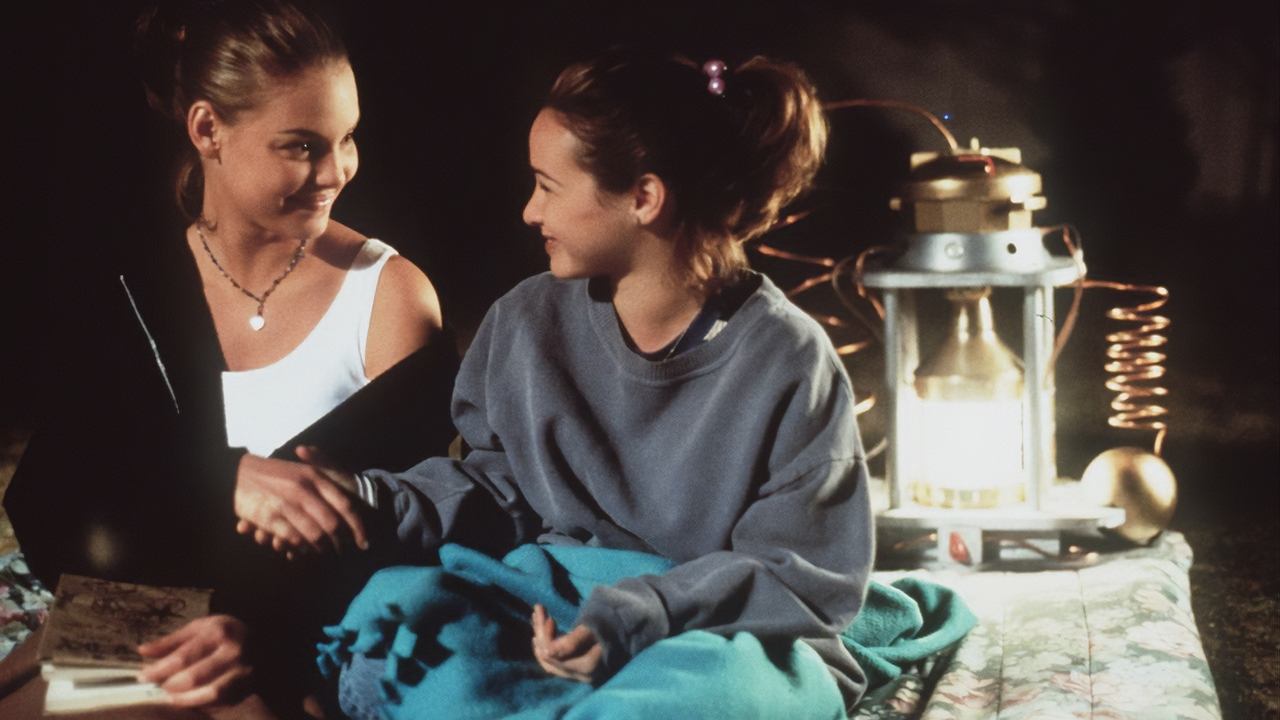
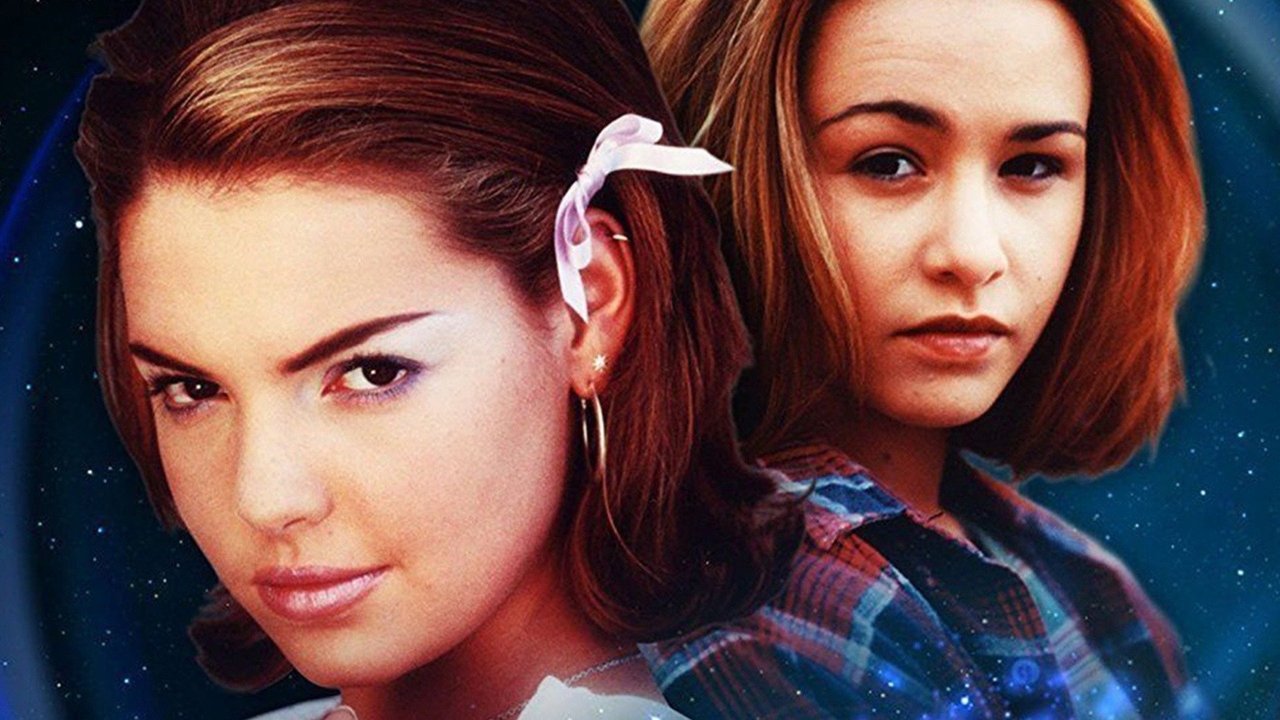
The premise is classic teen fantasy fuel: two sisters, polar opposites in every conceivable way, make a simultaneous wish on a shooting star and wake up in each other's bodies. You have Alexia Wheaton (Katherine Heigl, in one of her earliest starring roles before finding massive fame with Grey's Anatomy), the effortlessly popular, stylish older sister with the seemingly perfect life. Then there's Hayley (Danielle Harris, already familiar to genre fans as Jamie Lloyd from Halloween 4 and 5), the brainy, sarcastic younger sister navigating the treacherous waters of freshman year with a wardrobe best described as "aggressively alternative." Their mutual disdain is palpable, setting the stage perfectly for the inevitable cosmic mix-up.
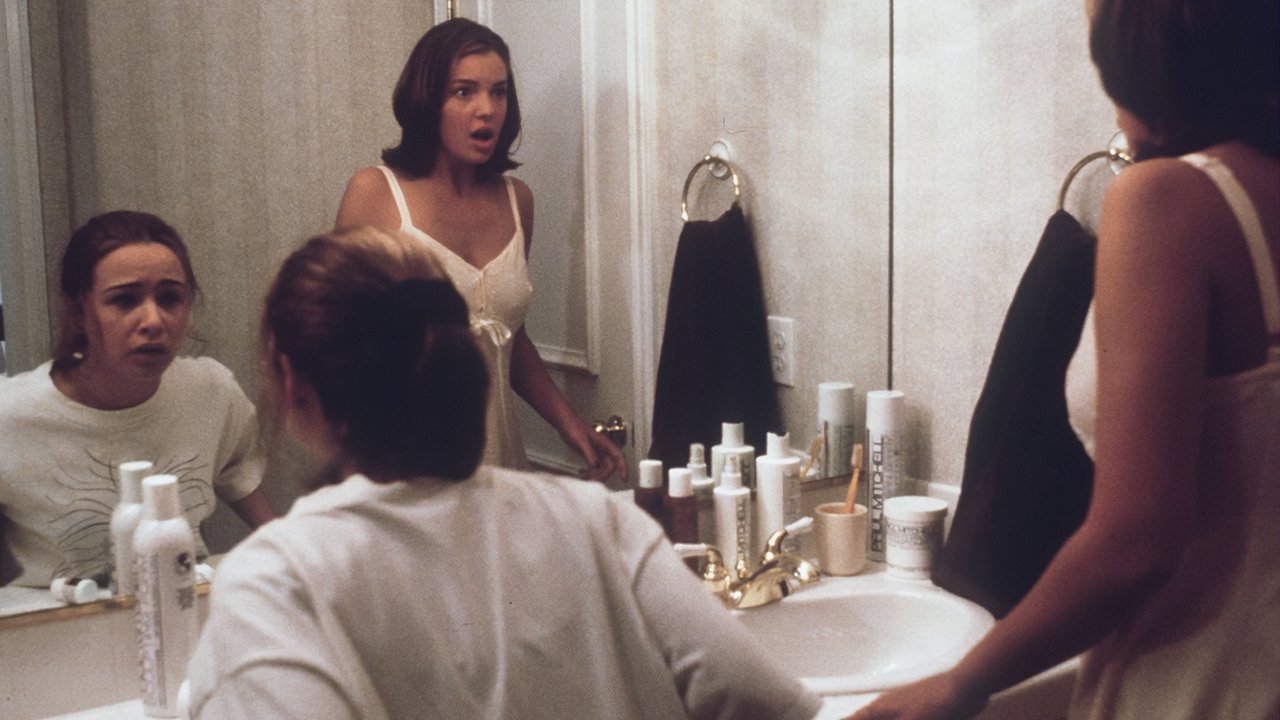
What follows is a delightful romp through the clichés and challenges of walking a mile in someone else's Doc Martens (or stylish heels). Director Blair Treu, who often worked in the family/teen sphere, keeps the pace light and breezy. The comedy comes thick and fast as Hayley-in-Alexia's-body tries to sabotage her sister's perfect reputation, while Alexia-in-Hayley's-body struggles with, well, everything that isn't being popular. Written by Jessica Barondes, the script hits all the expected beats – awkward encounters with crushes (Don Jeffcoat as Alexia's jock boyfriend Kyle), makeover montages, cafeteria confrontations, and the eventual realization that maybe, just maybe, the other sister's life isn't quite what it seems.
### Capturing That 90s High School Vibe
One of the sheer joys of rewatching Wish Upon a Star now is how perfectly it encapsulates its specific moment in time. The fashion is a glorious time capsule – think baby tees, plaid skirts, oversized sweaters, and choker necklaces. The high school social hierarchy feels ripped straight from the pages of a teen magazine of the era. There’s an earnestness to it all, a lack of cynicism that feels refreshing compared to some later, edgier teen fare. It taps into those universal high school anxieties – fitting in, finding yourself, dealing with sibling rivalry – but wraps them in a bright, hopeful package.
Heigl and Harris are the heart of the film, and they clearly relish the chance to play against type. Heigl gets to ditch the glamour and embrace her inner geek, while Harris sheds her horror-honed intensity to navigate the baffling world of popularity contests and boy troubles. Their initial impersonations are broad and funny, gradually softening as empathy (and plot necessity) kicks in. It's fascinating to see Heigl here, showing early glimmers of the comedic timing that would later define much of her career, and equally fun watching Harris prove her versatility beyond the scream queen label.
### Retro Fun Facts: More Than Meets the Eye
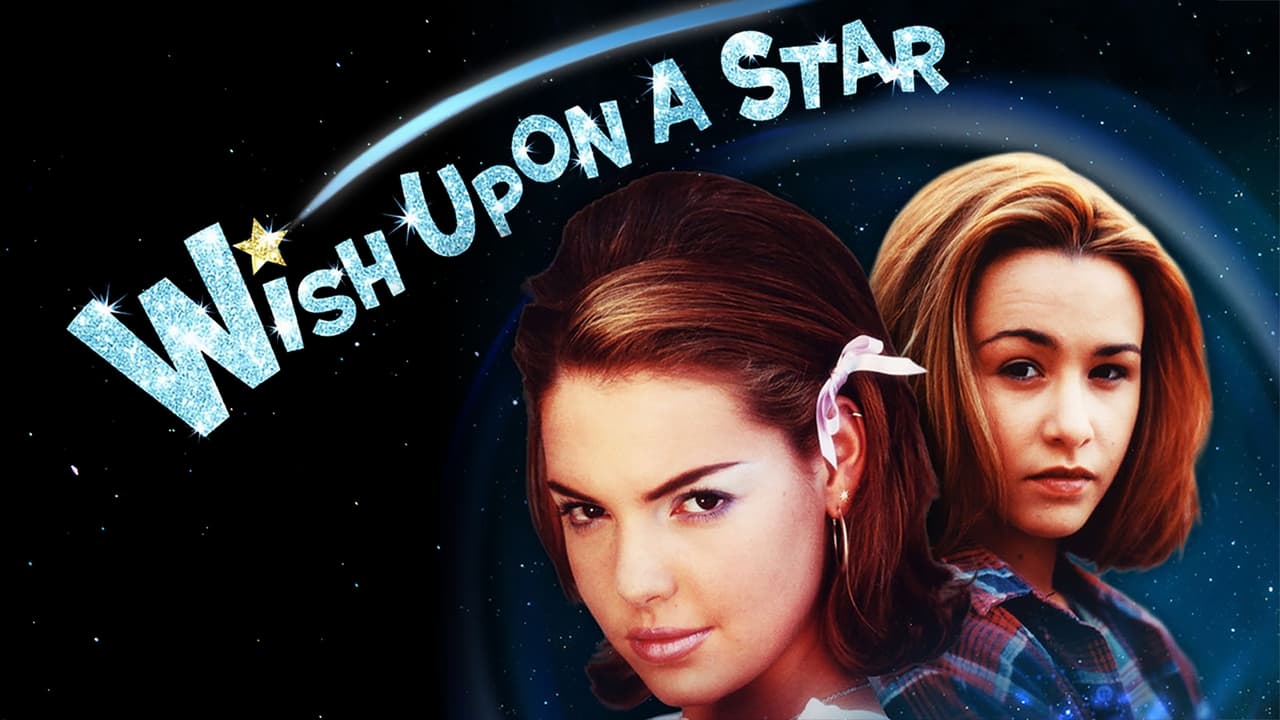
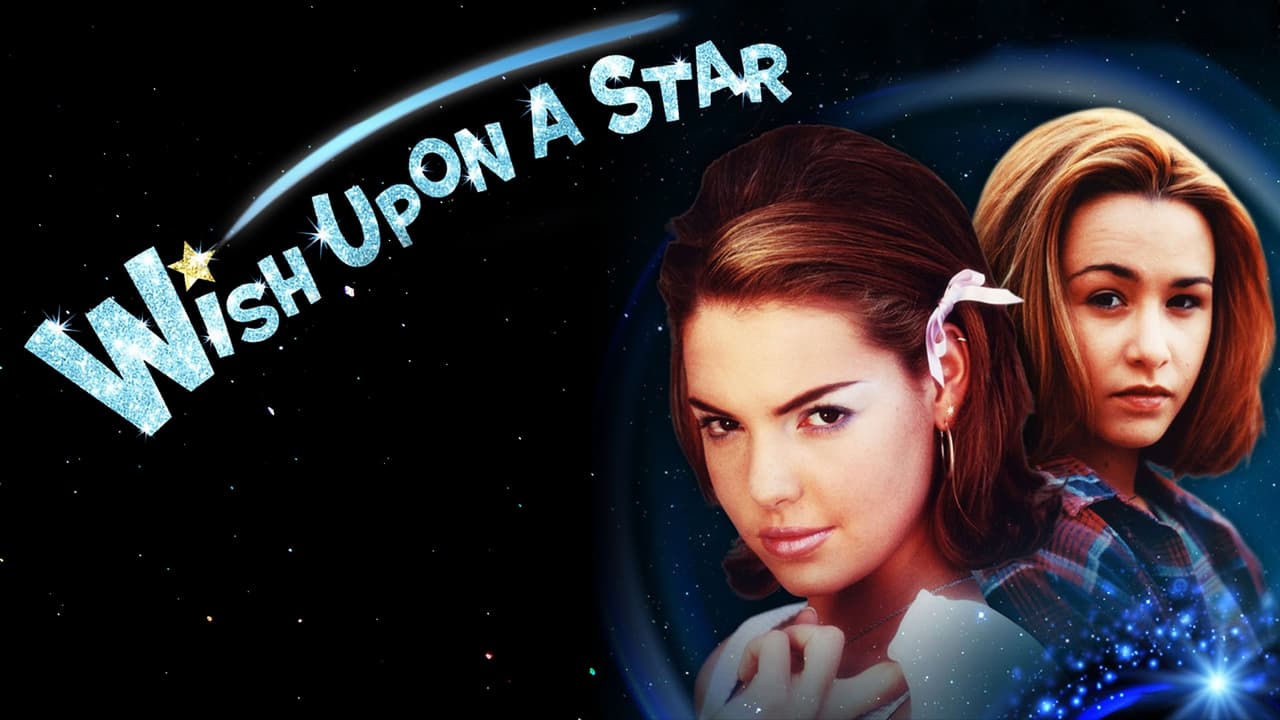
Digging into the history of Wish Upon a Star reveals some fun nuggets perfect for us VHS aficionados. While it feels exactly like a Disney Channel Original Movie (DCOM) and became a staple of their programming after premiering on the channel in October 1996, it wasn't actually produced by Disney. It was an independent production by Leucadia Film Corporation and Trans Pacific Films, later distributed on VHS by Warner Home Video. Its frequent airings on Disney cemented its place in the minds of many as part of that beloved DCOM lineup, a testament to its perfect fit with their brand.
Filmed primarily in and around Salt Lake City, Utah – a common backdrop for many family-friendly films of the period seeking scenic locations and favorable production costs – the movie carries that specific visual feel. It operates on a modest budget, relying on charm and the chemistry of its leads rather than flashy effects. And while it might not have set the box office alight (being direct-to-video/TV premiere), its persistent presence on television and video rental shelves ensured it found its audience, becoming a cherished sleepover classic for countless 90s kids. Its IMDb score sits at a respectable 6.7/10, with a solid 76% audience score on Rotten Tomatoes, reflecting that enduring fondness.
### Still Worth a Wish?
Does Wish Upon a Star hold up perfectly? Perhaps not by today's slicker standards. Some plot points are predictable, and the resolution ties up a little too neatly. But honestly, that’s part of its charm. It doesn’t aspire to be high art; it aims to be a fun, heartwarming story about understanding and sisterhood, wrapped in a fizzy 90s package. It delivers exactly what it promises: laughs, a little bit of heart, and a hefty dose of nostalgia. Watching it feels like rediscovering a favourite mixtape – maybe a little worn around the edges, but guaranteed to make you smile. It perfectly captures that specific brand of teen movie optimism that seemed so prevalent back then.
Rating: 7/10
This score reflects the film's undeniable charm, strong lead performances for the genre, and its status as a beloved nostalgic favourite. It does exactly what it sets out to do within the 90s teen comedy framework, even if it doesn't break new ground. It's comfort food cinema, perfectly preserved from the VHS era.
So, if you’re yearning for a simpler time of body swaps and butterfly clips, tracking down Wish Upon a Star is like finding a hidden gem on the bottom shelf of the video store – a sweet, funny reminder of just how magical (and occasionally awkward) being a teenager in the 90s could feel.