Okay, settle in, crack open a Tab or maybe something stronger, because we’re digging into a real head-scratcher from the shelves of yesteryear today. Remember that feeling? Scanning the comedy section, past the established titans, and landing on a cover promising goofy antics with two very familiar faces, seemingly worlds away from their usual gritty partnership? That’s the curious allure of 1997’s Gone Fishin'.
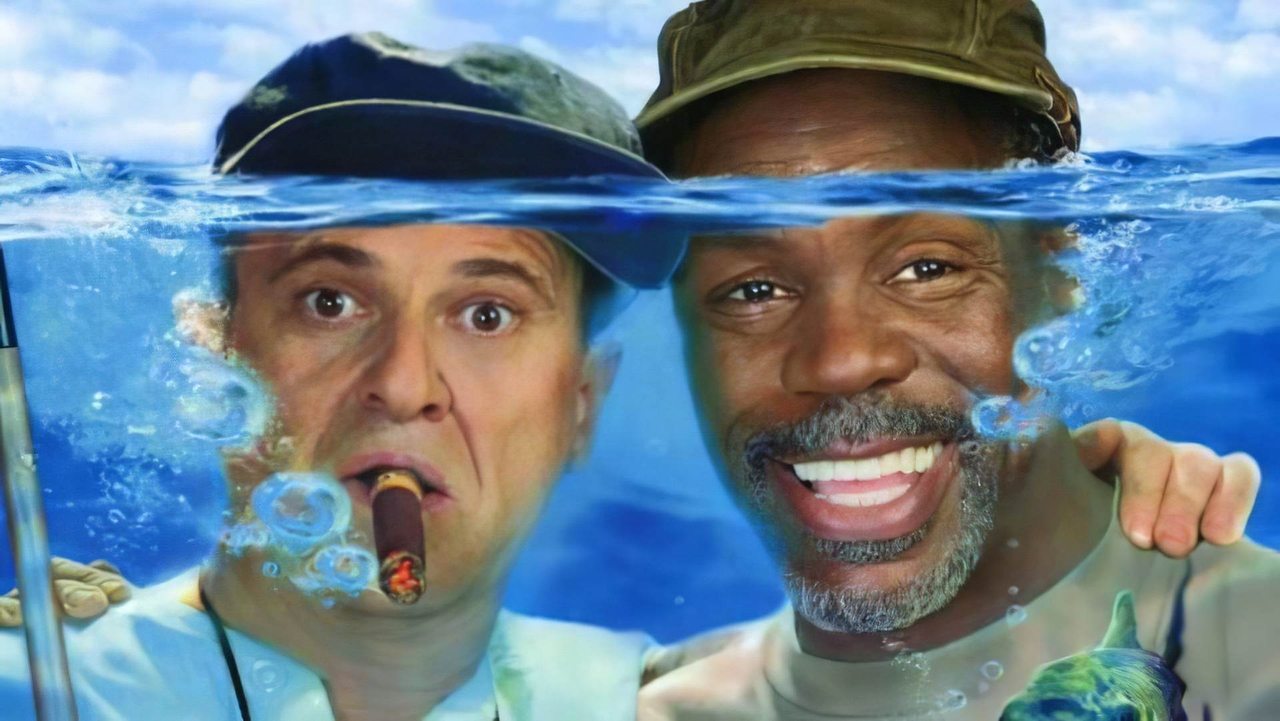
### Wait, Riggs and Murtaugh Went Fishing?
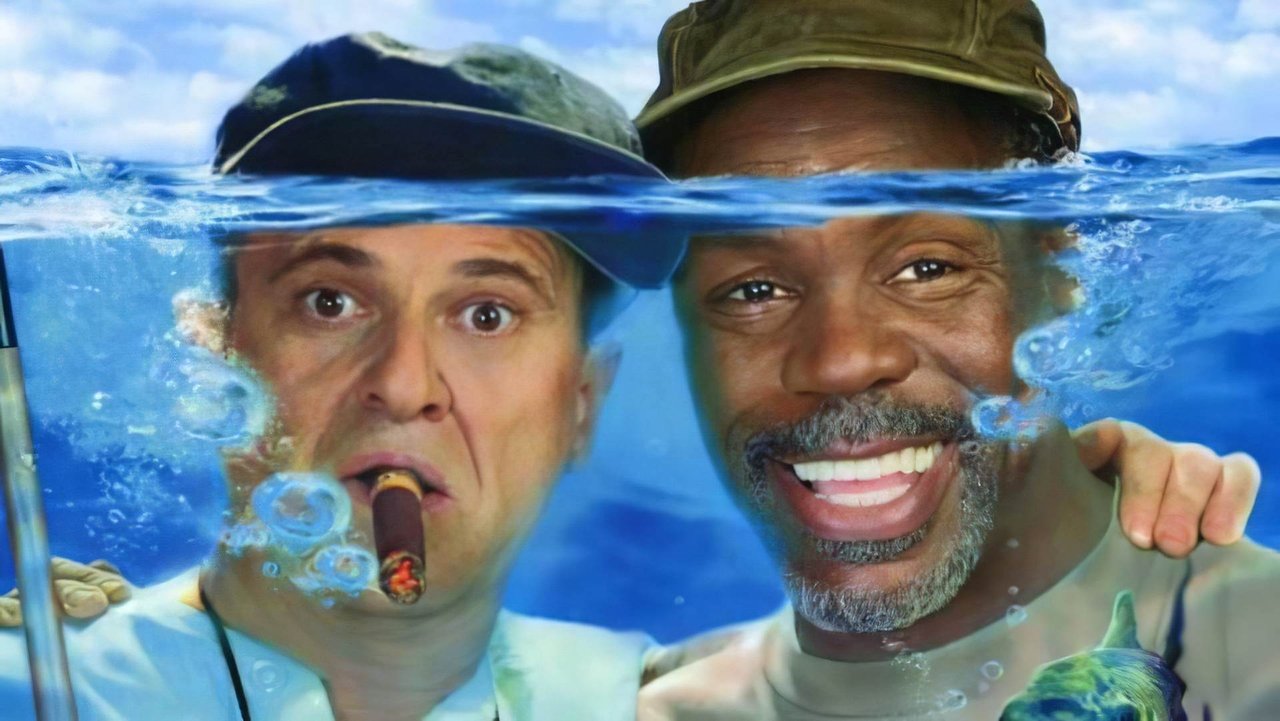
The immediate hook, of course, was seeing Joe Pesci and Danny Glover together again. We’d spent years watching them navigate explosions, shootouts, and Mel Gibson’s glorious mullet in the Lethal Weapon series. Their chemistry as the tightly wound Leo Getz and the perpetually weary Roger Murtaugh was legendary. So, the prospect of seeing just those two, unleashed in a buddy comedy road trip centered around a disastrous fishing expedition to the Florida Everglades… well, it sounded like potential gold, didn't it? You grab the tape, imagining the sparks flying, the insults traded, the inevitable chaos delivered with that familiar rhythm.
The premise is simple enough: lifelong buddies Joe Waters (Pesci) and Gus Green (Glover) finally win a contest trip to go fishing in Florida. They're simple, working-class guys from Newark, dreaming of landing "The Big One." Naturally, everything that can go wrong does go spectacularly wrong, starting almost the second they cross the state line. Their car gets stolen by a seemingly charming con man, Dekker Massey (Nick Brimble), leading them on a wild goose chase involving stolen treasure, mistaken identities, and encounters with various Florida eccentrics, including two women, Rita (Rosanna Arquette) and Angie (Lynn Whitfield), who become entangled in their misfortune.
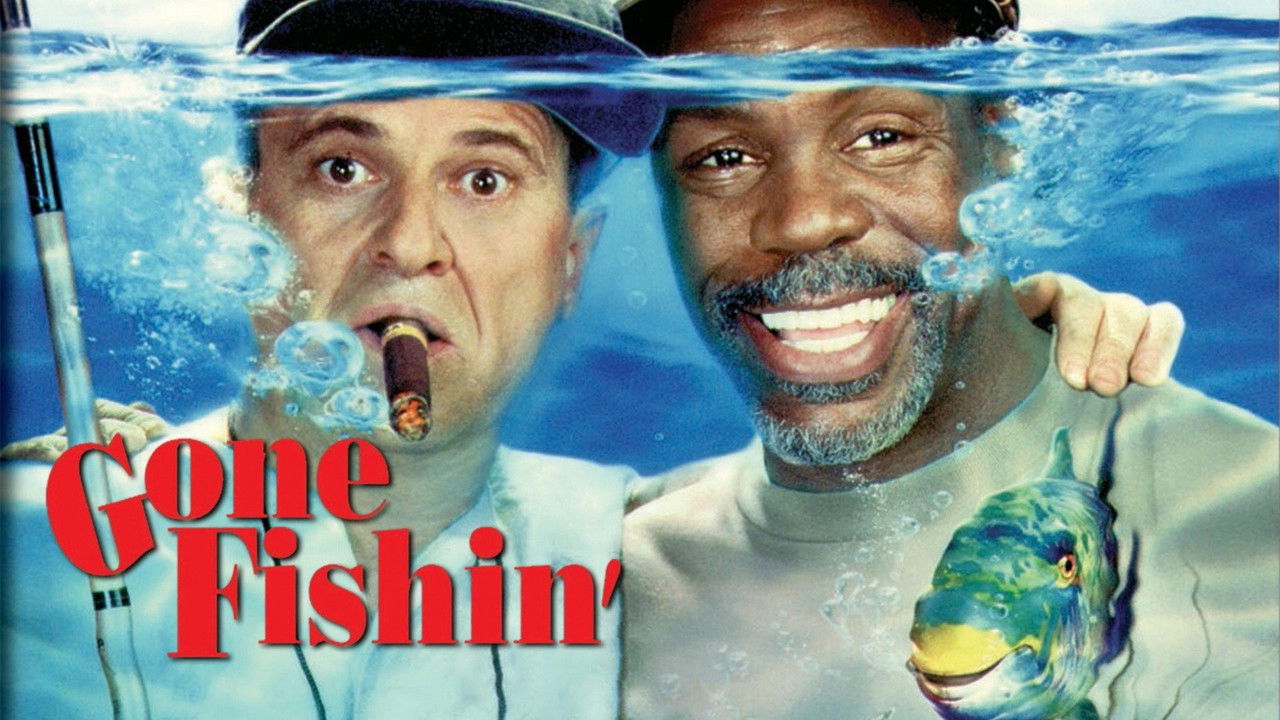
### That Sinking Feeling (and Budget)
Now, let's be honest. The energy feels different here than in their action franchise heyday. Directed by Christopher Cain, who gave us the undeniably cool Young Guns (1988), Gone Fishin' aims for broad, slapstick comedy, but often feels like it's treading water rather than reeling in laughs. The pacing can be surprisingly sluggish for a film built on escalating mishaps. You see the setups coming a mile away, and the payoffs sometimes land with more of a wet thud than a gut-busting splash.
But here’s a Retro Fun Fact that might explain some of the ambition, if not the execution: This seemingly simple comedy somehow cost a reported $53 million back in 1997! That's roughly $100 million in today's money. For a fishing trip comedy! Where did it all go? Perhaps wrangling those Florida locations, the boat stunts (which are admittedly quite destructive in that classic practical effect way – they really smashed things up!), or maybe just the star salaries commanded by Pesci and Glover at the height of their Lethal Weapon fame. Sadly, the investment didn't pay off, with the film pulling in less than $20 million domestically, making it a notorious box office bomb.
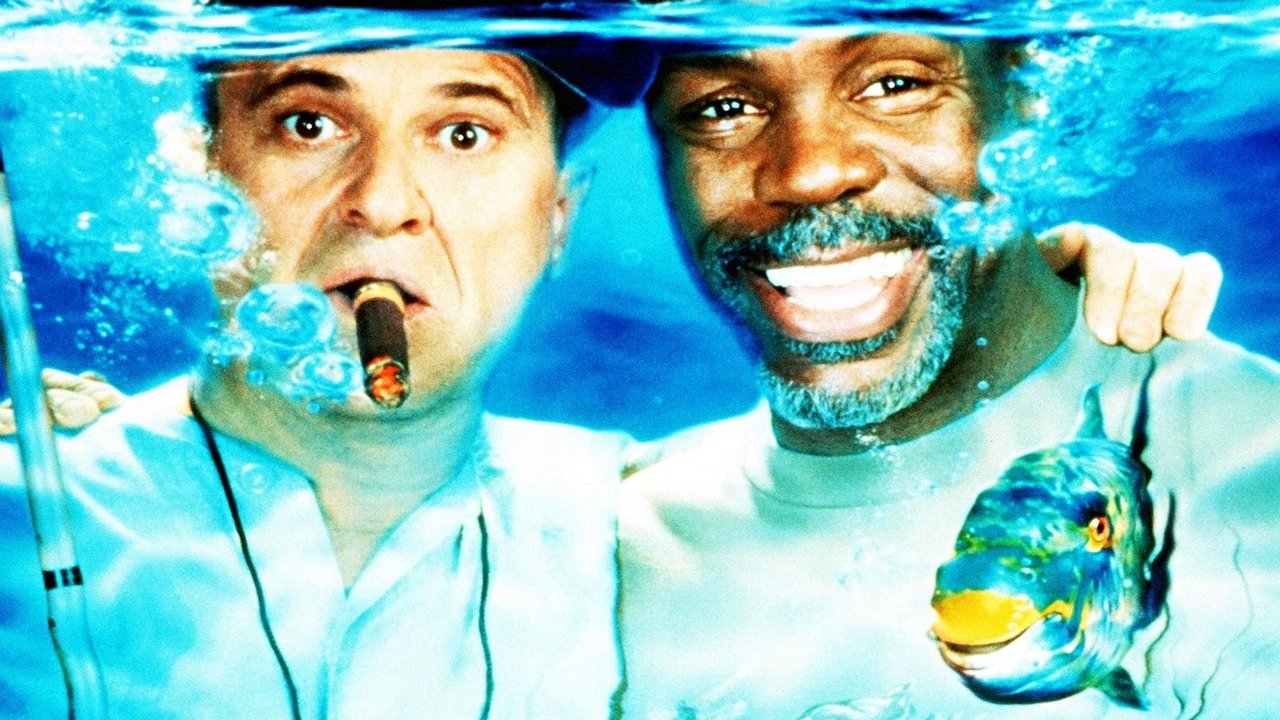
Another fascinating tidbit for your next trivia night: peek at the writing credits. Alongside Jill Mazursky (daughter of director Paul Mazursky), you'll find none other than Jeffrey Abrams. Yes, that J.J. Abrams, future mastermind of Lost, Alias, and the rebooted Star Trek and Star Wars films. It's wild to think this goofy, critically-panned comedy was an early notch on his blockbuster belt. Makes you wonder what kernel of an idea started this whole wacky journey.
### Charm Anchored by Chemistry?
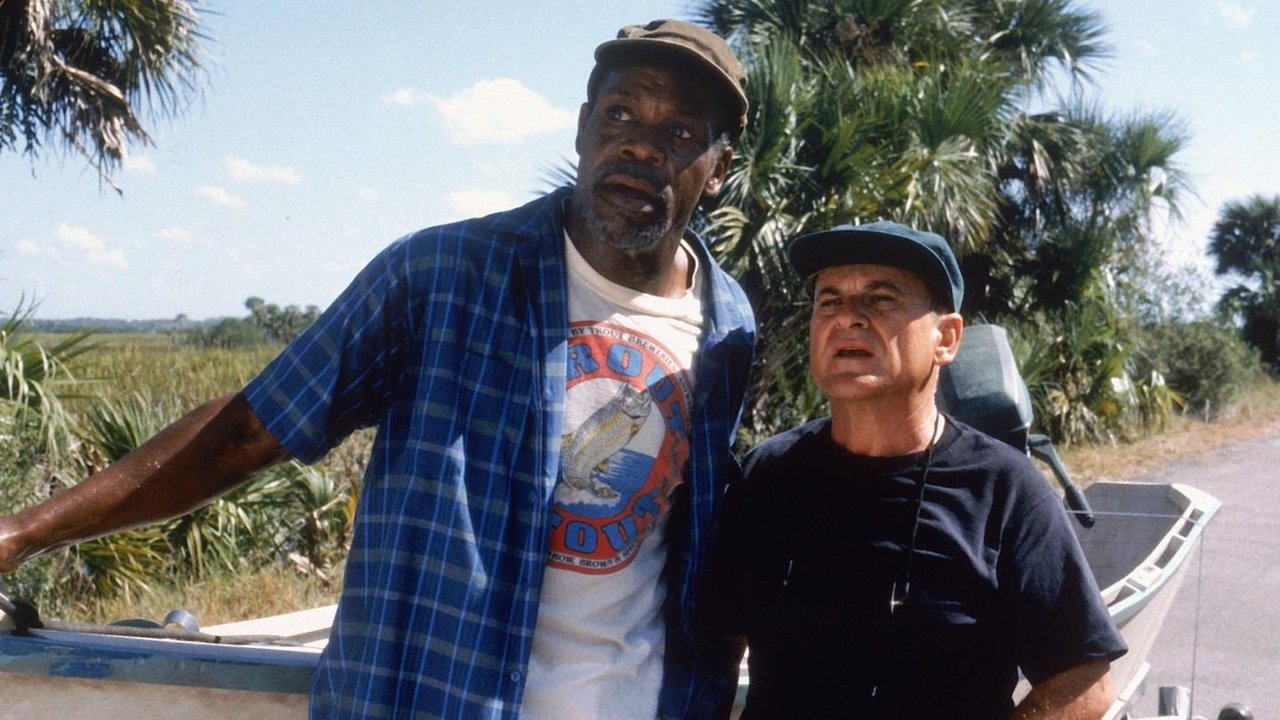
Despite the script's shortcomings and the uneven direction, the film isn’t entirely without its moments. Pesci and Glover do still have that inherent buddy chemistry. Pesci dials down the manic energy from Leo Getz but keeps the exasperated fast-talking persona, while Glover leans into Gus's gentle giant, long-suffering routine. You believe these two have been friends forever, even when the situations they’re thrown into feel contrived. Their interactions provide the film's most reliable source of warmth and occasional chuckles. Remember trying to land that big fish with your best pal? The movie taps into that simple dream, even if it gets lost in swampy plot detours.
Rosanna Arquette and Lynn Whitfield do their best with somewhat thankless roles as the women who get swept up in the chaos, adding a bit of grounding amidst the escalating absurdity. And Nick Brimble as the villain chews the scenery with appropriate, if not particularly memorable, gusto. The Florida locations offer some decent atmosphere, capturing that humid, slightly dangerous vibe of the Everglades, even if it sometimes dips into caricature.
The film certainly looks like a 90s comedy – the bright, slightly overlit cinematography, the very specific fashion choices. The physical comedy, involving boat crashes, gators, and general destruction, feels very much of its time. It relies on tangible stunts and real objects meeting unfortunate ends, a far cry from the weightless CGI mishaps we often see today. There’s a certain nostalgic appeal to seeing real things get wrecked, even if the surrounding jokes don't always connect.
### Reeling It In: The Final Verdict
Gone Fishin' occupies a strange space in the VHS memory bank. It’s a film many remember seeing on the shelf, likely rented based purely on the star power, but perhaps fewer recall with genuine fondness. It was savaged by critics upon release – Siskel and Ebert famously gave it a scathing "Two Thumbs Down" – and its box office failure cemented its reputation as a misfire.
And yet... watching it now, there's a certain harmless, goofy quality to it. It's undeniably flawed – the script meanders, many jokes fall flat, and it never fully leverages the comedic potential of its leads outside their established personas. But the core chemistry between Pesci and Glover remains watchable, and there’s an undeniable quaintness to its brand of destructive slapstick and its simple tale of two buddies just trying to catch a break (and a fish). It’s a fascinating example of a high-budget studio comedy from an era where star power could greenlight almost anything, even if the concept felt thin.
VHS Heaven Rating: 4/10
Justification: The legendary chemistry of Pesci and Glover earns a few points simply by existing, and there are fleeting moments of amusing physical comedy rooted in practical effects. However, the sluggish pacing, weak script (despite the surprising Abrams credit), largely unfunny gags, and failure to truly capitalize on its premise prevent it from being anything more than a curiosity. The massive budget vs. return speaks volumes about its overall effectiveness. It’s not offensively bad, just... blandly disappointing given the talent involved.
Final Thought: This is the cinematic equivalent of that lure you bought because it looked flashy, but it never actually caught anything substantial – a curious, expensive relic of 90s studio optimism bobbing in the wake of much bigger catches.