Alrighty then! Dim the lights, maybe crack open a can of whatever cola survived the 90s, because tonight on VHS Heaven, we’re ejecting the serious stuff and slamming in a tape that practically vibrated with manic energy right there on the rental shelf: 1995’s Ace Ventura: When Nature Calls. Forget subtlety, forget nuance; this was Jim Carrey dialed up to eleven thousand, riding the absolute peak of his rubber-faced superstardom, and dragging audiences along for a ride so absurd it bordered on genius… or madness. Probably both.
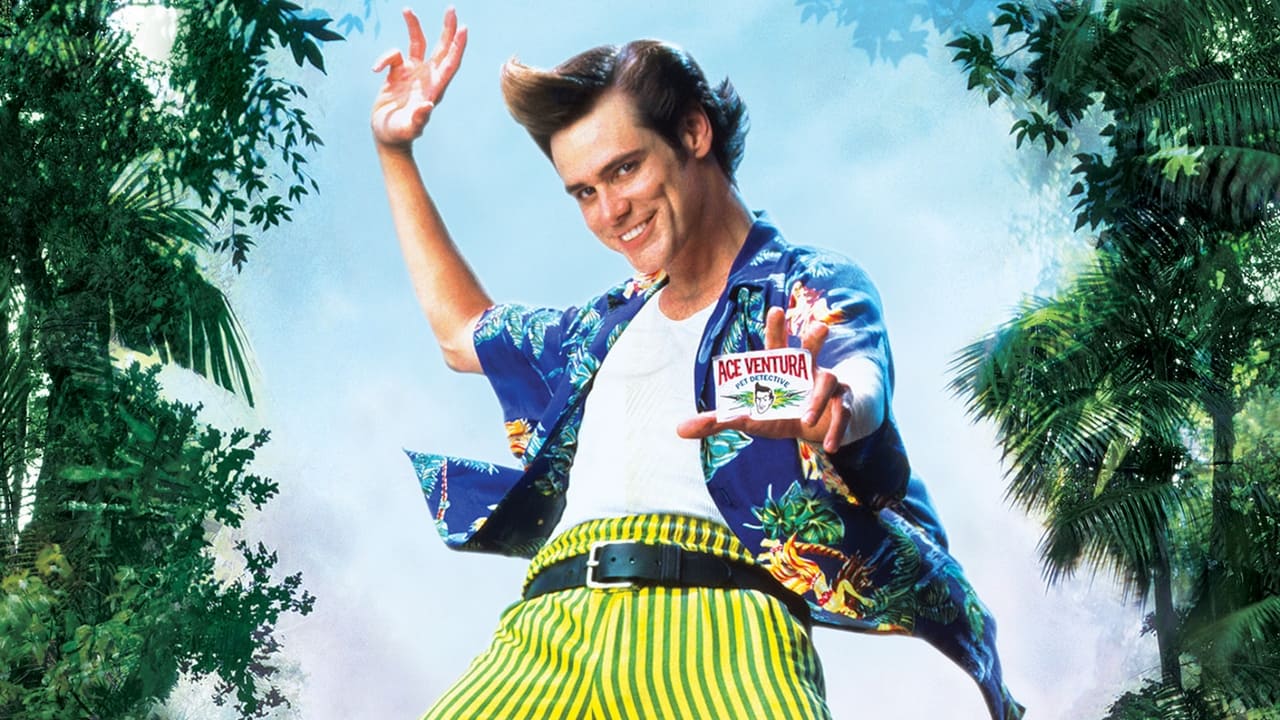
Remember the feeling? The first Ace Ventura: Pet Detective (1994) hit like a comedic atom bomb, completely unexpected. Suddenly, Carrey was the guy. So, when this sequel landed just a year later, the anticipation was huge. I distinctly recall the battered rental box for When Nature Calls being perpetually out of stock for weeks at my local 'Video Barn'. It felt less like a movie release and more like a cultural event, fueled entirely by one man's willingness to contort his body and voice in ways previously unknown to science.
### Spank You Very Much: The Return
The setup is pure Ace: after a disastrous Himalayan rescue attempt involving a raccoon and questionable climbing gear (a sequence reportedly added after initial test screenings felt the film took too long to get Ace back in action), our hero is coaxed out of monastic retirement by the perpetually flustered Fulton Greenwall (Ian McNeice, perfectly cast as the bewildered British attaché). The mission? Travel to the fictional African nation of Nibia to find Shikaka, the sacred Great White Bat, whose disappearance threatens war between the Wachati and Wachootoo tribes. It’s paper-thin, naturally, designed solely as a playground for Carrey’s lunacy.
And what a playground! Director and writer Steve Oedekerk, a longtime collaborator and friend of Carrey (they met on In Living Color), wisely understood his job: point the camera at Jim and let him cook. Oedekerk, who would later give us the cult oddity Kung Pow: Enter the Fist (2002), crafts a film that feels less structured than the first, more like a series of increasingly unhinged comedic set pieces strung together. And honestly? In 1995, that's exactly what we wanted.
### Physical Comedy as Extreme Sport
Let's talk about the real special effects here: Jim Carrey's body. In an era before CGI could smooth over every comedic stunt, Carrey was the practical effect. The sheer physical commitment is staggering. Think about that scene where he's peppered with tranquilizer darts – the twitching, the gurning, the eventual slow-motion collapse. Or the extended sequence escaping the Wachootoo tribe, culminating in that spear-in-the-leg gag. It wasn’t just mugging; it was highly choreographed, often physically demanding buffoonery. Remember how hilariously painful those fake spear hits looked?
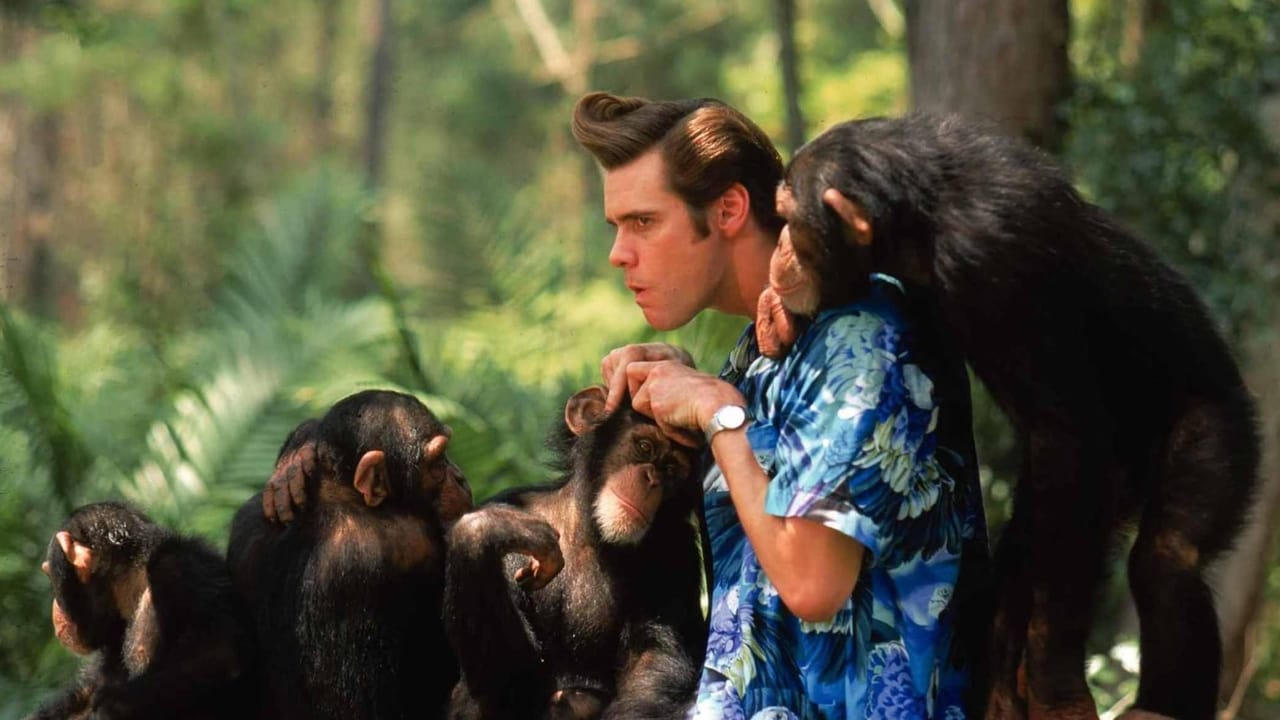
And then there's the rhino scene. Oh, the rhino scene. Emerging, naked and gasping, from the posterior of a painfully obvious animatronic rhino – it’s a moment so audacious, so beyond the pale, it became instantly iconic. Word is, the rhino puppet was a complex piece of machinery, and filming inside it wasn't exactly pleasant for Carrey. But the result? Pure, unadulterated, "did they really just do that?" 90s comedy gold. It’s the kind of gag you just wouldn’t see attempted with the same practical, gross-out commitment today. The sheer tactile reality of that puppet made it funnier, somehow.
### A Few Retro Fun Facts Pop In
- Carrey's payday for this sequel reportedly jumped to a staggering $15 million, cementing his status as one of Hollywood's biggest draws after the trifecta of Ace Ventura, The Mask, and Dumb and Dumber all hit within about a year. That’s about $30 million in today’s money – just for acting like a complete goofball in Africa!
- While set in Africa, much of the film was actually shot on location in South Carolina and Texas, utilizing plantations and nature preserves to stand in for the fictional Nibia. Movie magic, folks!
- The villain, played with delightful colonial smarm by Simon Callow (known for more classically oriented roles, like in Four Weddings and a Funeral), provides a necessary straight man… well, straighter man… for Ace to bounce off. His exasperation is practically a character in itself.
### Dated? Maybe. Hilarious? Absolutely.
Look, let's be honest. Watching When Nature Calls today, some of the humor feels distinctly mid-90s. Cultural depictions are broad, bordering on cartoonish, and some gags probably wouldn't fly now. But the film's core appeal – Carrey's relentless, infectious energy – remains potent. It’s a snapshot of a time when a major studio (Warner Bros.) would throw $30 million (a decent budget then) at a movie built almost entirely around one performer's willingness to act like a human Slinky dipped in espresso.
Critically, it was largely dismissed, much like the first film. But audiences didn't care. When Nature Calls was a box office juggernaut, pulling in over $212 million worldwide. It proved Carrey wasn't a fluke; he was a phenomenon. People lined up for this specific brand of chaos.
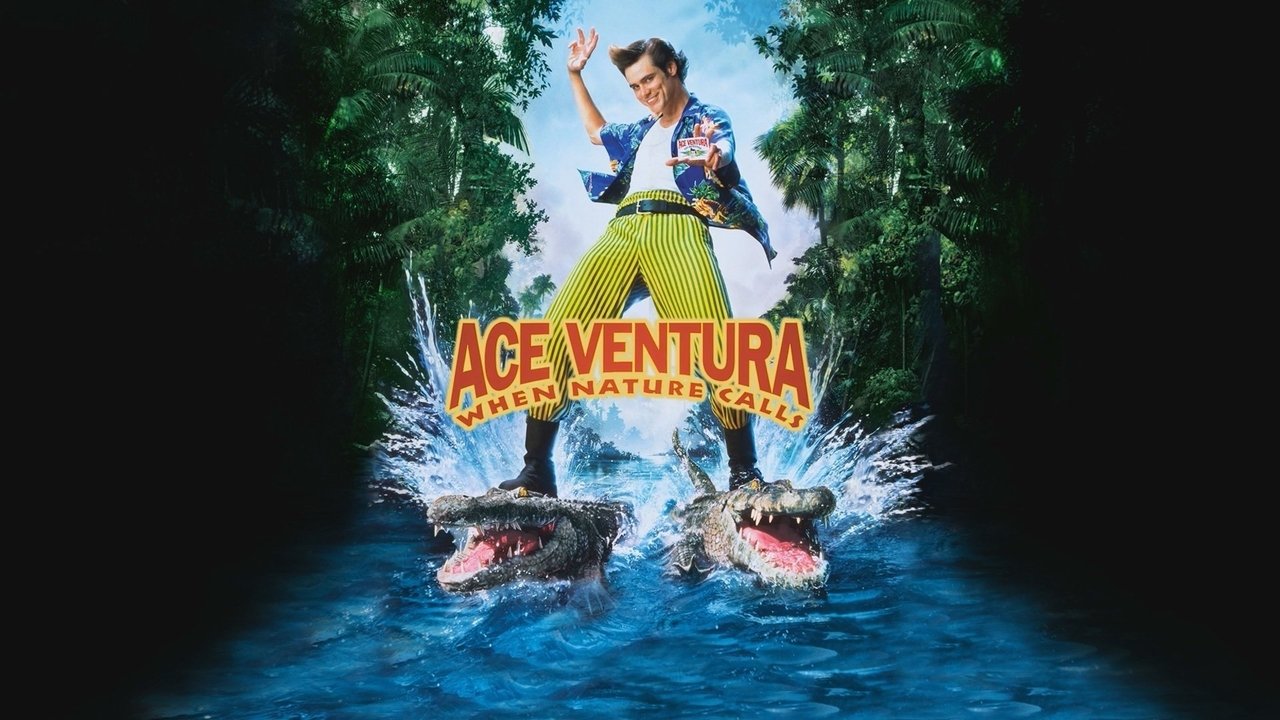
VHS Heaven Rating: 8/10
The rating reflects its status as a peak-Carrey vehicle and a quintessential piece of 90s blockbuster comedy. It delivers exactly what it promises: wall-to-wall absurdity, unforgettable set pieces (rhino!), and Jim Carrey operating at maximum velocity. It loses a couple of points for a non-existent plot and humor that occasionally feels like a relic, but the sheer comedic force is undeniable and earns its high score based on the laughs and nostalgic power it still commands.
Final Thought: Ace Ventura: When Nature Calls is pure, uncut 90s id, mainlined directly into your VCR. It's loud, obnoxious, undeniably dated in spots, but possesses a manic energy and commitment to physical comedy that’s still ridiculously watchable, especially if you remember renting it with giddy anticipation. Alrighty then!