### Beneath the Soot and Fury: Revisiting Koyla (1997)
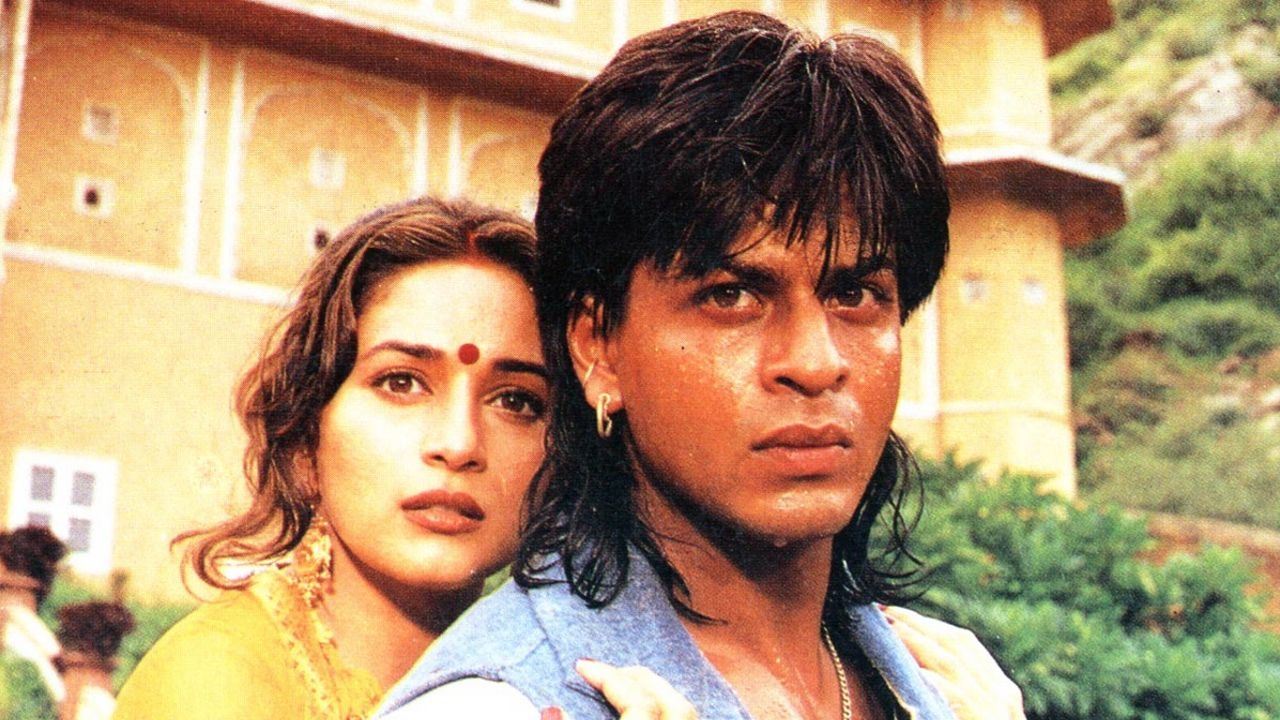
There’s a certain kind of visceral intensity unique to 90s Bollywood action cinema, a raw, almost primal energy that often overshadowed narrative subtleties. Rakesh Roshan’s Koyla (Coal) from 1997 is a prime example – a film coated in the metaphorical (and sometimes literal) soot of oppression, driven by a silent rage that eventually explodes onto the screen. Watching it again, decades removed from its initial VHS release, it feels like unearthing a time capsule filled not just with melodrama and explosive action, but with potent performances simmering under the surface. I remember the distinct red-and-black cover art of the Koyla tape being a frequent sight at my local rental spot, promising a dark, thrilling ride.
A World Forged in Cruelty
The film plunges us into the bleak world of a remote coal mine lorded over by the utterly despotic Raja Saab, played with terrifying relish by the legendary Amrish Puri. Puri, already an icon of villainy thanks to roles like Mogambo in Mr. India (1987), finds a different shade of evil here – less cartoonish, more grounded in petty tyranny and chilling possessiveness. His dominion is absolute, his cruelty casual. Serving him is Shankar, a mute, fiercely loyal slave played by Shah Rukh Khan. It’s a role that leans heavily on Khan’s physicality and expressive eyes, particularly in the film’s first half where dialogue isn't an option for him.
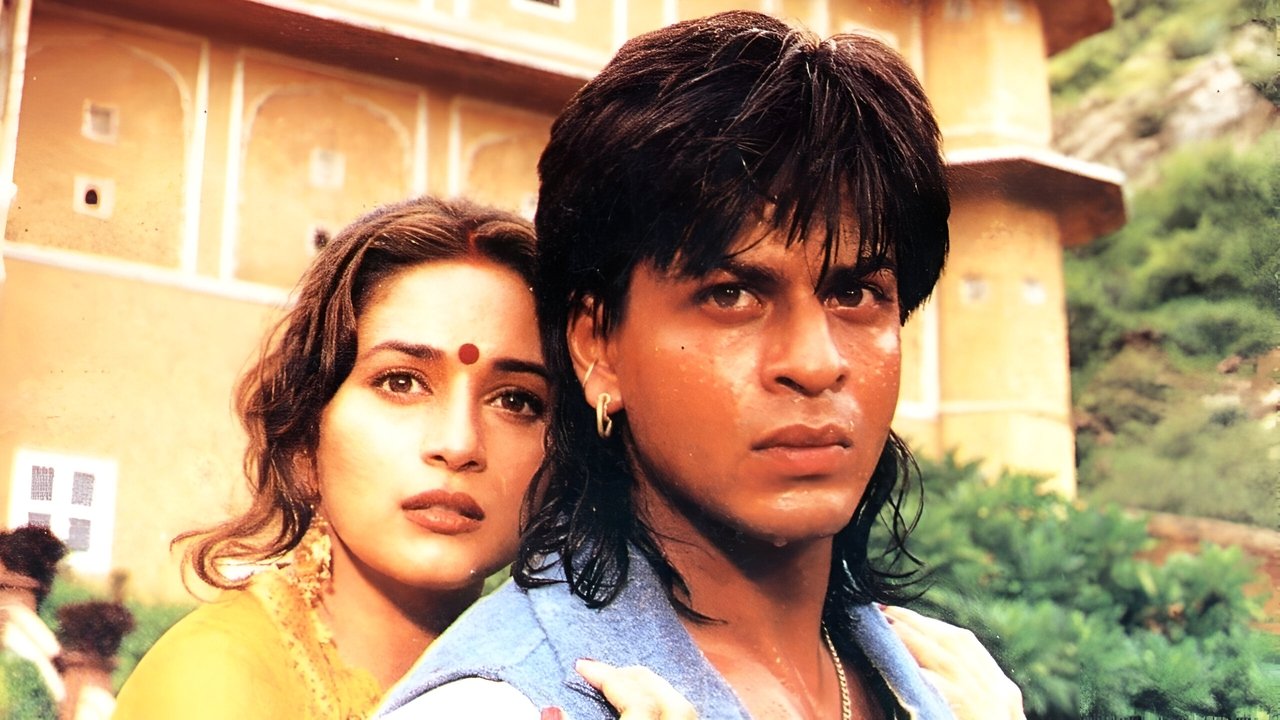
The plot ignites when the aging, lecherous Raja Saab desires the innocent village beauty Gauri (Madhuri Dixit). Knowing his appearance would repulse her, he sends a photograph of Shankar instead. Gauri, captivated by the image of the sensitive-looking young man, agrees to the marriage. The reveal of the deception is brutal, setting the stage for Shankar's eventual rebellion and Gauri's desperate fight for survival. It’s a classic, almost operatic setup – beauty trapped by the beast, with a seemingly powerless protector caught in the middle.
The Fire Within: Performances Under Pressure
What truly elevates Koyla beyond a standard revenge plot are the central performances. Amrish Puri is magnificent, radiating menace from beneath his improbable wigs and garish costumes. His Raja Saab isn't just evil; he's pathetic in his entitlement, making his cruelty feel disturbingly real despite the larger-than-life portrayal. Madhuri Dixit, then at the peak of her stardom, brings vulnerability and spirit to Gauri. She’s not merely a damsel in distress; there’s a fire in her defiance, even when trapped in horrific circumstances. Her dance sequences, particularly in beloved songs like "Ghunghte Mein Chanda," feel like fleeting moments of escape, showcasing her grace amidst the grim narrative.
But it's Shah Rukh Khan's performance that remains fascinating. Tasked with conveying a storm of emotions – loyalty, love, betrayal, burning rage – without speech for a significant chunk of the film, he relies on sheer physical commitment. The intensity he brings to the action sequences is palpable. This wasn't CGI gloss; it was raw, often dangerous stunt work characteristic of the era. It’s well-documented that SRK performed many of his own stunts, and during the filming of Koyla's fiery climax, his hair reportedly caught fire – a stark reminder of the risks involved in creating these visceral spectacles back then. Seeing him transition from silent subservience to roaring vengeance, literally finding his voice in a moment of extreme duress, provides the film's emotional core. This was the second collaboration between director Rakesh Roshan and SRK after the massive success of Karan Arjun (1995), and you can see Roshan pushing his star into a physically demanding, darker territory.
Masala Storytelling and Mountain Vistas
Rakesh Roshan directs with a sure hand, expertly blending the core ingredients of the 'masala' genre: high drama, thrilling action, soulful romance (often underscored by Rajesh Roshan's hit music, like the hauntingly picturised "Tanhai Tanhai"), and moments of startling violence. The film doesn't shy away from the brutality of Raja Saab's world, which might have felt jarring even back in '97. Reportedly budgeted around ₹11 crore and grossing nearly ₹28 crore worldwide, Koyla clearly struck a chord with audiences, delivering the kind of intense, emotional rollercoaster they craved, even if critical reception at the time was somewhat mixed.
The film also benefits immensely from its stunning, rarely-seen locations in Arunachal Pradesh. The misty mountains and verdant landscapes provide a stark, beautiful contrast to the grimness of the storyline and the industrial ugliness of the coal mines. It gives the film a visual scale that elevates the drama, making the fight for freedom feel even more epic.
Echoes of the VHS Era
Does Koyla hold up perfectly today? Perhaps not. The melodrama can feel excessive, the plot mechanics occasionally creak, and some tonal shifts are abrupt – hallmarks, perhaps, of its time. Yet, there's an undeniable power to it. It's a reminder of a time when Bollywood heroes were forged in fire and fury, when villains were truly hissable figures of pure evil, and when the spectacle felt tactile and dangerous. Watching it on a modern screen lacks the specific fuzzy charm of the worn-out VHS tape, but the core emotions – the yearning for justice, the fight against oppression, the transformative power of finding one's voice – still resonate. It taps into that specific 90s blend of heightened reality and raw feeling that defined so much of popular Indian cinema then.
It makes you wonder, doesn't it? What is it about these films, with their operatic emotions and sometimes logic-defying action, that still holds a place in our memories? Is it just nostalgia, or is there something fundamentally compelling in their straightforward portrayal of good versus evil?
Rating: 7/10
Koyla earns its 7/10 as a potent example of 90s Bollywood maximalism. While hampered slightly by genre conventions and moments of over-the-top melodrama, it's anchored by terrific performances, particularly Amrish Puri's iconic villainy and Shah Rukh Khan's physically committed turn. The stunning locations, memorable music, and genuinely thrilling action sequences (stunts and all) create a visceral experience that overcomes its flaws. It’s a film that burns brightly, if unevenly, capturing the raw energy of its era.
It remains a compelling watch, a dark fairy tale coated in coal dust, reminding us of a time when mainstream cinema wasn't afraid to embrace pure, unadulterated intensity.