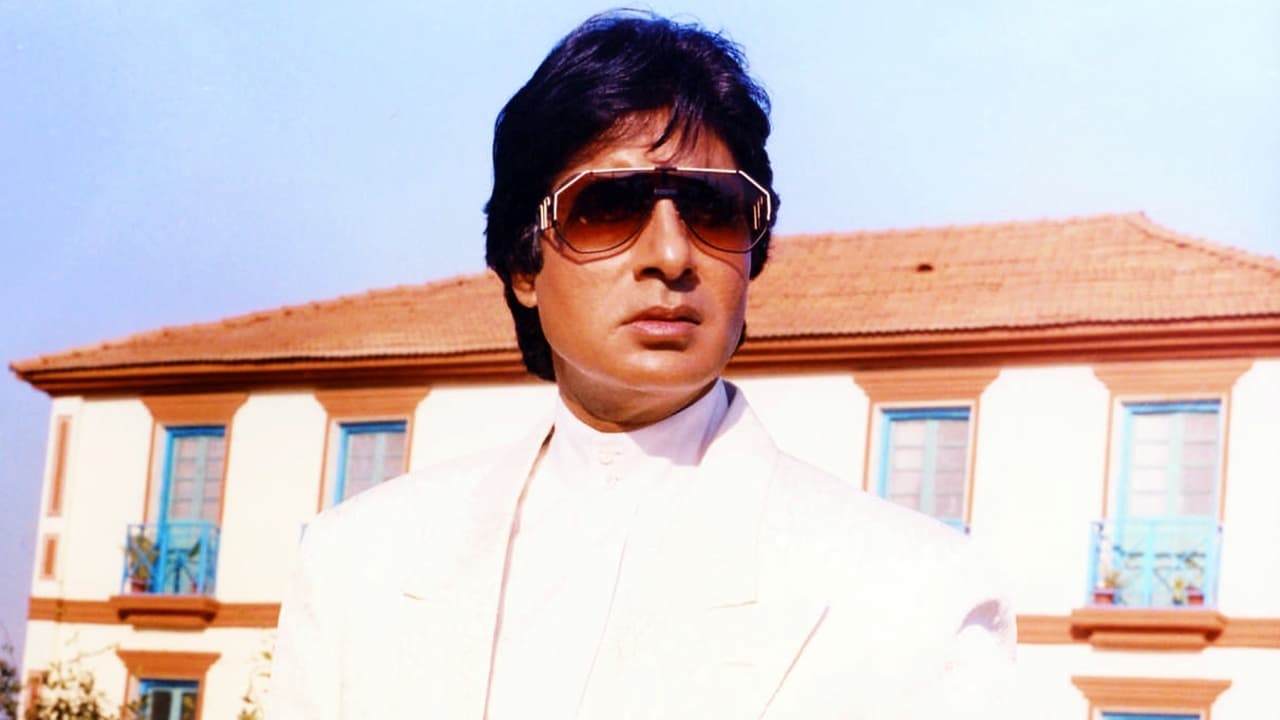
"Vijay Deenanath Chauhan. Poora naam." The name itself lands like a blow, heavy with portent and the weight of a past soaked in betrayal and fire. Watching Mukul S. Anand's Agneepath (1990) again, decades after first sliding that well-worn VHS tape into the VCR, isn't just revisiting a film; it's plunging back into a specific kind of cinematic darkness, a sprawling, operatic tragedy painted across the rain-slicked canvas of Bombay's underworld. This wasn't just another crime drama; it felt different, heavier, etched with a unique kind of weary fury.
Path of Fire
At its heart, Agneepath is a classic revenge saga, biblical in its scope and intensity. A young boy witnesses his principled schoolmaster father (Master Deenanath Chauhan, played with quiet dignity by Alok Nath) being framed and lynched by the villagers, instigated by the ruthless Kancha Cheena (Danny Denzongpa). The boy, Vijay, internalizes this horror, the flames that consume his father's reputation searing a vow of vengeance onto his soul. He carries this fire within him as he descends into the very criminal world that destroyed his family, aiming to dismantle it from the inside and ultimately confront the man responsible. The premise is familiar, perhaps, echoing tales of gangsters climbing the ranks, but the execution here, under Mukul S. Anand's ambitious direction, aims for something grander, almost mythic.
The Voice of Vengeance
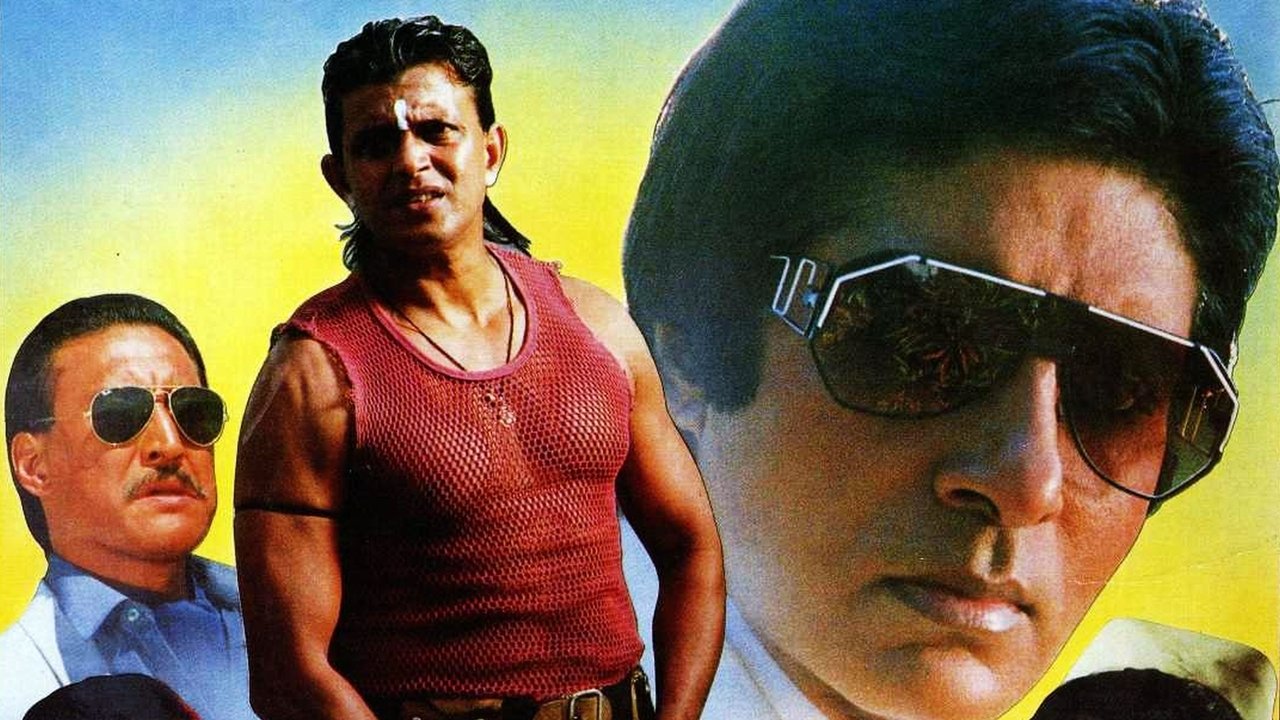
You simply cannot discuss Agneepath without confronting the elephant in the room – or rather, the gravel in the throat. Amitabh Bachchan's portrayal of the adult Vijay Deenanath Chauhan is legendary, not least for his controversial vocal performance. Adopting a deep, guttural, almost strained voice, Bachchan aimed to convey the lifetime of simmering rage, pain, and world-weariness etched into Vijay's character. Legend has it that Bachchan was battling illness during filming, while others claim it was a deliberate, Method-inspired choice to differentiate this older, broken avenger from his iconic 'Angry Young Man' persona of the 70s. The initial reaction was famously mixed; audiences accustomed to Bachchan's rich baritone were taken aback, and distributors even pressured for a re-dub (which happened in some initial prints before the original voice was restored due to fan demand).
Did it work? Watching it now, detached from the initial shock, it feels inseparable from the character. It's the sound of a man hollowed out by his singular obsession, every word dredged up from a place of profound exhaustion and banked fury. It earned Amitabh Bachchan a National Film Award for Best Actor, and while divisive, it remains one of his most audacious and unforgettable performances. He carries the film's immense weight, his towering presence dominating the screen even in moments of silence, his eyes reflecting that internal 'path of fire'.
Sparks of Light in the Darkness
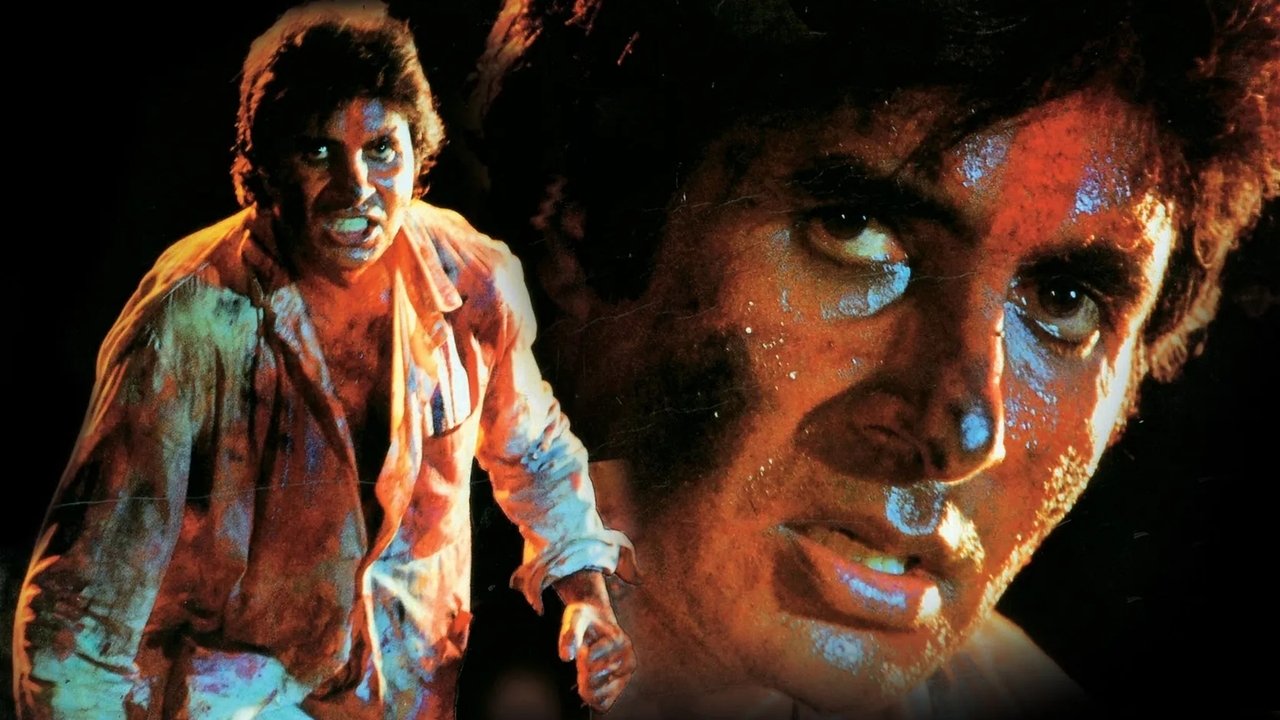

While Bachchan's Vijay is the dark sun around which the film orbits, the supporting cast shines brightly. Mithun Chakraborty delivers a scene-stealing, effervescent performance as Krishnan Iyer M.A., the Nariyal Paani waala (coconut water vendor) from the South who becomes Vijay's loyal friend and protector. Chakraborty, himself a huge star, brings a necessary warmth and loyalty to the grim proceedings, his character acting as a foil to Vijay's brooding intensity. Their camaraderie provides some of the film's few moments of genuine lightness, making the inevitable danger feel even more potent. Remember his signature dialogues and mannerisms? They became almost as iconic as Vijay's.
On the other side stands Danny Denzongpa as Kancha Cheena. Suave, ruthless, and chillingly pragmatic, Denzongpa crafts a villain who is more than just a caricature. He's stylish, intelligent, and utterly devoid of empathy – a perfect antagonist for Vijay's righteous fury. The final confrontation between them remains a standout sequence in 90s Indian action cinema. Madhavi as Mary Matthew, the nurse who offers Vijay a fleeting chance at redemption and love, also provides a crucial emotional anchor, though her role feels somewhat constrained by the overwhelming focus on the male protagonist's journey.
Crafting the Inferno
Director Mukul S. Anand, known for his visually stylish filmmaking in hits like Hum (1991) and Khuda Gawah (1992), brought a distinct visual flair to Agneepath. The film often feels drenched, either in literal rain or metaphorical despair. The production design captures the grime and grandeur of the Bombay underworld, contrasting opulent gangster dens with the squalor of the streets. The dialogues, penned by the legendary Kader Khan, are pure fire – memorable, impactful, and often quoted even today. They possess a poetic weight, particularly the lines borrowed from the poem "Agneepath" written by Harivansh Rai Bachchan, Amitabh's father, which gives the film its title and thematic core: "The path of fire... walk on it, walk on it, walk on it."
Interestingly, despite its eventual cult status, Agneepath was not a major box office success upon its initial 1990 release. Perhaps its bleakness, Bachchan's experimental voice, and its considerable runtime (often requiring two VHS tapes back in the day!) were too much for mainstream audiences at the time. Yet, its power endured. It became a staple of video libraries, its reputation growing over the years, solidifying its place as a seminal work in the Indian gangster genre. Comparisons to Brian De Palma's Scarface (1983) are often made, given the rise-and-fall narrative, but Agneepath possesses a uniquely Indian sensibility, rooted in themes of dharma, karma, and familial duty.
The Lingering Embers
Agneepath is a demanding watch. It's long, intense, and often brutal. Yet, it's also deeply compelling, driven by a towering central performance and a palpable sense of impending doom. It captures that specific 90s blend of heightened melodrama, explosive action, and operatic storytelling. Does it hold up? Absolutely. The themes resonate, the core performances remain powerful, and Amitabh Bachchan's Vijay Deenanath Chauhan endures as one of Indian cinema's most tragic and iconic anti-heroes. It's a film that leaves you drained but profoundly affected, the echo of that name – "Vijay Deenanath Chauhan" – lingering long after the credits roll. Its influence is undeniable, paving the way for grittier crime dramas and cementing its legacy, further evidenced by the successful 2012 remake starring Hrithik Roshan.
Rating: 8/10
This score reflects the film's undeniable impact, Amitabh Bachchan's monumental and brave performance, Kader Khan's iconic dialogues, and its status as a defining cult classic of the era. While the pacing sometimes drags under its own weight and some elements feel dated, its raw power and atmospheric intensity remain undiminished. It’s a cornerstone of 90s Indian cinema that truly embodied the ‘path of fire’.