It wasn’t just the gravity-defying tricks or the sun-bleached Southern California backdrop that made Gleaming the Cube feel different when you slid that chunky VHS into the VCR. There was an unexpected edge lurking beneath the Powell Peralta logos and neon skate decks. It was this curious blend – part teen angst drama, part surprisingly dark conspiracy thriller, all filtered through the vibrant lens of late-80s skateboarding culture – that carved out a unique little niche in the hallowed halls of the video store.
### Skate or Die Trying
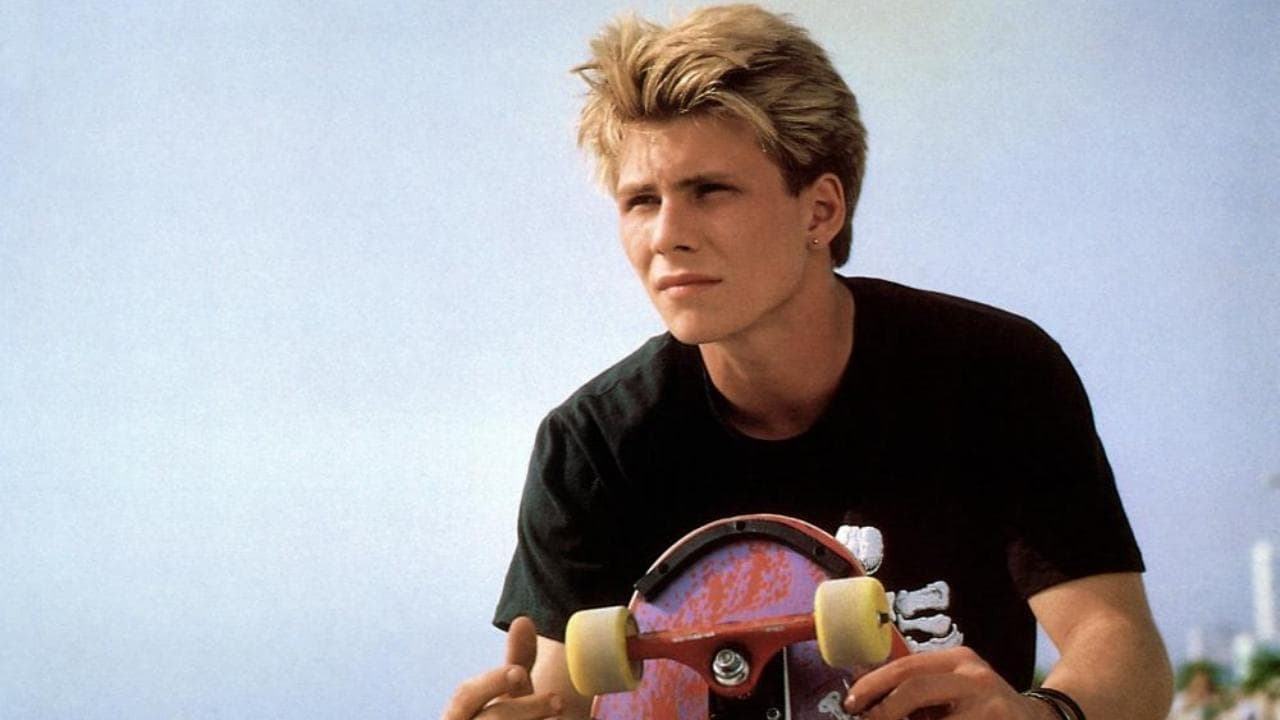
At its heart, Gleaming the Cube (1989) is the story of Brian Kelly, played by a young, effortlessly cool Christian Slater riding high on his Heathers (1988) buzz. Brian is a quintessential skate punk – rebellious, anti-authority, living for the freedom found on four urethane wheels. His world is turned upside down when his adopted Vietnamese brother, Vinh (Art Chudabala), supposedly commits suicide. Brian, however, smells a rat, suspecting foul play connected to Vinh's recent discoveries at the Vietnamese refugee relief organization where he worked. What follows is Brian using his considerable skateboarding skills not just for kickflips and grinds, but for espionage, rooftop chases, and generally disrupting a surprisingly sinister plot involving smuggled weapons.
Slater absolutely anchors the film. Even sporting some truly… memorable late-80s fashion (that single dangly earring!), his charismatic blend of brooding intensity and snarky charm makes Brian instantly rootable. You believe his devotion to his brother and his determination to uncover the truth, even when the plot mechanics start to feel a little rickety. You can almost feel the wheels turning in his head, just as smoothly as they glide across the pavement. It’s a performance that perfectly captures that youthful feeling of righteous anger against an uncaring adult world.
### Beyond the Halfpipe: A Conspiracy Brews
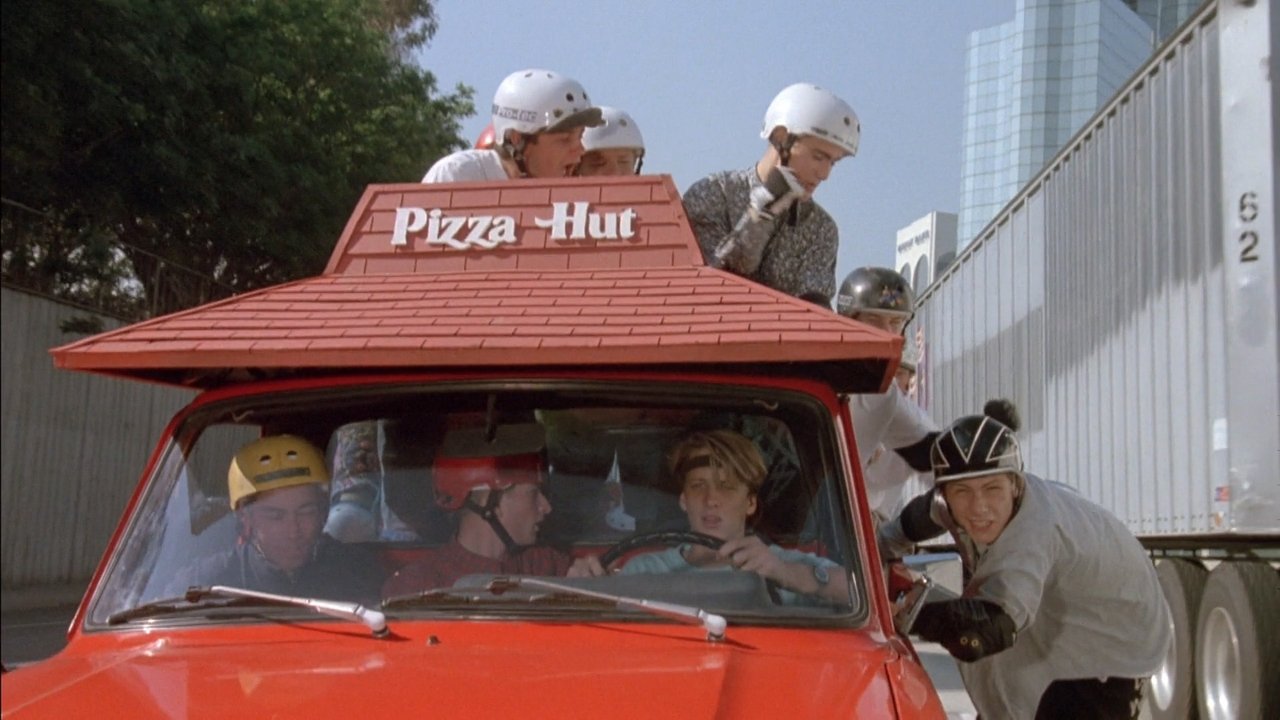
Where Gleaming the Cube gets delightfully weird is its commitment to the thriller aspect. Helmed by Australian director Graeme Clifford, previously known for the intense biopic Frances (1982), the film doesn't shy away from some surprisingly dark turns. We get shadowy figures, clandestine meetings, and genuine stakes, all juxtaposed with scenes of Brian shredding through suburban landscapes. Steven Bauer (bringing some of that Scarface intensity) plays Al Lucero, the initially skeptical detective who eventually teams up with Brian, adding a layer of gritty realism that clashes intriguingly with the Day-Glo skate aesthetic. Richard Herd provides reliable support as the exasperated police chief, Ed Lawndale.
The script, co-written by Michael Tolkin (who would later pen the scathing Hollywood satire The Player (1992)) and W.W. Wicket (a pseudonym for Sanford Stern, who also wrote Pump Up the Volume (1990), another Slater vehicle!), tries to weave these disparate threads together. Does it always succeed? Not entirely. The conspiracy plot can feel a bit generic 80s-thriller-by-numbers at times. But the sheer audacity of combining hardcore skateboarding with a plot involving illegal arms dealing is part of its enduring charm. It feels like two different movie ideas collided, and instead of picking one, they just went for it.

### Retro Fun Facts: Plywood, Pros, and Persistence
This is where Gleaming the Cube truly shines for retro enthusiasts and skate fans. The production went all-in on authenticity for the skateboarding sequences, which were choreographed by none other than skate legend Stacy Peralta (yes, the Z-Boy himself, who later directed the fantastic documentary Dogtown and Z-Boys (2001)). And the list of skaters involved reads like a who's who of late-80s skate royalty. Tony Hawk famously doubled for Slater during the intense pool and vert skating scenes. The legendary Rodney Mullen provided the mind-bending flatland freestyle tricks. Mike McGill, Tommy Guerrero, Lance Mountain, and Natas Kaupas are just some of the other icons who either performed stunts or made cameo appearances. Seeing these legends in their prime, woven into a narrative feature, is pure gold.
While Slater apparently took some lessons, he wisely let the pros handle the heavy lifting, ensuring the skating looked incredible. Even the film's title, "Gleaming the Cube," supposedly comes from a piece of obscure skate slang coined by Neil Blender, referring to pushing beyond limits to achieve a kind of perfection or nirvana – a perfect metaphor for Brian's relentless pursuit of truth. Despite this pedigree and a decent budget (around $10 million), the film wasn't a box office smash, earning back less than $3.5 million domestically. This underperformance likely contributed to its eventual cult status, a gem waiting to be discovered on dusty video store shelves.
### Why It Still Rolls Today
Sure, the plot has holes you could drive a delivery truck through, and some of the dialogue feels distinctly of its time. But Gleaming the Cube possesses an undeniable energy and sincerity. The practical stunt work, featuring real skaters doing real tricks (often in real Southern California skate spots), feels incredibly dynamic even today. There’s a visceral thrill to watching Brian weave through traffic or execute a daring escape on his board that CGI just can't replicate.
It captured a specific moment in time – the peak of skateboarding's late-80s boom, infused with a dose of Reagan-era thriller paranoia. It’s a film that took its weird premise seriously, anchored by a star-making turn from Slater and legitimized by the involvement of skateboarding's finest. For those of us who grew up haunting video stores, it represents that thrill of finding something unexpected, something that dared to mix genres in a way you wouldn't see anywhere else.

Rating: 7/10
This score reflects the film's undeniable cult appeal, the fantastic authentic skateboarding sequences featuring legendary pros, and Christian Slater's magnetic performance. It loses points for a sometimes clunky plot and dated thriller elements, but its sheer earnestness and unique genre mashup earn it a solid place in the VHS Heaven archives. It's a blast of late-80s energy that still manages to feel surprisingly fresh in its commitment to its quirky vision.
So, next time you're feeling nostalgic, imagine popping this tape in. It’s more than just a movie; it’s a time capsule on wheels, capturing the rebellious spirit of youth and the thrill of pushing the limits – both on a skateboard and in storytelling.