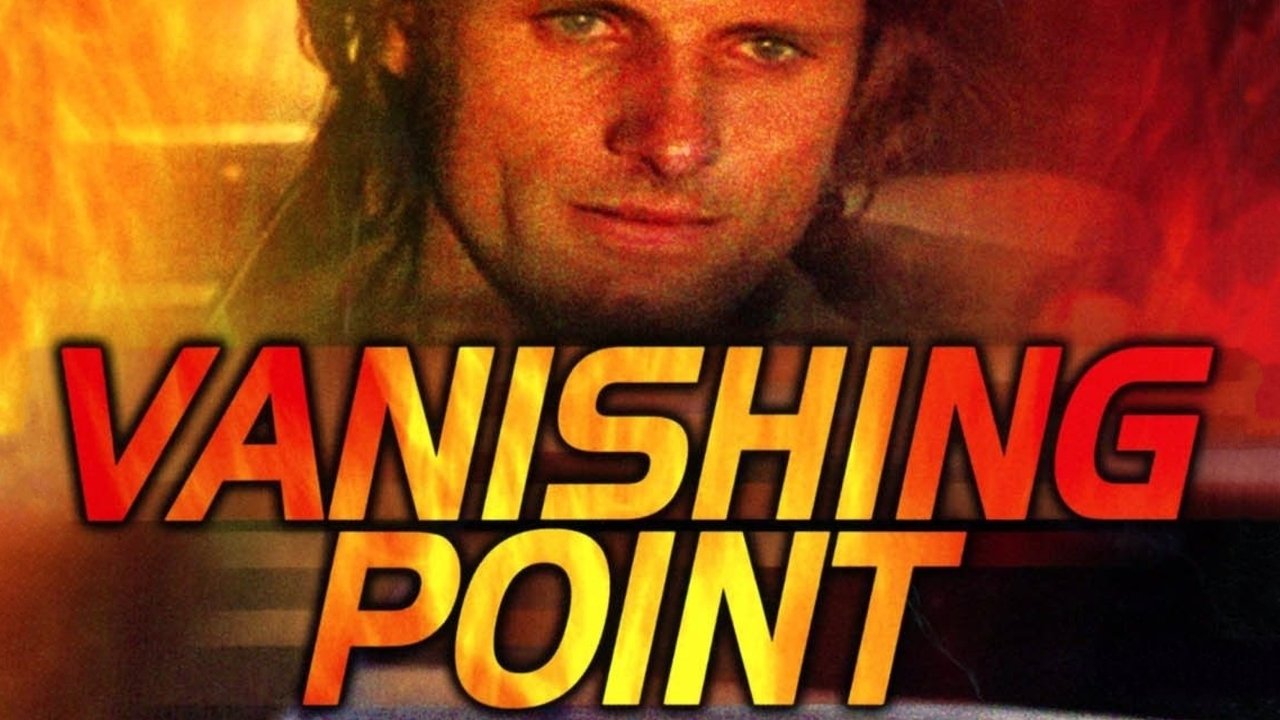
The hum of the television, late at night, painting the room in flickering cathode-ray light. Sometimes, channel surfing through the static snowdrift of the nineties airwaves, you landed on something unexpected. Something that felt both familiar and… different. That’s the space the 1997 TV movie remake of Vanishing Point occupies – a ghost echoing in the chassis of a cinematic legend. Forget the sun-drenched, counter-culture haze of the 1971 original for a moment; this Fox Network reimagining, helmed by Charles Robert Carner, aims for something arguably grittier, closer, rooted in a different kind of desperation.

Echoes in the Wasteland
Let's be clear: remaking the '71 Vanishing Point is like trying to recapture lightning in a bottle, especially on a television budget. The original, directed by Richard C. Sarafian, wasn't just a car chase movie; it was a near-mythical slice of existential Americana, fueled by speed, rebellion, and a haunting ambiguity. This '97 version, written by Carner based on a story credited also to Malcolm Hart, faces that long shadow head-on. It understands the core – a man named Kowalski driving a white Dodge Challenger very fast from Colorado to California – but reframes the 'why'. Instead of an enigmatic ex-cop/racer running from nebulous demons, we get a more defined protagonist.
Mortensen Takes the Wheel
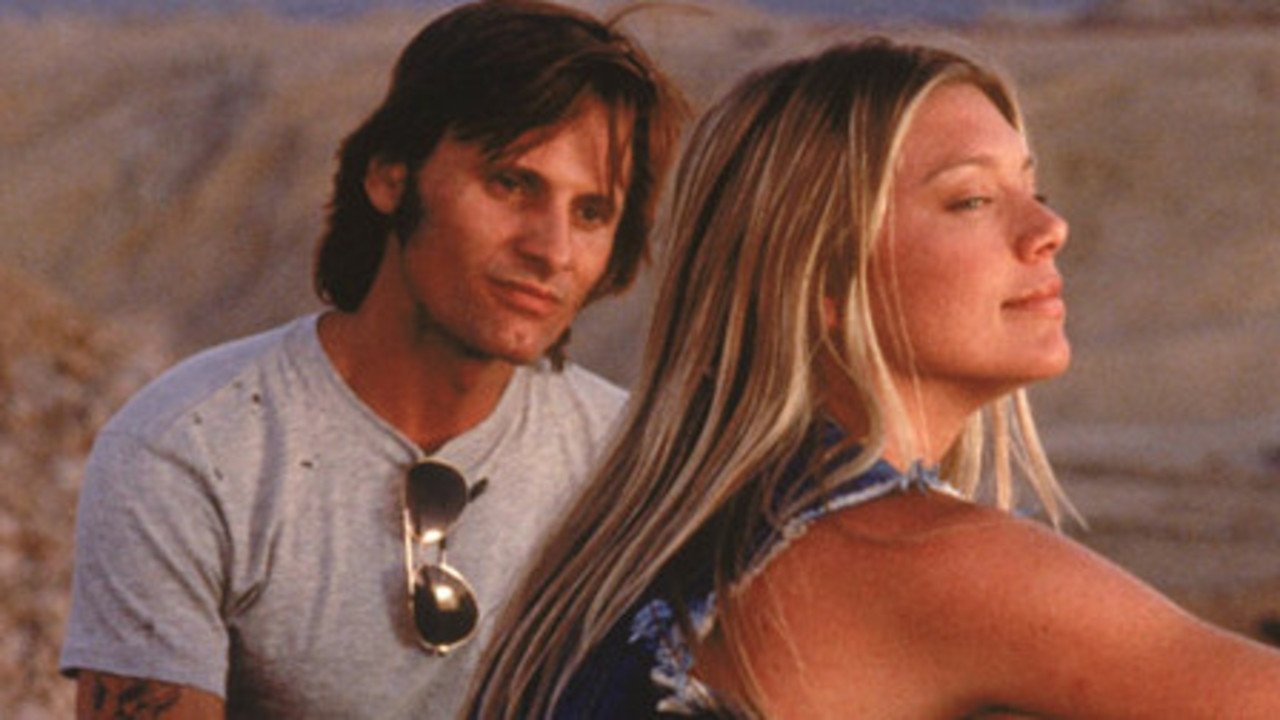
Here, the driver is James "Jimmy" Kowalski, portrayed by a pre-Middle-earth Viggo Mortensen. And honestly, Mortensen is the primary reason this version commands any attention at all. Years before he became Aragorn, Mortensen already possessed that quiet intensity, that coiled tension simmering beneath the surface. His Kowalski is a former Ranger, haunted by experiences in the Gulf War and driven by a desperate need to return home to his pregnant, ailing wife (played with earnest vulnerability by Christine Elise). This provides a concrete, perhaps more relatable, motivation than the original's deliberately vague setup. Mortensen sells the weariness, the resolve, the flicker of hope against encroaching darkness. He feels like a man pushed to the edge, gripping the wheel as his last act of control. We also get Steve Railsback, an actor no stranger to intense roles (Lifeforce, The Stunt Man), as the relentless pursuing officer, adding a layer of weary antagonism.
Desert Heat, Network Constraints
Director Charles Robert Carner, who would later give us the similarly dark TV thriller Judas Kiss (1998), does a competent job staging the action. The desert highways look appropriately desolate, and the roar of the Challenger still resonates. There are some genuinely effective driving sequences, capturing a sense of speed and danger. However, the limitations of its television origins are palpable. The scope feels smaller, the cinematography less expansive than its cinematic predecessor. You can almost feel the impending commercial breaks influencing the pacing. Some trivia suggests that while multiple Challengers were used (as is standard), the production had to be resourceful to achieve the necessary stunts within its means – a common reality for TV movies aiming for cinematic flair. The film does try to update the context, grounding Kowalski's trauma in the recent Gulf War, an attempt to resonate with a contemporary audience that perhaps only partially lands. Does anyone remember seeing the promos for this during The X-Files or Melrose Place on Fox back in the day? It felt like an 'event' movie for the network, trying hard to punch above its weight.
Finding its Own Road?
While Mortensen delivers a compelling performance, the shift to a more explicit backstory arguably dilutes some of the original's raw, existential power. The '71 film felt like a fever dream, a commentary on freedom, authority, and the void. This version is more of a grounded chase thriller with tragic undertones. The radio DJ character, "The Voice" (voiced here by Jason Priestley of Beverly Hills, 90210 fame, a somewhat jarring choice compared to Cleavon Little's iconic Super Soul), still serves as a Greek chorus, but the connection feels less organic, more plotted. The film hits many of the same beats – the desert encounters, the police roadblocks – but the soul feels different. It’s less about the journey as a statement and more about one man’s desperate race against time and his own past.
Spoiler Alert! (Regarding the ending comparison) The ending, too, pulls back from the original's shocking, definitive statement. Instead of the fiery, ambiguous crash into the bulldozer roadblock, this version opts for a slightly more conventional, albeit still tragic, conclusion that allows for a final, poignant character moment. It arguably softens the blow, making it perhaps more palatable for a network audience but less impactful as a lasting image. End Spoiler Alert!
The Verdict
Watched on its own terms, especially through the nostalgic lens of late-night 90s television, Vanishing Point (1997) is a surprisingly decent TV movie. It’s anchored by a typically intense and committed performance from Viggo Mortensen, features some solid chase sequences, and tells a coherent, if less resonant, story. It doesn't capture the lightning of the original – few films could – and it bears the unmistakable marks of its television roots. But as a curio, a different take on a familiar legend, or simply a chance to see a future superstar honing his craft against a backdrop of desert highways and desperation, it holds a certain gritty appeal. It was never going to replace the original on the cult pedestal, but finding this tape at the back of a dusty rental shelf offered its own kind of minor thrill.
Rating: 6/10 - Elevated by Viggo Mortensen's compelling lead performance and competent direction, this TV remake offers a solid, if less iconic, take on the premise. Its defined backstory and network constraints prevent it from reaching the existential heights of the '71 classic, but it remains a watchable chase thriller with a distinct late-90s feel.
Final Thought: It might lack the enigmatic soul of its namesake, but Mortensen ensures this Kowalski's desperate drive across the wasteland leaves a mark, like tire tracks fading on a lonely highway seen flickering on a CRT screen long after midnight.