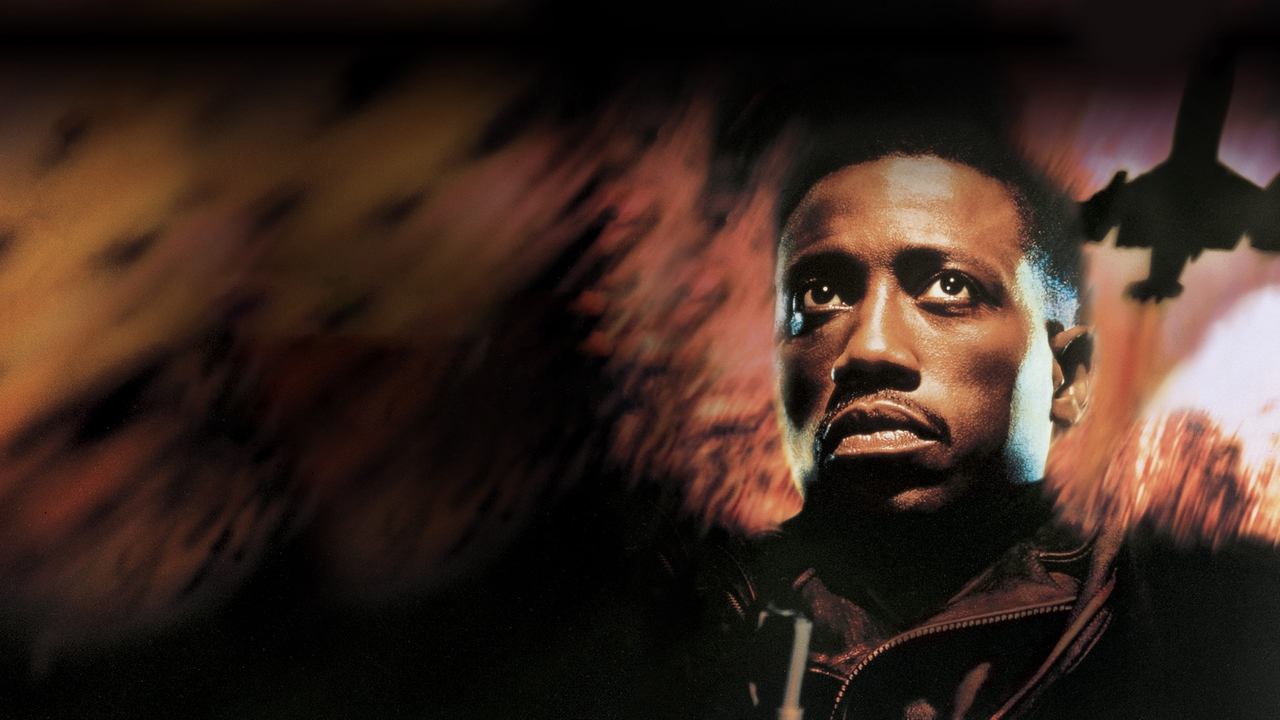
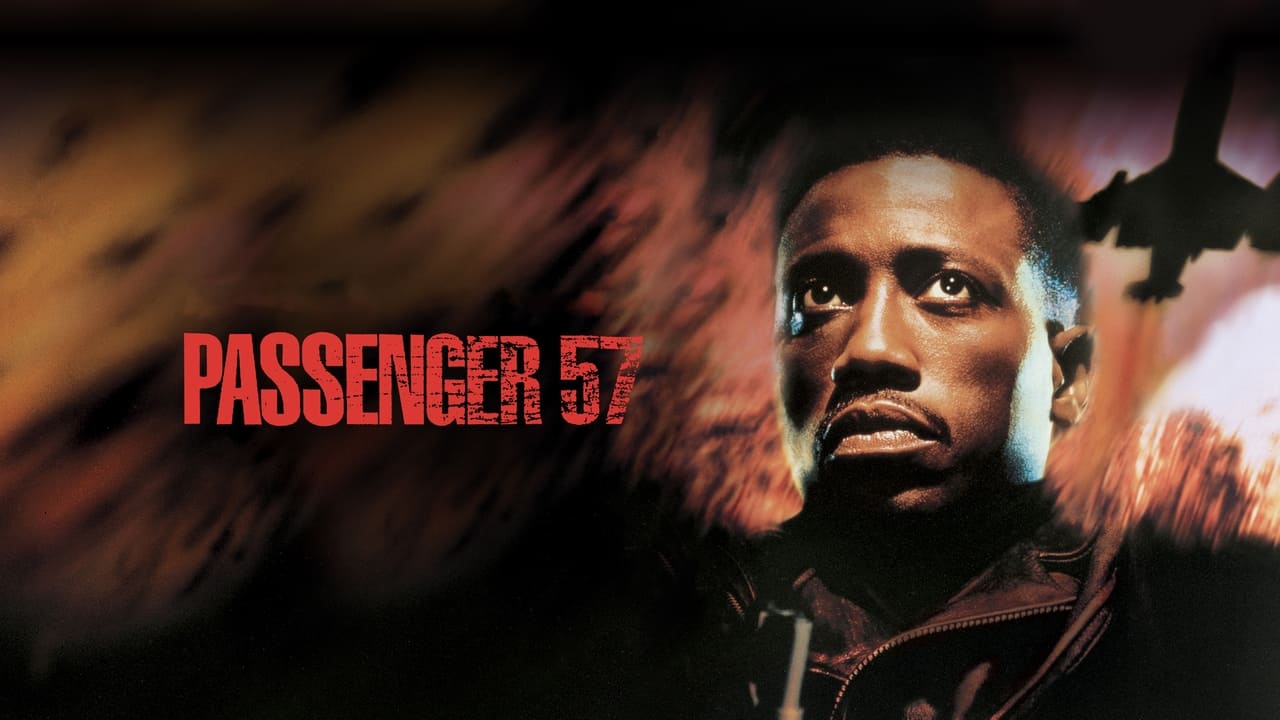
Okay, rewind your minds with me. Picture this: it’s Friday night, the glow of the “New Releases” wall at Blockbuster (or your local mom-and-pop video store) is calling your name. You’re hunting for pure, unadulterated action, something fast, explosive, and maybe just a little bit slick. And then you see it: the confident stare of Wesley Snipes, maybe a hint of an airplane in the background. You grab the chunky plastic case for Passenger 57 (1992), and you just know you’re in for a good time. This wasn't just another movie; it felt like the arrival of a major action force.
### Buckle Up, It's Going to Be a Turbulent Flight
The premise is beautifully, almost elegantly simple, a prime example of the high-concept pitches that fueled 90s action cinema. Wesley Snipes, radiating peak cool after New Jack City (1991) and White Men Can't Jump (1992), plays John Cutter, an airline security expert haunted by his past (naturally) who just happens to be aboard a commercial flight transporting one Charles Rane. And Rane isn't just any criminal; played with icy, almost hypnotic menace by the criminally underrated Bruce Payne, he’s the "Rane of Terror," a notorious international terrorist mastermind. What could possibly go wrong? Well, everything, much to the delight of action fans everywhere.
Rane's operatives stage a brutally efficient takeover of the L-1011 aircraft mid-flight. It’s essentially Die Hard on a Plane™, a tag it wore proudly even then. But dismissing it as just a clone misses the sheer kinetic energy and star power Snipes brings. John Cutter isn't John McClane; he’s smoother, quieter, a martial arts expert whose movements are precise and deadly. Director Kevin Hooks, who mostly worked in television but also directed the Laurence Fishburne/Stephen Baldwin actioner Fled (1996), keeps the pacing relentless. Once Rane makes his move, the film rarely pauses for breath. Reportedly, the script had been kicking around Hollywood for a while, initially perhaps envisioned for a more established action hero, but Snipes’ meteoric rise made him the perfect, fresh face for this kind of lean, mean action vehicle.
### Real Danger, Real Stakes
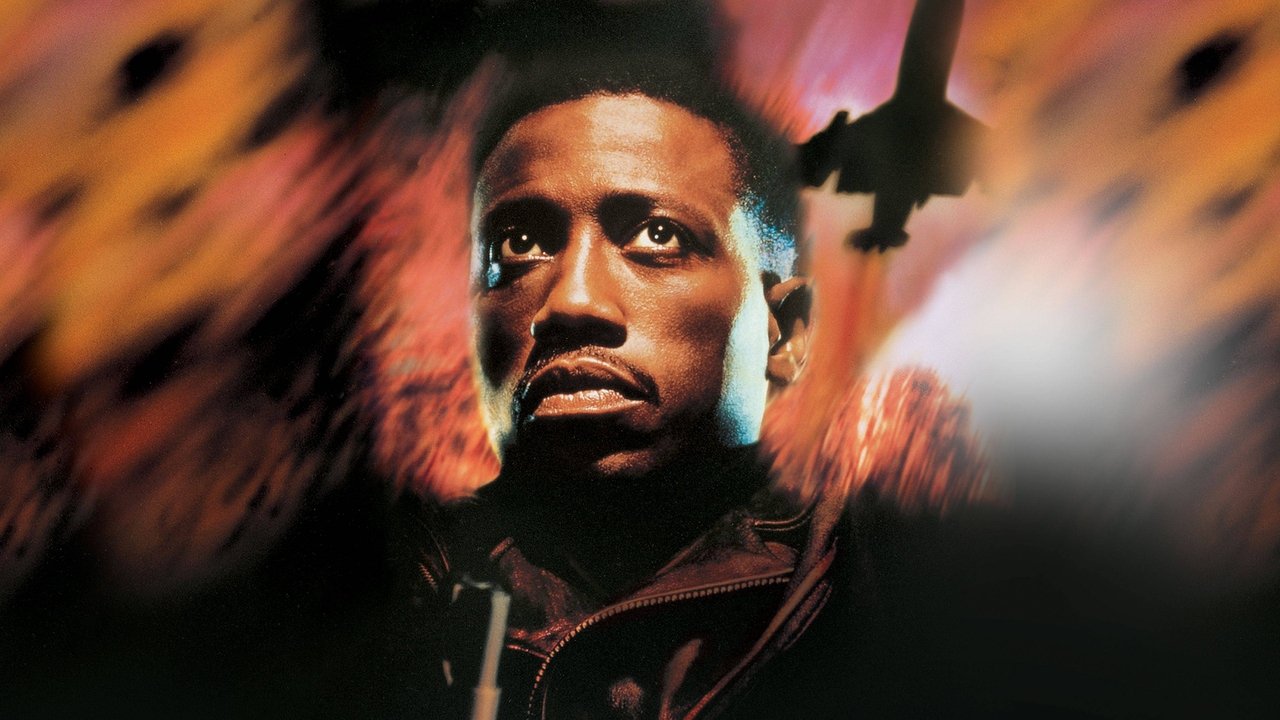
Let’s talk about that action. This was the era before CGI smoothing took over completely. When Cutter takes down Rane's goons in the tight confines of the airplane aisles, you feel the impact. The fight choreography, leveraging Snipes’ genuine martial arts prowess (he holds black belts in multiple disciplines), feels grounded and visceral. Remember how raw those close-quarters fights felt? They weren't overly flashy, relying instead on speed, efficiency, and the sheer claustrophobia of the setting. There’s a palpable sense of danger because you knew those were real stunt performers taking real tumbles, often just inches away from the camera. It wasn't seamless, perhaps, by today's standards, but it had a weight and intensity that digital effects often struggle to replicate. The film was made for a relatively modest $15 million (around $32 million today) but punched far above its weight, grossing over $44 million domestically (about $94 million adjusted) – a testament to its efficient thrills and Snipes' drawing power.
Bruce Payne deserves special mention. His Charles Rane is a fantastic villain – intelligent, ruthless, impeccably dressed, and utterly convinced of his own superiority. He delivers chilling lines with a calm theatricality that makes him genuinely unsettling. His verbal sparring with Cutter crackles with tension. Payne crafted a truly memorable bad guy, the kind you love to hate, standing tall in the pantheon of 90s action antagonists. You also get solid support from familiar faces like Tom Sizemore as Cutter's ground contact and a very early role for Elizabeth Hurley as one of Rane's treacherous flight attendant accomplices.
### Off the Plane, Into the Fire (Literally?)
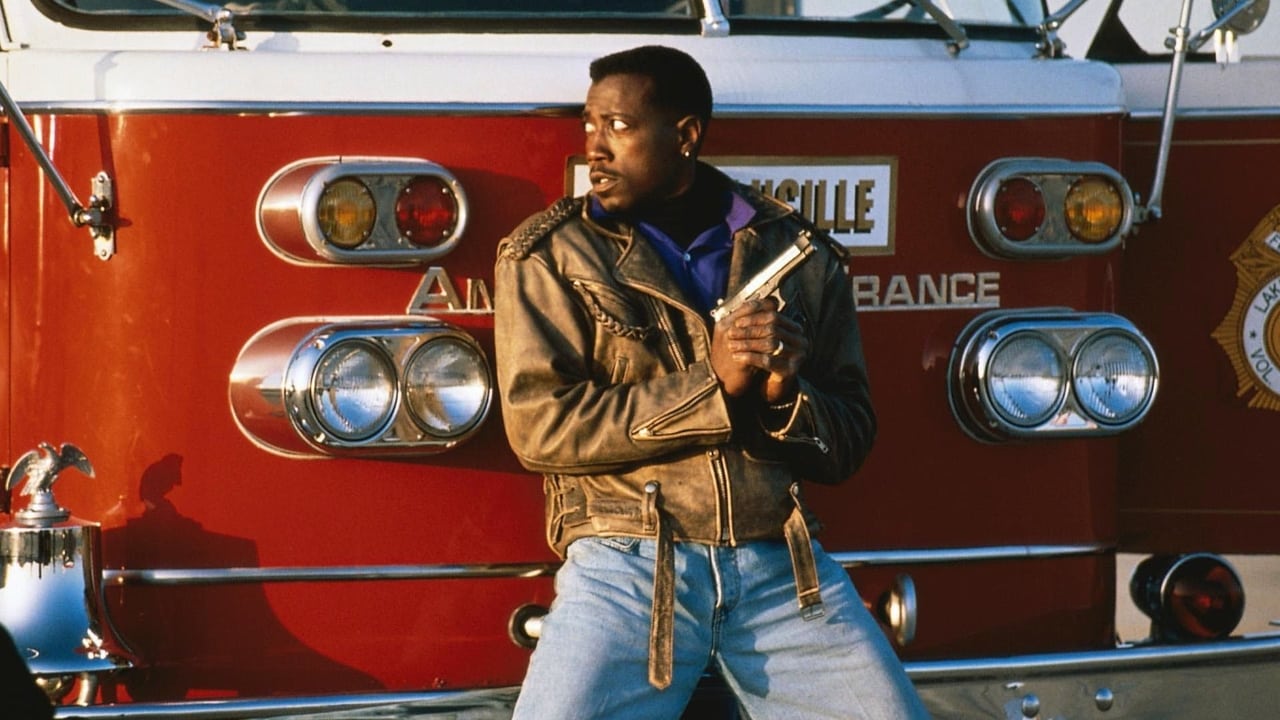
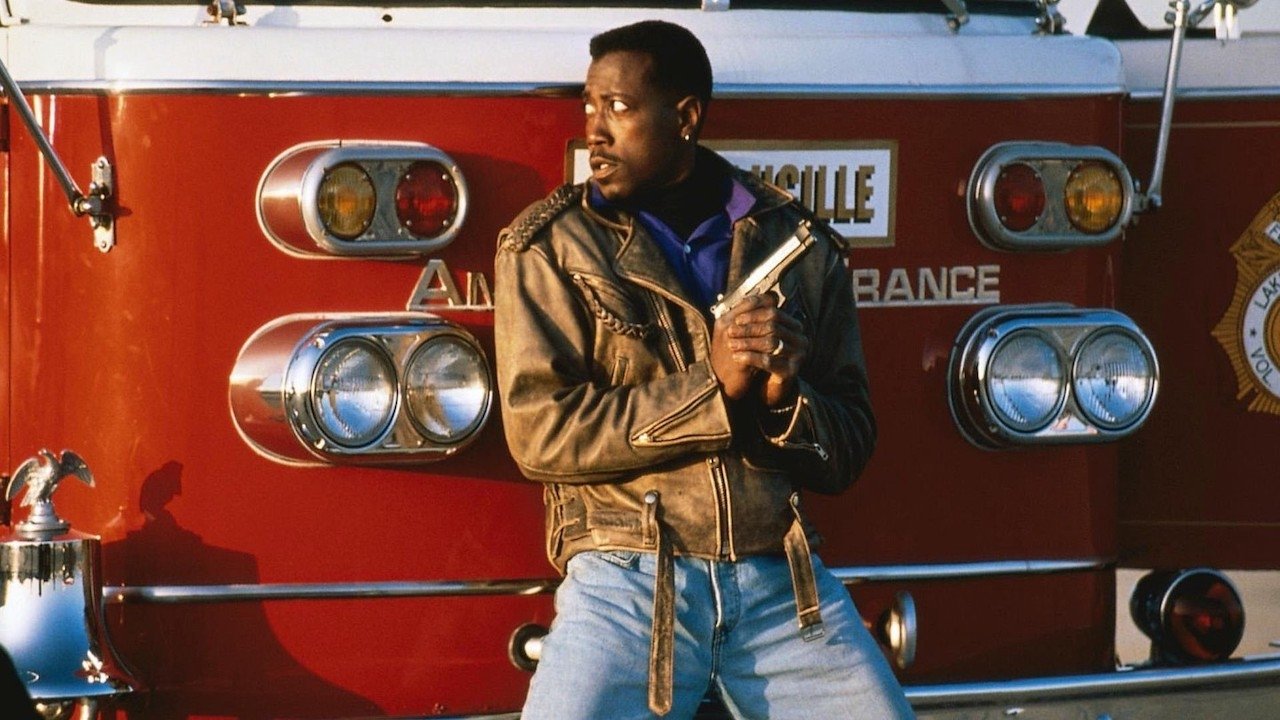
The film cleverly avoids being entirely confined to the aircraft. After a tense mid-air standoff, the plane is forced to land at a small airfield adjacent to a Louisiana county fair. Yes, a county fair. This unexpected shift in location injects fresh energy, leading to foot chases through crowds, shootouts near prize-winning pigs, and Cutter having to improvise using the environment. It’s a slightly jarring but ultimately fun detour that breaks up the potential monotony of the plane setting. Filming reportedly took place at the Orlando Sanford International Airport in Florida, which doubled for the Louisiana locations, adding a layer of authentic aviation backdrop to the proceedings. It’s these kinds of slightly absurd, yet entertaining, location shifts that give 90s action its unique charm.
And then, of course, there's the line. Cornered by local cops who mistake him for one of the terrorists, Cutter, with effortless cool, advises a bewildered Rane (who thinks he has the upper hand): "Always bet on black." It was the perfect tagline, instantly iconic, and perfectly encapsulating Snipes' smooth, confident persona. It landed like a lightning bolt in the trailer and became synonymous with the movie, arguably boosting its profile significantly. It’s one of those moments that probably had audiences cheering in the multiplexes back in '92. I distinctly remember the buzz around that line when the VHS hit the shelves; it was the quote everyone was repeating.
### Legacy of a High-Altitude Hero
Passenger 57 wasn't universally loved by critics upon release; many pointed out its derivative plot and lean characterizations. But audiences didn't care. They responded to the fast pace, the clear stakes, Bruce Payne's villainy, and most importantly, Wesley Snipes' magnetic performance. It solidified his status as a bankable action star, paving the way for films like Demolition Man (1993) and the Blade trilogy. It proved that the 'one man against overwhelming odds' formula still had plenty of fuel left in the tank, especially with a charismatic lead at the controls.
---
Rating: 7.5/10
Justification: While undeniably a Die Hard riff, Passenger 57 executes its premise with lean, mean efficiency and benefits immensely from Wesley Snipes' star-making turn and Bruce Payne's chilling villain. The practical action feels satisfyingly impactful, and the pace rarely lets up. It might lack thematic depth, but as a piece of pure 90s action entertainment, it delivers exactly what it promises on the box. The slightly dated elements and formulaic plot points hold it back from true classic status, but its energy and key performances make it highly rewatchable.
Final Thought: Forget turbulence warnings; Passenger 57 is a smooth flight straight back to the glorious, no-frills, high-concept action thrills of the early 90s – and yes, you should still always bet on black.