The static hiss of the VCR firing up, the whir of the tape engaging… sometimes the anticipation was almost as potent as the film itself. And pulling Friday the 13th Part VII: The New Blood from its clamshell case often came with a specific kind of thrill – the promise of Jason Voorhees, resurrected yet again, facing something… different. Forget the usual camp counselors; this time, Crystal Lake's resident revenant was squaring off against a psychic. It sounds like a fever dream pitch meeting, and frankly, that's part of its enduring, slightly waterlogged charm.
### Jason vs. Carrie? Well, Almost...
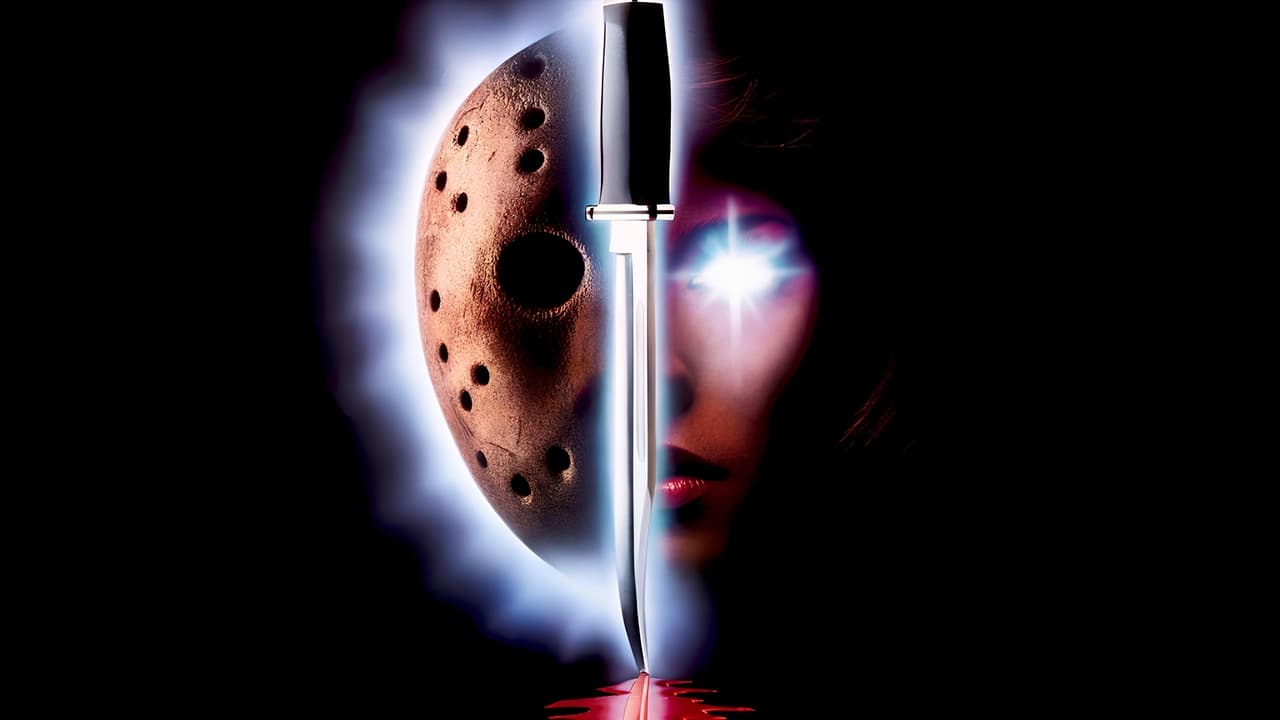
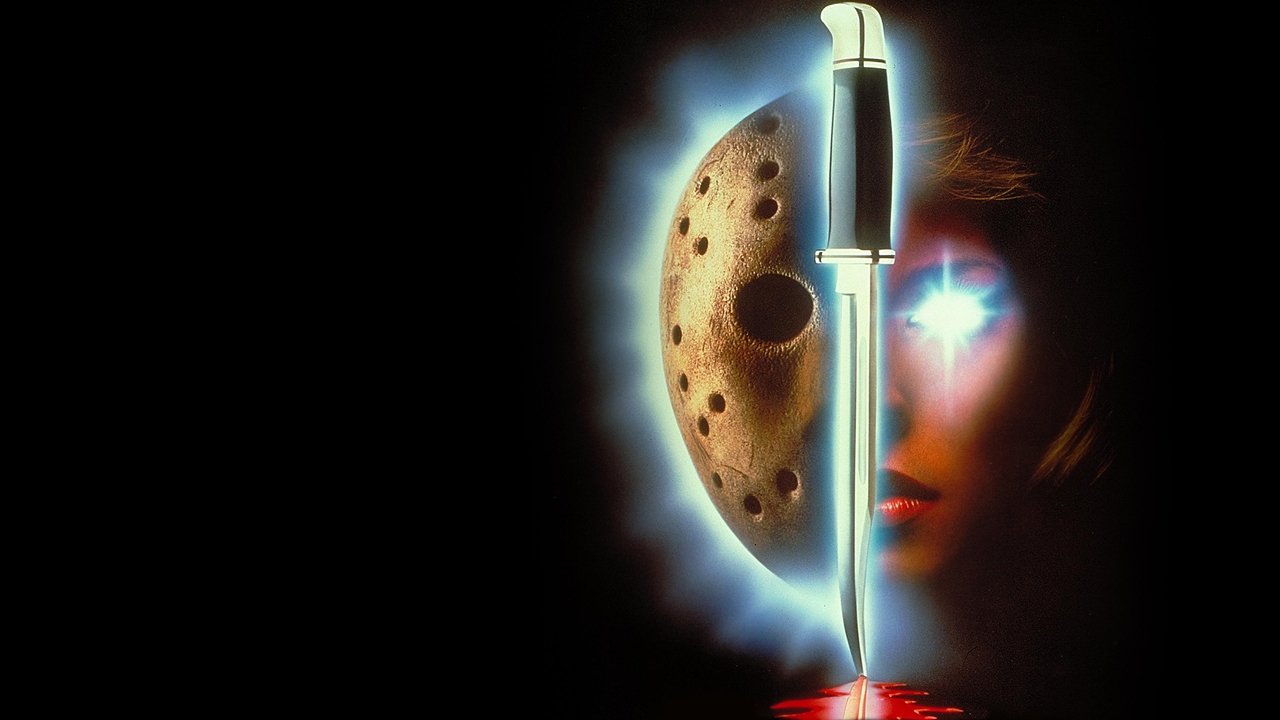
The premise is pure 80s slasher desperation, born from a studio mandate to inject fresh… well, blood into a formula starting to show its age. After Tina Shepard (Lar Park Lincoln) accidentally caused her abusive father's death years prior using latent telekinetic abilities, she returns to Crystal Lake with her mother and a highly unethical psychiatrist aiming to exploit her powers. Naturally, her psychic turmoil inadvertently awakens Jason Voorhees from his watery grave at the bottom of the lake, where he was conveniently chained up at the end of Part VI. The resulting chaos pits Tina's burgeoning mental powers against Jason's relentless, brute force. The initial concept, famously, was pitched as "Jason vs. Carrie," though securing the rights to Stephen King's character proved impossible. Still, the DNA of that high-concept clash permeates every frame.
### The Debut of a Titan (and a Brutalized Cut)

This installment is pivotal for one massive reason: it marks the debut of Kane Hodder in the role of Jason, a mantle he would carry through four films and solidify himself as a fan-favorite portrayer of the character. Hodder, a seasoned stuntman bringing a palpable sense of weight and menace, imbues Jason with an aggressive physicality largely unseen before. His Jason isn't just a lumbering killer; he's angry. You feel the force behind every machete swing, every door smashed, every victim dispatched with brutal efficiency.
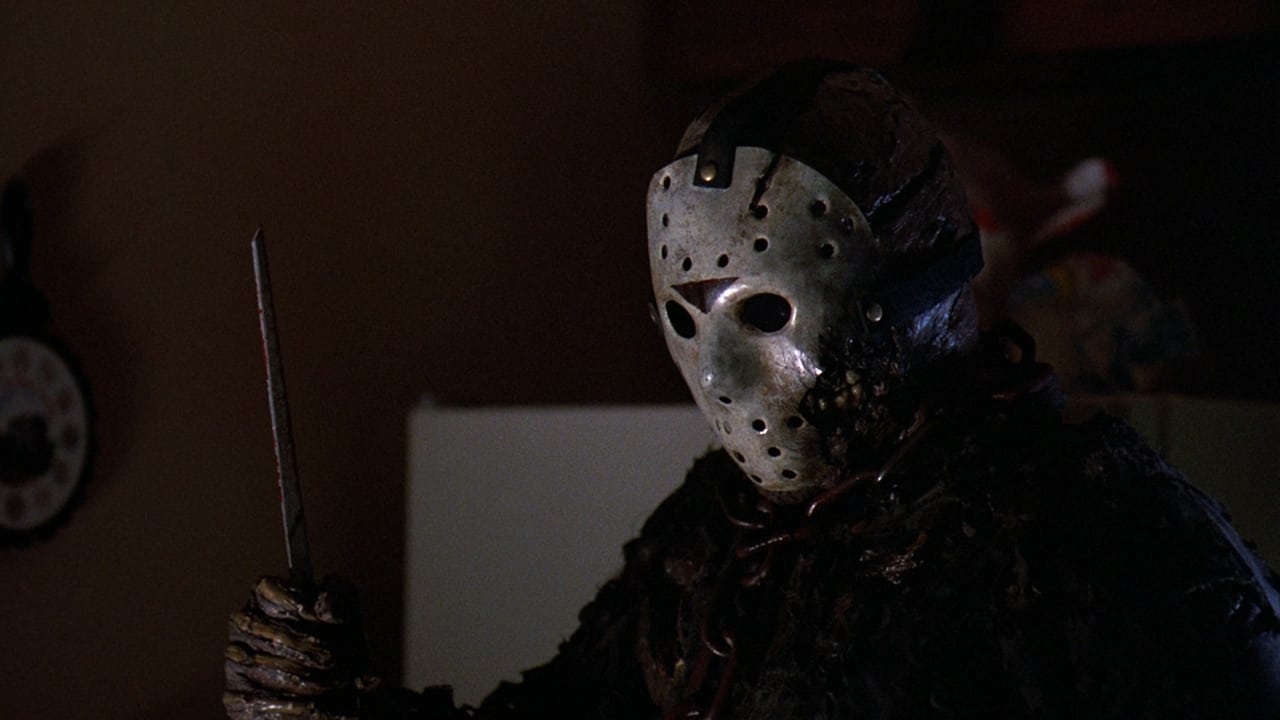
Director John Carl Buechler, a legend in the practical effects world (Ghoulies, From Beyond), brought his creature-feature sensibilities to the project. His vision for Jason was arguably the most terrifyingly decayed iteration yet. Having spent considerable time submerged, this Jason is a walking corpse: spine exposed, ribs jutting out, face a putrescent ruin beneath the shattered hockey mask. It’s a phenomenal design, a truly monstrous vision achieved through practical makeup effects that still impress. Buechler, who sadly passed in 2019, understood monsters, and he made Jason one again.
But The New Blood's legacy is forever scarred by the other kind of cutting: the MPAA's infamous butchering of its gore sequences. Driven by mounting pressure against slasher film violence, the ratings board demanded extensive cuts, removing seconds, sometimes entire beats, from nearly every kill scene. What was intended by Buechler and his effects team as arguably the goriest Friday entry became notoriously neutered. The legendary sleeping bag kill, where Jason slams a victim against a tree, is perhaps the most famous casualty – reduced to a shadow of its intended visceral impact. Finding uncut footage is a holy grail for fans, highlighting just how savage the film was meant to be. This censorship battle, a common tale for 80s horror filmmakers, undeniably robbed the film of much of its intended power, leaving many death scenes feeling abrupt and unsatisfying on that original VHS viewing.
### Psychic Showdown by the Lake
Despite the MPAA interference, the film still delivers some memorable moments. The core conflict between Tina and Jason provides a unique dynamic for the series. Lar Park Lincoln sells Tina's trauma and eventual empowerment reasonably well, making her a more proactive "final girl" than many of her predecessors. Seeing her use telekinesis to electrocute Jason, set him on fire (a stunt Kane Hodder famously performed himself, remaining alight for a record-breaking duration for the time), or collapse a porch onto him provides a third act far more dynamic than the usual chase-and-hide routine.
The supporting cast largely fulfills the slasher prerequisite of being attractive machete fodder, though Susan Blu (known more for her prolific voice acting career, including Arcee in the original Transformers cartoon) offers a slightly more memorable turn as the concerned mother. The production, shot mostly in Alabama and California standing in for New Jersey, effectively utilizes the familiar woodland and lakeside settings, bathed in that specific late-80s horror movie lighting – lots of blues and deep shadows. The score by Harry Manfredini, incorporating his iconic "ki-ki-ki, ma-ma-ma" motif alongside Fred Mollin, effectively underscores the tension, even if the plot mechanics feel overly familiar between the set pieces. Made on a tight budget of around $2.8 million, it still pulled in over $19 million at the box office, proving Jason still had legs (even decomposing ones).
### Final Cut
Friday the 13th Part VII: The New Blood is a fascinating entry. It boasts arguably the best Jason look of the entire series and introduced the definitive physical performer for the character in Kane Hodder. Its core "Jason vs. Psychic" concept is enjoyably absurd, leading to a more visually interesting climax than usual. However, the film is undeniably hobbled by studio interference and severe MPAA cuts that blunt its horror edge. The supporting characters are thin, and the plot follows predictable beats outside the central conflict. Watching it now evokes that specific feeling of late-80s slasher filmmaking – ambitious practical effects meeting censorship head-on, resulting in a film that feels both memorable and frustratingly compromised. Did you ever manage to track down footage of the uncut kills? The difference is night and day.

Rating: 6/10
Justification: Points awarded for Kane Hodder's powerhouse debut, John Carl Buechler's incredible Jason design, and the sheer novelty of the psychic vs. slasher premise leading to a dynamic finale. Points deducted for the paper-thin supporting characters, standard plotting, and crucially, the devastating MPAA cuts that significantly lessen the impact of the horror elements.
It remains a must-watch for Friday completists and Hodder fans, a curious artifact of studio gimmickry and censorship battles, forever remembered for its visually striking monster and the brutal potential lurking just beneath the surface of those excised frames.