### Whispers in the Bayou: When Scooby-Doo Grew Fangs
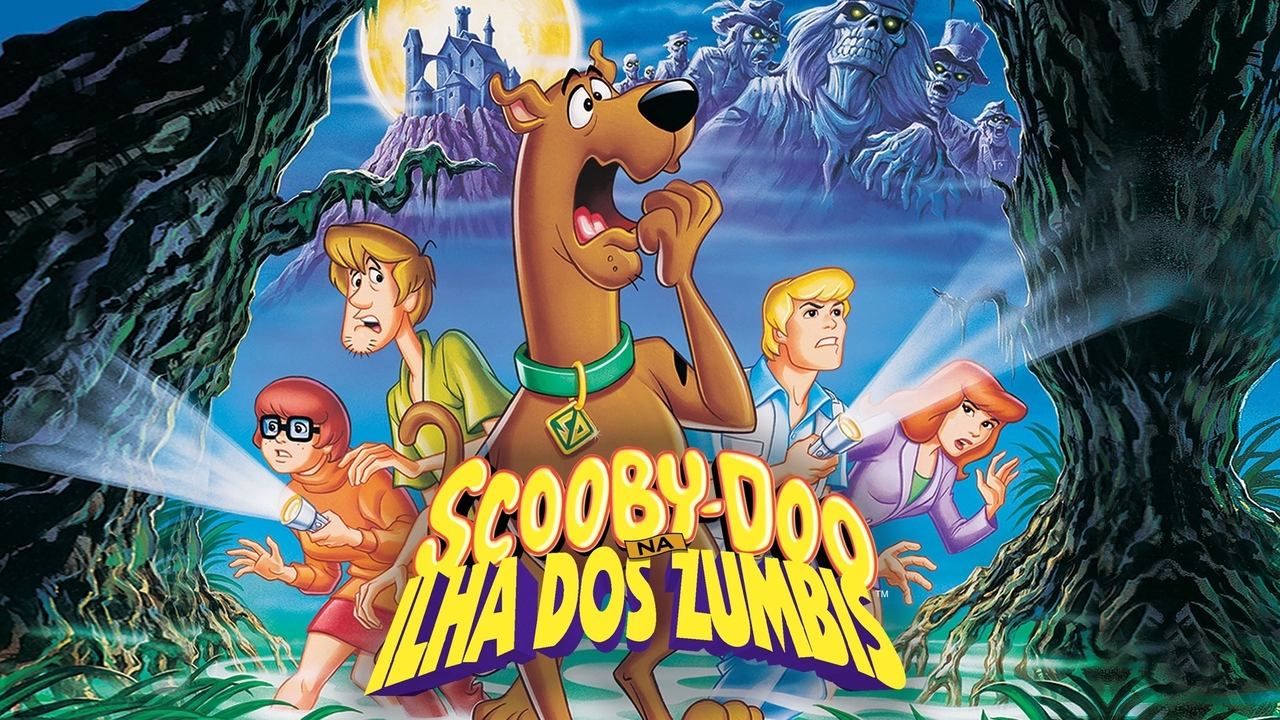
Forget the rubber masks and disgruntled caretakers for a moment. Cast your mind back to 1998. The Scooby-Doo franchise, while eternally beloved, had perhaps settled into a comfortable, predictable rhythm. Then, like a ghost pepper dropped into a bowl of Scooby Snacks, Scooby-Doo on Zombie Island landed on video store shelves, heralded by a tagline that sent a delicious shiver down the spine of every fan: "This time, the monsters are real." It wasn't just marketing hype; it was a declaration of intent, promising something richer, darker, and genuinely surprising for Mystery Inc. And boy, did it deliver.
### A Reunion with Real Bite
The setup feels familiar initially, yet tinged with a refreshing dose of reality. The gang has drifted apart, pursuing individual careers after years of unmasking phony phantoms grew stale. Daphne, now a successful investigative reporter (Mary Kay Bergman, whose incredible vocal talents also graced South Park), spearheads a reunion for her birthday, seeking real haunted locations for her show. Fred (Frank Welker, the ever-present anchor of the gang since 1969), ever the loyal producer/cameraman, is naturally on board. Velma (B.J. Ward, stepping into the iconic turtleneck) runs a mystery bookstore, while Shaggy and Scooby (Scott Innes, admirably taking over dual roles following Don Messick's passing) have bounced between jobs, most recently landing as customs officers – hilariously sniffing out contraband chili peppers.
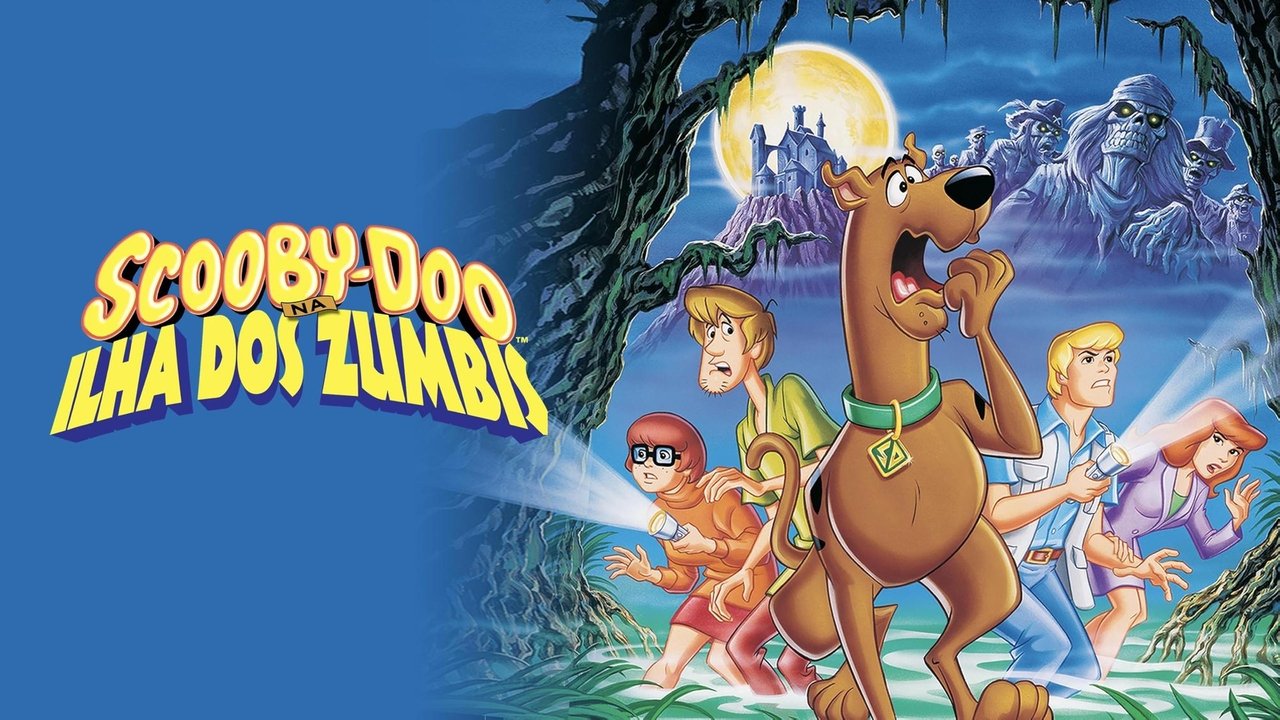
Their search leads them to Moonscar Island, a remote spot deep in the Louisiana bayou steeped in pirate lore and unsettling disappearances. Invited by the enigmatic Simone Lenoir (Adrienne Barbeau, a genre legend from films like The Fog and Escape from New York) and her ferryman Jack (Cam Clarke), they hope to capture genuine ghostly encounters. What they find is far more terrifying than they ever bargained for. This wasn't your typical Saturday morning fare; the film, directed by Jim Stenstrum (with Hiroshi Aoyama and Kazumi Fukushima co-directing), consciously aimed for an older audience, earning a PG rating for its genuinely scary moments and thematic depth.
### Animation That Haunts
One of the immediate standouts is the animation quality. Produced by Hanna-Barbera Cartoons but animated by the renowned Japanese studio Mook Animation (who would continue on the subsequent DTV films), Zombie Island boasts a fluid, cinematic look far exceeding the standards of the original series or its 80s follow-ups. The backgrounds are lush and atmospheric, capturing the humid decay and eerie beauty of the bayou setting perfectly. Character designs are updated subtly, retaining their iconic looks while feeling slightly more grounded.

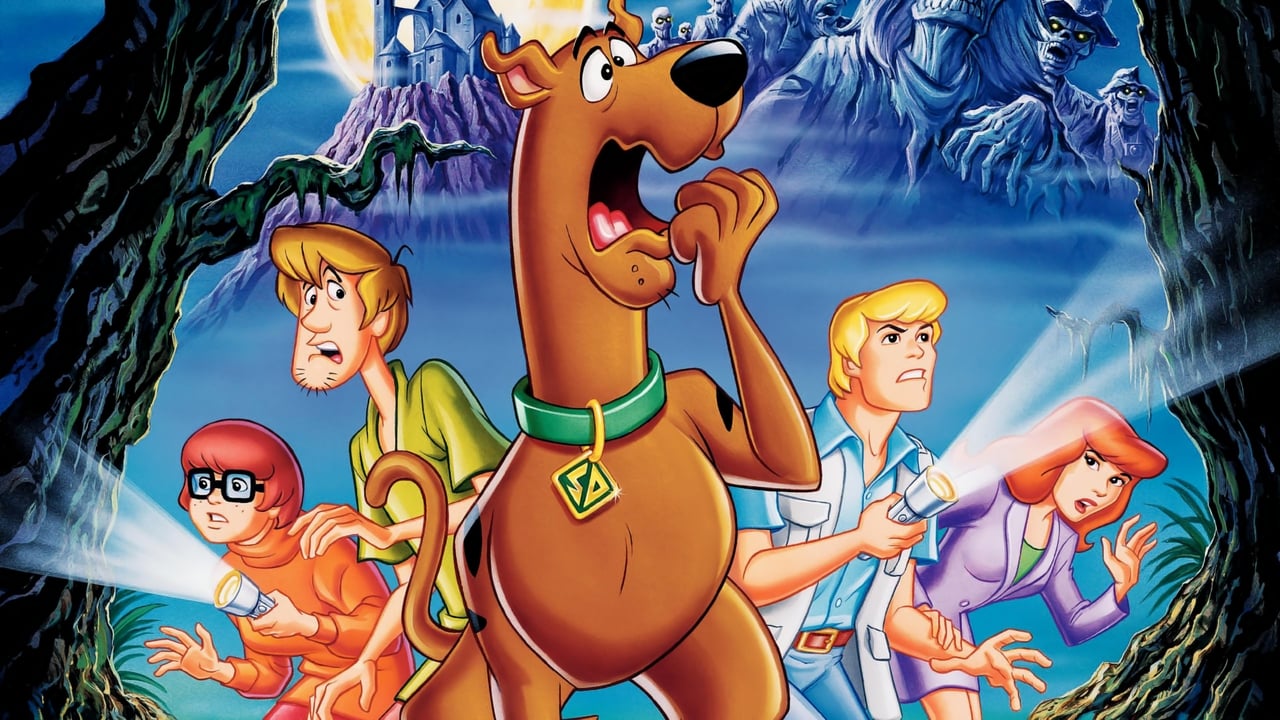
But it’s the atmosphere where the film truly excels. The score by Steven Bramson is less goofy jingle, more suspenseful orchestration, building tension effectively. The initial encounters with spectral pirates and shadowy figures feel genuinely unnerving. You feel the isolation of the island, the weight of its dark history. This wasn't just Scooby-Doo with a fresh coat of paint; it felt like a conscious evolution, respecting the source while daring to tread into darker territory.
### Spoiler Alert: This Time, They Don't Pull Off the Mask
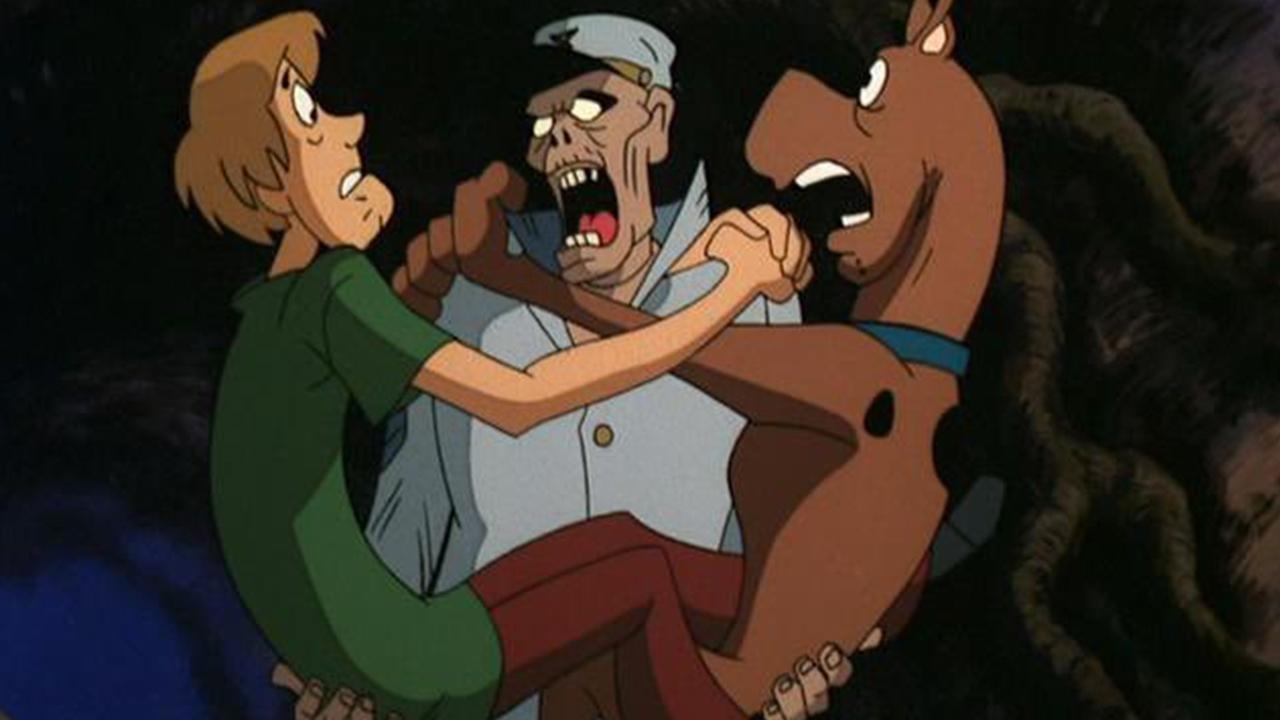
The pivotal moment, of course, is the realization that the zombies clawing their way from the mud are not elaborate hoaxes. They are real, shambling remnants of pirates and Civil War soldiers cursed to rise each harvest moon. And they aren't even the main threat. The film cleverly twists expectations, revealing Simone and her groundskeeper Lena Dupree (Tara Strong, then known as Tara Charendoff, already a voice acting powerhouse) as ancient, immortal cat creatures who drain life force to maintain their immortality.
This reveal was genuinely shocking back in '98. For decades, the core Scooby-Doo formula relied on the comforting certainty that the monster was just some guy in a suit. Zombie Island shattered that, injecting real stakes and genuine peril. Seeing Shaggy and Scooby genuinely flee for their lives from terrifying, non-human entities felt revolutionary for the franchise. The cat creature designs are particularly effective – sleek, menacing, and a far cry from any costumed crook. It's a testament to writer Glenn Leopold (a veteran of numerous Hanna-Barbera shows) and Davis Doi that they managed this darker turn without completely losing the spirit of Scooby-Doo. The humor is still there, mostly thanks to Shaggy and Scooby's terrified antics, but it's layered over a foundation of actual horror.
### Retro Fun Facts That Still Give Us Chills
The decision to make the monsters real wasn't taken lightly. It came from a desire at Hanna-Barbera to revitalize the franchise for a new generation and appeal to older fans who grew up with the original. This direct-to-video release was a gamble, but it paid off handsomely, becoming a massive seller on VHS and breathing new life into Scooby-Doo. Its success directly led to a string of successful DTV movies throughout the late 90s and 2000s, many retaining the higher animation quality and slightly more mature tone established here (like Scooby-Doo and the Witch's Ghost and Scooby-Doo and the Alien Invaders). It's fair to say Zombie Island arguably saved the franchise from fading into pure nostalgia, proving Scooby and the gang could evolve.
### The Verdict
Scooby-Doo on Zombie Island isn't just a great Scooby-Doo movie; it's a genuinely well-crafted animated horror-adventure film. It respects the characters we love while placing them in a situation far more dangerous and complex than usual. The animation is superb, the atmosphere is thick with dread, and the twist remains effective even after all these years. It bravely broke the mold, proving that even decades-old characters could find fresh, exciting ground. It perfectly balanced the familiar comfort of Mystery Inc. with the thrilling jolt of real monsters, creating something special that resonated deeply with fans who’d grown up alongside the gang.
Rating: 9/10
Justification: For its bold reinvention of the formula, surprisingly mature tone, excellent animation, genuinely creepy atmosphere, and its undeniable impact on revitalizing the entire Scooby-Doo franchise for a new era, Zombie Island earns a high score. It's a high point not just for Scooby, but for late 90s direct-to-video animation.
Final Thought: This was the Scooby-Doo adventure we didn't know we needed – the one that proved even meddling kids (and their dog) could face real darkness and come out the other side, ready for another snack... maybe just checking it for fangs first.