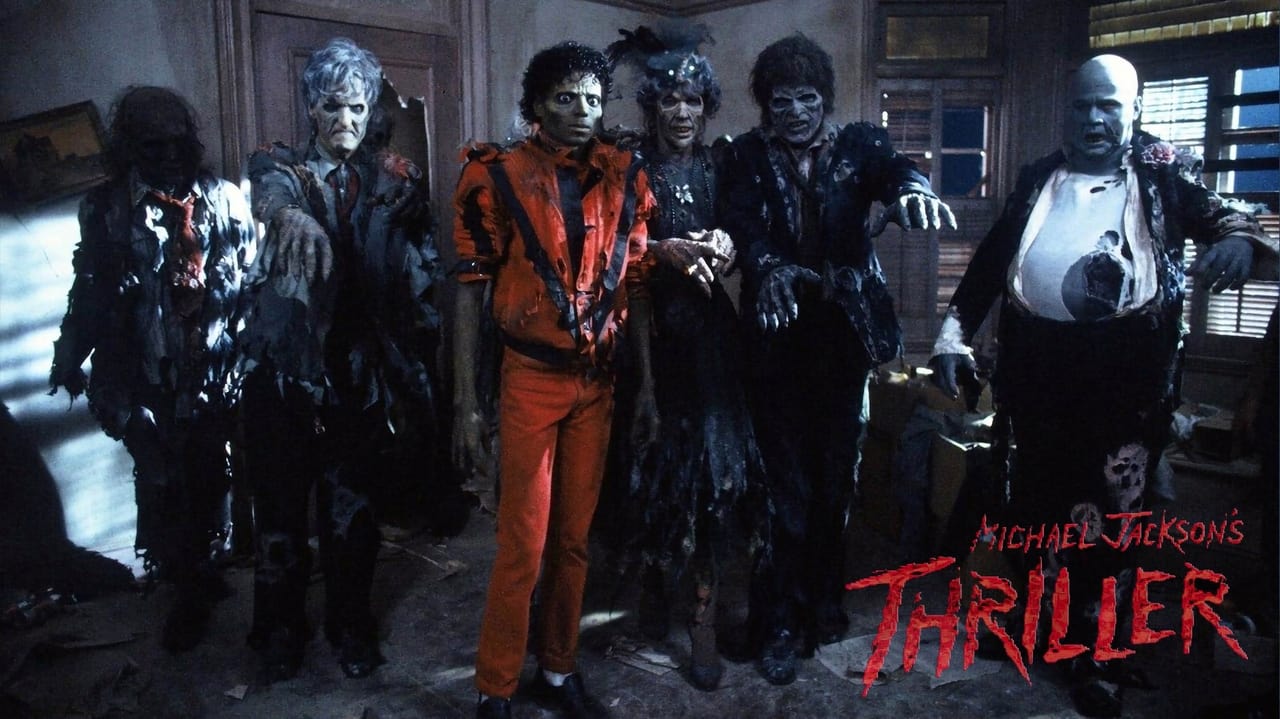
Okay, settle in, grab your rewind knob (mentally, at least), because we're diving deep into something that wasn't just a music video – it was a seismic cultural event beamed directly into our living rooms, often via a slightly worn VHS tape recorded straight off MTV. I'm talking about Michael Jackson's Thriller (1983), the 14-minute epic that blurred the lines between music, horror, and cinematic storytelling, leaving an indelible mark on anyone who saw it back then. Forget your standard pop promo; this was pure spectacle, a mini-movie delivered with the kind of budget and ambition usually reserved for the big screen.
### More Than Just a Music Video
Remember the buzz? It wasn't just another Michael Jackson song. After seeing John Landis's incredible work on An American Werewolf in London (1981) – particularly those jaw-dropping transformation effects – Jackson knew he'd found the perfect director to bring his monstrous vision to life. And Landis, fresh off that success, didn't just phone it in; he co-wrote the screenplay with Jackson, crafting a narrative framework that elevated Thriller far beyond its catchy tune. It felt important, premiering not just on MTV but also in select cinemas to qualify for an Academy Award (a move unheard of for a music video at the time!).
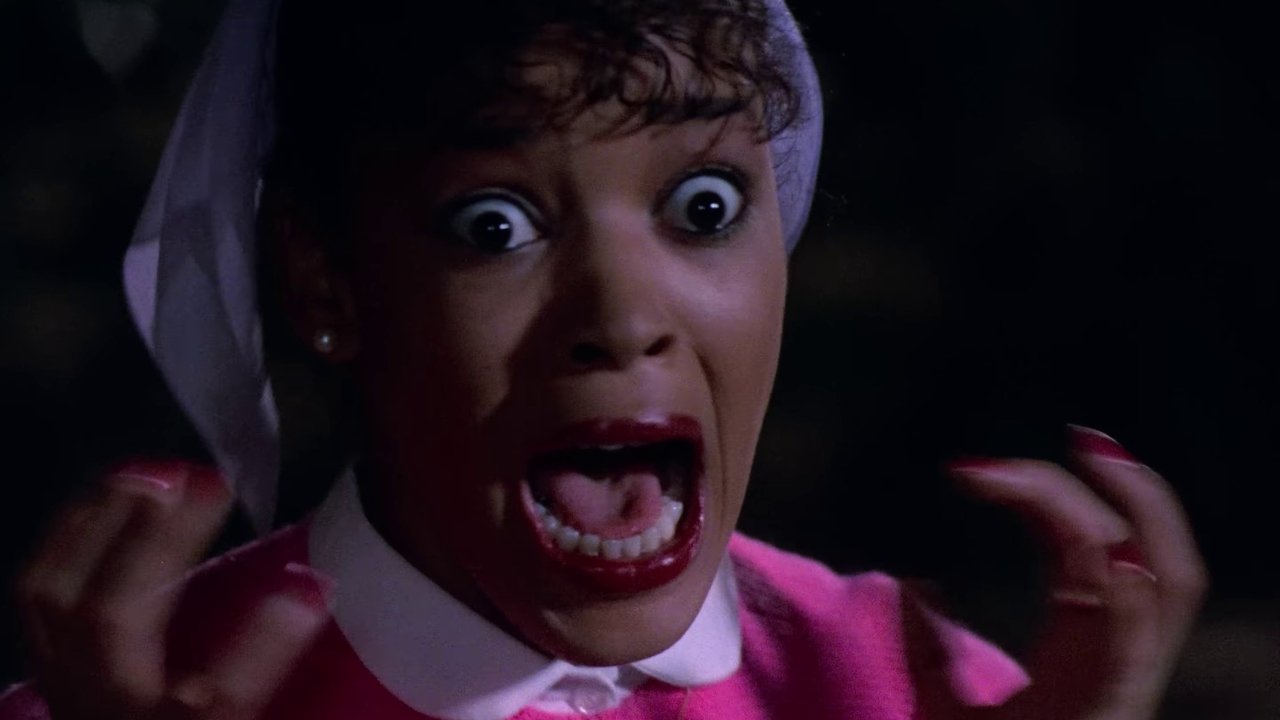
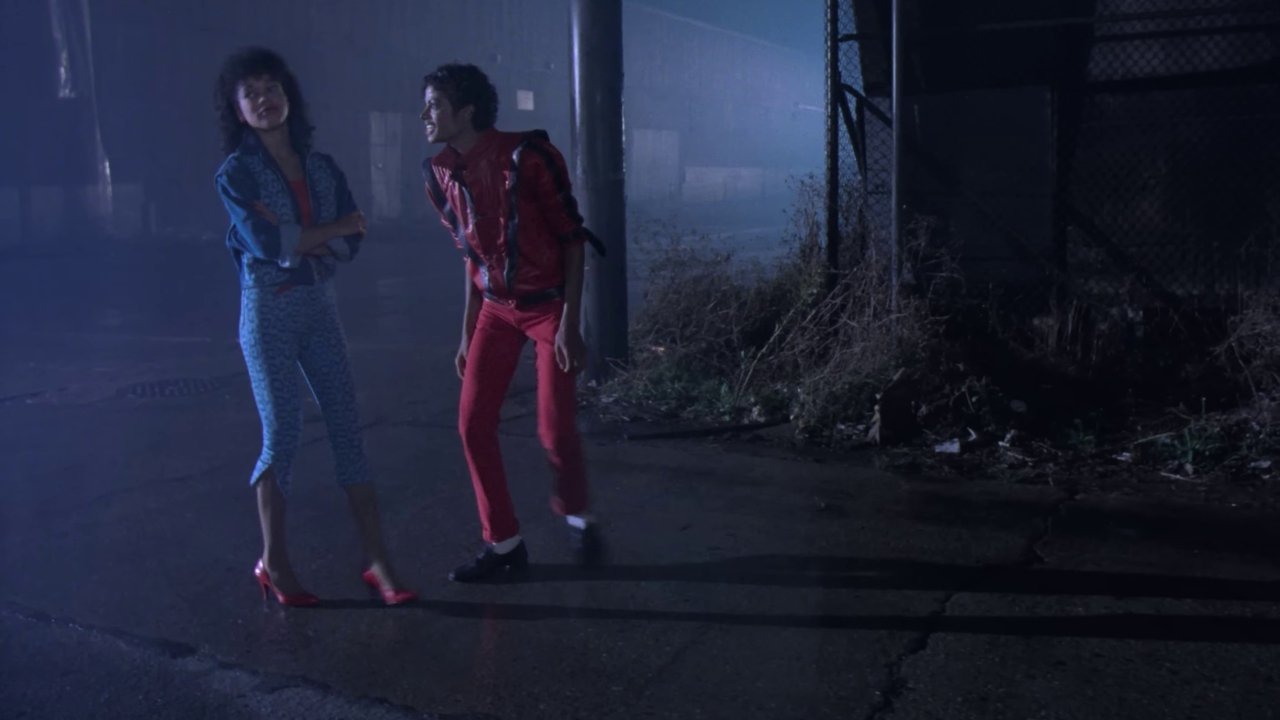
The setup is classic B-movie gold: Michael and his date, played by the instantly memorable Ola Ray, run out of gas near a spooky graveyard after watching a horror flick (within the video!). What follows is pure nightmare fuel, rendered with astonishing practical craft. Seeing this unfold on a fuzzy CRT, maybe late at night, amplified the eerie atmosphere tenfold. The graininess of the tape almost added to the texture, making the shadows deeper and the scares jumpier.
### The Creature Feature Effects Extravaganza
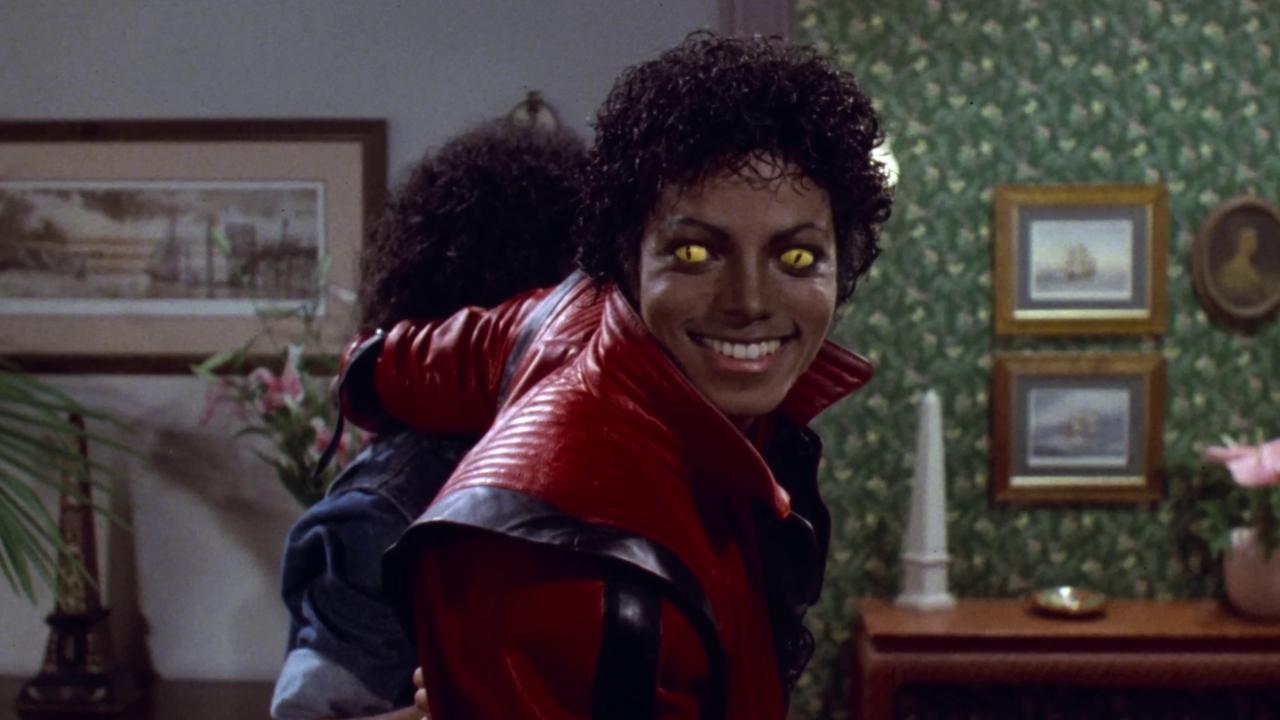
Let's talk about those effects, because they were the star alongside MJ himself. When Michael transforms into the 'werecat' – that snarl, the elongating claws, the yellow eyes – it was genuinely shocking for its time. This wasn't some cheap gimmick; it was the work of legendary makeup artist Rick Baker, the very same maestro who'd won an Oscar for his groundbreaking effects in American Werewolf. Baker and his team brought a level of creature feature artistry to the small screen that was simply unprecedented. Retro Fun Fact: The budget for Thriller ballooned to around $500,000 (roughly $1.5 million today), largely thanks to the elaborate makeup and effects – an astronomical sum for a music video in 1983, financed partly by Showtime and MTV eager for the premiere rights.
And then there's the main event: the graveyard sequence. The ghouls clawing their way out of the earth, their decaying flesh and tattered clothes realised with gruesome detail, felt terrifyingly tangible. This wasn't slick CGI; it was latex, makeup, and performers committed to the creepy bit. Remember how real those bullet hits looked back then? Okay, maybe not bullets here, but the physicality of the monsters was undeniable. You felt the weight and texture of Baker's creations in a way that digital effects, for all their smoothness, sometimes struggle to replicate.
### Dance of the Undead
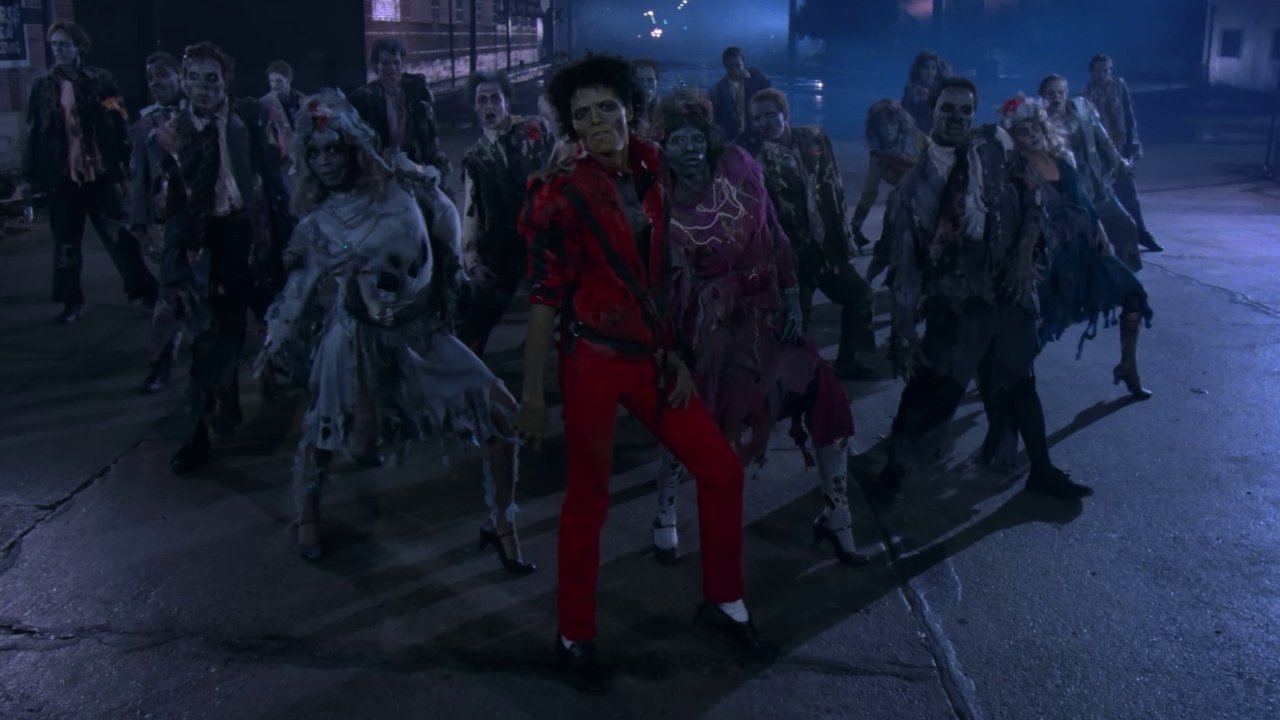
Of course, you can't talk Thriller without mentioning the choreography. The image of Jackson leading an army of the undead in that synchronised, angular, instantly iconic dance routine is burned into pop culture history. It was mesmerizing, slightly terrifying, and utterly brilliant. It transformed horror tropes into high-energy performance art. The sequence wasn't just dancing; it was storytelling through movement, capturing both the menace of the zombies and Jackson's magnetic stage presence. Retro Fun Fact: The dance rehearsals were intensive, with choreographer Michael Peters (who also worked on Beat It) pushing the dancers – many not professionals – to achieve that uniquely stiff-yet-fluid zombie shuffle.
Adding another layer of class and spooky authenticity was the legendary voice of horror icon Vincent Price. His perfectly delivered spoken-word section and maniacal closing laugh are as essential to Thriller's atmosphere as the visuals. It was a masterstroke, lending the project a gravitas and connection to classic horror cinema. Another Retro Fun Fact: Apparently, Price recorded his part in just two takes, cementing his legacy within a whole new medium.
### The Verdict Before the Twist
Watching Thriller today, it’s impossible not to be impressed. Landis's direction is confident, blending horror movie pacing with music video energy. The practical effects by Rick Baker remain remarkable achievements of the craft. Michael Jackson is at the peak of his powers, a captivating performer commanding every frame. And yes, the final 'it was all a dream... or was it?' twist still lands with a delightful shiver. It was a cultural phenomenon, massively boosting MTV's profile and proving that music videos could be ambitious, cinematic art forms. It even came with that slightly awkward disclaimer at the start, assuring viewers Michael Jackson didn't actually believe in the occult, a fascinating glimpse into the star's personal life and the cultural sensitivities of the time.
Rating: 10/10
This isn't just nostalgia talking. Thriller earns a perfect score because it fundamentally changed the game. It fused John Landis's horror-comedy sensibilities, Rick Baker's peerless practical effects, Vincent Price's iconic voice, and Michael Jackson's unparalleled talent into something utterly groundbreaking and unforgettable. It demonstrated the sheer power of practical effects and ambitious vision in the pre-digital age, delivering spectacle and scares that felt incredibly real on our flickering television screens.
Final Thought: Decades before CGI could conjure anything imaginable, Thriller proved that latex, ingenuity, and one hell of a dance routine could create magic that still holds up – a chilling testament to the enduring power of practical horror artistry from the golden age of VHS. Turn out the lights... if you dare.