Okay, settle back into that worn spot on the couch, maybe imagine the faint hum of a CRT nearby. Today, we're popping in a tape – or maybe remembering a surprising theatrical short – that feels like a fever dream captured on celluloid: the delightfully deranged 1995 Mickey Mouse cartoon, Runaway Brain. Forget the gentle chuckles and cheerful tunes for a moment; this seven-minute blast is pure, caffeinated chaos, a fascinating curio from Disney's animation vaults. It even snagged an Academy Award nomination for Best Animated Short Film, yet finding it officially released over the years has sometimes felt like a treasure hunt of its own – perfectly fitting for our VHS Heaven ethos!
### Not Your Grandpa's Mickey
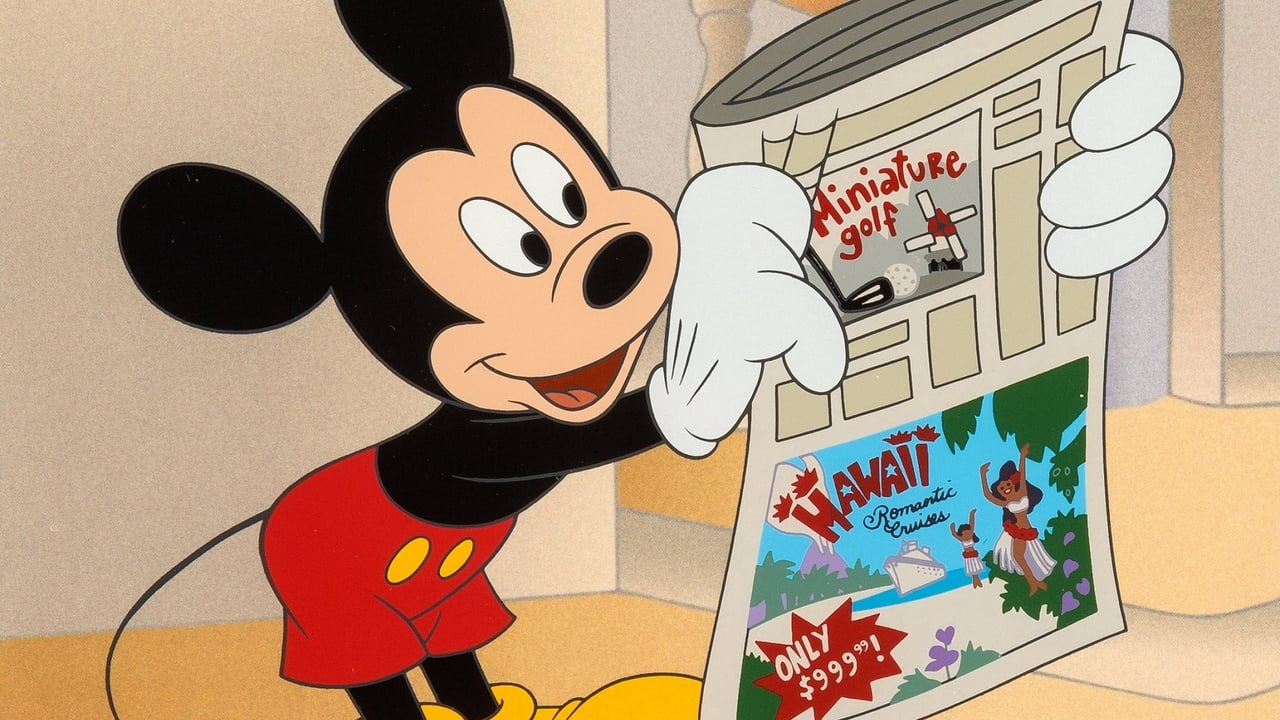
Right from the jump, Runaway Brain signals it's playing a different game. Mickey (Wayne Allwine, the official voice for decades) is desperate. He forgot his anniversary with Minnie (Russi Taylor, perfectly capturing her blend of sweetness and exasperation) and needs cash fast for a trip to Hawaii. His solution? Answering a suspiciously specific classified ad: "Work for a mindless creature." This leads him to the gothic laboratory of the bizarre Dr. Frankenollie – voiced with sinister relish by none other than Kelsey Grammer (yes, Frasier Crane himself!). Grammer brings a perfect touch of madcap theatricality to the role, making the eccentric scientist instantly memorable. The setup alone feels like something ripped from a darker, edgier animation playbook than standard Disney fare of the era.
### Manic Mayhem Unleashed
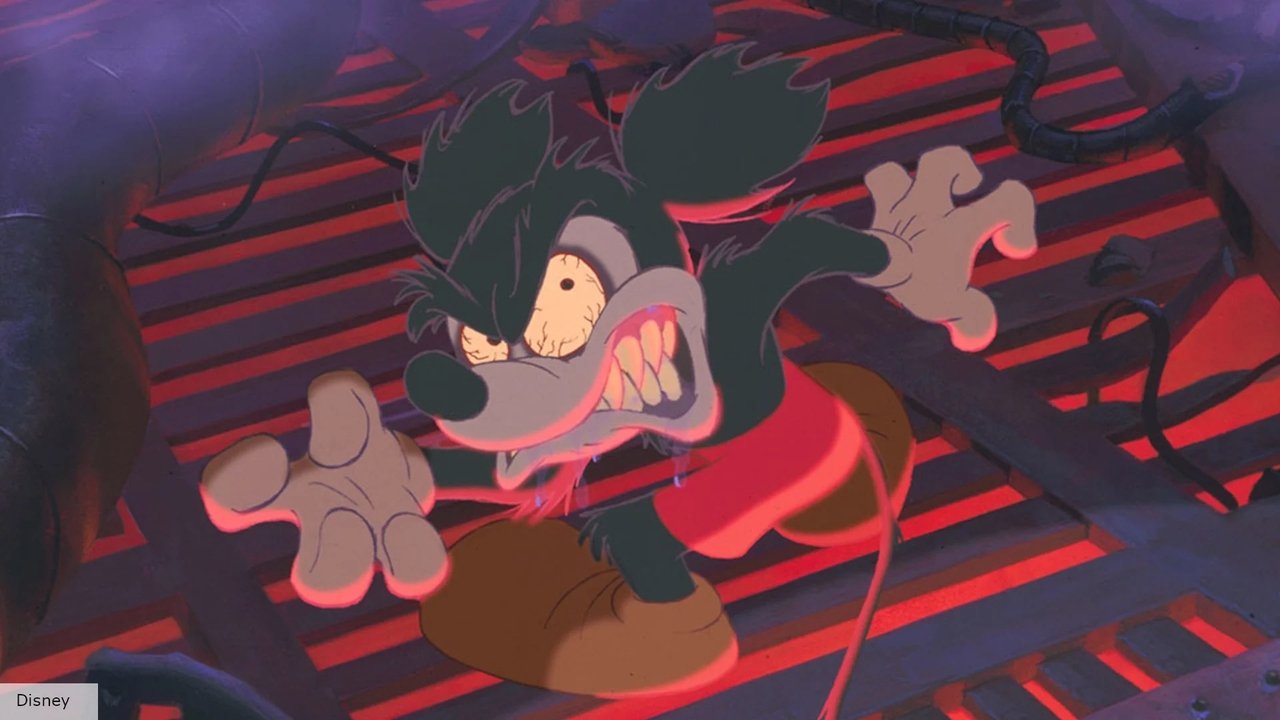
What follows is a high-octane brain-swap scenario that would feel right at home in a classic Looney Tunes short, albeit filtered through a distinctly mid-90s, almost Ren & Stimpy-esque lens. Mickey's mind ends up in the hulking body of Frankenollie's monstrous creation, Julius (a creature clearly visually inspired by Pete, but infused with Frankenstein's monster vibes), while Julius's primal consciousness takes over Mickey's iconic form. The result? A monstrous, drooling, genuinely menacing Mickey rampaging through town, lusting after Minnie... or rather, a picture of her in Mickey’s wallet. Meanwhile, the real Mickey, trapped in Julius's body, desperately tries to stop the chaos and save his girl.
The animation, supervised by director Chris Bailey (who cut his teeth as an animator on the groundbreaking Who Framed Roger Rabbit), is deliberately pushed to extremes. Characters squash, stretch, and zip across the screen with relentless energy. The monstrous Mickey design is particularly jarring and effective – those jagged teeth and wild eyes are a far cry from the button-nosed charmer we usually see. It’s a visual jolt, designed to be both funny and slightly unsettling, and it absolutely succeeds. This wasn't just different for Disney; it felt like a conscious, albeit brief, swerve into weirder territory.
### Retro Fun Facts: A Short Shrouded in Oddity
The history of Runaway Brain is almost as interesting as the short itself. It premiered theatrically in North America attached to the rather forgettable Disney live-action film A Kid in King Arthur's Court (1995), and later The Big Green in some markets. Imagine families settling in for medieval mishaps or underdog soccer triumphs and getting this seven-minute dose of animated anarchy beforehand! It certainly caused a stir, with some finding the monstrous Mickey depiction a step too far. It lost the Oscar to the utterly charming Wallace & Gromit: A Close Shave, which feels fitting in retrospect – Runaway Brain was perhaps too spiky, too weird for mainstream awards glory, despite its technical excellence. Its subsequent appearances on home video were sporadic, often relegated to obscure compilations or international releases, adding to its cult status among animation buffs. For many who saw it back then, it might exist only as a fragmented memory, maybe caught on a fuzzy VHS recording taped off a Disney Channel broadcast late one night.
### Why This Brain Still Runs
Despite, or perhaps because of, its oddity, Runaway Brain holds up as a fascinating piece of animation history. It’s a testament to the versatility of Disney's most famous character and the studio's willingness (at least occasionally) to push creative boundaries. The sheer energy is infectious, the gags are fast and furious, and Kelsey Grammer's vocal performance is a standout. Seeing Mickey Mouse rendered as a slobbering brute is a novelty that hasn't worn off, and the frantic chase sequences are expertly timed. It’s a short that doesn't overstay its welcome, delivering a concentrated blast of manic energy that leaves you slightly breathless. It perfectly captures that feeling of discovering something unexpected and delightfully strange on the shelves of the old video store – a tape that promised familiar characters but delivered something wildly different.
VHS Heaven Rating: 8/10
The rating reflects its high-energy animation, unique premise within the Disney canon, standout voice work (especially Grammer), and sheer memorable weirdness. It's docked slightly simply because its relentless pace and jarring character design might not be for every Mickey fan, and its brevity leaves you wanting perhaps just a little more.
Final Thought: Runaway Brain is like finding that rare candy bar you loved as a kid but can barely locate anymore – a short, intense burst of flavour that’s both nostalgic and surprisingly potent. A must-see for animation adventurers willing to see a familiar face run wonderfully wild.