Alright, fellow tapeheads, let's rewind to a slightly different corner of the video store today. Forget the exploding helicopters and high-kicking heroes for a moment. Remember browsing past the usual action fare, maybe venturing into that slightly intimidating 'World Cinema' section, and stumbling upon a brightly coloured box with a title that didn't quite translate? Sometimes, those were the real treasures. And nestled amongst them, particularly towards the tail end of our beloved VHS era, was a French film that delivered comedic explosions of a different, altogether more excruciatingly funny kind: Francis Veber's 1998 masterpiece, The Dinner Game (or Le Dîner de Cons, its glorious original title).
### The Cruelest Intentions, The Funniest Results
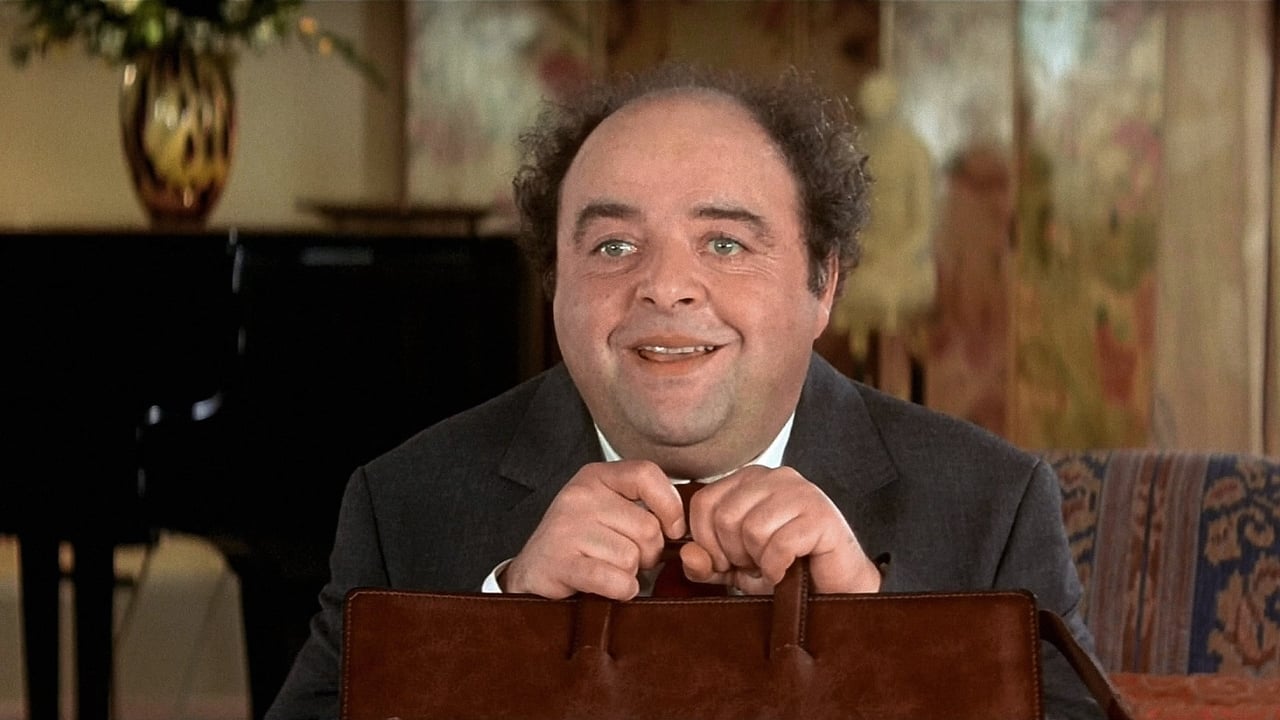
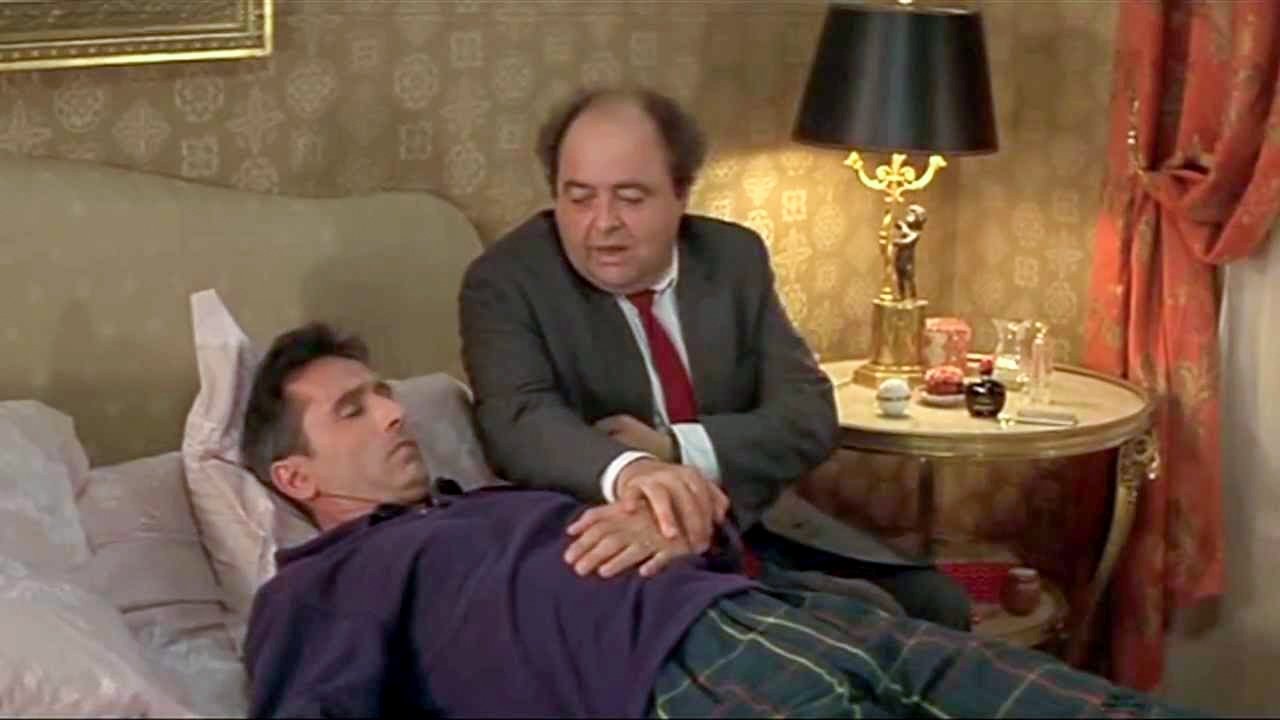
The setup is deliciously mean, the kind of high-concept pitch that feels instantly compelling. A group of smug, wealthy Parisian intellectuals holds a weekly dinner party where each attendee must bring along an unsuspecting idiot – a "con" – for everyone else to subtly ridicule throughout the evening. The prize goes to whoever brings the most spectacular buffoon. Our central snob, Pierre Brochant (Thierry Lhermitte, oozing sophisticated condescension), thinks he's hit the jackpot with François Pignon (Jacques Villeret), a lowly accountant whose obsessive hobby is building intricate models out of matchsticks. Brochant can barely contain his glee. But before the dinner can even happen, a wrenched back leaves Brochant incapacitated at home, reliant solely on the 'help' of the idiot he planned to mock.
What follows isn't action in the traditional sense, no car chases here (though Pignon does manage to cause vehicular chaos remotely). Instead, we get a masterclass in escalating farce, confined mostly to Brochant's chic apartment. This film is built on Francis Veber’s clockwork precision scripting, honed from his own phenomenally successful stage play of the same name. Interestingly, Jacques Villeret had already embodied Pignon on stage for years, stepping into the film role with a lived-in perfection that feels utterly authentic. You can almost feel the theatrical DNA – the perfectly timed entrances and exits (or near-exits), the agonizing misunderstandings piling up like a Jenga tower about to collapse.
### The Pignon Effect: A Symphony of Disaster
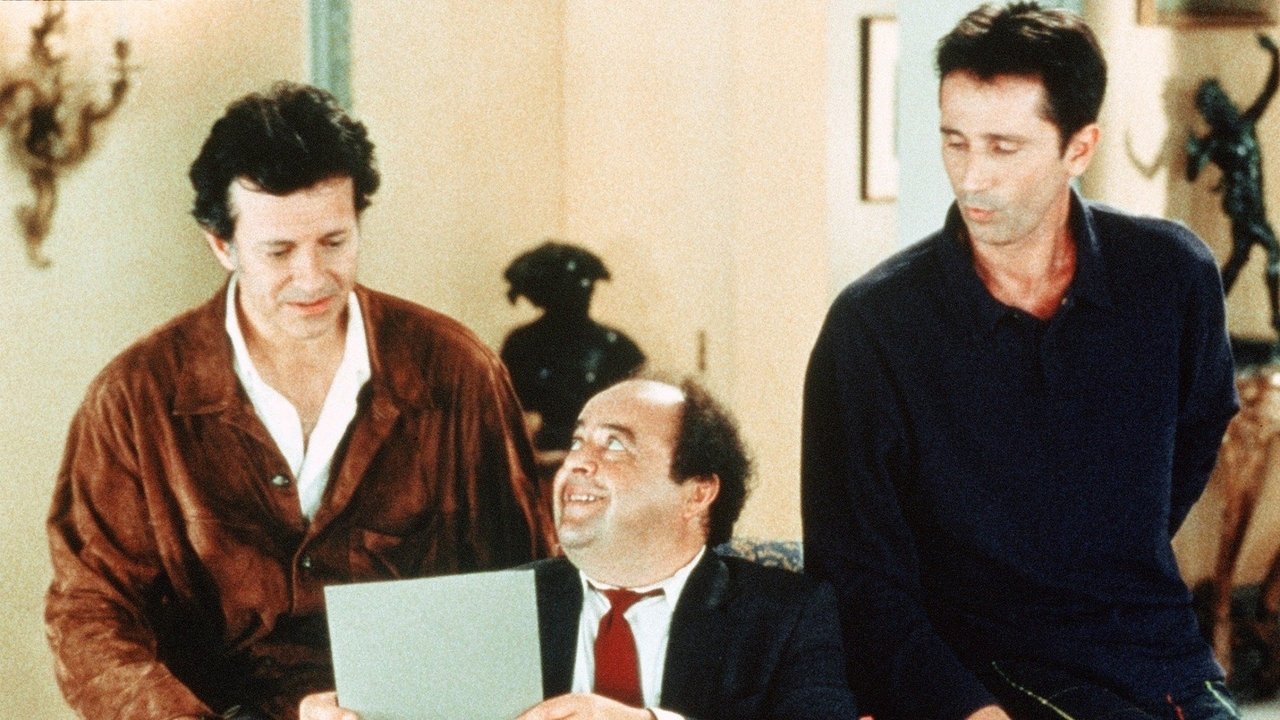
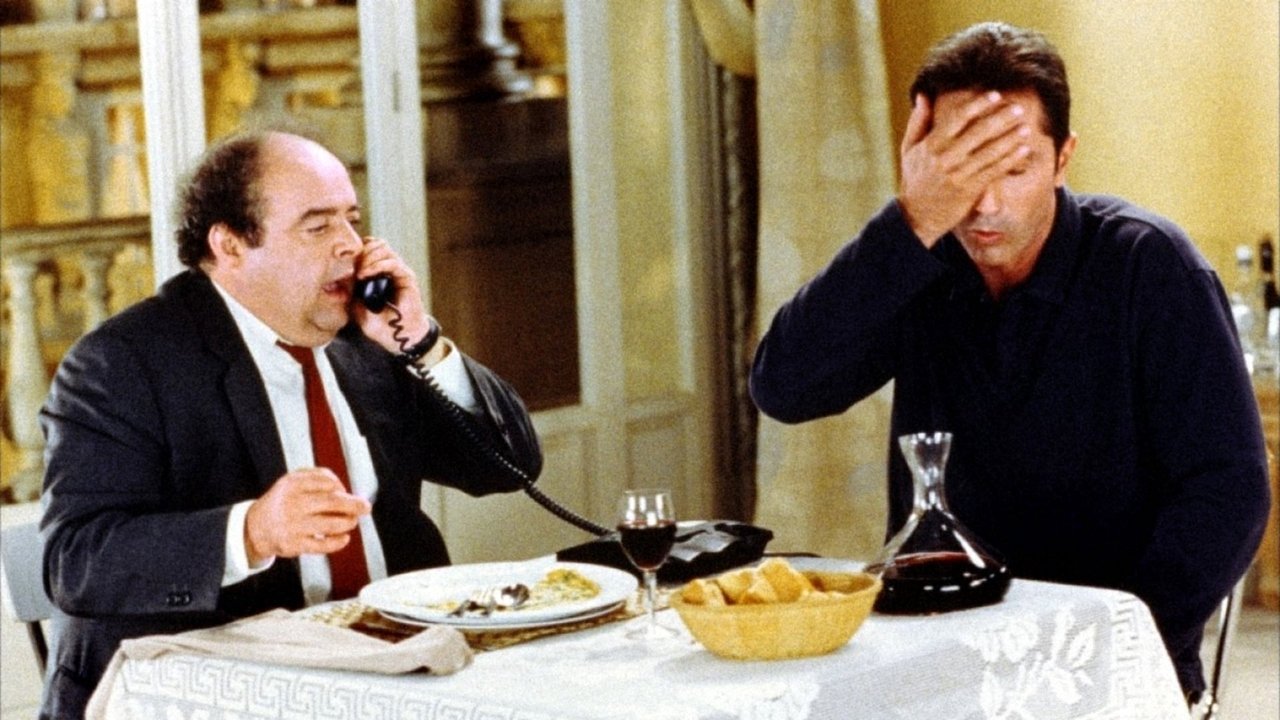
Jacques Villeret's performance as Pignon is the stuff of legend, and rightly earned him a César Award (the French Oscar). He’s not playing Pignon as stupid, but rather as earnest, oblivious, and cripplingly eager to please. His attempts to 'help' Brochant navigate a marital crisis, tax troubles, and mounting physical pain are a symphony of unintentional destruction. Every phone call he makes, every piece of advice he offers, every well-meaning action spirals wildly out of control, systematically dismantling Brochant’s carefully curated life. Remember the sheer agony of watching Pignon try to handle Brochant's mistress, or mistakenly summon the vengeful tax inspector Just Leblanc (played with brilliant deadpan menace by Francis Huster)? It's comedy born from sheer, unadulterated cringe, performed with breathtaking skill.
Thierry Lhermitte, often known for broader comedy roles in France (part of the Le Splendid troupe, like in Les Bronzés), is pitch-perfect here as the increasingly exasperated straight man. His mounting frustration, pain, and disbelief mirror our own, making Pignon's accidental demolition job even funnier. The genius lies in how Veber subtly shifts our sympathies. We start out aligned with the sophisticated Brochant, perhaps even chuckling at Pignon, but as Brochant’s smug cruelty is peeled back and Pignon’s fundamental kindness (however disastrous) shines through, the tables turn magnificently.
### From Stage Success to Screen Gem
This wasn't some obscure art-house flick; Le Dîner de Cons was a massive hit in France, becoming one of the highest-grossing French films of its time. It swept the Césars, winning Best Actor for Villeret, Best Supporting Actor for the hilarious Daniel Prévost (as Pignon's equally nerdy friend Cheval), and Best Screenplay for Veber. It’s a testament to how a simple premise, brilliantly executed with sharp dialogue and flawless performances, can resonate so powerfully. Forget CGI-laden spectacles; the 'special effect' here is Villeret’s face crumpling with misplaced sincerity, or Lhermitte’s eyes bulging in impotent rage. It’s a reminder of how potent character-driven comedy, rooted in universal human awkwardness, can be.
Sure, some might point to the rather cruel premise as dated, but the film expertly uses it to expose the emptiness of Brochant and his friends, ultimately championing the underdog, however unintentionally destructive he might be. And yes, Hollywood inevitably tried its hand with Dinner for Schmucks (2010), but while that film had its moments, it lacked the surgical precision, the nuanced performances, and the sheer Gallic wit of Veber's original. Finding this tape felt like discovering a secret handshake into sophisticated, hilarious cinema.
### The Verdict
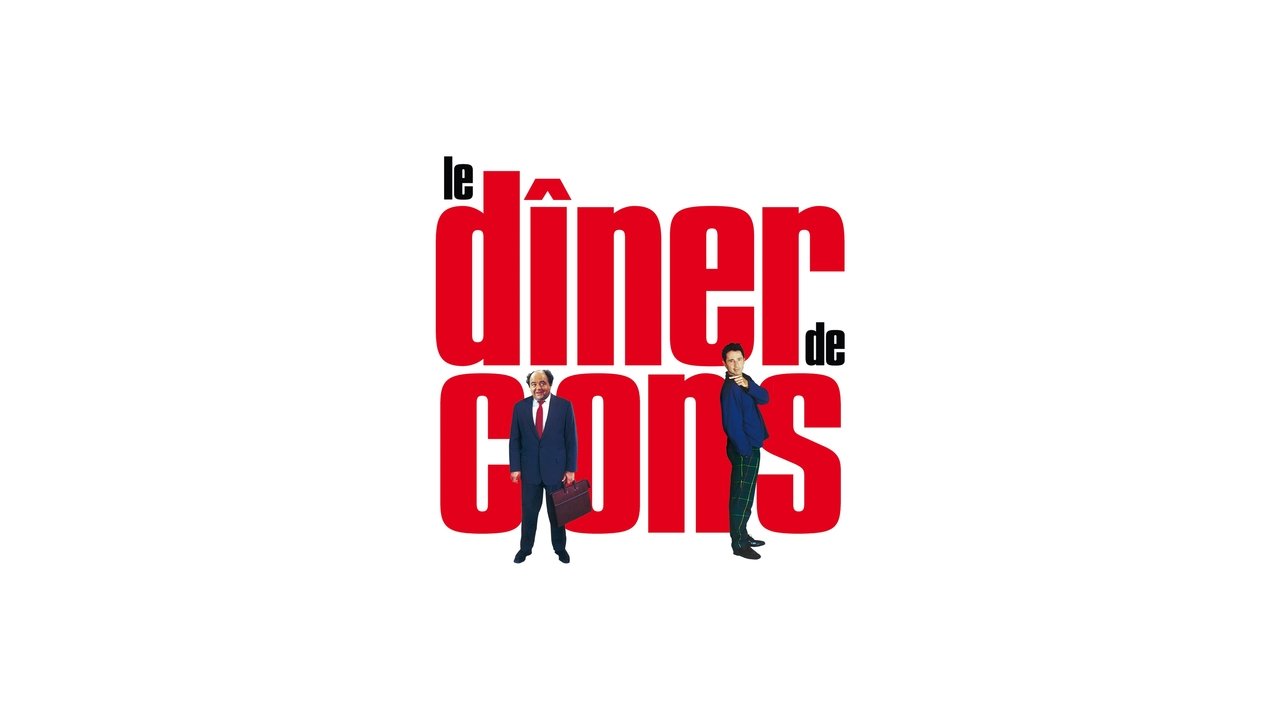
The Dinner Game is more than just a funny movie; it's a perfectly constructed comedic engine. It takes a simple, almost cruel idea and spins it into 80 minutes of pure, unadulterated farce, driven by career-defining performances and a script tighter than Brochant's clenched jaw. It might lack the pyrotechnics we often crave from the era, but the comedic explosions are just as impactful, leaving you breathless with laughter and perhaps a touch of sympathetic agony. It’s a film that proves dialogue can be as dynamic as a car chase, and social awkwardness can be more intense than a ticking bomb.
Rating: 9/10 - A near-flawless execution of comedic premise, elevated by legendary performances. The slightly mean-spirited setup prevents a perfect score, but the craft is undeniable.
Final Thought: Forget the schmucks; this is the original, expertly prepared dish of disaster comedy, still deliciously sharp and excruciatingly funny today. A must-find for anyone who appreciates comedic craftsmanship.