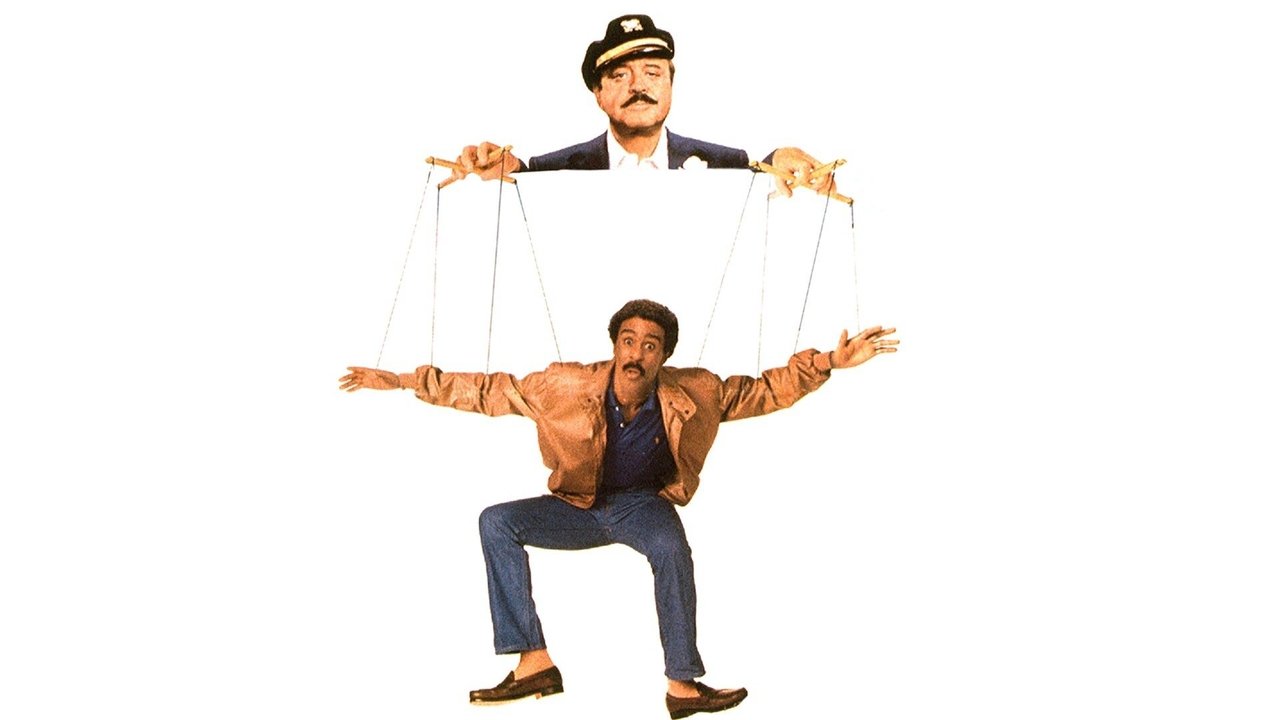
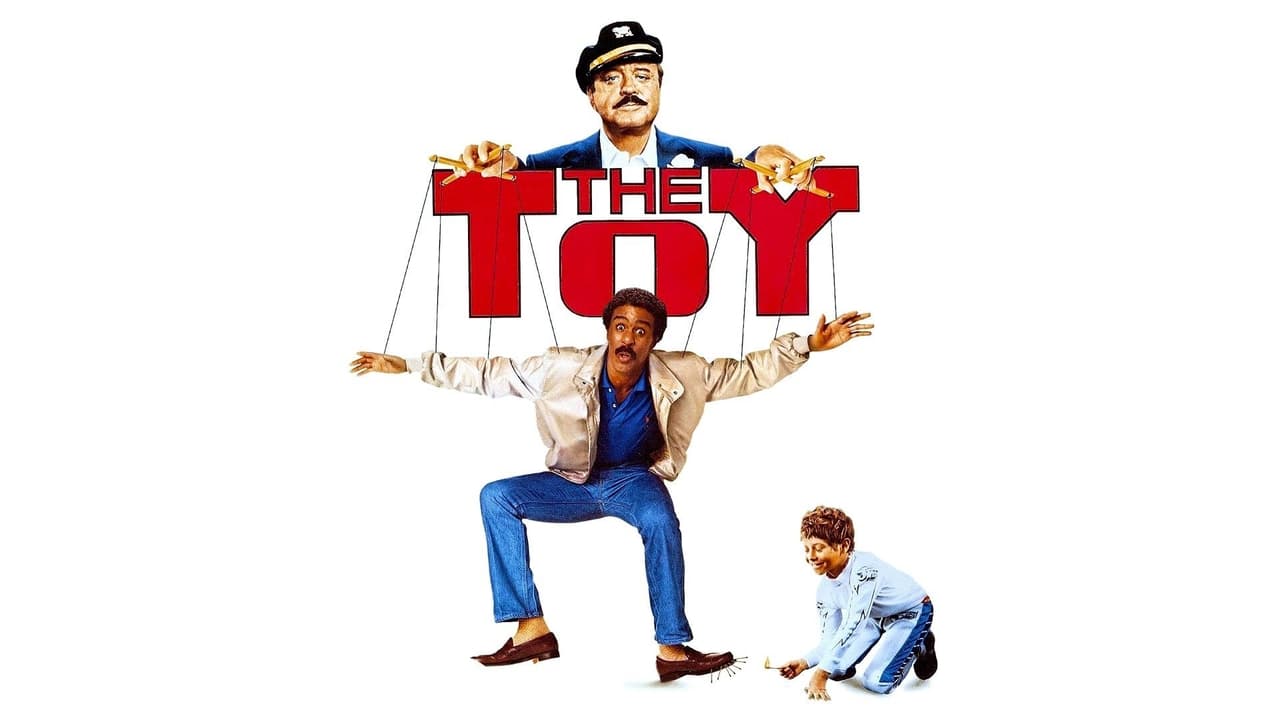
Okay, let's be honest right upfront: the central premise of 1982's The Toy is the kind of thing that makes you do a double-take today. A wealthy, ruthless tycoon "buys" a struggling journalist to be a human plaything for his spoiled son? Yeah, it lands differently now. But back in the hazy days of Blockbuster aisles and rabbit-ear antennas, this high-concept comedy felt less like a cringe-inducing HR violation waiting to happen and more like a fascinating, slightly bizarre vehicle for two absolute titans of comedy: Richard Pryor and Jackie Gleason. And seeing those names side-by-side on the clamshell case? That was often enough to guarantee a rental.
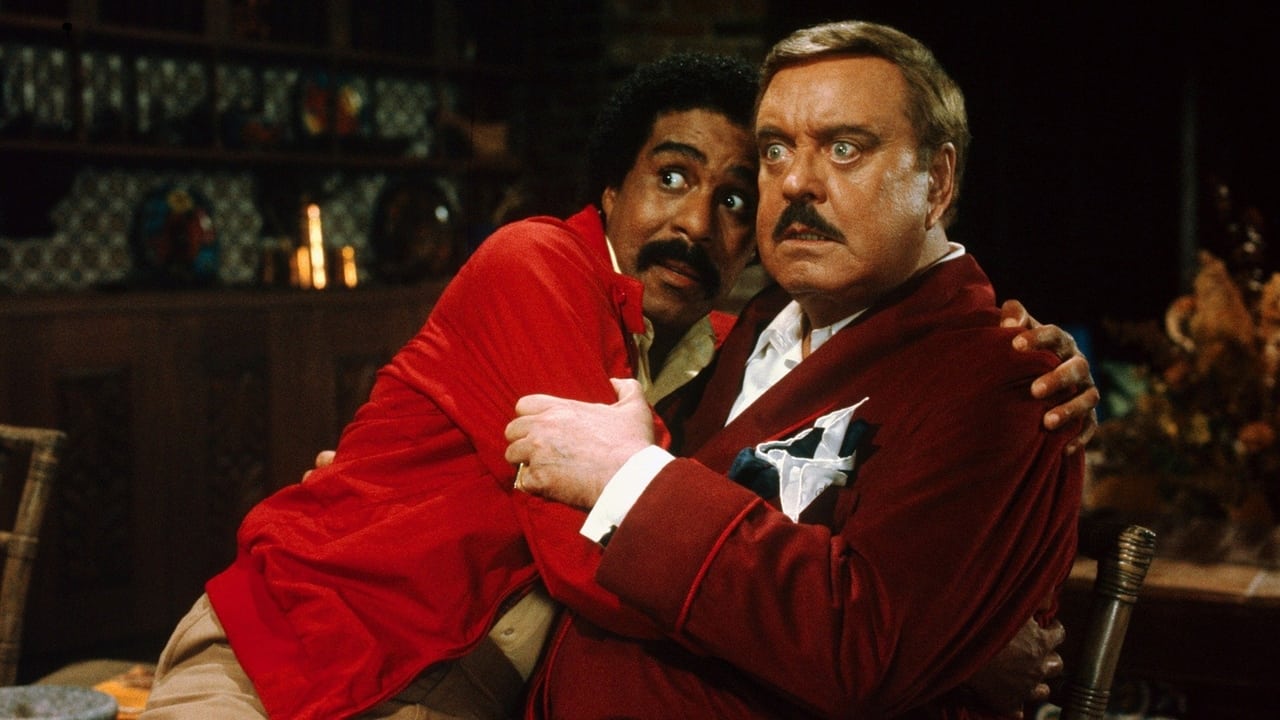
Directed by Richard Donner – a fascinating choice, sandwiched between the soaring heights of Superman (1978) and the buddy-cop brilliance of Lethal Weapon (1987) – The Toy feels like a curious detour. It's an American adaptation of a 1976 French film, Le Jouet, directed by Francis Veber (who'd later give us gems like La Chèvre and Les Compères). The transition to American sensibilities, handled by screenwriter Carol Sobieski (who also penned the poignant Fried Green Tomatoes), definitely shifts the tone, aiming for broader laughs alongside moments that try, sometimes awkwardly, to find some heart.
### When Comedy Worlds Collide
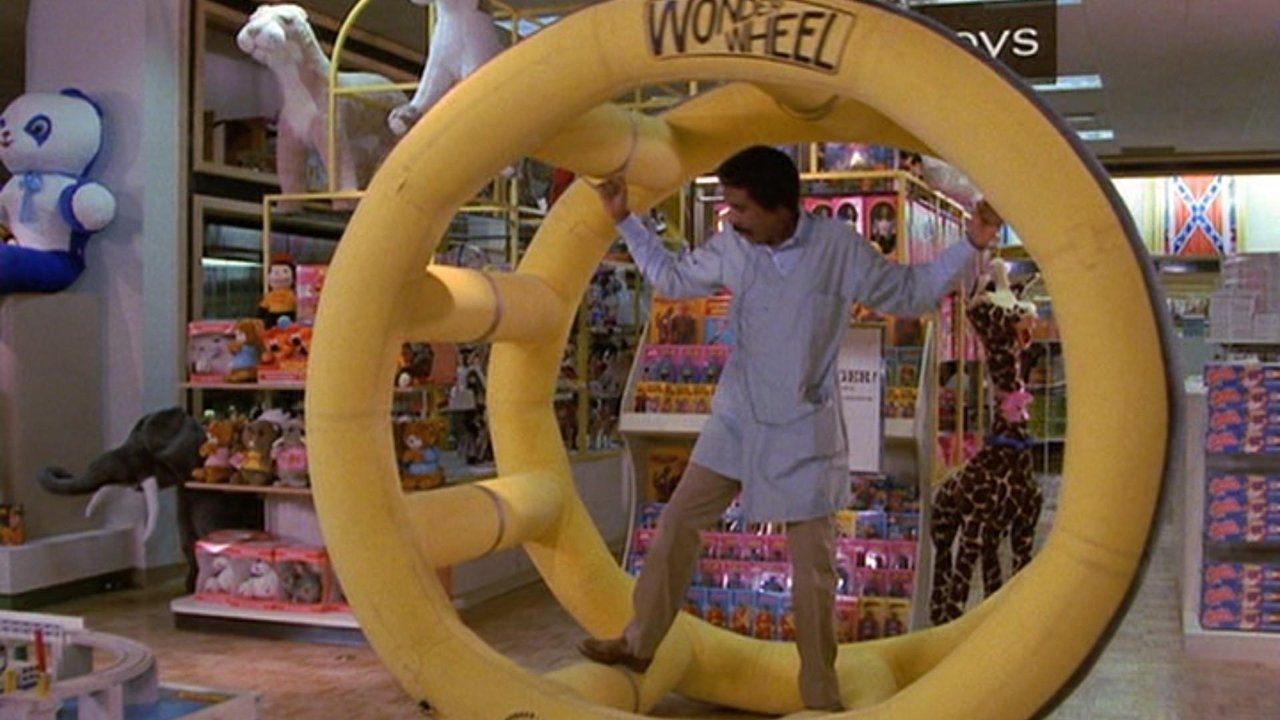
The film’s main draw, undoubtedly, was the pairing of Pryor and Gleason. Richard Pryor, arguably the most influential stand-up comedian of his generation, plays Jack Brown, the aforementioned journalist desperate enough to take the demeaning gig. Pryor brings his signature vulnerability and manic energy, finding moments of genuine pathos amidst the absurdity. You feel his humiliation, his flashes of anger, and eventually, his growing connection with the lonely child, Eric Bates (Scott Schwartz). Watching Pryor navigate the physical comedy – being literally gift-wrapped, enduring indignities in a giant toy store – is often hilarious, powered by his sheer commitment.
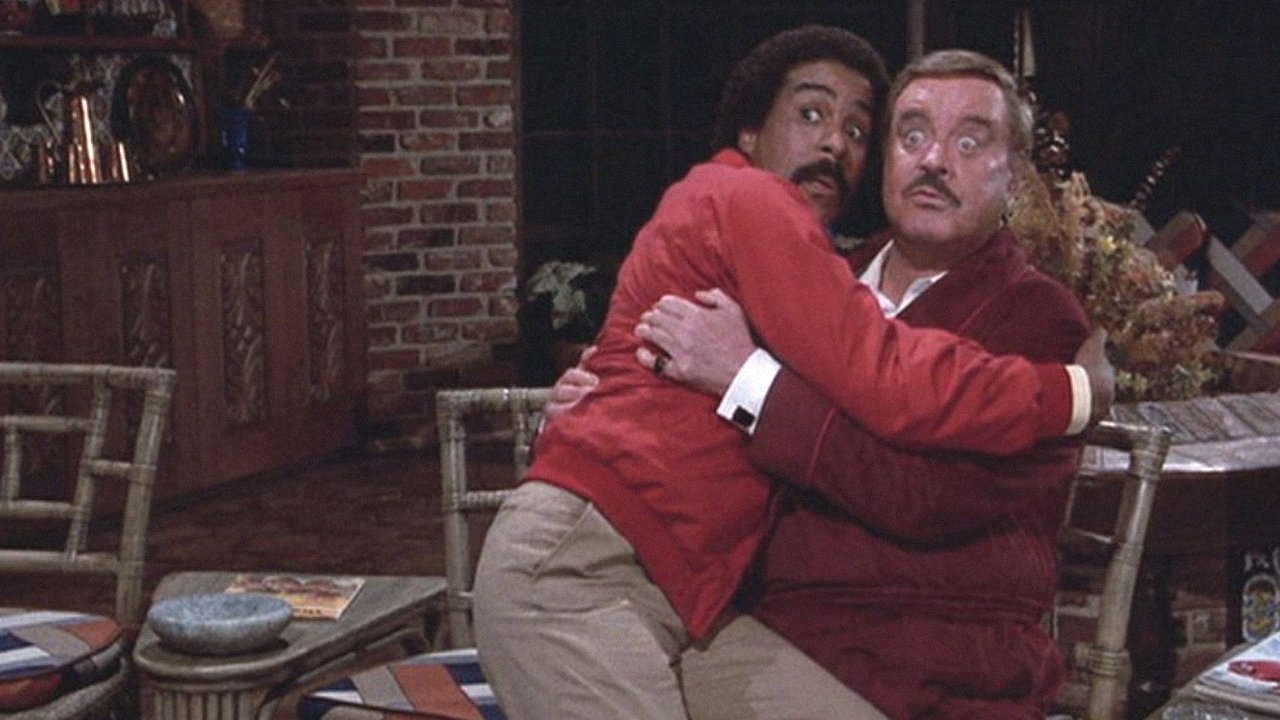
Opposite him, Jackie Gleason bellows and blusters as the obscenely wealthy U.S. Bates. It's a role tailor-made for Gleason's larger-than-life persona, essentially an amplified version of his iconic Ralph Kramden, but with billions of dollars and zero self-awareness. Gleason delivers lines like "I bought you!" with the casual arrogance only he could muster. The scenes where Pryor and Gleason square off crackle with a unique energy, a clash between Pryor’s simmering frustration and Gleason’s immovable force-of-nature personality. Reliable character actor Ned Beatty also shines as Bates' perpetually exasperated right-hand man, Mr. Morehouse, often acting as the audience's surrogate, reacting with disbelief to the unfolding chaos.
### More Than Just Playtime?
While structured as a comedy, The Toy occasionally reaches for something more. It touches on themes of loneliness, class disparity, and the soullessness of extreme wealth. Eric isn't just spoiled; he's profoundly lonely, using outrageous behavior as a shield. Jack, initially just enduring the situation for a paycheck, starts to see the boy behind the brat. Their developing bond forms the movie's emotional core, even if the path there involves some questionable slapstick and ethical quandaries. Donner, known more for action and spectacle, handles the comedic set pieces competently, particularly the chaotic scenes within the Bates mansion and the giant department store owned by Bates. You can almost feel the director searching for the right balance between the French original's sharper satire and the broader demands of an American studio comedy starring two massive stars.
### Retro Fun Facts
The journey of The Toy to the screen is interesting in itself. The film was produced by Ray Stark, a Hollywood power player, and reportedly had a budget around $20 million – quite substantial for a comedy in 1982. While it eventually grossed over $47 million domestically (roughly $145 million today adjusted for inflation), making it profitable, it wasn't the runaway smash some might have expected given its star power. Critical reception at the time was decidedly mixed, with many finding the premise uncomfortable even then (it holds a 3.6/10 on IMDb and a dismal 4% critic score on Rotten Tomatoes, though the audience score is a much warmer 60%). Pryor himself was reportedly unhappy with the final product, feeling it leaned too heavily on slapstick over substance. It’s also a remake, as mentioned, of Francis Veber’s Le Jouet – a film with a distinctly more satirical and biting edge compared to its American counterpart. Veber was even initially attached to direct the remake before Donner stepped in.
### The Verdict on This Vintage Plaything
Watching The Toy today is a peculiar experience. The premise remains problematic, and the tone wobbles between silly comedy and attempts at genuine emotion. Some of the gags haven't aged particularly well. Yet... there's an undeniable charm in seeing Pryor and Gleason together, two comedic legends sharing the screen. Pryor’s performance, even in a film he disliked, has moments of brilliance, and the sheer 80s-ness of it all – the conspicuous consumption, the slightly off-kilter moral compass – holds a certain nostalgic fascination. It's a film you remember, maybe not entirely fondly, but definitely vividly. It’s a conversation starter, that’s for sure. Is it a great film? No. Is it a fascinating artifact of its time starring two icons? Absolutely.
VHS Heaven Rating: 5/10
Justification: The rating reflects the undeniable star power and comedic chemistry of Pryor and Gleason, alongside some genuinely funny moments and a strong dose of 80s nostalgia. However, it's significantly held back by its deeply uncomfortable central premise, uneven tone, and jokes that often miss the mark or haven't aged well. It earns points for ambition and its lead performances but loses significant ground on execution and concept.
Final Thought: Like finding an old, slightly weird toy in the attic, The Toy might make you chuckle and cringe in equal measure, but it’s a hard-to-forget piece of 80s cinematic furniture, powered by two giants who deserved a better playground.