There's a certain quiet magic held within some films, a gentle current that pulls you into a world so completely realised, yet so fundamentally simple, that it feels less like watching a story and more like revisiting a half-remembered dream. Jean Becker's The Children of the Marshland (original title: Les Enfants du Marais), released just as the millennium turned in 1999, is precisely such a film. It doesn't shout its themes or rely on grand spectacle; instead, it whispers of enduring friendship, the quiet dignity of a life lived close to nature, and the bittersweet passage of time, all set against the backdrop of the sun-dappled marshes of the Loire Valley in the interwar years. Discovering this on a rental shelf, perhaps nestled between louder, more action-packed fare, felt like uncovering a small treasure.
Life by the Water's Edge
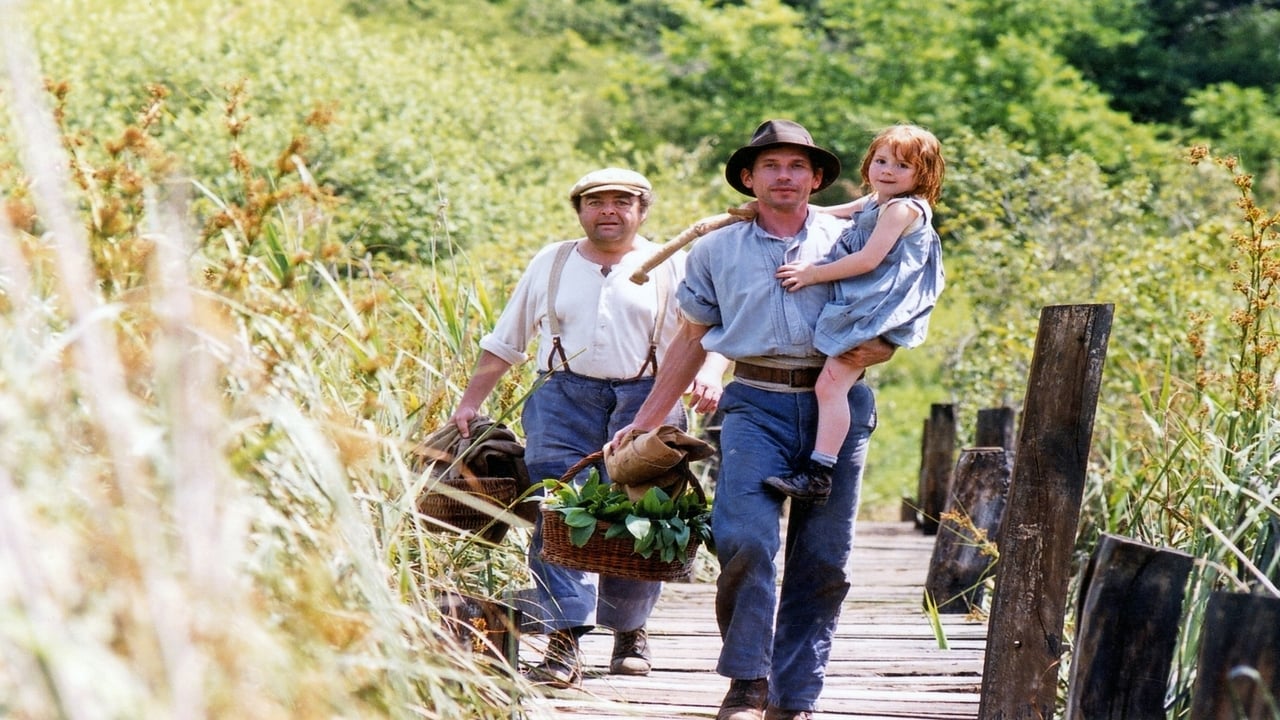
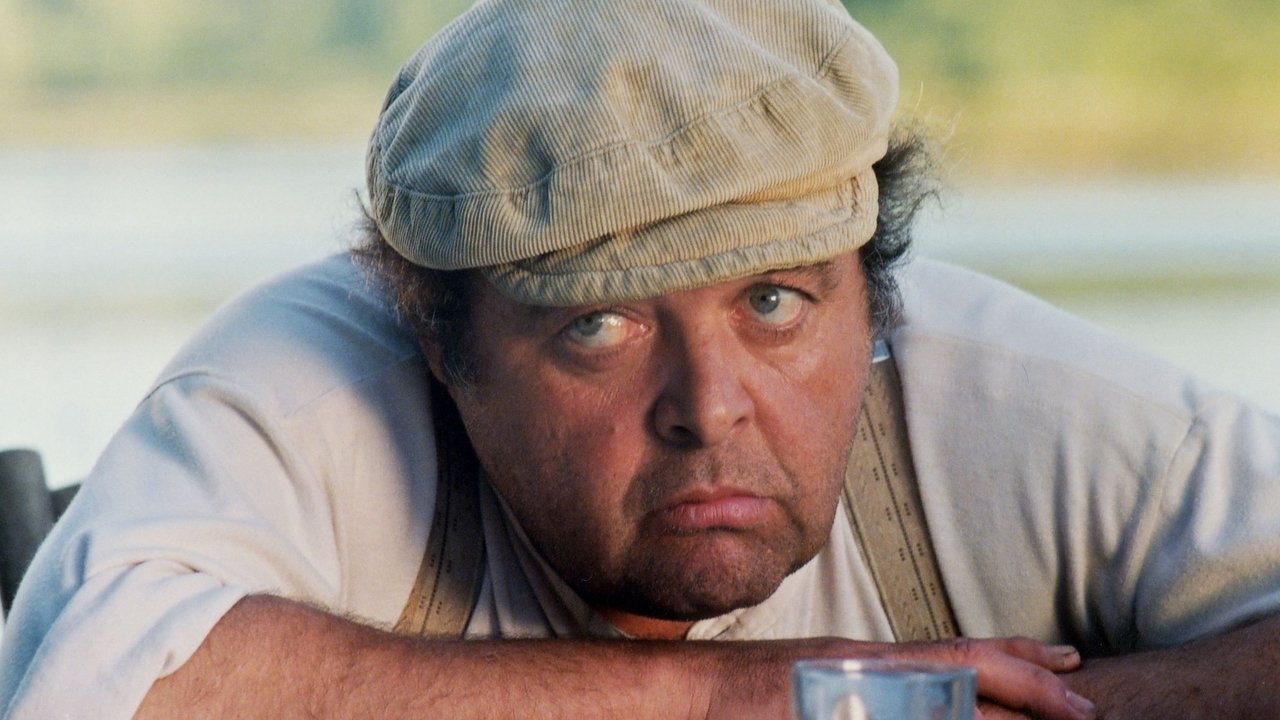
At the heart of this beautifully observed film are two men seemingly adrift from the main currents of society, yet deeply anchored to each other and their marshland home. Garris (Jacques Gamblin) is a pragmatic and resourceful soul, a veteran of the Great War who carries his experiences quietly. He finds solace and sustenance in the rhythms of the marsh, gathering snails and frogs, fixing things, and looking out for his friend, Riton. Riton (Jacques Villeret) is his counterpoint – softer, gentler, perhaps a little slower, haunted by the memory of a lost love and saddled with a perpetually disgruntled wife and three boisterous children. Their bond is the film's undeniable core. Gamblin portrays Garris with a watchful intelligence and understated warmth, while Villeret, in one of his most affecting roles shortly before his untimely passing, embodies Riton's vulnerability and fundamental decency with heartbreaking authenticity. Their chemistry isn't just believable; it feels lived-in, forged through shared struggles, simple joys, and the quiet understanding that passes between true friends. Watching them navigate their modest existence – patching leaky roofs, sharing meagre meals, finding moments of laughter amidst hardship – is profoundly moving.
A Tapestry of Characters and Changing Times
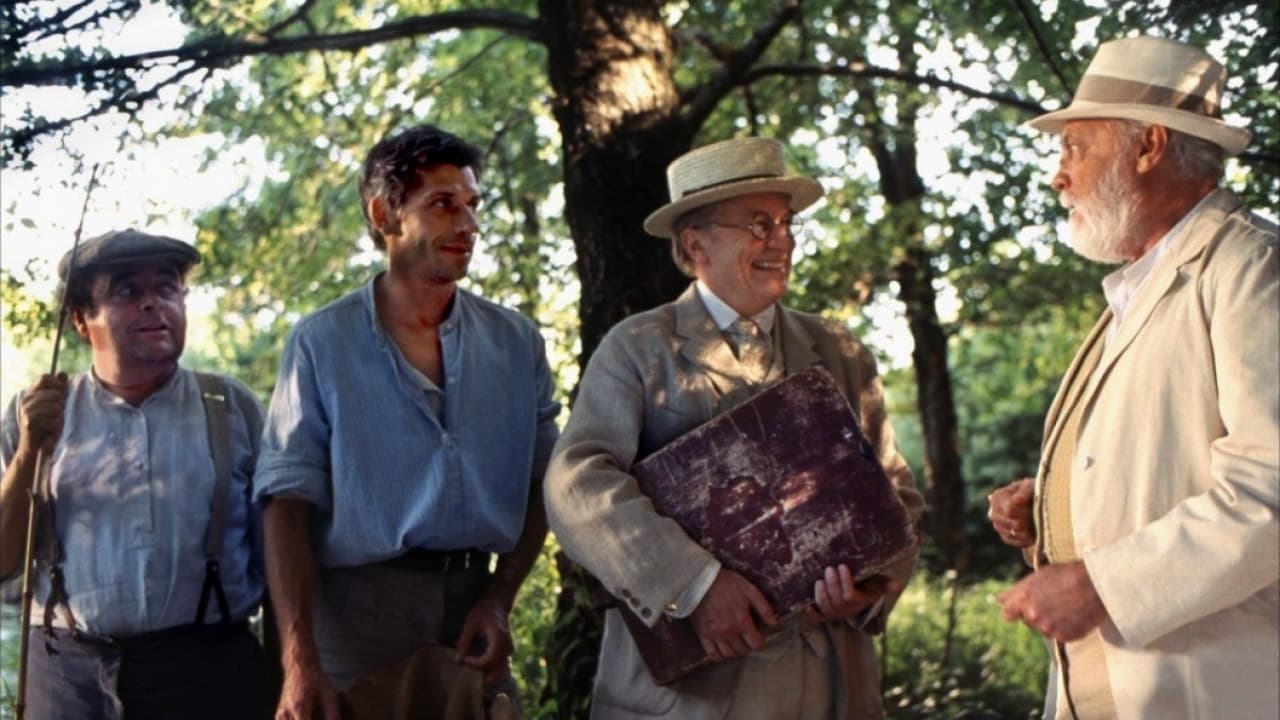
Director Jean Becker, son of the legendary Jacques Becker and known for his affectionate portrayals of French provincial life (One Deadly Summer, Elisa), guides the narrative with a patient, observant hand. Adapted by the great novelist and screenwriter Sébastien Japrisot (A Very Long Engagement) from Georges Montforez's novel, the film populates the marshland periphery with a memorable cast of characters who drift in and out of Garris and Riton's lives. There's Amédée (André Dussollier, who won a César Award for his performance), a cultured, wealthy man who finds intellectual companionship and perhaps a glimpse of a more grounded life with Garris. Michel Serrault, another titan of French cinema, brings his inimitable eccentricity to Pépé la Rainette, an old marsh dweller full of folksy wisdom and tall tales. Even former football superstar Éric Cantona makes a surprising and effective appearance as Jo Sardi, a local boxer whose path briefly intersects with our protagonists.
These encounters highlight the film's subtle exploration of class, aspiration, and the slow encroachment of the modern world on this seemingly timeless idyll. The distant hum of industry, the arrival of new technologies, the ripples of economic hardship – all signal that even this secluded corner of France cannot remain untouched forever. Doesn't this gentle depiction of change resonate with the transitions we often witness in our own lives and communities? The film doesn't offer easy answers, but poses quiet questions about what constitutes a 'good' life.
Finding Beauty in the Everyday

What truly elevates The Children of the Marshland is its profound appreciation for the small moments. The dappled sunlight filtering through trees, the croaking chorus of frogs at dusk, the simple pleasure of sharing a bottle of wine – Becker and cinematographer Jean-Marie Dreujou capture the sensory beauty of the natural world with lyrical grace. This isn't just picturesque scenery; it's integral to the characters' existence and the film's soul. It's a reminder, perhaps more potent now than ever, of the richness that can be found away from the relentless pace of modern life.
The film was a significant success in its native France, lauded by critics and audiences alike, yet it might have been a quieter discovery for international viewers browsing the VHS racks. Finding it felt like stumbling upon a secret, a beautifully crafted story that valued character and atmosphere over plot pyrotechnics. It possessed a warmth and humanity that lingered long after the tape stopped whirring. Recalling the specific texture of its world – the slightly worn feel of their clothes, the damp earth smell you could almost imagine – brings back that feeling of comfortable immersion.
A Gentle Masterpiece
The Children of the Marshland is a film that rewards patience. Its pace is unhurried, mirroring the lives it portrays. It finds drama not in manufactured conflict, but in the quiet struggles and triumphs of ordinary people navigating love, loss, and the search for contentment. The performances are universally excellent, grounded in a deeply felt realism. It’s a film about the enduring power of friendship, the beauty of the natural world, and the quiet dignity of lives lived on their own terms.
Rating: 9/10
This score reflects the film's masterful execution, its deeply affecting performances, and its resonant themes. It's a near-perfect evocation of a specific time and place, handled with immense sensitivity and warmth. While its gentle pace might not appeal to everyone, its emotional depth and cinematic grace are undeniable.
The Children of the Marshland remains a poignant reminder that sometimes the most profound stories are found not in the grand narratives, but in the quiet corners of the world, whispered on the breeze blowing across the water. What better definition of a hidden gem from the twilight of the VHS era?