Alright, fellow tape-watchers, let’s dim the lights, ignore that slight tracking fuzz at the bottom of the screen, and pop in a little slice of late-90s European charm that might have bypassed your local Blockbuster back in the day. We’re diving into 1999’s A Fish in Love (or Il pesce innamorato for our purists), a film that absolutely swept Italy off its feet, even if it only made gentle ripples internationally. If you ever stumbled across this one on a dusty import shelf or caught it on a satellite channel late one night, you know there’s a certain warmth here that feels distinctly... well, Italian.
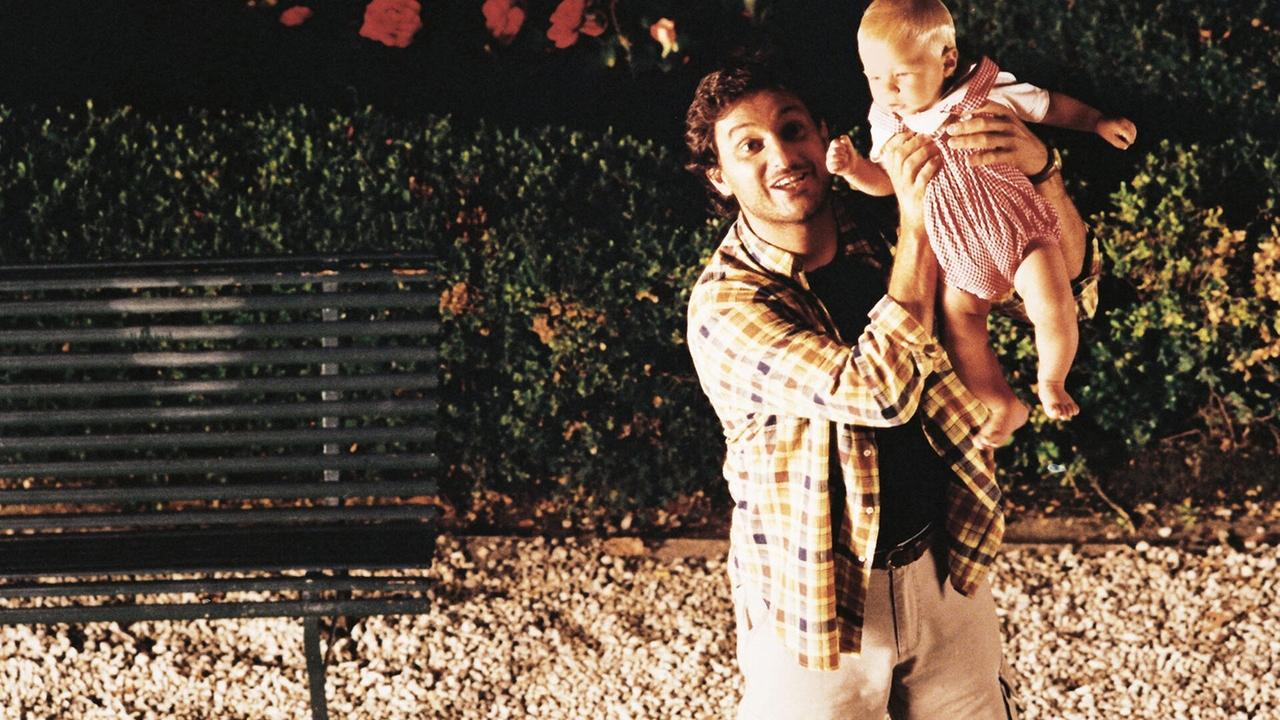
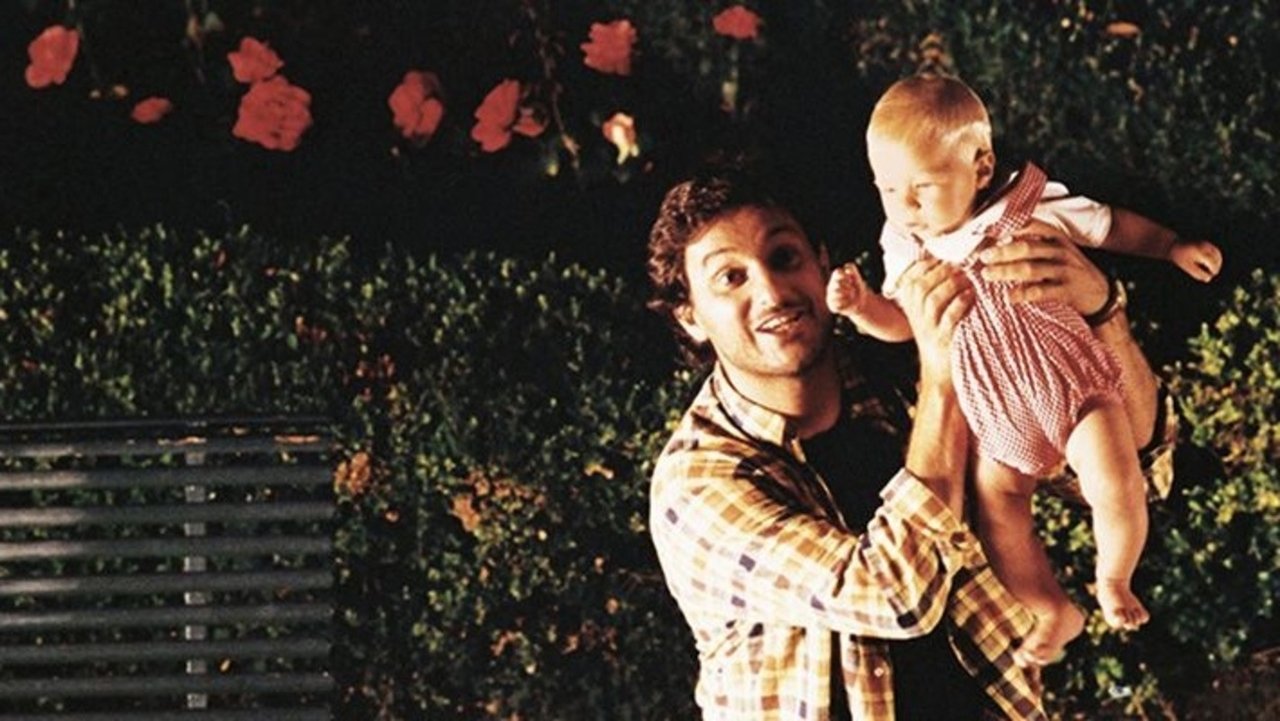
This isn't your typical high-octane VHS Heaven fare, no exploding helicopters or synth-heavy training montages here. Instead, we're firmly in romantic comedy territory, guided by the seemingly unstoppable force of nature that was Leonardo Pieraccioni in 90s Italian cinema. Fresh off the phenomenal success of films like The Cyclone (1996) – seriously, that movie was everywhere in Italy – Pieraccioni writes, directs, and stars here as Arturo, a humble carpenter who pens a children's book, "A Fish in Love," that unexpectedly becomes a global bestseller.
From Workshop Whimsy to Worldwide Wonder
The setup is classic fairytale stuff, sprinkled with that specific Tuscan charm Pieraccioni perfected. Arturo is your quintessential Pieraccioni protagonist: good-natured, a bit bewildered by his sudden fame, and utterly grounded despite the whirlwind. He’s the kind of guy you’d happily share an espresso with. His life turns upside down when his simple story about a fish strikes a chord worldwide, catapulting him into a life of press junkets, literary agents, and, crucially, encounters far outside his small-town Tuscan bubble.
Enter Matilda, played by Argentinian model Yamila Diaz-Rahi in her acting debut. She’s the embodiment of the glamorous life Arturo now inhabits – beautiful, sophisticated, seemingly worlds away from his sawdust-covered existence. It's the classic "ordinary guy meets extraordinary girl" setup, but Pieraccioni gives it a gentle, observational humor. A retro fun fact for you: casting a famous international model like Diaz-Rahi was a pretty standard move for Pieraccioni's films at the time; it played right into that fantasy element of the local boy charming the stunning outsider. It worked wonders for the Italian box office, tapping into a kind of national wish-fulfillment.
Tuscan Charm and Gentle Laughs
What makes A Fish in Love work, much like Pieraccioni's other hits, isn't necessarily groundbreaking plotting. Co-written with frequent collaborator Giovanni Veronesi, the story follows predictable beats. You know where it’s going. But the journey is filled with genuinely funny moments and relatable characters. Pieraccioni has a real knack for capturing the nuances of small-town Italian life and contrasting them with the absurdity of sudden fame. His comedic timing as an actor is spot-on, relying more on reaction and gentle exasperation than broad slapstick.

And let's not forget the supporting cast, often a highlight in Pieraccioni's films. The reliable Paolo Hendel, another regular collaborator, pops up delivering his unique brand of dry wit. These secondary characters ground the film, providing a hilarious chorus to Arturo's romantic and professional escapades. They feel like real people, the kind of eccentric neighbors and friends that make life interesting. Remember how comedies back then often had these wonderful, fleshed-out side characters who stole scenes? This film has that in spades.
While there are no practical effect explosions to marvel at, the production captures the beauty of Tuscany beautifully. The cinematography might not be revolutionary, but it’s warm and inviting, making you feel like you’re right there in the sun-drenched piazzas or cozy workshops. This wasn't a low-budget affair either; riding high on his previous successes, Pieraccioni had the resources to make the film look polished, reflecting Arturo’s journey into a wealthier world. Reports suggest the film grossed somewhere in the region of 30 billion Italian Lire – a testament to Pieraccioni's star power and connection with the Italian audience at the time. That's serious dough, folks!
A Feel-Good Rewind
Look, A Fish in Love isn't going to rewrite the RomCom rulebook. Some might find its formula a bit too familiar, and Diaz-Rahi, while luminous, isn't asked to do much heavy lifting dramatically. But critiquing it solely on those terms misses the point, especially from a VHS Heaven perspective. This film is pure comfort food cinema. It’s sweet without being saccharine, funny without being mean-spirited, and carries an infectious optimism. It captured a specific moment in Italian pop culture, a time when Pieraccioni's brand of gentle, relatable comedy reigned supreme.
Watching it now feels like uncovering a pleasant, slightly faded postcard from 1999. It’s a reminder of a time when a simple story, told with heart and humor, could become a national phenomenon. It lacks the cynicism found in many modern comedies and wears its romantic heart proudly on its sleeve. Did it change cinema? No. Was it a massive hit that perfectly understood its audience? Absolutely.
Rating: 7/10
Why the score? It earns solid points for its genuine charm, Leonardo Pieraccioni's undeniable appeal as the relatable everyman, the authentic Tuscan atmosphere, and moments of truly effective humor. It loses a few points for its predictable plot trajectory and somewhat one-dimensional romantic lead. However, its warmth and status as a massive Italian cultural touchstone of the late 90s make it a worthwhile watch for fans of European comedies or those seeking pure, unadulterated feel-good nostalgia.
Final Take: A Fish in Love is like finding a forgotten mixtape from a trip abroad – maybe not packed with chart-toppers, but full of sunny vibes and guaranteed to leave you smiling. A charming catch from the near-shore waters of late-90s cinema.