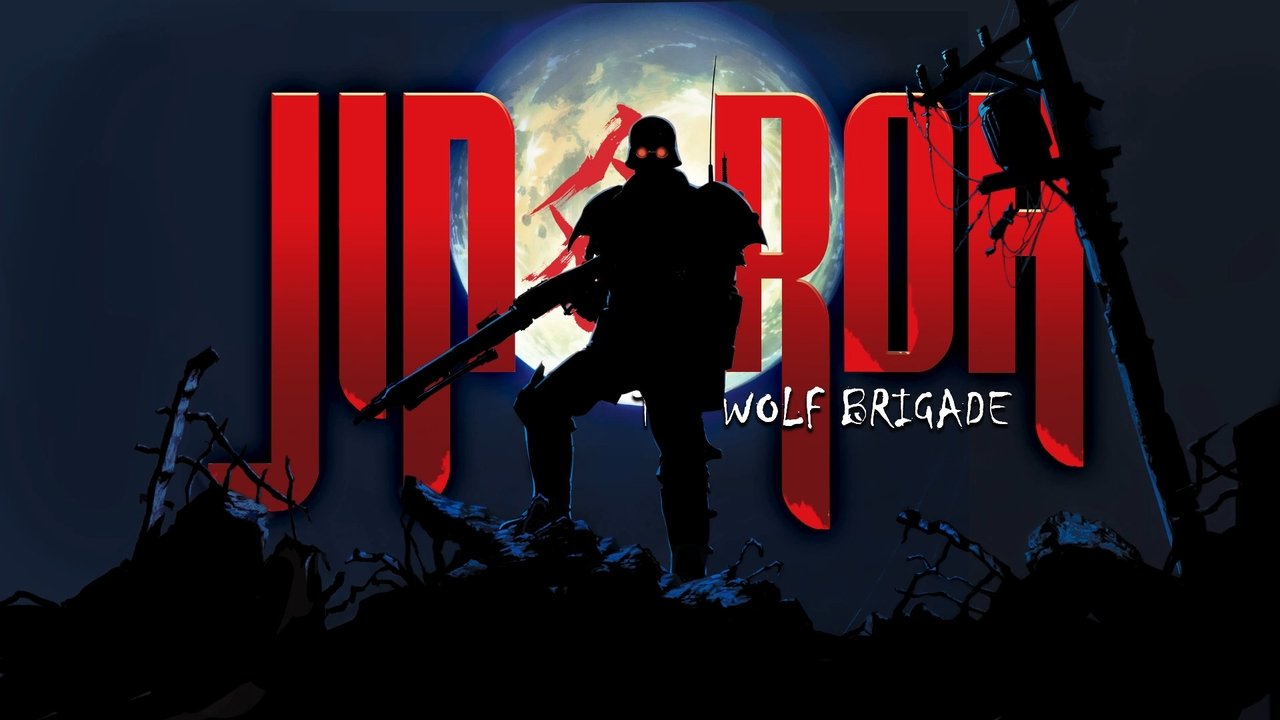
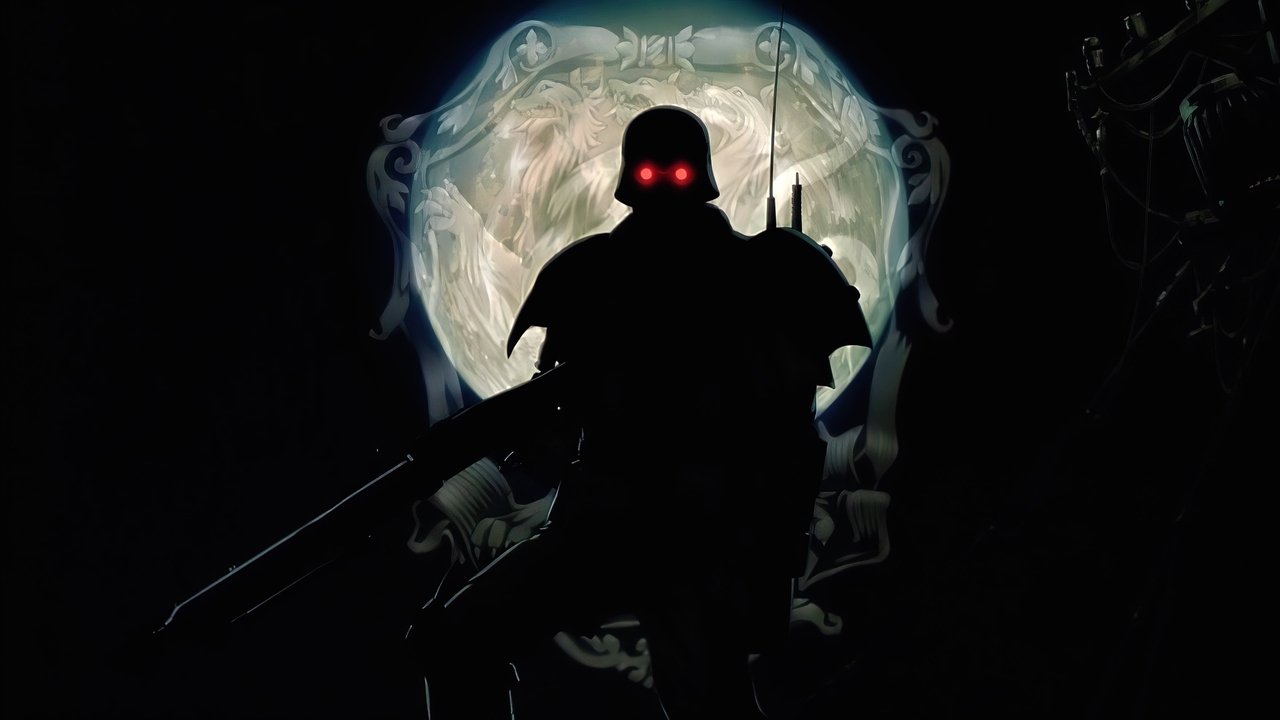
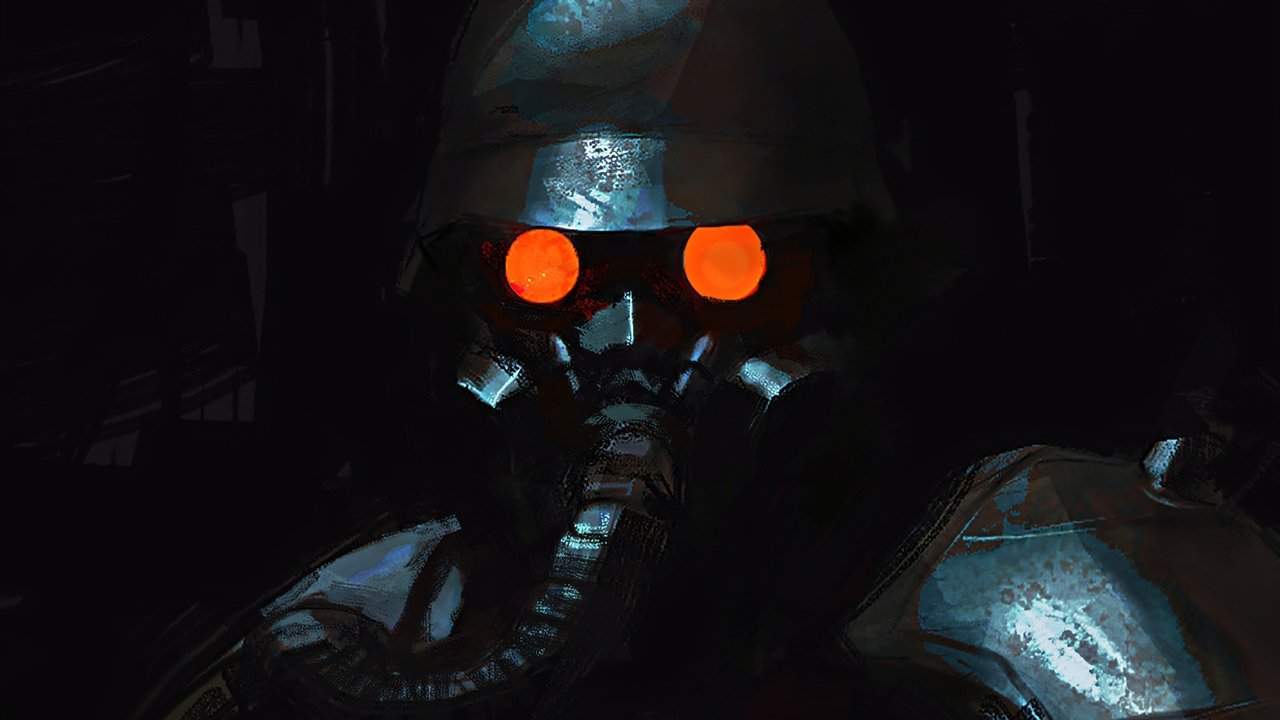
The image burns itself onto your mind: the inhuman silhouette clad in reinforced armor, the glowing red lenses cutting through tear gas haze, the heavy breathing amplified by a respirator. This isn't science fiction spectacle; it's the chilling reality of Mamoru Oshii's alternate history Japan in Jin-Roh: The Wolf Brigade (1999), a film that feels less like watching and more like suffocating under the weight of its oppressive atmosphere. Finding this on a shelf, perhaps tucked away in the 'World Animation' section of a discerning video store back in the day, felt like unearthing something forbidden, something intensely serious that lingered long after the credits rolled.
Beneath the Steel Mask
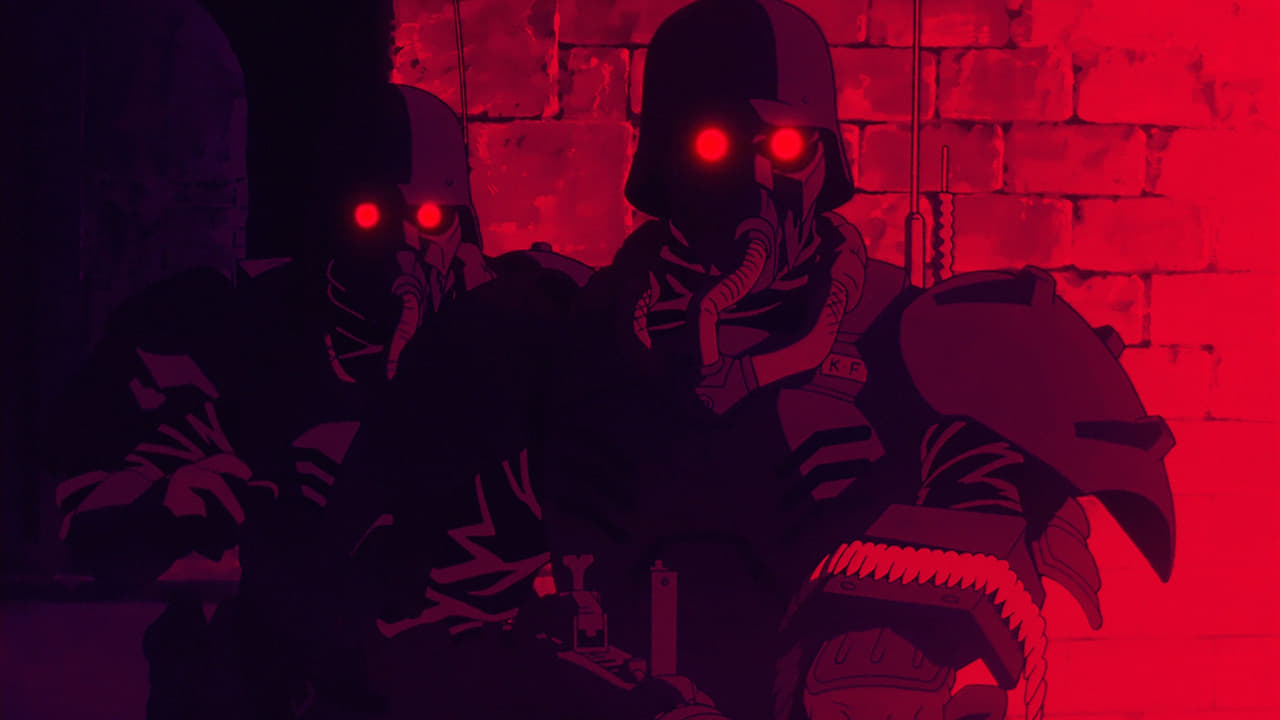
We're dropped into a fractured Tokyo, decades after a different outcome to World War II. Social unrest boils, met with the brutal efficiency of the heavily armed Capital Police Special Unit – nicknamed "Kerberos" – whose soldiers, encased in Protect Gear armor, resemble demonic wolves loosed upon the city. Our entry point is Constable Kazuki Fuse (Yoshikazu Fujiki), a member of this elite unit. During a tense confrontation in the city's labyrinthine sewers, Fuse hesitates, failing to shoot a young girl acting as a bomb courier for an anti-government group known as The Sect. The girl detonates the bomb before his eyes, leaving Fuse traumatized and facing disciplinary action. This single moment of perceived weakness sets in motion a chain of events that drags him into a deadly political conspiracy. It's a gut-wrenching opening, establishing the film's bleak tone and Fuse's internal conflict immediately.
A Concrete Jungle of Paranoia
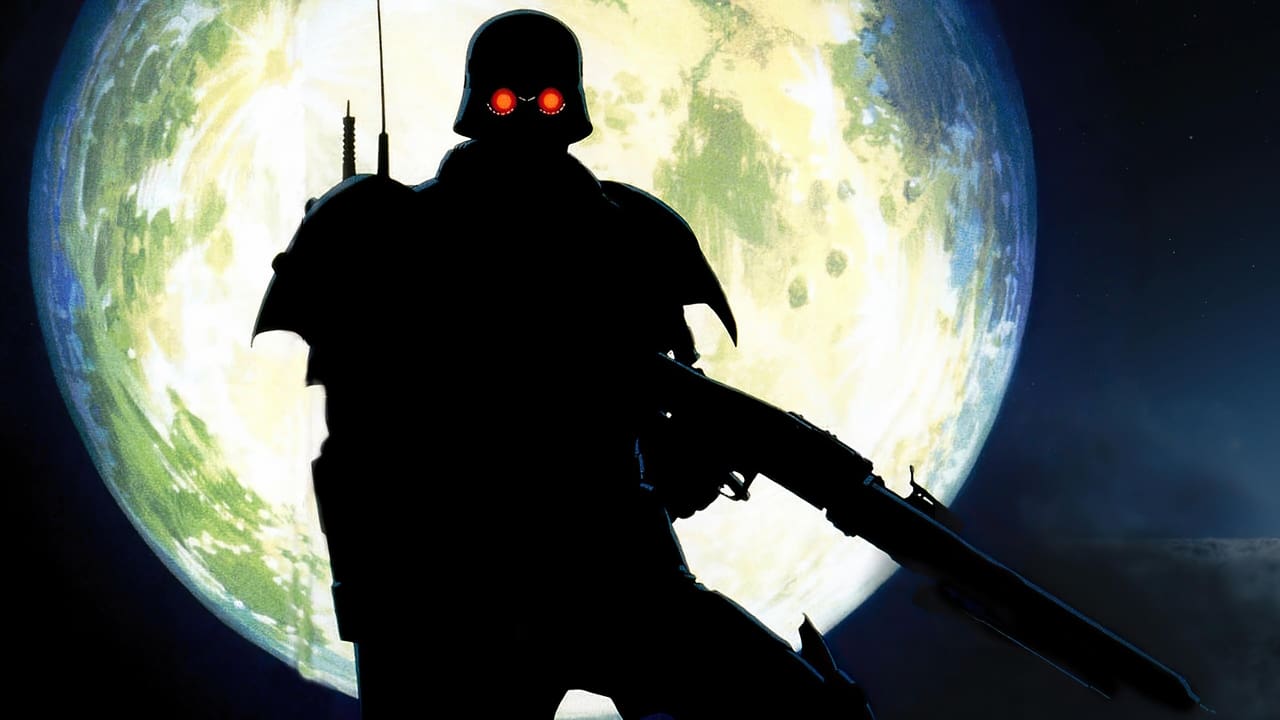
Jin-Roh isn't interested in explosive action set pieces, though the few it has are visceral and terrifyingly grounded. Instead, director Hiroyuki Okiura, working from Oshii's dense script (part of his larger "Kerberos Saga" multimedia project), crafts a slow-burn political thriller steeped in paranoia. The atmosphere is thick with mistrust – not just between the government and the populace, but between rival police factions vying for power. The meticulously detailed animation by Production I.G (who also brought us Oshii's landmark Ghost in the Shell in 1995) renders this world in shades of grey, concrete, and rain-slicked streets. Okiura reportedly spent years bringing this vision to life, obsessing over details from the authentic-looking period architecture to the unnerving weight and mechanics of the Protect Gear itself. You feel the cold dampness of the sewers, the oppressive humidity of the city, the chilling anonymity behind those red-eyed masks.
The Girl and the Wolf
Haunted by the girl he couldn't shoot, Fuse encounters Kei Amemiya (Sumi Mutoh), who claims to be the deceased girl's older sister. A hesitant, fragile relationship forms between them, a small flicker of humanity in Fuse's increasingly grim existence. But in this world, nothing is simple. Kei is enigmatic, her motives unclear, and their connection becomes tangled in the machinations of the Special Unit's enemies within the Public Security Division, who see Fuse as a pawn to discredit Kerberos. The voice acting is superb, capturing Fuse's stoic trauma and Kei's ambiguous vulnerability. Is their bond genuine, or just another layer of the trap closing around Fuse? The film masterfully builds this tension, weaving a narrative thread reminiscent of the dark fairy tale ("Little Red Riding Hood") that serves as its thematic core.
More Than Human, Less Than Man
At its heart, Jin-Roh is a devastating exploration of dehumanization. What happens to a man trained to be a weapon, conditioned to suppress empathy, forced to become the "wolf" the state needs him to be? The Protect Gear isn't just armor; it's a cage, transforming its wearer into something other, something feared even by those who deploy it. Fuse's journey is a tragic descent, questioning whether any shred of the man remains beneath the beastial shell. The film draws heavily on Oshii's recurring themes – the individual crushed by the system, the nature of identity in a militarized society, the cyclical violence inherent in power struggles. It's heavy stuff, demanding patience and attention, rewarding the viewer with a complex, unsettling portrait of compromised humanity. Trivia buffs might know that the iconic Protect Gear design predates Jin-Roh, appearing in Oshii's earlier live-action films like The Red Spectacles (1987) and StrayDog: Kerberos Panzer Cops (1991), making Jin-Roh a prequel of sorts within that universe.
A Masterclass in Animated Dread
Forget flashy effects; Jin-Roh's power lies in its deliberate pacing, its stark realism (within its alternate history context), and its masterful use of animation to convey mood. The character designs are grounded, avoiding typical anime exaggerations. The colour palette is muted, reinforcing the oppressive atmosphere. Hajime Mizoguchi's haunting score, often melancholic and foreboding, perfectly complements the visuals, amplifying the sense of dread and tragedy. Watching this back in the VHS/early DVD era, it was a stark reminder that animation could be a medium for profound, mature, and deeply unsettling storytelling, far removed from Saturday morning cartoons. It felt... important.
---
VHS Heaven Rating: 9/10
Jin-Roh: The Wolf Brigade is not an easy watch, nor is it meant to be. Its deliberate pace, complex political backdrop, and overwhelmingly bleak tone might deter some. However, for those willing to immerse themselves, it’s a masterpiece of atmospheric animation and mature storytelling. The meticulous direction, the haunting score, the resonant themes, and the unforgettable imagery of the Kerberos unit justify its high score. It’s a film that sinks its teeth in and refuses to let go.
Final Thought: Decades later, the chilling echo of respirator breaths and the cold gleam of those red eyes remain potent, cementing Jin-Roh as a high-water mark for serious, thought-provoking anime and a truly haunting cinematic experience. It's a reminder of a time when discovering such a film felt like uncovering a dark, essential secret.