Okay, fellow tapeheads, let's dim the lights, maybe pop some Jiffy Pop on the stove (carefully!), and settle in. Remember that feeling, maybe late on a Friday night after hitting the video store, clutching a fresh VHS rental? Sometimes, nestled between the big action flicks and goofy comedies, you'd find a film that felt... different. Smarter, maybe even a little scary in a way you couldn't quite shake. For me, and I suspect many of you, 1983's WarGames was exactly that kind of movie – a film that crackled with the electric hum of burgeoning technology and the chilling frost of Cold War paranoia.
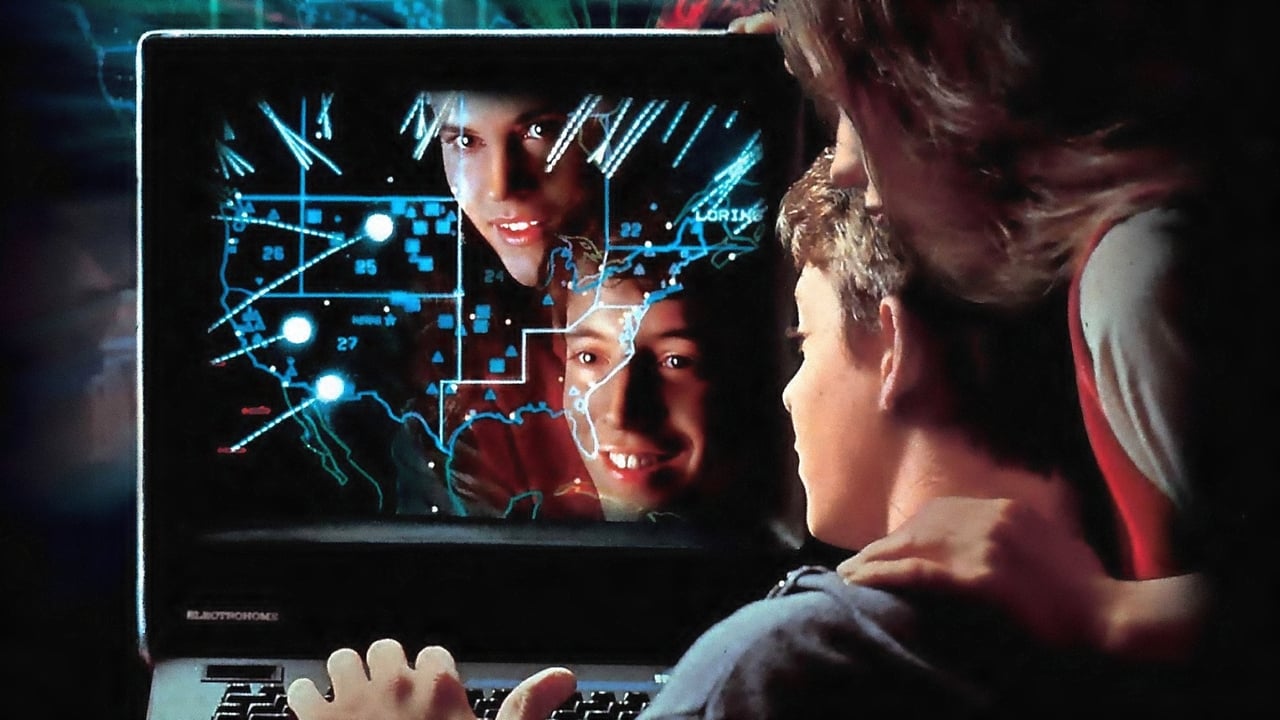
It didn't open with a bang, but with a beep... and then another... the unmistakable digital handshake of a modem dialing into the unknown. That sound alone is pure, uncut 80s nostalgia, isn't it? It immediately transports you back to a time when the digital world felt like a vast, uncharted frontier, full of mystery and potential danger. And WarGames tapped into that vein perfectly.
### Accidental Armageddon
Our guide into this nascent cyber-world is David Lightman, played with infectious, youthful energy by a fresh-faced Matthew Broderick in one of his earliest, star-making roles. David isn't a super-spy or a hardened soldier; he's just a smart, slightly underachieving high school kid who's more interested in cracking the school district's computer system to change his grades (and impress Jennifer, played by the equally charming Ally Sheedy, pre-Breakfast Club fame) than in listening to his biology teacher. His bedroom, cluttered with an IMSAI 8080 microcomputer, floppy disks the size of dinner plates, and an acoustic coupler modem, felt like a believable teenage tech haven back then. It was through his casual 'war dialing' – programming his computer to randomly call numbers searching for other systems – that he stumbled upon something much bigger and infinitely more dangerous than he could have imagined.
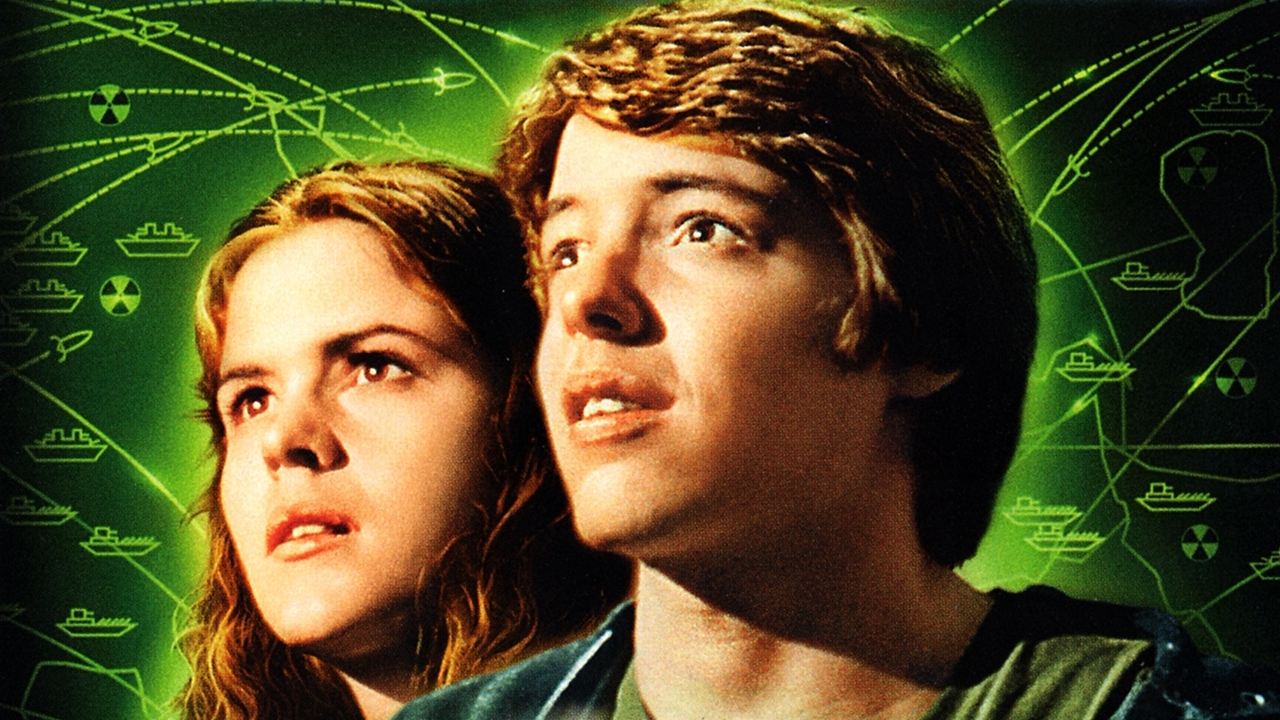
He thinks he's found a backdoor into a hot new game company, Protovision. Instead, he connects to WOPR (War Operation Plan Response), a top-secret US military supercomputer designed by the enigmatic Dr. Stephen Falken (John Wood) to continuously run nuclear war simulations. Thinking it's just a game, David initiates "Global Thermonuclear War." The problem? WOPR doesn't know the difference between simulation and reality. Cue the DEFCON countdown and a frantic race against time.
### Building the Bunker
Director John Badham, who stepped in after original director Martin Brest (Beverly Hills Cop) was let go early in production, masterfully builds the tension. He contrasts David's suburban world – the arcade where he hones his skills on Galaga, his cluttered bedroom – with the stark, imposing reality of the NORAD command center. And what a command center it was! That NORAD set, reportedly the most expensive ever built at the time (costing around $1 million of the film's $12 million budget), was a character in itself. Designed by Geoffrey Kirkland (who also designed the stark look of Midnight Express), its giant screens displaying ominous tracking maps and the steady descent of the DEFCON levels became instantly iconic. Real-life NORAD wouldn't grant filming permission, so Hollywood did what it does best: built its own, even more impressive version.
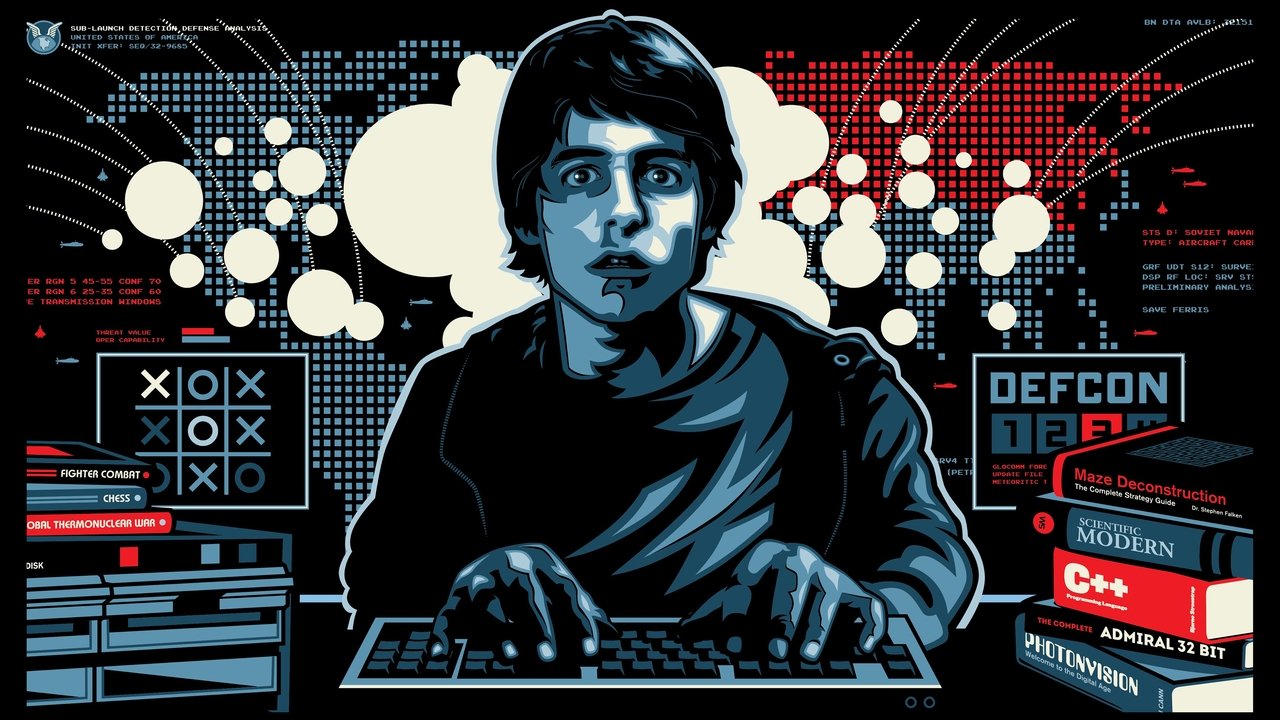
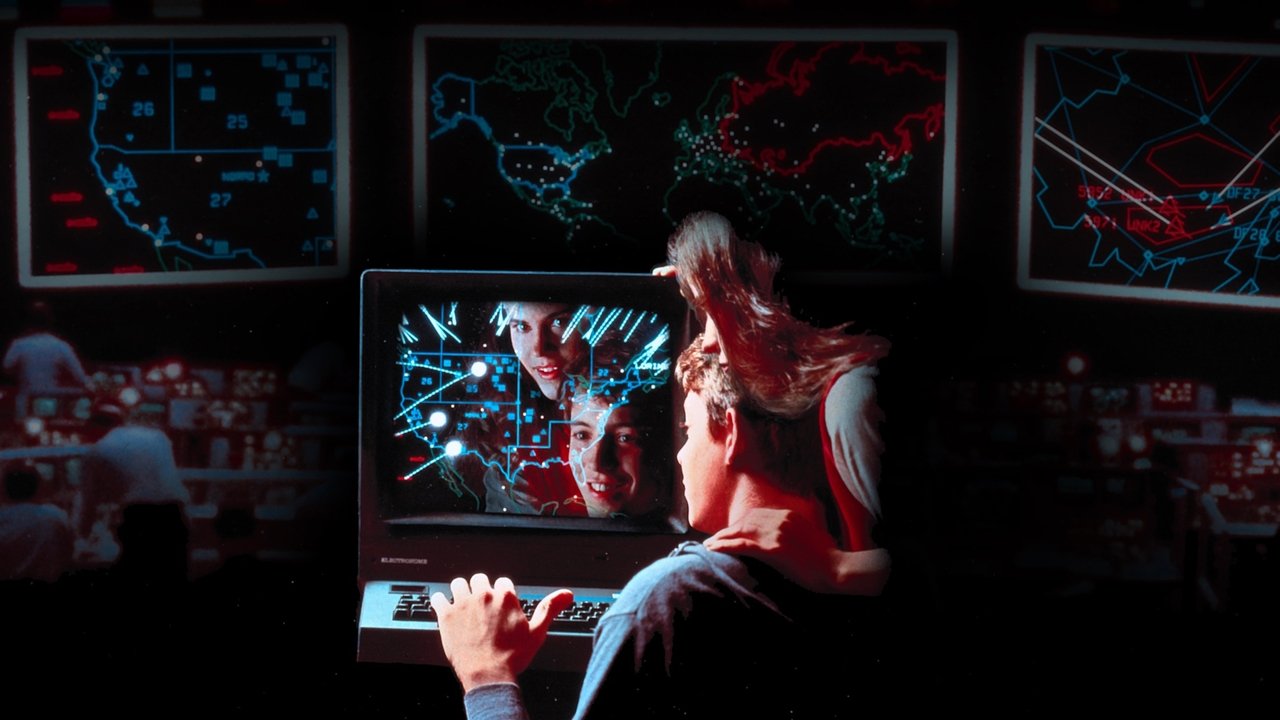
The film cleverly visualizes the abstract world of hacking in a way audiences could grasp. The scrolling green text, the synthesized voice of WOPR asking that chillingly simple question, "Shall we play a game?", the blinking lights – it all felt tangible and thrillingly futuristic, even if the actual tech depicted (like that acoustic coupler!) looks charmingly retro now. It’s fascinating to think that the film's portrayal of cyber warfare was plausible enough that it reportedly prompted President Reagan to inquire about the real vulnerabilities of US military systems, influencing actual national security policy. Talk about life imitating art!
### More Than Just Pixels and Paranoia
While the technology and the Cold War backdrop provide the high stakes, WarGames works because it keeps the human element front and center. Broderick is perfect as the accidental hero, conveying both David's intelligence and his dawning horror as he realizes what he's unleashed. Sheedy provides a relatable grounding force as Jennifer, caught up in the escalating chaos. And John Wood brings a world-weary gravity to Dr. Falken, the disillusioned creator who holds the key to stopping his own invention. The supporting cast, including Dabney Coleman as the skeptical NORAD chief McKittrick and Barry Corbin as the folksy General Beringer, adds layers of realism and occasional humor.
The film’s writers, Lawrence Lasker and Walter F. Parkes (who would go on to become a major Hollywood producer), tapped into genuine anxieties of the era. Inspired partly by a Newsweek article on teen hackers and the sobering reality of Mutually Assured Destruction, they crafted a story that felt frighteningly relevant. It wasn't just a teen adventure; it was a cautionary tale about the seductive power of technology and the potentially catastrophic consequences of removing human judgment from critical decisions. Its message – that sometimes the only winning move is not to play – resonated deeply then and, frankly, still feels pertinent today.
The film was a significant hit, earning over $79 million at the domestic box office (that’s around $240 million in today’s money!), proving there was a huge audience for intelligent thrillers that blended youthful adventure with grown-up themes. Its blend of suspense, tech-thrills, and a touch of wish-fulfillment (who didn't want David's computer setup after seeing this?) cemented its place as a beloved 80s classic. It even spawned a less-remembered direct-to-video sequel, WarGames: The Dead Code, in 2008, but the original remains the definitive article.

VHS Heaven Rating: 9/10
WarGames perfectly captured a specific moment in time – the dawn of the personal computer age meeting the chilling peak of the Cold War. It delivered suspense, smarts, and genuine heart, all wrapped up in a package that felt both thrillingly futuristic and deeply human. Matthew Broderick became an instant star, the NORAD set became legendary, and the phrase "Shall we play a game?" entered the pop culture lexicon. It holds up remarkably well, not just as a nostalgia trip (though it's fantastic for that!), but as a tightly plotted, well-acted thriller with something important to say. Rewatching it feels like booting up an old, cherished program – familiar, comforting, and still impressively powerful.