Imagine wandering the aisles of the video store, perhaps near the turn of the millennium. The familiar Studio Ghibli logo catches your eye, promising magic and wonder. But popping My Neighbors the Yamadas (ホーホケキョ となりの山田くん, Hōhokekyo Tonari no Yamada-kun) into your VCR reveals something entirely unexpected – a Ghibli film that looks less like a meticulously painted fantasy and more like a charmingly sketched comic strip brought gently to life. It's a departure, a delightful curveball, and a film that radiates a unique, cozy warmth all its own.
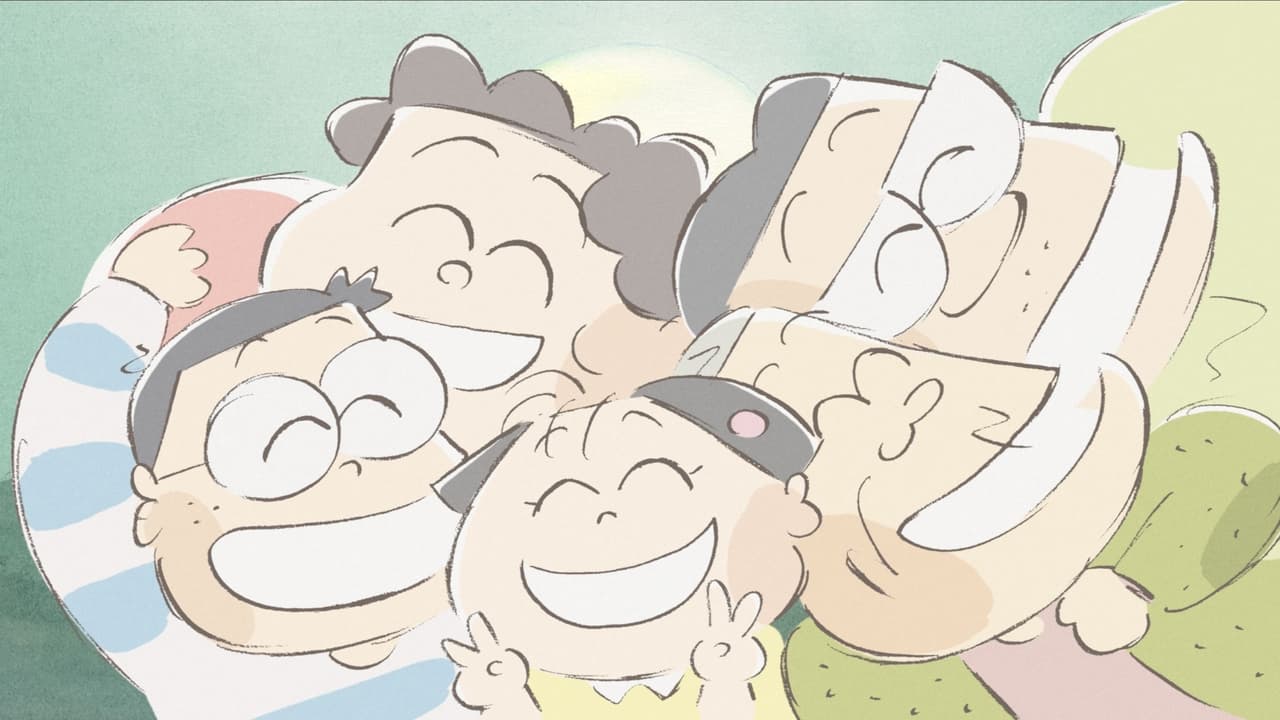
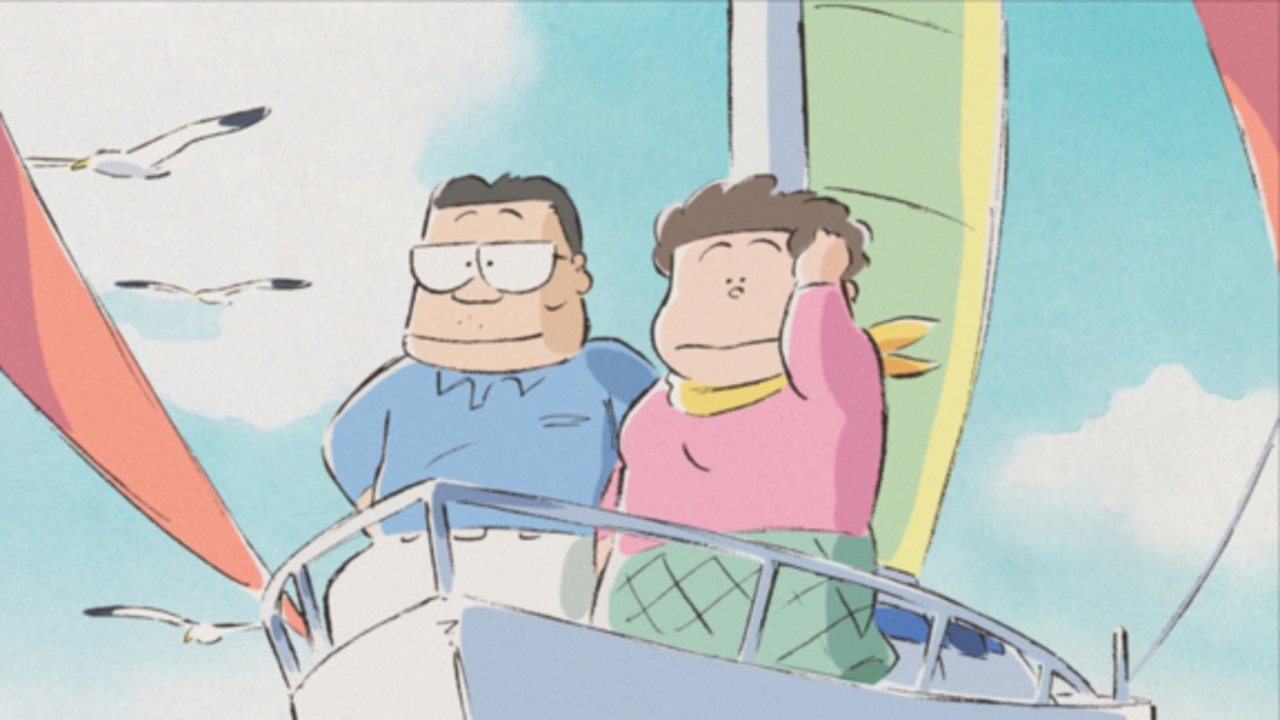
Released in 1999, this wasn't your typical Ghibli blockbuster fare. Directed by the legendary Isao Takahata – the thoughtful soul who also gave us the heartbreaking Grave of the Fireflies (1988) and the ecologically minded Pom Poko (1994) – Yamadas took a bold stylistic detour. Based on the yonkoma (four-panel) manga strip Nono-chan by Hisaichi Ishii, the film embraces a minimalist, watercolor aesthetic that feels radically different from the lush visuals often associated with the studio.
A Watercolor World of Everyday Chaos
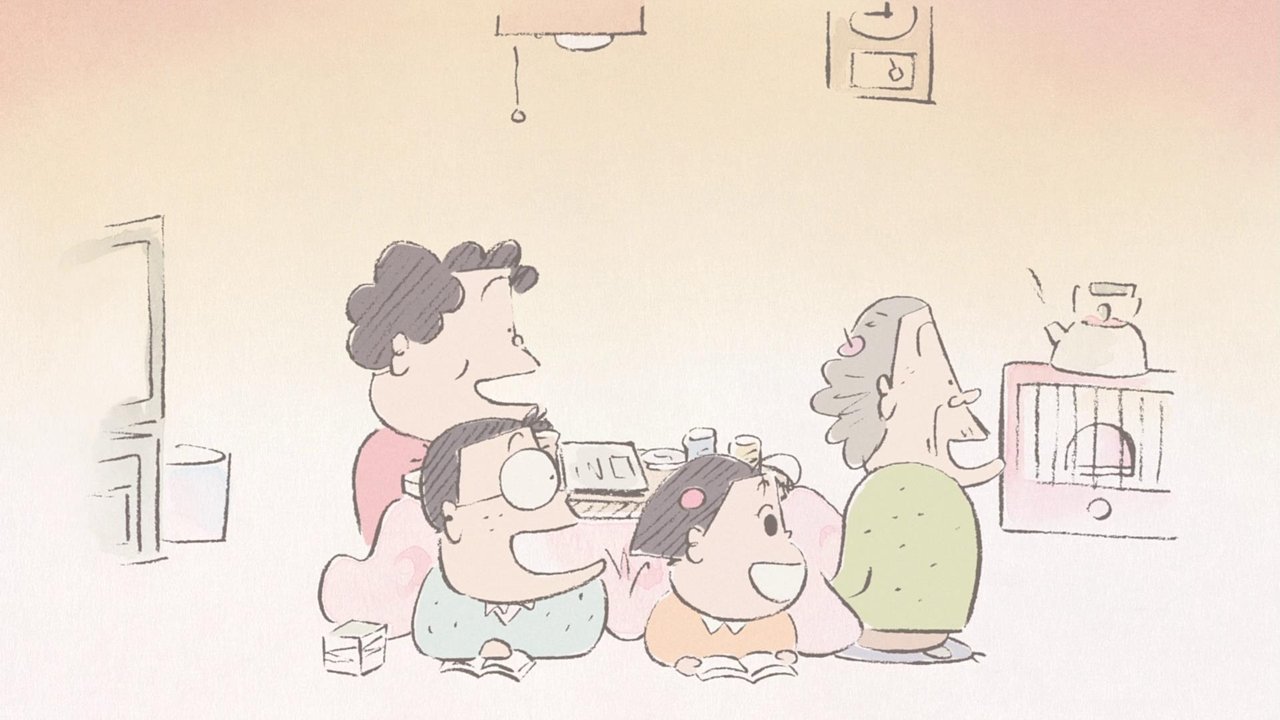
Instead of a grand, overarching narrative, My Neighbors the Yamadas presents a series of vignettes, like flipping through a family photo album filled with goofy candids rather than posed portraits. We follow the daily lives, minor squabbles, and small joys of the Yamada family: the laid-back father Takashi (voiced by Touru Masuoka), the slightly scatterbrained but well-meaning mother Matsuko (Yukiji Asaoka), the sharp-tongued grandmother Shige (Masako Araki), the teenage son Noboru, and the earnest young daughter Nonoko.
There are no dragons here, no flying castles or forest spirits. The adventures are grounded in the wonderfully mundane: battling over the TV remote, forgetting things at the supermarket, navigating awkward school moments, contemplating the meaning of marriage (often hilariously). It’s this very ordinariness, rendered with such affection and gentle humor, that makes the film so relatable. You see flashes of your own family, your own daily absurdities, reflected in the Yamadas' sketched world. Remember those little domestic dramas that felt huge at the time? Yamadas captures them perfectly.
Takahata's Digital Experiment
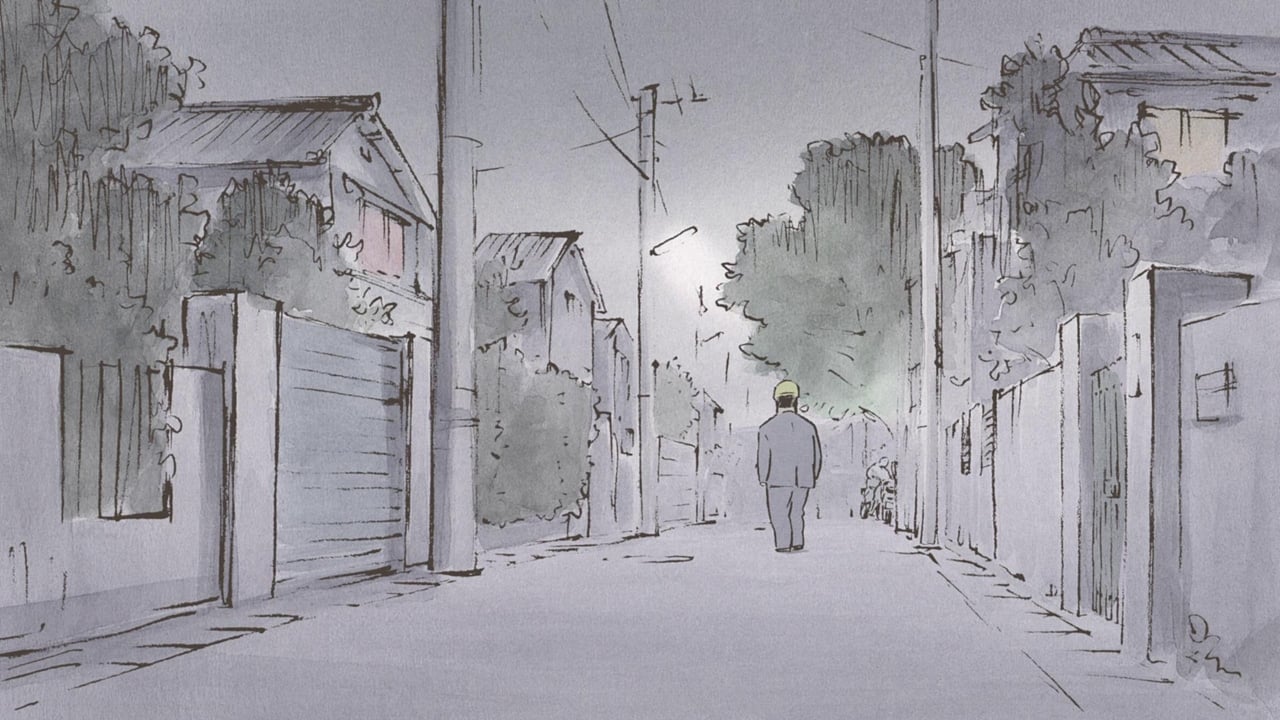
What truly sets Yamadas apart is its groundbreaking visual style. Isao Takahata, ever the innovator, pushed for Studio Ghibli's first fully digitally animated feature here. Not digital in the modern CGI sense, but using computers to achieve the delicate, sketch-like quality, preserving the feel of watercolor washes and pencil lines. It was a laborious process, aiming to replicate the look of Hisaichi Ishii's original comic strips. The result is intentionally simple, often leaving backgrounds sparse or blank, focusing entirely on the characters' expressive movements and reactions. This choice gives the film a light, airy feel, perfectly complementing the episodic, often comedic nature of the stories.
This artistic gamble didn't quite translate into box office gold, unfortunately. Compared to Ghibli megahits like Princess Mononoke (1997) released just two years prior, Yamadas performed modestly. Its unconventional style and lack of a traditional plot perhaps made it a tougher sell for audiences expecting epic fantasy. Yet, for those willing to embrace its unique rhythm, it offers a profound and often very funny look at the tapestry of family life.
Finding Beauty in the Ordinary
The vignettes range from laugh-out-loud funny (Matsuko’s epic struggle with domestic chores) to quietly poignant (a reflection on lifelong partnership, visualized beautifully). Takahata peppers the film with haikus, adding moments of gentle contemplation amidst the everyday chaos. The voice acting across the board (Touru Masuoka's weary dad sighs, Yukiji Asaoka's cheerful forgetfulness, Masako Araki's grandmotherly wisdom and wit) brings these characters to life with understated perfection. It feels less like watching actors and more like observing a real, slightly eccentric family.
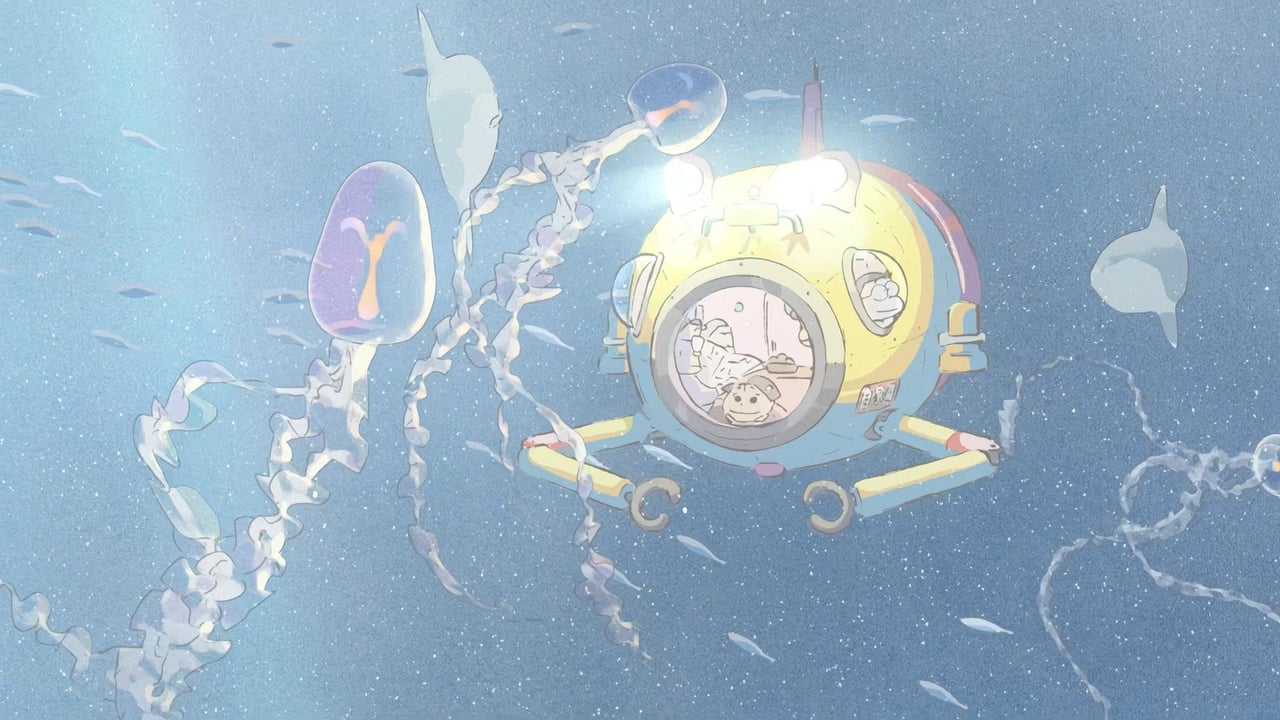
There are moments of pure visual poetry too – a fantasy sequence where the family rides a giant banana boat, or another where they soar through the sky, symbolizing the small triumphs and shared dreams that bind them together. These flights of fancy, emerging from the mundane, underscore the film’s core message: that magic and meaning aren't just found in fantastical realms, but in the everyday connections and shared experiences of family.
A Ghibli Treasure Off the Beaten Path
My Neighbors the Yamadas might not have the immediate wow factor of some other Studio Ghibli classics. It doesn't sweep you away to another world in quite the same way. Instead, it invites you in, offers you a cup of tea, and shares relatable stories with a knowing chuckle. It’s like that quirky, comfortable sweater you love – maybe not the flashiest item in your wardrobe, but reliably warm and comforting. It reminds us that even the most ordinary lives are filled with moments of humor, absurdity, and quiet beauty. For fans of Ghibli, Isao Takahata, or just slice-of-life storytelling with a unique artistic flair, this is an essential, if often overlooked, gem.
Rating: 8/10
This score reflects the film's unique charm, its heartfelt humor, and its bold artistic direction. While its episodic nature and minimalist style might not appeal to everyone expecting a traditional Ghibli epic, its warmth, wit, and relatable portrayal of family life make it a deeply rewarding watch. It earns its points through sheer originality and understated heart.
My Neighbors the Yamadas is a gentle reminder that sometimes, the most wonderful adventures are the ones happening right in our own living rooms, sketched out in the beautiful, messy lines of everyday life. A truly unique entry in the Ghibli catalogue, well worth seeking out.