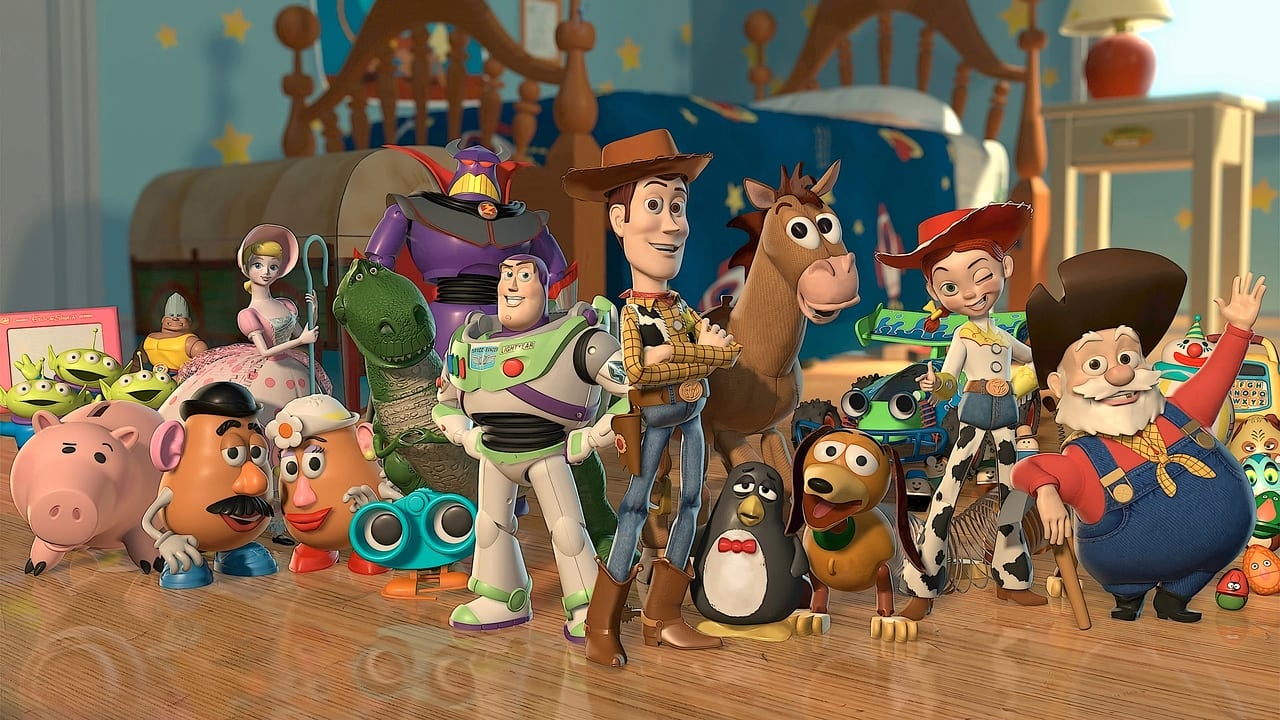
It’s rare, isn’t it? That lightning-strike moment when a sequel doesn’t just live up to its predecessor, but arguably surpasses it. The original Toy Story (1995) felt like witnessing the future unfold on screen, a seismic shift in animation. So, when whispers of a sequel started, you could almost hear the collective holding of breath across video stores and living rooms. Could Pixar possibly capture that magic again? With Toy Story 2, released just before the millennium turned in 1999, they didn’t just recapture it; they deepened it, expanded the world, and delivered an adventure brimming with heart, humor, and surprising emotional resonance.
### More Than Just a Follow-Up
Let's rewind the tape a bit. Initially, Toy Story 2 wasn't even destined for the big screen. It began life as a direct-to-video project, a common path for animated sequels in the 90s that often resulted in… well, let's just say variable quality. But as the story developed under the guidance of directors John Lasseter, Ash Brannon, and Lee Unkrich, and the stunning animation work progressed, it became clear this was something special. Disney and Pixar made the bold (and ultimately brilliant) call to upgrade it to a full theatrical release. Talk about pressure! Following up a film that literally changed animation history is no small task, but the team delivered something truly extraordinary.
### Woody's Round-Up and Existential Angst
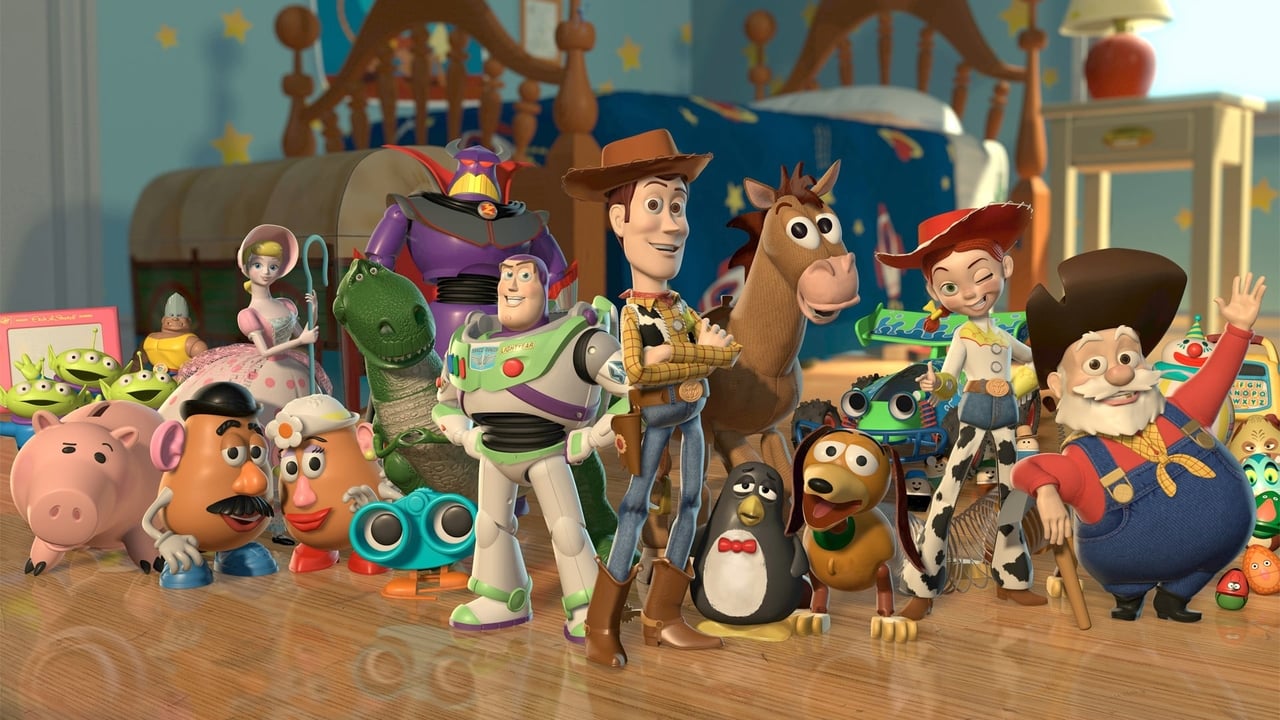
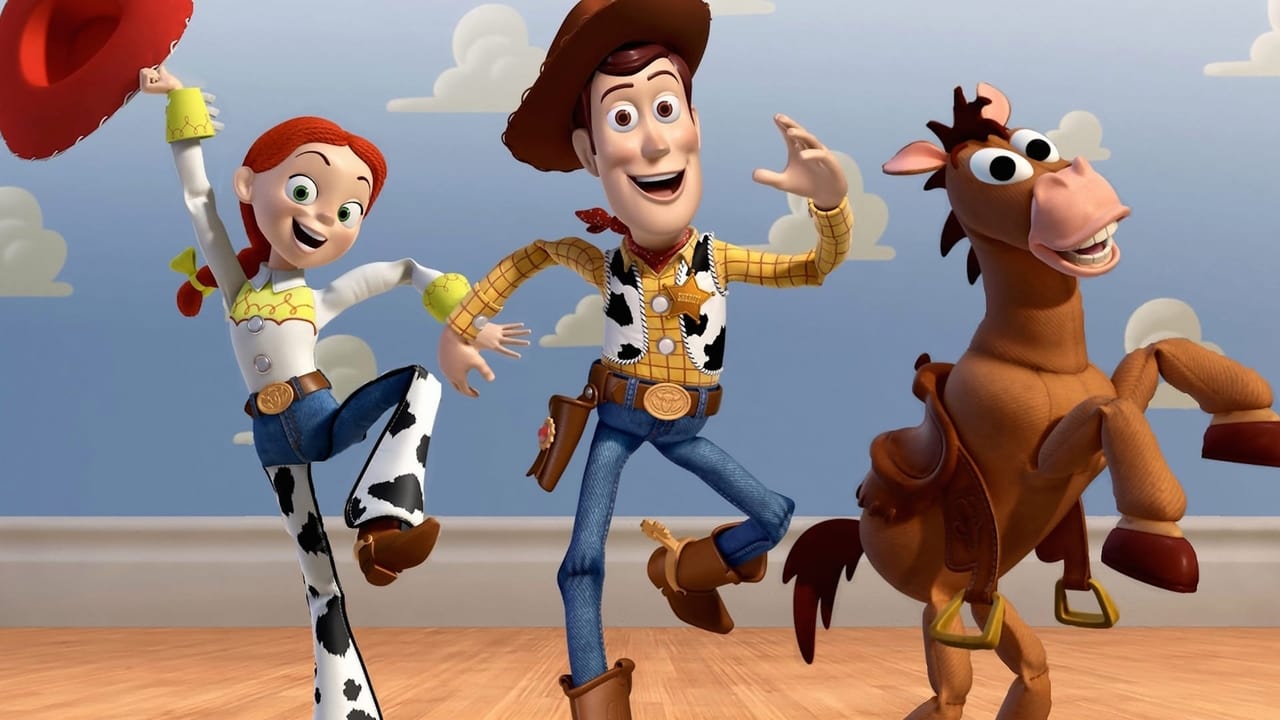
While the first film explored jealousy and friendship, Toy Story 2 delves into themes of obsolescence, belonging, and legacy. When Woody (Tom Hanks, returning with that perfect blend of warmth and anxiety) is accidentally swiped by a greedy toy collector, he discovers he’s a valuable collectible from a forgotten 1950s TV show, "Woody's Roundup". Suddenly, he's confronted with his own history and a potential future alongside the effervescent cowgirl Jessie (Joan Cusack, in an absolutely star-making voice performance), his trusty steed Bullseye, and the seemingly avuncular Stinky Pete the Prospector.
This setup provides the film's emotional core. Woody grapples with the choice between returning to Andy, knowing he'll eventually be outgrown, or embracing immortality in a museum display in Japan alongside his newfound "family." It’s surprisingly deep stuff for a kids' movie, especially Jessie's backstory, revealed in the utterly heartbreaking "When She Loved Me" sequence (music by the ever-reliable Randy Newman). I distinctly remember the quiet sniffles in the theater during that scene – Pixar proving early on they weren't afraid to tug mercilessly at our heartstrings.
### To Infinity… And Aisle Five!
Meanwhile, Buzz Lightyear (Tim Allen, bringing his signature confident bluster) leads Andy’s other toys on a daring rescue mission. This B-plot is pure comedic gold, a hilarious odyssey through Al's Toy Barn that cleverly riffs on action and sci-fi movie tropes. We get the introduction of the 'Utility Belt' Buzz (complete with his own delusions of grandeur) and the epic confrontation with Emperor Zurg, featuring that classic father-son parody reveal. Remember the sheer joy of seeing Mr. Potato Head pack his "angry eyes"? Or Slinky Dog gamely stretching across impossible gaps? The pacing is relentless, packed with visual gags and witty dialogue penned by a team including Andrew Stanton (who would later direct Finding Nemo and WALL-E). It's a masterclass in balancing high-stakes adventure with laugh-out-loud comedy.
### Pixar Perfection: The Near-Disaster and Triumph
The animation, even viewed today, is remarkable. Just four years after the original, the leap in textures, character expressiveness, and environmental detail is tangible. The world feels richer, more lived-in. But behind this polished final product lies one of cinema's most legendary near-disasters. During production, a catastrophic command error began deleting months of work from Pixar's servers. Panic ensued until it was discovered that the film's supervising technical director, Galyn Susman, who was working remotely due to her newborn baby, had a backup copy on her home computer. The film was literally saved from digital oblivion! Knowing this makes the final product feel even more like a minor miracle. Despite this setback and the immense pressure of the accelerated theatrical schedule, the team pulled it off, delivering a film that grossed a whopping $497.4 million worldwide against its $90 million budget and secured a rare 100% rating on Rotten Tomatoes.
### Why It Still Plays Beautifully
Toy Story 2 isn't just a great animated movie; it's a great movie, period. It expanded the lore, introduced unforgettable new characters, and tackled mature themes with grace and humor. It cemented Tom Hanks and Tim Allen as one of cinema's most iconic duos and gave Joan Cusack a platform for her incredible vocal talent. Watching it again now, perhaps on a format far removed from the original VHS release, that sense of adventure and emotional depth hasn't faded one bit. It proved that sequels could be ambitious and artistically fulfilling, setting a high bar not just for Pixar, but for animated storytelling in general. It explored the bittersweet truth that things change, we grow up, but the bonds we form can endure. We all feared Andy growing up, didn't we? This film gave voice to that fear, but also offered hope.
---

VHS Heaven Rating: 9.5/10
Just shy of perfect, Toy Story 2 is a triumph of animation, storytelling, and heart. It took the beloved characters and world of the original and expanded them in ways few expected, weaving laugh-out-loud comedy with genuine pathos and thrilling adventure. The near-deletion anecdote only adds to its legendary status. It overcame its direct-to-video origins to become a benchmark for sequels and a cornerstone of Pixar's incredible legacy.