Okay, fellow tape travelers, let's rewind to the cusp of a new millennium, a time when the promise of CGI felt boundless and traditional animation was staging its last, grand standoffs against the digital tide. Popping into the VCR today is a film that embodies that exact moment: Don Bluth and Gary Goldman's ambitious, visually stunning, and ultimately star-crossed space opera, Titan A.E. (2000). It might technically be a year 2000 baby, landing just outside our usual 80s/90s sweet spot, but trust me, its soul feels pure late-90s sci-fi animation, a kind of spiritual successor to the Saturday morning cartoons and laserdisc epics we devoured.
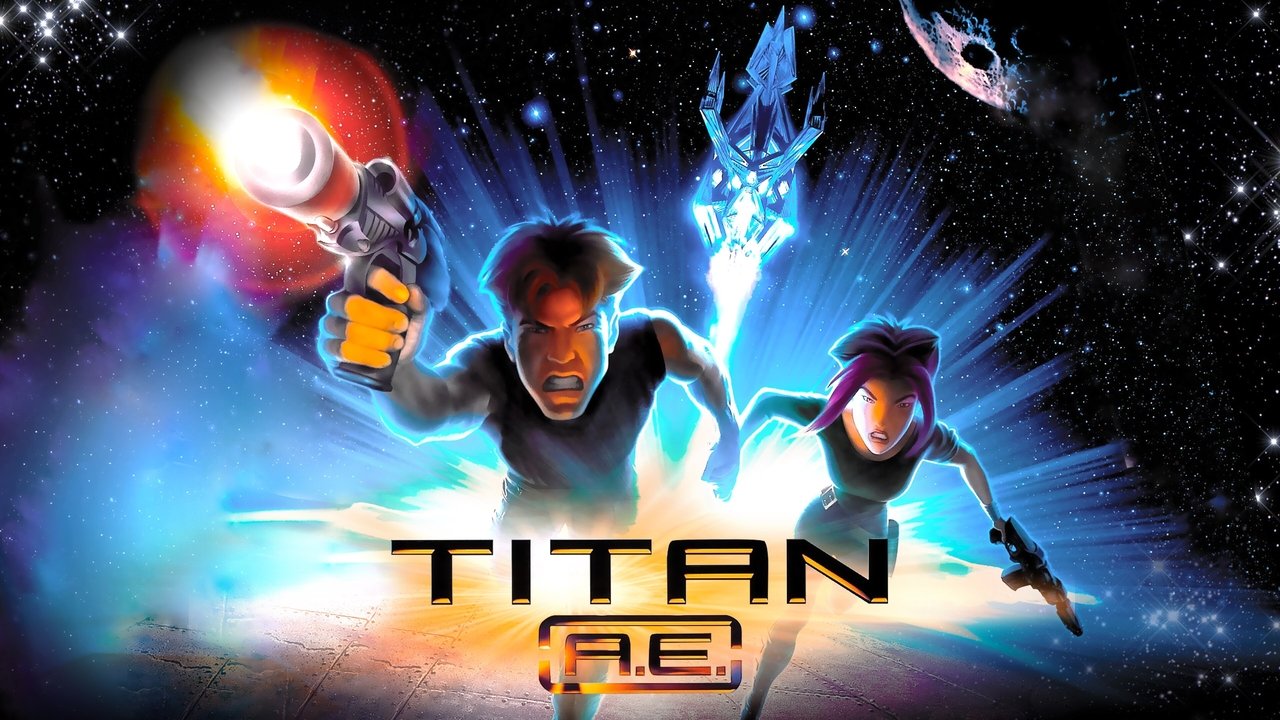
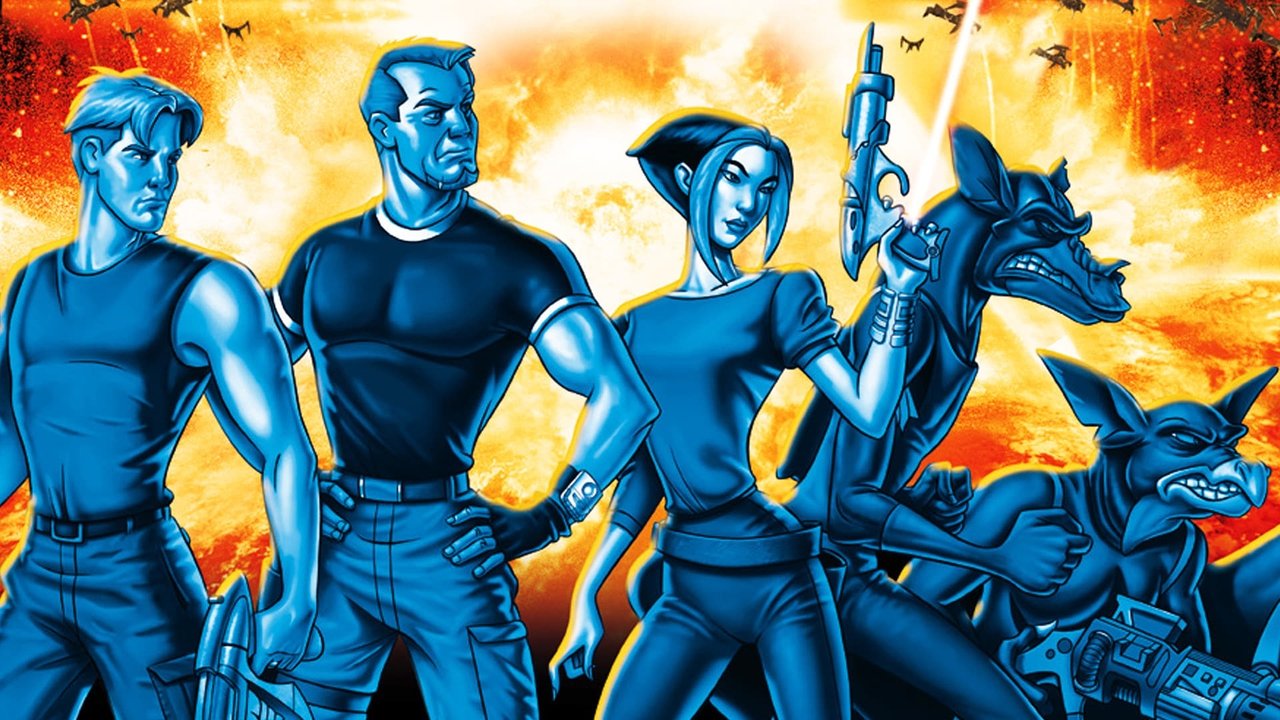
This wasn't just another cartoon; it felt big. The opening moments, depicting the terrifying destruction of Earth by the crystalline energy beings known as the Drej, hit with a weight that felt miles away from Bluth's earlier, gentler fare like The Land Before Time (1988). You immediately knew this was aiming for something different, something edgier. We're thrown into a gritty, post-apocalyptic future where humanity is scattered across the galaxy, reduced to cosmic refugees. Our reluctant hero is Cale Tucker, voiced with youthful cynicism by Matt Damon, who discovers he holds the key – literally, a map embedded in his hand – to finding the Titan, a legendary spacecraft capable of creating a new Earth.
A Bold New Frontier... Visually Speaking
What immediately grabs you about Titan A.E., even today, is its audacious blend of traditional 2D character animation with expansive 3D CGI environments and effects. This wasn't just background work; the spaceships, the nebulae, the utterly alien landscapes – they were characters in themselves. Remember those breathtaking ice rings of Tigrin? The sheer scale of the sequence, Cale navigating shimmering, crystalline structures, felt like nothing we’d quite seen in mainstream animation. It was a gamble, trying to seamlessly merge these two distinct styles, and while sometimes the seams showed (a common issue in that transitional era), the ambition was palpable. Bluth and Goldman, directors known for classics like An American Tail (1986) and All Dogs Go to Heaven (1989), were pushing the envelope, aiming for a mature, visually sophisticated sci-fi adventure.
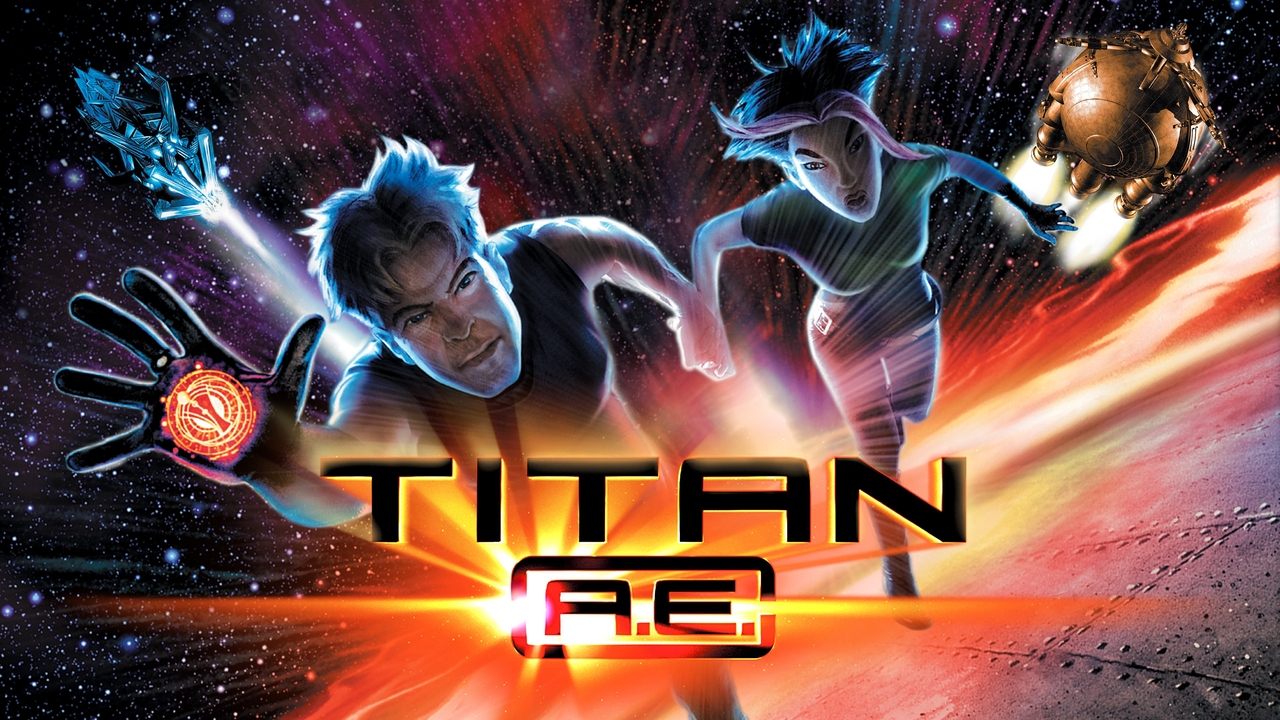
The voice cast brought Hollywood clout: Matt Damon, fresh off Good Will Hunting and Saving Private Ryan, lent Cale a relatable blend of angst and heroism. Drew Barrymore provided the voice for Akima, the capable pilot and Cale's eventual love interest, bringing her signature charm. And Bill Pullman, always reliable, voiced Captain Korso, the grizzled veteran leading the mission, adding a layer of weary authority. Their performances helped ground the sometimes galaxy-spanning plot.
Behind the Cosmic Curtain
Digging into the making of Titan A.E. reveals a fascinating, somewhat tragic, story. This was Fox Animation Studios' big swing after the success of Anastasia (1997). They poured a reported $75 million into it (that's roughly $135 million in today's dollars!), hoping to establish a serious competitor to Disney in the feature animation space. The script itself went through numerous hands, with credits including Ben Edlund (creator of The Tick), John August (Big Fish, Charlie and the Chocolate Factory), and notably, Joss Whedon, who apparently punched up the dialogue and character interactions – you can almost hear faint echoes of Firefly's banter in some of the crew's exchanges.
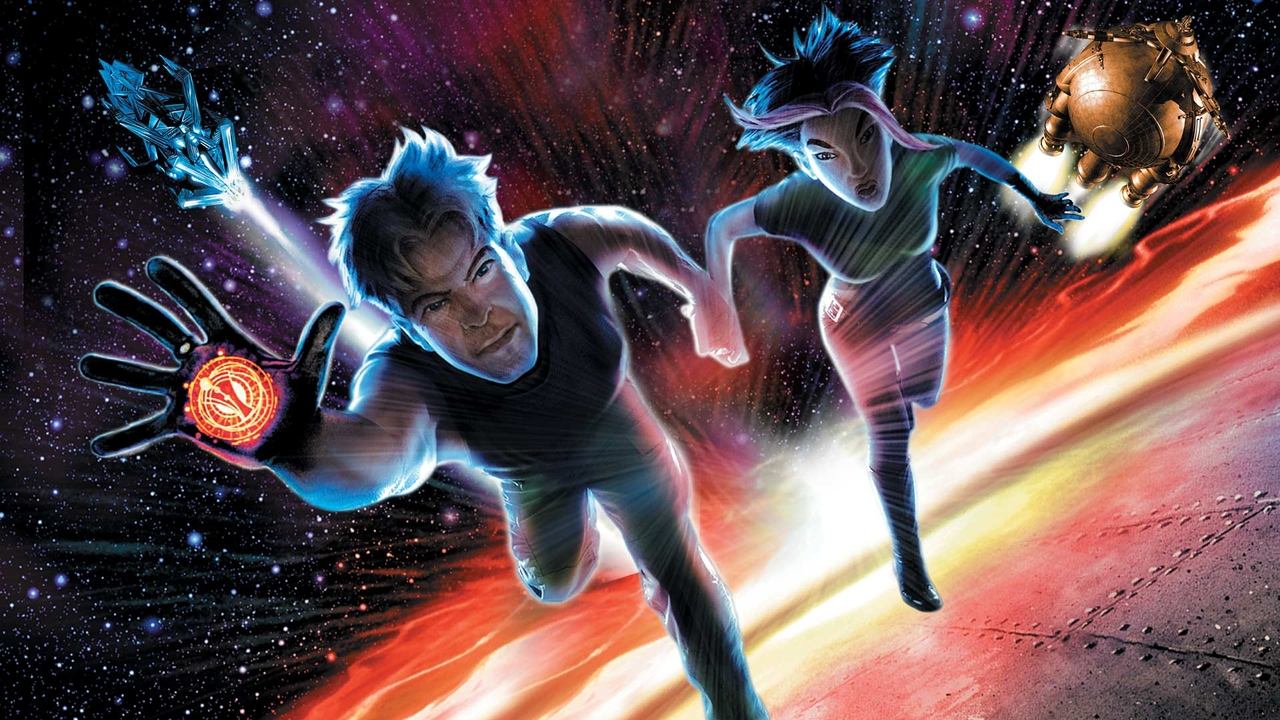
Despite the talent involved and the visual innovation, the film struggled to find its audience. It grossed only around $37 million worldwide, a major disappointment that sadly led to the closure of Fox Animation Studios. It became one of those "what if" moments in animation history – a bold vision that didn't quite connect commercially, perhaps arriving just as audiences were fully embracing the all-CGI worlds of Pixar (Toy Story 2 had landed just months before). Watching it now, you can feel that tension – the artistry of hand-drawn characters navigating these burgeoning digital universes.
More Than Just Space Dust
So, does Titan A.E. hold up beyond its historical context? Mostly, yes. The story, while borrowing familiar tropes from space operas and chosen-one narratives, has moments of genuine excitement and wonder. The world-building is imaginative, featuring diverse alien species and visually interesting locations like the trader colony Valhalla, built from salvaged ship parts. The action sequences, particularly the space battles against the menacing Drej, still pack a punch. It's undeniably cool, channeling a grittier, more rock-and-roll energy than typical animated fare of the time – the soundtrack definitely helps cement that vibe.
It's not perfect, of course. The pacing occasionally flags, and some supporting characters feel a bit underdeveloped (though Gune, the eccentric Grepo navigator voiced by John Leguizamo, is a memorable oddball). But the sheer passion project energy shines through. It feels like a film someone desperately wanted to make, a love letter to classic sci-fi adventure splashed across a giant animated canvas. For many of us who caught it on VHS or late-night cable, it remains a distinct memory – a slice of animated sci-fi that dared to be different, darker, and visually ambitious.
VHS Heaven Rating: 7/10
Titan A.E. earns a solid 7 out of 10. It's visually inventive, boasts some thrilling sequences, and represents a fascinating turning point in animation history. While hampered by a somewhat conventional plot and inconsistent pacing, its ambition, unique style blending 2D and 3D, and its status as a beloved cult classic make it absolutely worth revisiting. The $75 million gamble didn't pay off at the box office, but the creative spirit behind it resulted in a film that still sparks the imagination.
It remains a beautiful, slightly melancholic testament to a road less traveled in feature animation – a grand space opera drawn, rendered, and dreamed up just before the digital wave completely took over. A final flash of hand-drawn heroism against a universe of pixels.